Concrete and sustainability are two words that are often considered incompatible. Used as early as the Roman era, concrete has shaped much of our built environment, being the most widely used manufactured material in the planet thanks to its resistance, versatility, cost-effectiveness, and accessibility, among other inherent benefits. Its popular use in buildings and infrastructure forms the foundations of cities, connects communities, and will continue to play a vital role in providing solutions to the challenges of the future – especially as cities must respond to a growing global population. But with cement as its key ingredient, it also comes with several environmental costs, being responsible for at least 8% of the world’s carbon emissions in a climate-change context. However, it doesn’t necessarily have to be that way. With the rise of innovative technologies and products, there are many ways to make concrete greener.
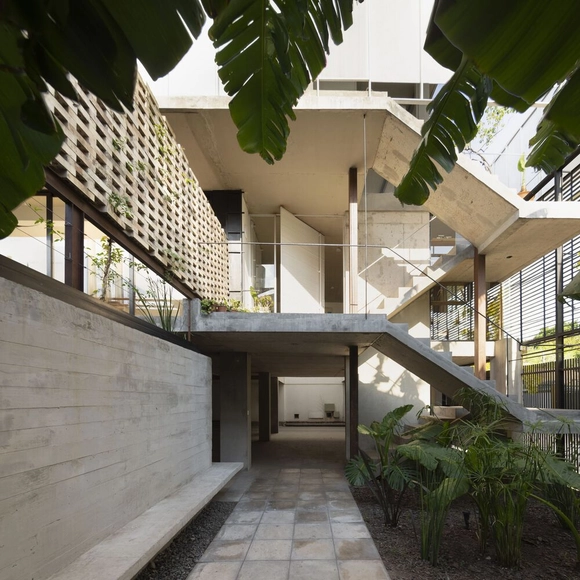
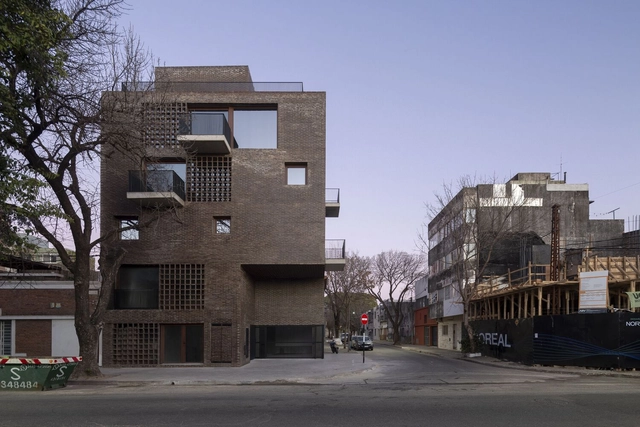
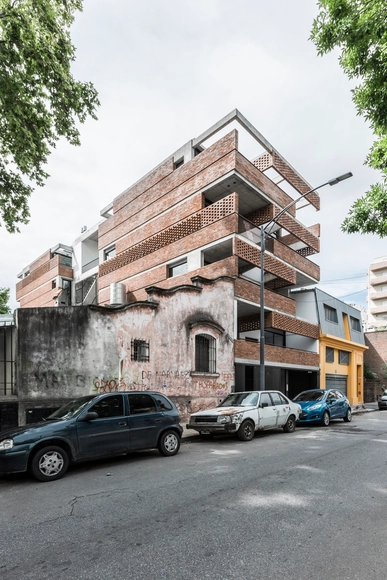
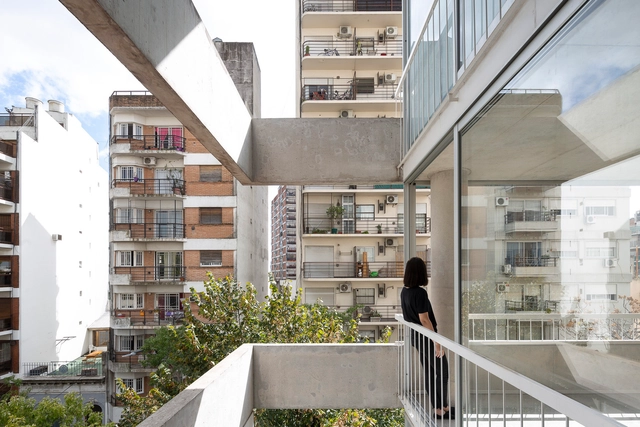
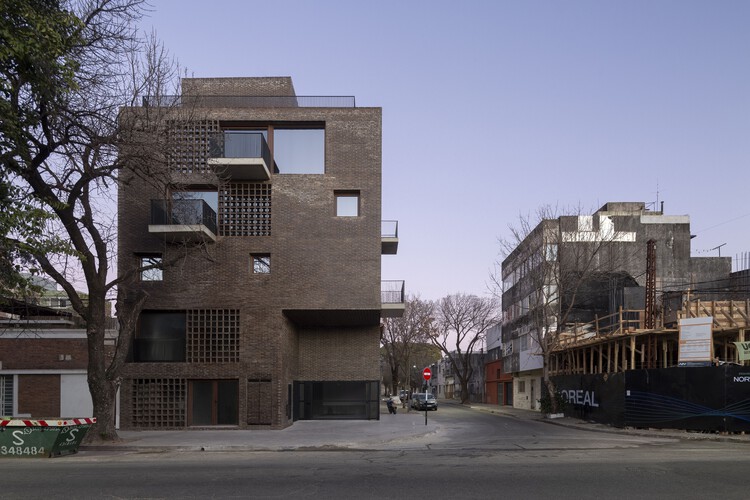
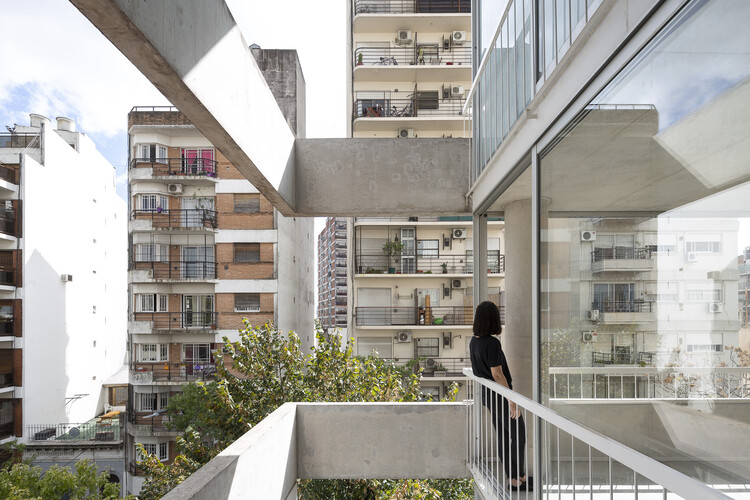
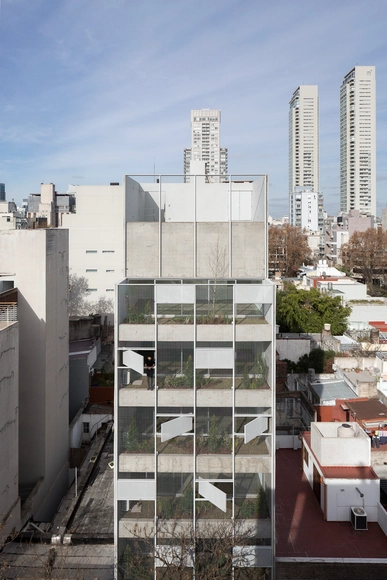
Edificio Juana Azurduy 1635 / BAAG. Image Cortesía de BAAG
Since 2008, the BAAG Studio, or Buenos Aires Architectura Grupal, has demonstrated that taking the time to collectively think, experiment, and rethink, not only reinforces architecture as a discipline, it advances it. The group's projects and research have added to the shared-practice-driven critical thinking that has become increasingly essential within the profession.
We sat down with BAAG to hear more about their inspiration, processes, education, and their predictions going forward.
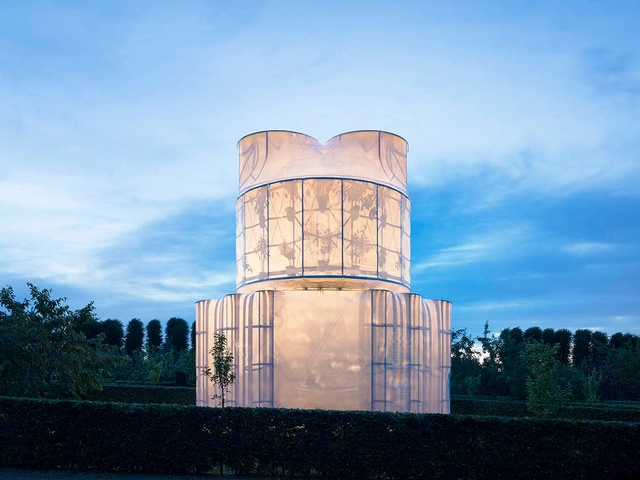
Whether made from natural or synthetic fibers, textiles have played a part in architectural design since time immemorial; however, it wasn't until the era of industrialization and advancements in technology that high-quality textiles could be made and utilized en masse. Most often, they have been used to enclose temporary structures like medical tents and emergency housing thanks to their mobility and ease of assembly.






.jpg?1620850440&format=webp&width=640&height=580)








.jpg?1620850776&format=webp&width=230&height=230&crop=true)
.jpg?1620850905&format=webp&width=230&height=230&crop=true)

.jpg?1620851522&format=webp&width=230&height=230&crop=true)
.jpg?1620850440)