BROWSE ALL FROM THIS PHOTOGRAPHER HERE

Rethinking Architecture at the Scale of Planetary Systems

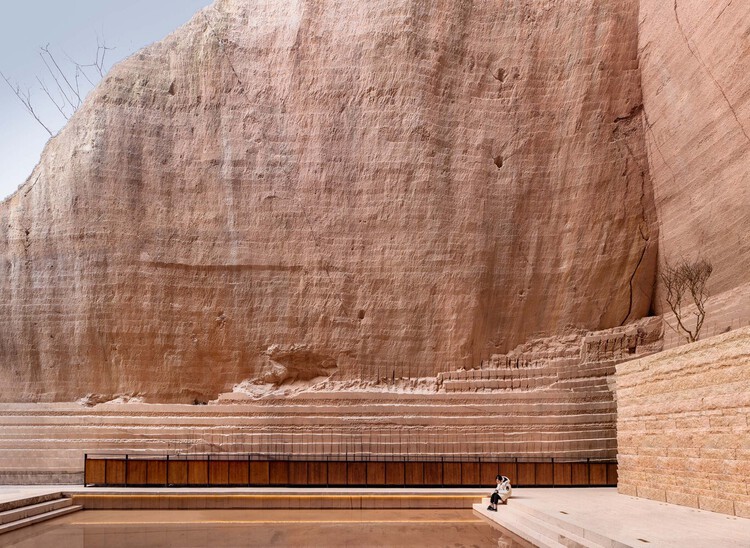
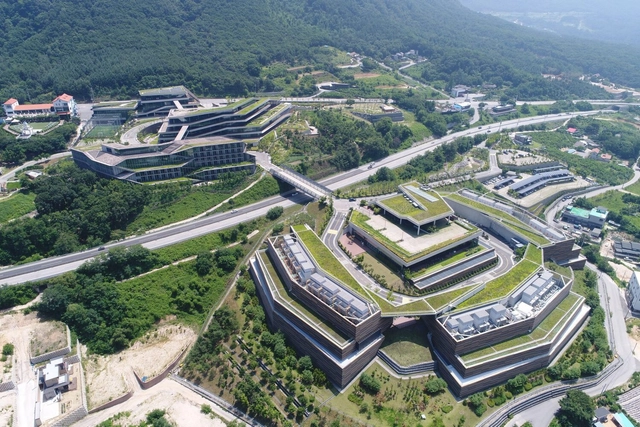
Architecture has traditionally been described as a discipline concerned with space, form, and material presence. Yet this understanding becomes increasingly limited when confronted with the conditions that shape contemporary construction. Buildings no longer emerge from a stable relationship between site, program, and material. Instead, they are produced within a dense web of technological systems that operate across territorial, ecological, and temporal scales. Energy networks, data infrastructures, extraction processes, and global logistics shape architecture as decisively as climate or urban context.

Seen from this angle, architecture is less a discrete object than a moment within a larger technical field. Supply chains, data systems, automated maintenance, and energy grids do not sit "behind" the built environment. In a certain way, they influence what can be built, what is affordable, how buildings perform over time, and what kinds of waste they produce. When architecture is assessed primarily through form, it risks overlooking the systems that condition its production and afterlife.

Rethinking Architecture at the Scale of Planetary Systems - More Images+ 30

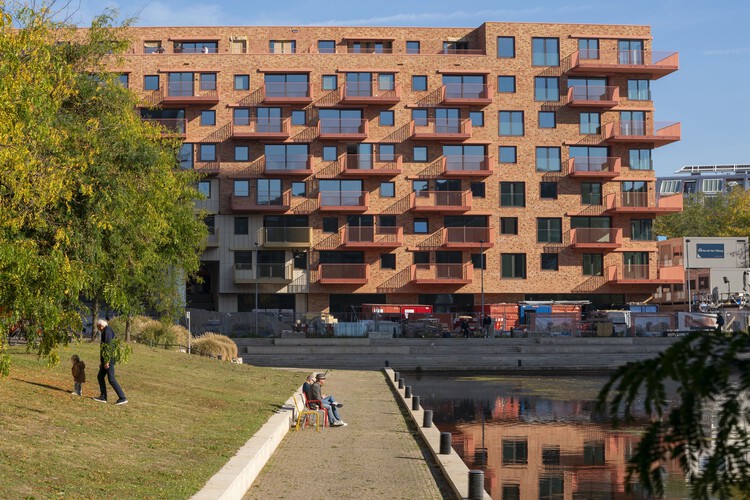
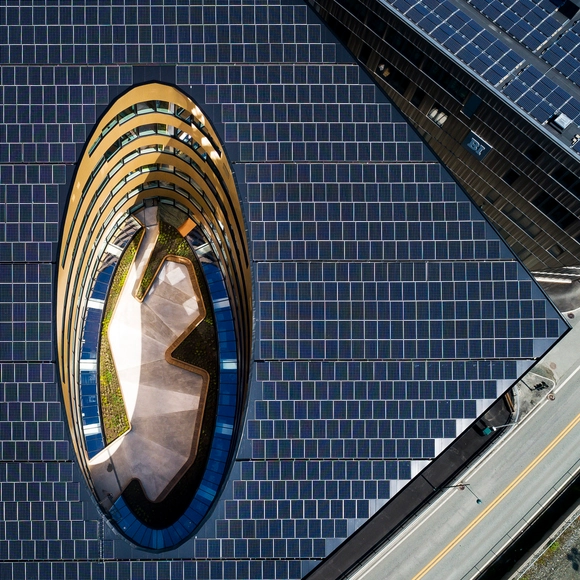
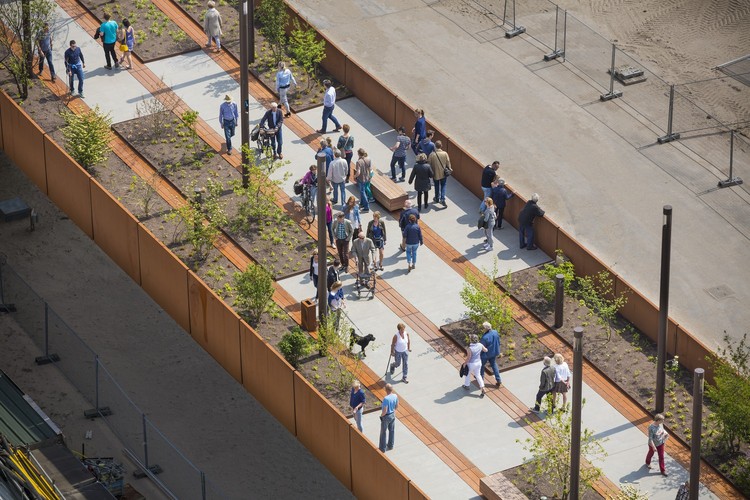
Palazzo Residential Building Paleiskwartier / Benthem Crouwel Architects

Palazzo Residential Building Paleiskwartier / Benthem Crouwel Architects - More Images+ 21

's-Hertogenbosch, The Netherlands

More Than Parking: 12 Projects to Reclaim Urban Space

Subscriber Access | 

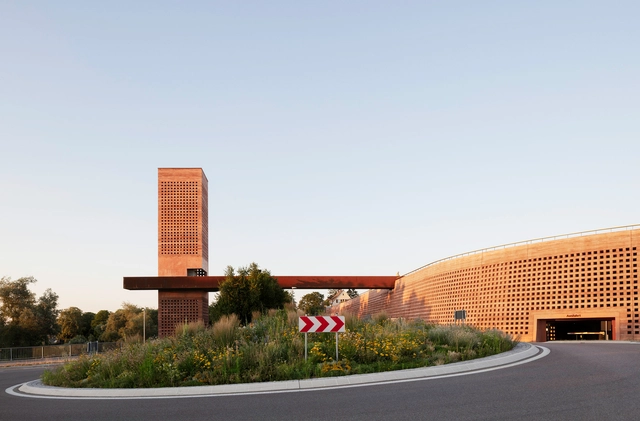
Marginalized in architectural discourse and often dismissed as purely functional, parking garages remain among the most ubiquitous structures in the urban landscape. Designed to accommodate the needs of private vehicles, they occupy central locations, shape skylines, and consume considerable resources, yet rarely receive the same attention — or architectural care — as cultural institutions, schools, or housing. Despite their prevalence, these buildings tend to fade into the background of daily life, treated as infrastructural necessities rather than as design opportunities.

This is beginning to change. As urban mobility undergoes profound transformations — from the decline of car ownership to the rise of electric vehicles and shared transport systems — the role of parking infrastructure is being redefined. Architects and planners are reimagining garages as adaptable frameworks that integrate public space, ecological functions, and mixed-use programs. These new approaches challenge the perception of parking as a residual typology and instead position it as a civic structure with the potential to support more inclusive, flexible, and sustainable urban models.

More Than Parking: 12 Projects to Reclaim Urban Space - More Images+ 26

Evolution of Data Center Design: Modular Construction, Sustainable Architecture and Eclectic Form

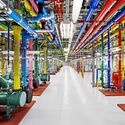
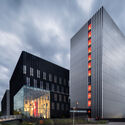
As the AI fervor continues to reshape how people see the world, 2025 looms as yet another year in the march toward technological advancement. While some worry about the dominance of technology in society, architects are shifting their attention to the foundations of a digital future: data centers. The design of data centers challenges designers to reconcile the demands of technological functionality with the principles of architectural excellence. As the dependence on cloud computing, IoT ecosystems, and big data analytics deepens, data center architecture demands more attention. As data consumption skyrockets, data center consumption rates match the demand. These structures were once relegated to nondescript industrial zones, but are now becoming integral components of urban and suburban environments. While some community members are upset about the encroachment of data centers in their localities, others see them as indicators of economic development.

Evolution of Data Center Design: Modular Construction, Sustainable Architecture and Eclectic Form - More Images+ 4

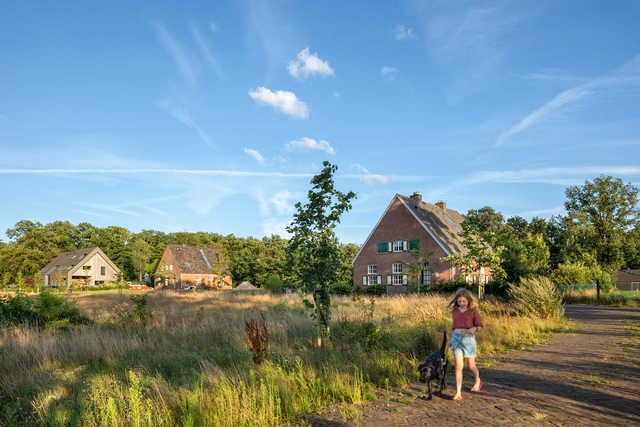
Buitenplaats Koningsweg / MVRDV

Buitenplaats Koningsweg / MVRDV - More Images+ 36

On World Bicycle Day: 22 Inspiring Architectural Cycling Projects

Subscriber Access | 

Nowadays bicycles are not only used for sports or as a recreational activity, as more and more people are choosing bicycles as their main means of transportation. Architecture plays a fundamental role in promoting the use of bicycles, as a properly equipped city with safe bicycle lanes, plentiful bicycle parking spots, and open areas to ride freely will encourage people to use their cars much less.

Cities are now positioning themselves as a key promoter of sustainable mobility, and Denmark and the Netherlands are currently the leading countries in the field of architecture for bikes. They are considered a cyclist's paradise because of their excellent infrastructure and architecture, making them a worldwide reference.

On World Bicycle Day: 22 Inspiring Architectural Cycling Projects - More Images+ 27

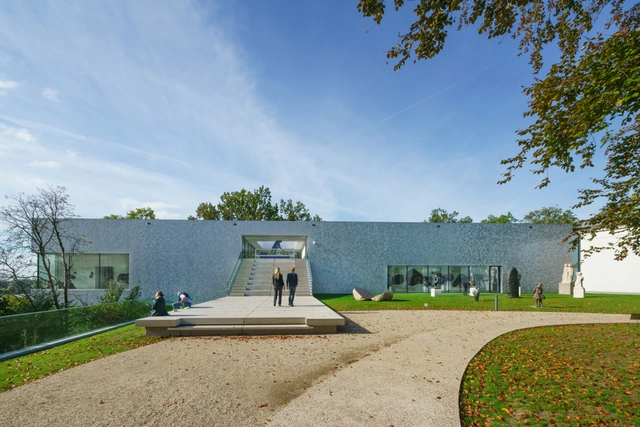
Museum Arnhem / Benthem Crouwel Architects

Museum Arnhem / Benthem Crouwel Architects - More Images+ 32

From Tiny Squares to Urban Parks: 100 Public Spaces From All Around the World

From Tiny Squares to Urban Parks: 100 Public Spaces From All Around the World - Image 111 of 4
© DuoCai Photograph

The key to successfully designing or recovering public spaces is to achieve a series of ingredients that enhance their use as meeting places. Regardless of their scale, some important tips are designing for people's needs, the human scale, a mix of uses, multifunctionality and flexibility, comfort and safety, and integration to the urban fabric.

To give you some ideas on how to design urban furniture, bus stops, lookouts, bridges, playgrounds, squares, sports spaces, small parks, and urban parks, check out these 100 notable public spaces.

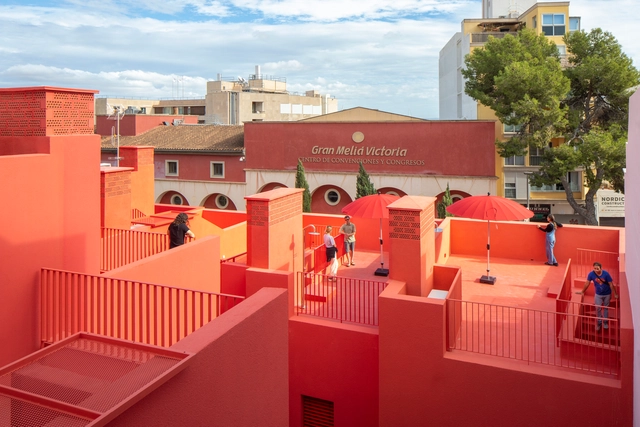
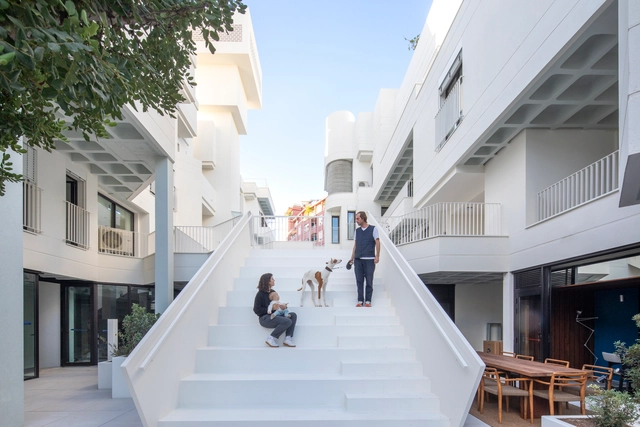
Project Gomila / MVRDV + GRAS Reynés Arquitectos

Project Gomila / MVRDV + GRAS Reynés Arquitectos - More Images+ 34

  • Architects: GRAS Arquitectos, MVRDV
  • Area Area of this architecture project Area:  15000
  • Year Completion year of this architecture project Year:  2022
  • Manufacturers Brands with products used in this architecture project
    Manufacturers:  BANDALUX

Architecture Without People: the Built Environment of Machines

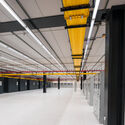
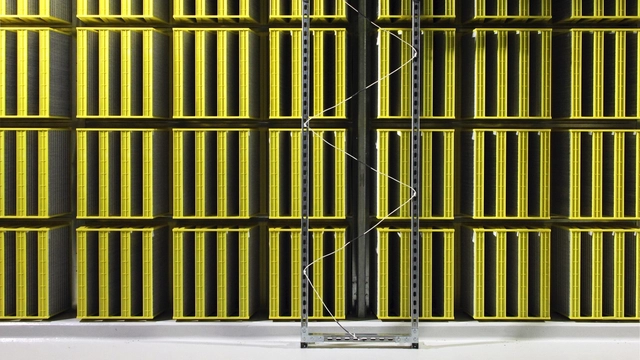
Data centers, automated assembly lines, telecommunications facilities, and warehouses represent a very utilitarian aspect of the built environment, and yet they compose a particular kind of infrastructure within contemporary society, one that is fundamental to the development of everyday life. Rarely discussed within the profession, these new typologies have more recently penetrated the architectural discourse, raising questions about the architectural significance and design potential of the spaces sustaining the mechanics of today's world.

Architecture Without People: the Built Environment of Machines - More Images+ 5

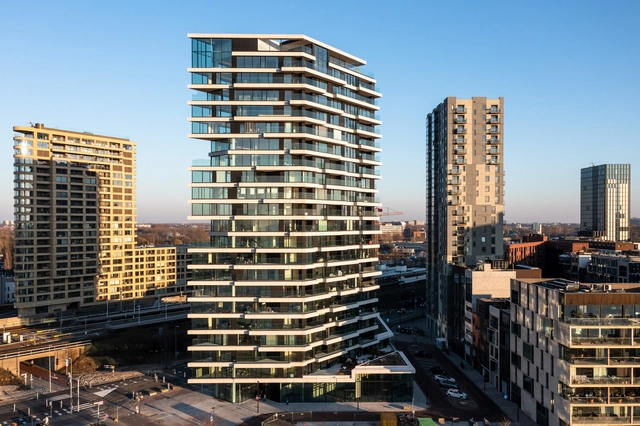
HAUT Amsterdam Residential Building / Team V Architecture

HAUT Amsterdam Residential Building / Team V Architecture - More Images+ 39

  • Area Area of this architecture project Area:  14500
  • Year Completion year of this architecture project Year:  2022
  • Manufacturers Brands with products used in this architecture project
    Manufacturers:  Brüninghoff Bausysteme met Assmann Beraten + Planen, Holzbau
  • Professionals: J.P. van Eesteren

Amsterdam City Guide: 25 Places to See in the Capital of The Netherlands

Amsterdam is one of the most beautiful cities in Europe. Its origins lie in the 12th century when fishermen living along the banks of the River Amstel built a bridge across the waterway near the IJ, then a large saltwater inlet. Most of the city’s territory is below sea level and therefore it lies on land that has been reclaimed from the water.

Amsterdam is all about practical urban planning, amazing cycling infrastructure, tulip-lined canal bridges, and old merchant houses that tilt at impossible angles. I visited Amsterdam again last year and discovered some new places.

Amsterdam City Guide: 25 Places to See in the Capital of The Netherlands - More Images+ 44

Steps Taken by EU in 2021 Towards A Sustainable Built Environment

Early last week, the European Commission and the Fundació Mies van der Rohe announced the 40 shortlisted projects of the EU Mies Award, a prize that commends excellence in architecture, highlighting its contribution to sustainable development. In this context, and two years after the European Parliament voted to support the Green Deal, we review the steps taken by the EU in 2021 towards achieving its sustainability goals and shaping a resilient built environment.

Steps Taken by EU in 2021 Towards A Sustainable Built Environment - More Images

How Color Affects Architecture

How Color Affects Architecture - More Images+ 47

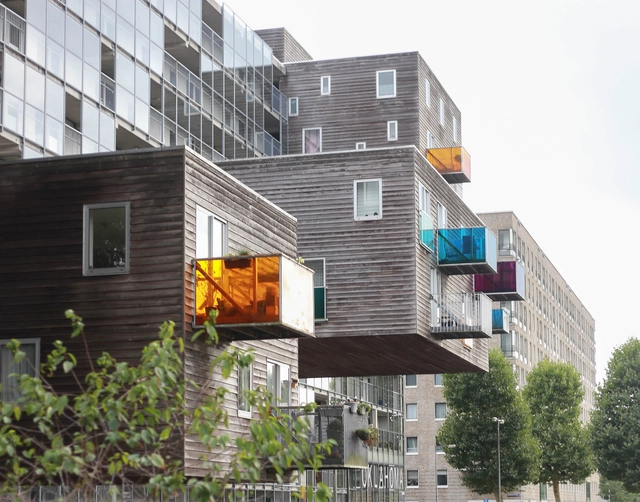
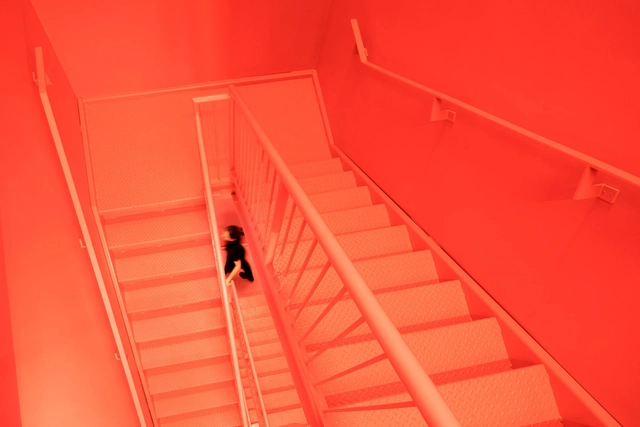
Just as the colors of an abstract painting or photograph can produce a certain mood, so can the colors of a building or room profoundly influence how the people using it feel. Physiologically, study after study has shown that blue light slows the production of melatonin, keeping people more alert or awake even at night. Psychologically, people associate certain colors with certain feelings due to cultural symbols and lived experiences – for example, they might perceive the color red as menacing or frightening because of its connection to blood.

Altogether, the way a room is colored can have complex effects on how its users feel, while a façade can be perceived in dramatically different ways depending on how it is colored. Below, we summarize the emotional associations of every color, assessing their differing effects as each is used in architectural space.

Vijzelgracht House / Benthem Crouwel Architects

Vijzelgracht House / Benthem Crouwel Architects - Interior Photography, Renovation, Chair
© Jannes Linders

Vijzelgracht House / Benthem Crouwel Architects - More Images+ 21

Why We Should Integrate Tactile Surfaces into Architecture

Why We Should Integrate Tactile Surfaces into Architecture - More Images+ 12

Accessibility is one of the most important considerations in architecture, ensuring that the built environment caters to people of all abilities. However, popular conceptions of what disability and accessibility look like remain limited, and often encompass only physically disabled people such as wheelchair users. Among architectural designers especially, it is common to visualize accessibility as adding ramps, wide corridors, and elevators. However, disability can take many different forms, some less visible than others; accordingly, accessibility in architecture means much more than accommodating just wheelchair users. For the visually impaired, incorporating specific tactile elements in architecture and urban design can vastly improve the navigability of a foreign space. In this article, we talk about tactile paving specifically, including its different forms, its history, and its means of implementation.

The Evolution of Shared Space: Privacy vs. Openness in an Increasingly Dense Architecture

Density has long been an essential consideration for architects and urban planners, yet its importance has only increased as the world’s urban population skyrockets and cities become denser and denser. For much of the history of urban planning, this term has been plagued with negative associations: overcrowding, poverty, lack of safety, and so-called ‘slums.’ The garden city movement, initiated by Ebenezer Howard in 1898, sought to remedy these ills by advocating for greenbelts and anti-density planning. Le Corbusier’s Radiant City is one of the most well-known urban plans building from these ideals. Yet in the 1960’s, sociologist Jane Jacobs famously overturned these long influential urban planning concepts: she pointed out that density of buildings was not identical to overcrowding of people; suggested that some highly dense urban areas, like her neighborhood in Greenwich Village, were safer and more attractive than nearby garden city projects; and highlighted how America’s conception of ‘slums’ were often rooted in anti-immigrant and anti-Black ideologies. Density is not inherently bad, she suggested, but it has to be done well. Today, we continue to grapple with the question of how to design for our increasingly dense cities – how do we keep them open, but simultaneously private? Free, but controlled when necessary? In particular, how do we keep them safe – both from crime and, in the age of COVID-19, disease?

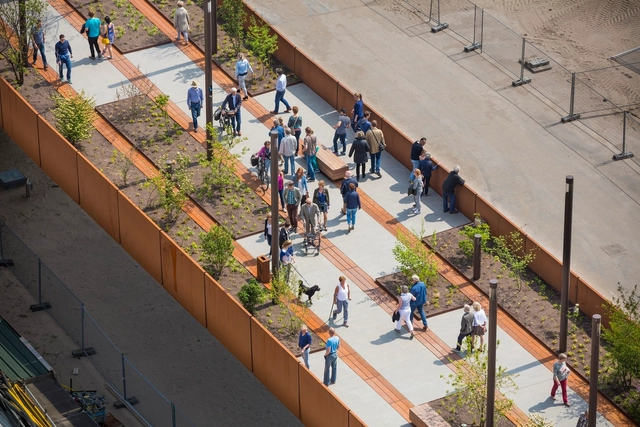
The Paleisbrug / Benthem Crouwel Architects

The Paleisbrug / Benthem Crouwel Architects - More Images+ 16

's-Hertogenbosch, The Netherlands