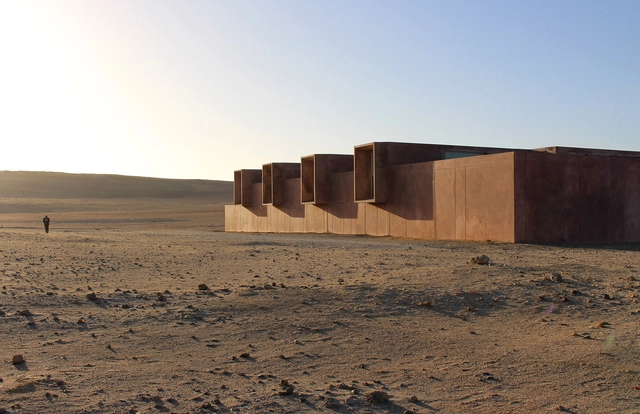
Peru is home to a wide range of new cultural architecture. Strongly tied to the country’s megadiverse geography, Peru’s modern projects reinterpret past building techniques. Taking inspiration from the vernacular and varied landscapes, these contemporary buildings arise from long traditions rooted in ancient cultures and civilizations.
The SO – IL-designed 21,000 square foot multi-building “art campus” in East Williamsburg, Brooklyn, is set to open on June 5th, 2021, with construction projected to conclude by May 2021. Serving as the Amant Foundation’s new headquarters, the complex will host exhibitions, public events, archival projects, performances, and residency programs.
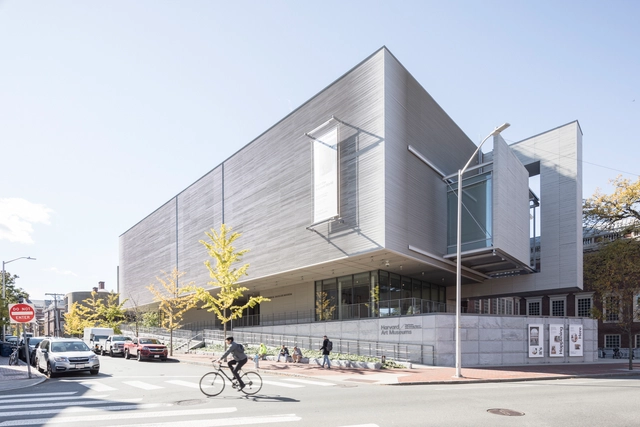
As the oldest institution of higher learning in the United States, Harvard has emerged as one of the world's most well-known universities. Organized into ten academic faculties and the Radcliffe Institute for Advanced Study, it is spread across 200 acres and centers on Harvard Yard in Cambridge. Developed along the Charles River adjacent to the Allston neighborhood of Boston, Harvard has the largest financial endowment of any academic institution. This has supported a number of different campus building projects across the university’s history.
During the week of the final selection of ArchDaily China Building of the Year 2021 Awards, we received a total of 75,000 votes, thanks to our readers from all over the world. ArchDaily China strives to bring more Chinese firms to the wave of global exchanges and introduce Chinese architecture to the world.
This year, CCTN Design, with Shougang NO.3 Blast Furnace Museum, were selected for the first position, adopting the design strategy of “sealing the old, dismantling the surplus, and replenishing the new”, and transforming the industrial remains of Beijing into an inviting urban space. MAD Architects, with YueCheng Courtyard Kindergarten, won second place by dismantling and expanding the traditional courtyard house. gad, with Mountain & Sea Art Museum, won the third position by solving the problem of mountain construction and shaping the sculpture form of the art museum.
https://www.archdaily.com/959695/interview-with-winners-of-the-archdaily-china-building-of-the-year-2021-awards韩双羽 - HAN Shuangyu
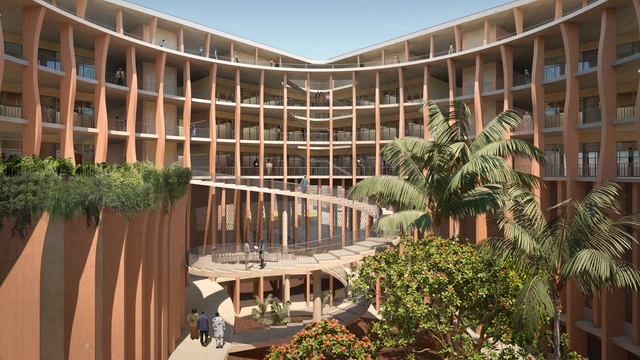
Benin's National Assembly in Porto-Novo Proposal. Image Courtesy of Kéré Architecture
Founder of the Berlin-based firm Kéré Architecture, Francis Kéré, has won the 2021 Thomas Jefferson Foundation Medal in Architecture. Presented by the University of Virginia and the Thomas Jefferson Foundation at Monticello, the award is one of four honors recognizing achievements in architecture, citizen leaderships, global innovation, and law. The Thomas Jefferson Foundation Medals recognize the exemplary contributions of recipients to the endeavors in which Jefferson excelled and held in high regard.
Another year, another successful ArchDaily China Building of the Year Awards! With more than 75,000 votes gathered over the past 20 days, the results of the 2021 edition are in! Once more, the award has proved to be the largest architecture prize centered around people’s opinion. Crowdsourced, the most relevant projects of the year were nominated and selected by our readers.
The 2021 China Building of the Year Awards is brought to you thanks to Dornbracht, renowned for leading designs for architecture, which can be found internationally in bathrooms and kitchens.
https://www.archdaily.com/959196/winners-of-the-archdaily-china-building-of-the-year-2021-awards韩双羽 - HAN Shuangyu
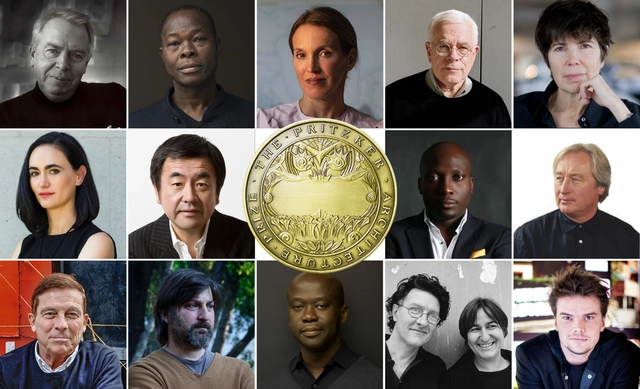
Some of the potential winners of Pritzker Prize 2021, according to our readers. Image
Since the winner(s) of the Pritzker Prize 2021 will be announced on Tuesday, March 16th, we have asked our readers who should win the most important award in the field of architecture.
Another year and another International Women’s Day. Although recently, the gender debate has taken considerable attention, the battle for equality is far from over. Even in the 21st century, architecture can still be a challenging profession for women. Progress is happening though, and in 2020, Yvonne Farrell and Shelley McNamara became the 4th and 5th women to receive the Pritzker prize, ever since its inception in 1979.
Not limiting our coverage to the 8th of March, ArchDaily recognizes every day the female force that is shaping the built environment around the world. In fact, Women in Architecture is one of the main pillars of our content strategy. This year, for International Women’s Day, ArchDaily has decided to feature a week of curated content, with exclusive interviews and thought-provoking editorials. Join us as we highlight women that deserve a seat at the table, and share tools to achieve an inclusive world.
JJ Carroll Redevelopment. Image Courtesy of MASS Design Group
More inclusive, equitable futures are grounded in how we design for justice and the human condition. Katie Swenson is a Senior Principal of international non-profit MASS Design Group, and she has spent her career building social equity and advocating environmental sustainability. At the heart of her work is a thread of collective optimism, a knack for bringing people together to create healthier communities that promote human dignity and joy.
In Her, a 2013 film directed by Spike Jonze, a lonely writer develops a love affair with the virtual assistant of an operating system. Brave New World, a book written in 1932 by the English author Aldous Huxley, fabricates a dystopian society whose cult of efficiency and rationality creates a humanity that ignores hardship and pain but also represses love and freedom. In Mary Shelley's 1818 book Frankenstein, considered the first science fiction novel, a life is artificially created, producing a monster with human characteristics: wills, wishes, and fears. Whether describing the fear of artificial intelligence, the uncertainty produced by industrialization, or the limits of science, science fiction works reveal less about the future and much more about the moment in which they were created; they speak of the fears and hopes of their own time.
When we explore urban visions of the past anticipating the future, it is common to find exaggerated and even funny predictions. As for the promises of architecture and, consequently, of our cities, it is not an easy task to predict future developments clearly either. By looking at industry trends and using all of our imaginations, could we tell what cities will be like in tens or hundreds of years? Their materials, their appearance, their way of building and thinking? Will it be a more pristine and minimalist future or a more organic and complex future? How will new technologies and building materials affect the shape, aesthetics, and prosperity of the cities of tomorrow?
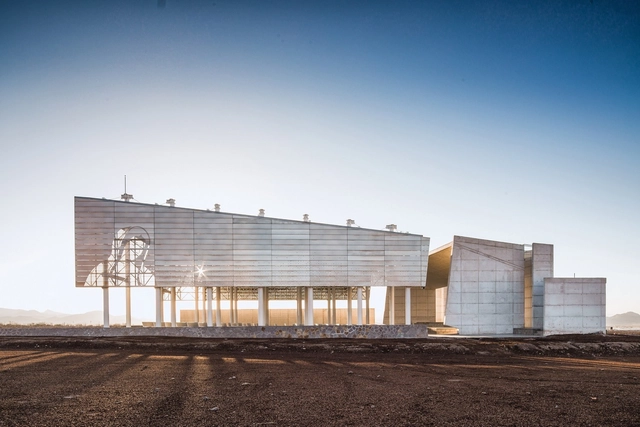
Chihuahua is a Mexican state in the northwest region of the country, sharing a border with Coahuila, Durango, Sinaloa, and Sonora as well as the US states of New Mexico and Texas. Chihuahua's largest urban center is Ciudad Juárez, an industrial hub situated on the U.S.- Mexico border right across from El Paso, Texas. Throughout the years, Juarez's economic landscape has been dominated by the maquilladora industry and, thanks to the crime wave between 2008-2012, it earned a spot on the list of the world's most violent cities.
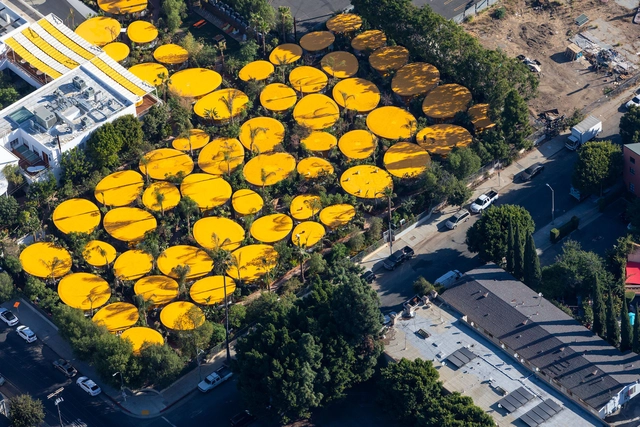
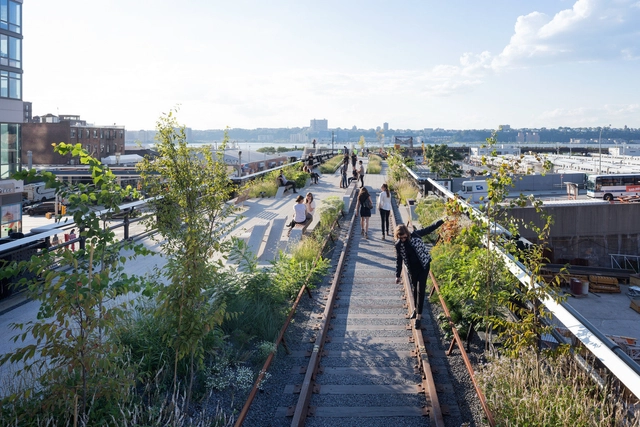
Understanding what drives economic, social, and educational disparities between communities is one of urbanism’s most critical and highly-discussed topics. It’s an increasingly complex issue, with many factors at play- one of them being the design and location of desirable urban green spaces. While sometimes they are a tool that helps to bolster underserved communities in terms of health and economic benefits, safety, and climate resistance, other times they can actually drive out the residents that they are created to serve. Now, the challenge lies in how to design these recreational sites to create better futures for all.
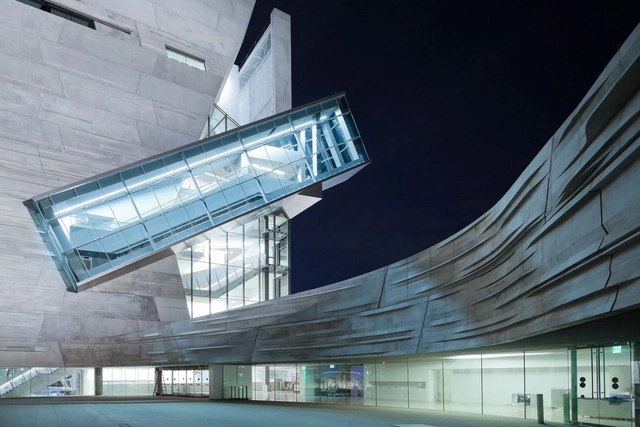
Dallas is home to a high concentration of structures by world-renowned architects. With some of the most iconic architecture per square mile of any American city, Dallas boasts designs by six Pritzker Prize Laureates, all within close distance to the up and coming Arts District. From Norman Foster’s Opera House to Thom Mayne’s Museum of Nature and Science, these projects are emblematic of a larger city-wide design culture.
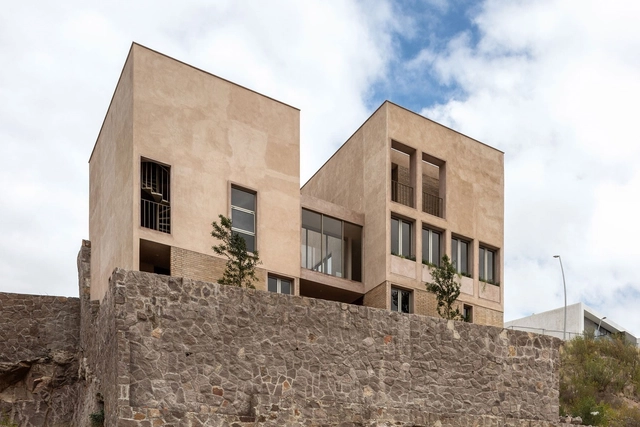
San Luis Potosí has become one of Mexico's busiest destinations for both national and international tourism. Thanks to a population boom throughout the state, Mexican architects have dedicated themselves to designing residential, cultural, and recreational buildings that highlight the region's architectural style and traditions. In this article, we present a few of these projects to illustrate a portion of Mexico's vibrant and varied architecture.
Sinaloa is a state located in the northwestern part of Mexico bordered by the states of Sonora, Chihuahua, Durango, Nayarit, and by the Gulf of California to the west. It consists of over 58200 km² of territory and is the agricultural hub of Mexico.
With over 280k followers on Wechat, a Chinese social media platform, ArchDaily has become the most influential architectural media across the Chinese community. Throughout 2020, more than 9.2million audiences has gained insights on the architectural news from all around the world via the official account named 建日筑闻(ADCNEWS). With restriction of buiding residential houses in China, the Chinese audience shows strong preference towards cultural architecture and urban renovation. As a review of the most popular projects we post in 2020, we've round up the 10 most shared projects on our Chinese platform in 2020.
https://www.archdaily.com/953865/the-10-most-shared-projects-in-at-adcnews-wechat-in-2020Milly Mo










.jpg?1617861414&format=webp&width=640&height=580)




.jpg?1616727166&format=webp&width=640&height=580)








.jpg?1606770388&format=webp&width=640&height=580)


.jpg?1606770388)
_B.jpg?1608618979&format=webp&width=640&height=580)