


-
Architects: TJAD
- Area: 9487 m²
- Year: 2020
-
Professionals: Central Academy of Fine Arts


During the next decade or so, our cities will expand at an inconceivable speed. According to the UN’s 2019 World Population Prospects, our planet by 2030 is expected to have 43 megacities —classified as those with more than 10 million inhabitants. Most megacities will be in developing countries. And by mid-century, almost 70 percent of the world’s population will be urbanised, with today’s rate at just over half. Moreover, 90 percent of the urban population growth is expected to happen in Africa and Asia.
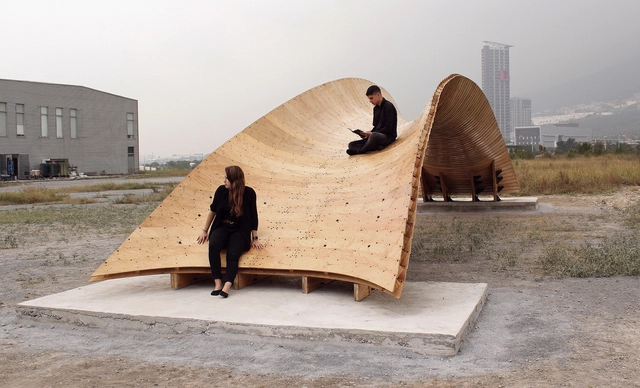
From its starting to point as a tree to its product form as a beam or piece of furniture, wood used in architecture and interior design goes through several stages and processes. A renewable resource and popular traditional building material, wood is also often cited as a promising construction material of the future, one that is suitable for the new demands of sustainability. But unlike concrete, whose molds can create even the most complex curves, wooden architecture most commonly uses straight beams and panels. In this article, we will cover some techniques that allow for the creation of curved pieces of wood at different scales, some of which are handmade and others of which seek to make the process more efficient and intelligent at a larger scale.
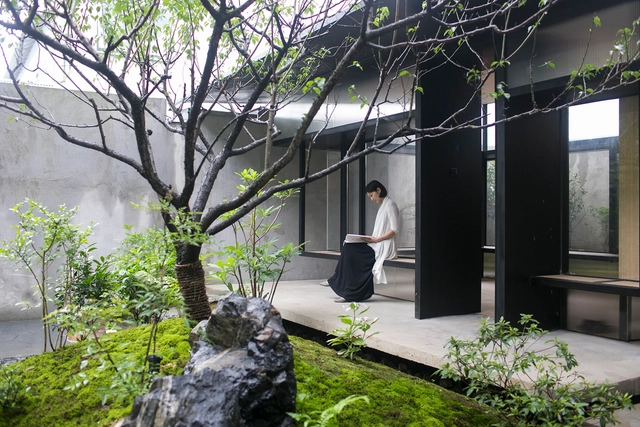
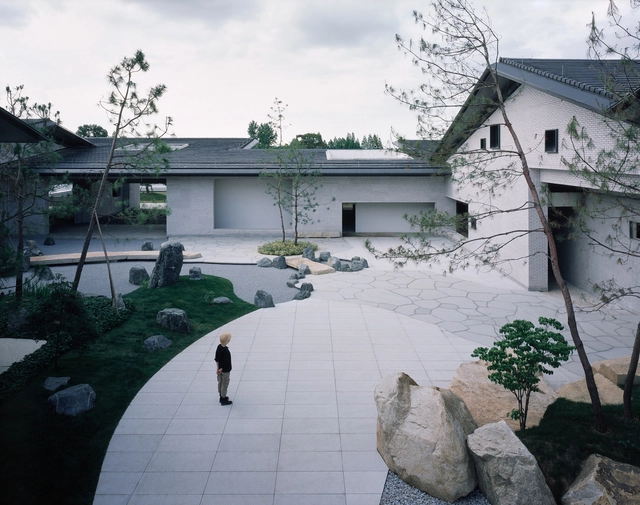
Chinese courtyard houses are one of the most common housing typologies spanning all the way from the northern capital of Beijing to the poetic southern cities Hangzhou and back to the picturesque regions of Yunnan. Typically referred as heyuan, these courtyards homes are simply a “yard enclosed on four sides."
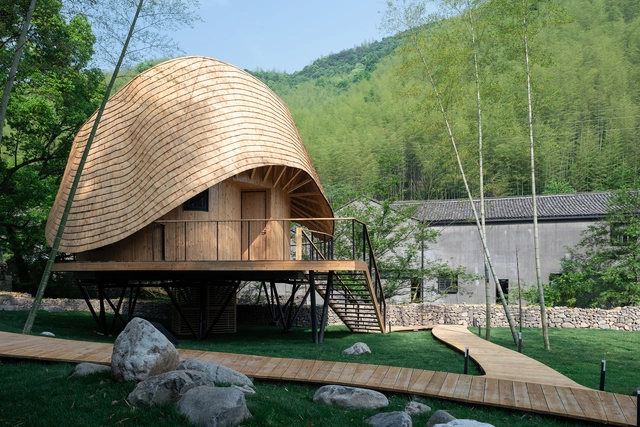
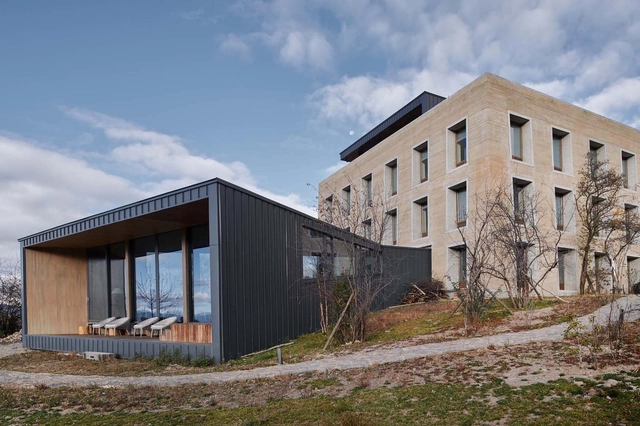
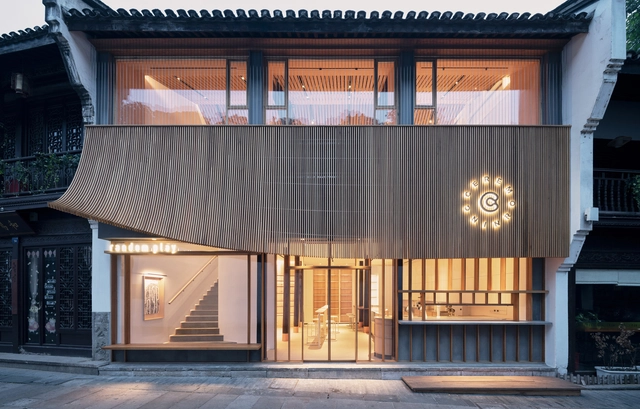

Following an exciting week of nominations, ArchDaily’s readers have evaluated over 800 projects and selected 10 finalists of the Building of the Year Award. Over 20,000 architects and enthusiasts participated in the nomination process, choosing projects that exemplify what it means to push architecture forward. These finalists are the buildings that have inspired ArchDaily readers the most.
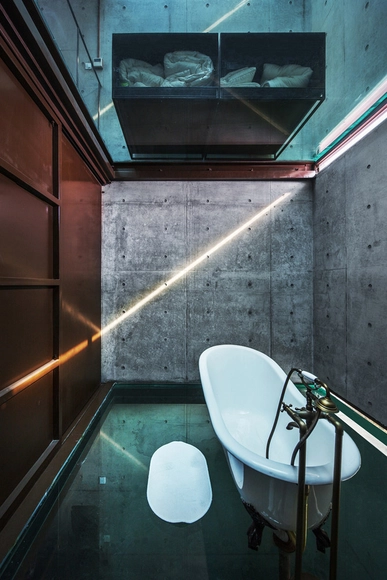
Since the beginning of modernism, countless architects have expressed their architectural theories and concepts through the design of residential interiors. In Vanna Venturi House, Venturi exaggerated the scale of internal components to create a counterbalance to the small house, expressing complexity and contradiction. In Villa Mairea, Alvar Aalto built an ‘imperfect’ home, as a way of rebelling against the strict aesthetic standards of functionalism.
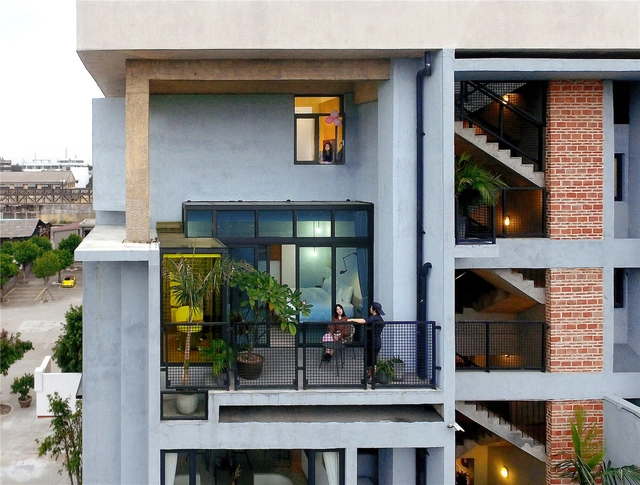
Conceptual and theoretical experimentation of housing interiors in China has had a delayed start due to political influences and differing pace of development. While the birth of communism lead to standardisation, rapid urbanisation and economic rebirth has provided the perfect catalyst for architects to challenge the status quo and conceptualise new definitions of interior and living.

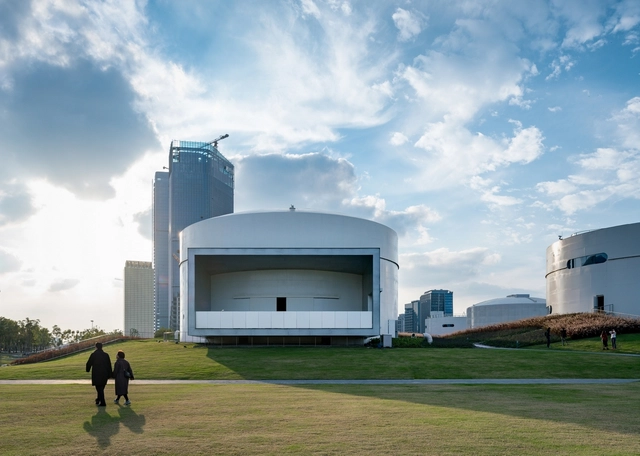

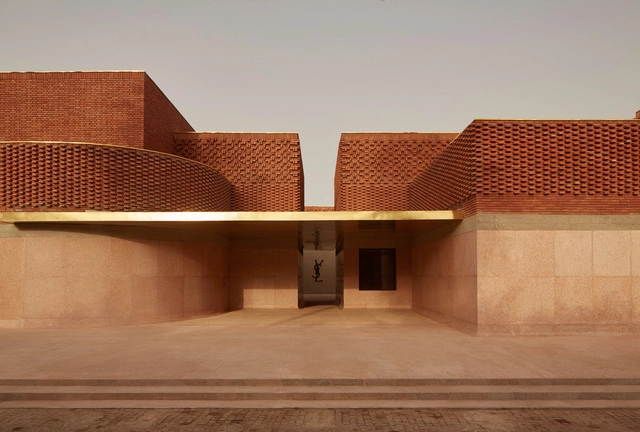
With a mission to provide tools and inspiration to improve the quality of life in our built environment, ArchDaily curators constantly track and share with our audience the best "built projects" in the world. In order to celebrate these achievements and thank our readers for actively participating in our community, we selected the 50 best architectural works published during 2019.
.jpg?1572349702&format=webp&width=640&height=580)
.jpg?1564063348&format=webp&width=640&height=580)


.jpg?1517237056&format=webp&width=230&height=230&crop=true)


.jpg?1585559019&format=webp&width=230&height=230&crop=true)


.jpg?1581344881&format=webp&width=640&height=580)
.jpg?1571746384&format=webp&width=230&height=230&crop=true)
.jpg?1571746504&format=webp&width=230&height=230&crop=true)
_shengliang.jpg?1571745876&format=webp&width=230&height=230&crop=true)
_shengliang.jpg?1571745834&format=webp&width=230&height=230&crop=true)
.jpg?1581344881)


.jpg?1572350108&format=webp&width=230&height=230&crop=true)
.jpg?1572349739&format=webp&width=230&height=230&crop=true)
.jpg?1572349535&format=webp&width=230&height=230&crop=true)
.jpg?1572349253&format=webp&width=230&height=230&crop=true)
.jpg?1572349702)
.jpg?1563797563&format=webp&width=230&height=230&crop=true)
.jpg?1563797419&format=webp&width=230&height=230&crop=true)
.jpg?1563797299&format=webp&width=230&height=230&crop=true)
.jpg?1563797738&format=webp&width=230&height=230&crop=true)
.jpg?1564063348)