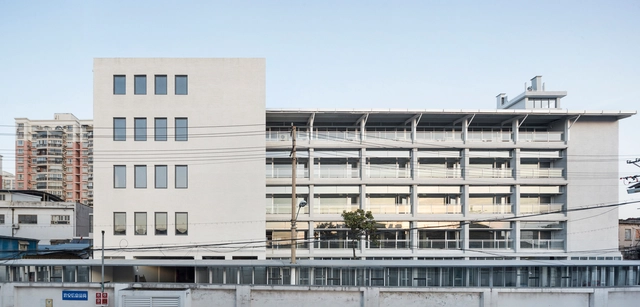


-
Architects: genarchitects
- Area: 8600 m²
- Year: 2015
-
Professionals: Chuangjian M&E



.jpg?1623322813&format=webp&width=640&height=580)
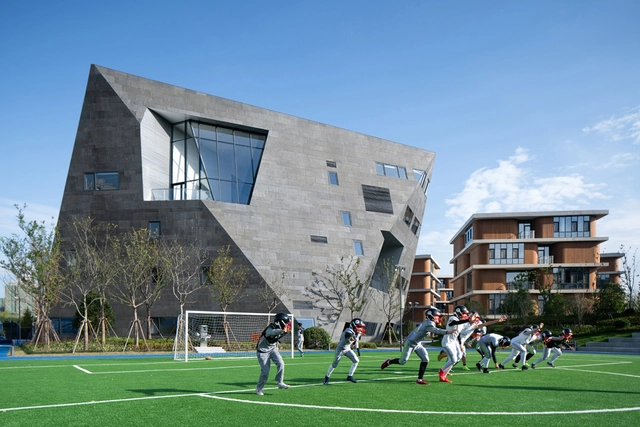
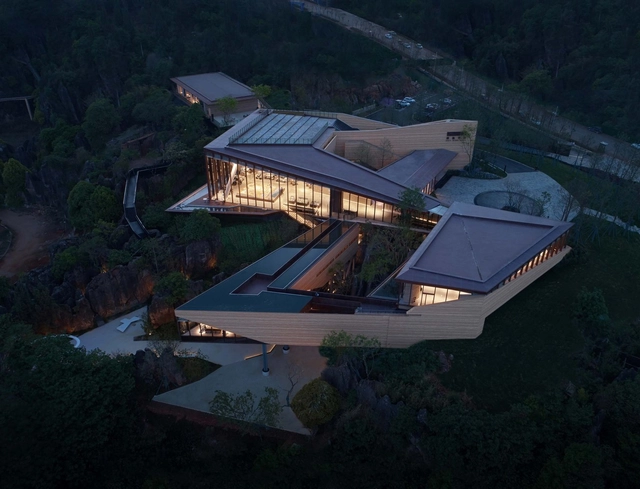
Ever since the period of the Renaissance in Europe, the indivisible relationship between art and architecture has long been heatedly discussed and vividly reflected in numerous classical books and buildings. With the deep connection that unites art and architecture together, designers, artists, and architects have been actively collaborating and came up with solutions on how we can house and exhibit art in the form of changing spaces.
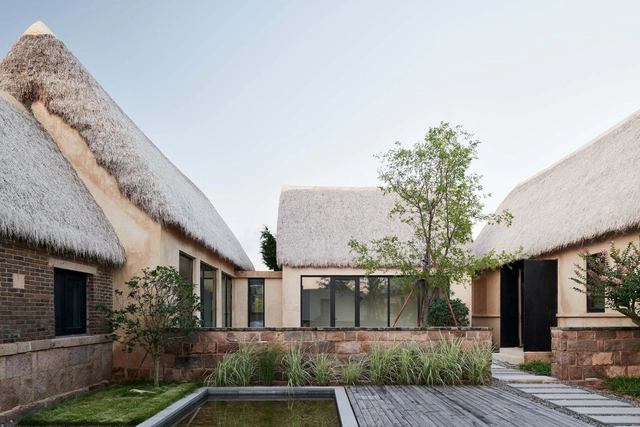

Architecture is shaped by its environment and natural forces. Inherently, the discipline focuses on the design of objects over systems, on formal morphology over networks or ecologies. However, no building exists outside its context; every structure is sited among ever-changing climates and cultural conditions. How designers respond and connect to these larger systems can radically change the nature and quality of their work. Often, it is the greatest constraints that produce novel solutions.
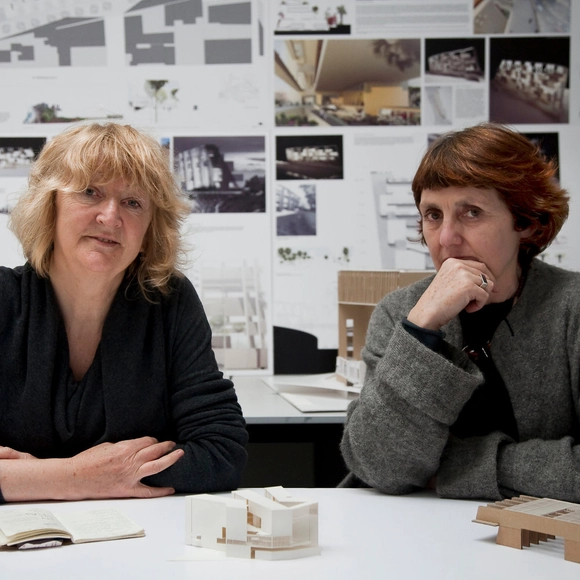
This year, architecture’s highest honor, the Pritzker Prize, has been granted to Grafton Architects, a Dublin-based architectural firm mainly ran by female partners Yvonne Farrell and Shelley McNamara. For the first time ever in its 42-year history, due to the constraints set by Covid-19 global pandemic, the organizers of the Pritzker Prize decided to use Livestream the award ceremony. Having reached the end of 2020, ArchDaily has summed up what current and previous Pritzker Prize winners have accomplished during this turbulent year.

.jpg?1606736464&format=webp&width=640&height=580)
.jpg?1574420868&format=webp&width=640&height=580)
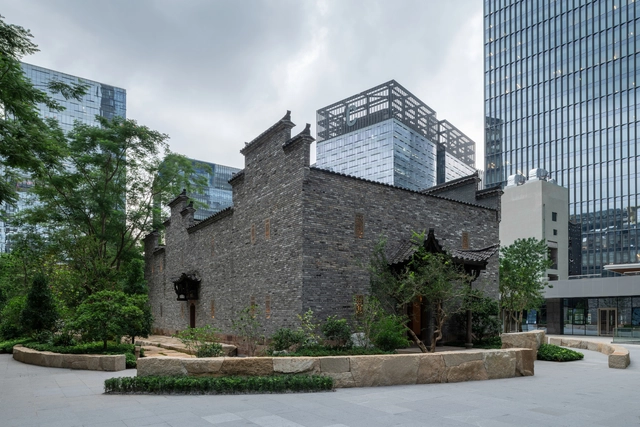
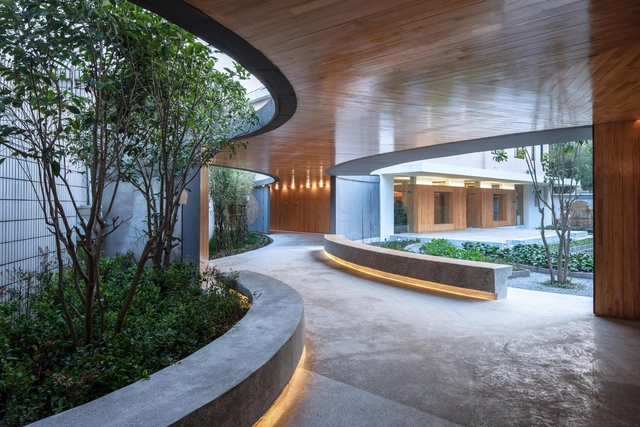
Tong Ming (b. 1968, Nanjing, China) received his bachelor’s (1990) and master’s (1993) degrees in architecture from Southeast University in Nanjing. In 1995, Tong moved to Shanghai to pursue his PhD in Urban Planning at Tongji University, which he obtained in 1999. He then worked at Suzhou Design Institute until establishing his own independent University-based practice, TM Studio in 2004. He also maintains another studio UNO, Urban Network Office space in West Bund specializing in organizing seminars, workshops, exhibitions, and lectures.


.jpg?1623322772&format=webp&width=230&height=230&crop=true)
.jpg?1623322852&format=webp&width=230&height=230&crop=true)
.jpg?1623322835&format=webp&width=230&height=230&crop=true)
.jpg?1623322771&format=webp&width=230&height=230&crop=true)
.jpg?1623322813)


.jpg?1620305786&format=webp&width=230&height=230&crop=true)

.jpg?1620305690&format=webp&width=230&height=230&crop=true)


.jpg?1611054966&format=webp&width=230&height=230&crop=true)
.jpg?1611055076&format=webp&width=230&height=230&crop=true)
.jpg?1611055113&format=webp&width=230&height=230&crop=true)
.jpg?1611054990&format=webp&width=230&height=230&crop=true)


.jpg?1607525233&format=webp&width=230&height=230&crop=true)
.jpg?1607525246&format=webp&width=230&height=230&crop=true)
.jpg?1607525256&format=webp&width=230&height=230&crop=true)
.jpg?1607525267&format=webp&width=230&height=230&crop=true)


.jpg?1606736464&format=webp&width=230&height=230&crop=true)

.jpg?1606736464)
.jpg?1574420833&format=webp&width=230&height=230&crop=true)
.jpg?1574420856&format=webp&width=230&height=230&crop=true)
.jpg?1574422088&format=webp&width=230&height=230&crop=true)
.jpg?1574420920&format=webp&width=230&height=230&crop=true)
.jpg?1574420868)


.jpg?1598893800&format=webp&width=230&height=230&crop=true)


