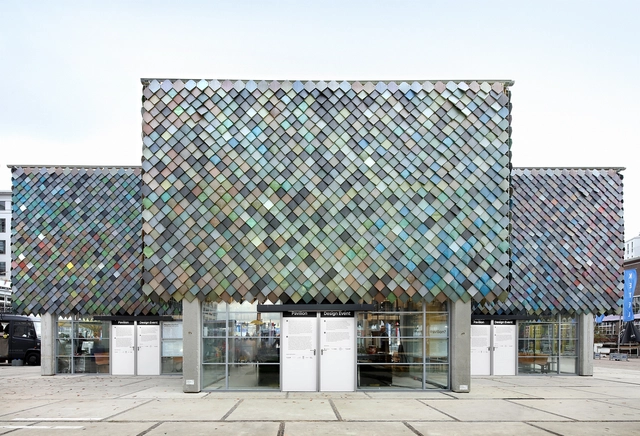
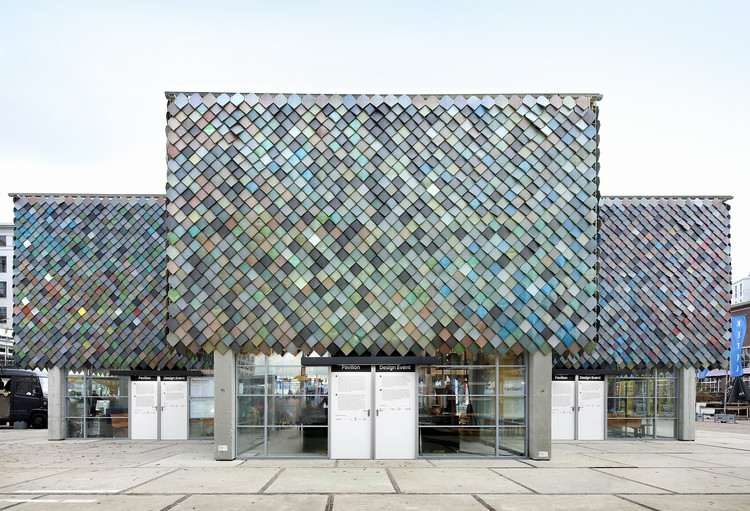
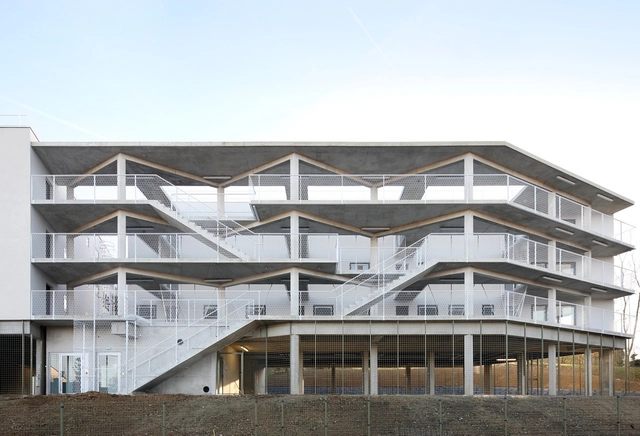
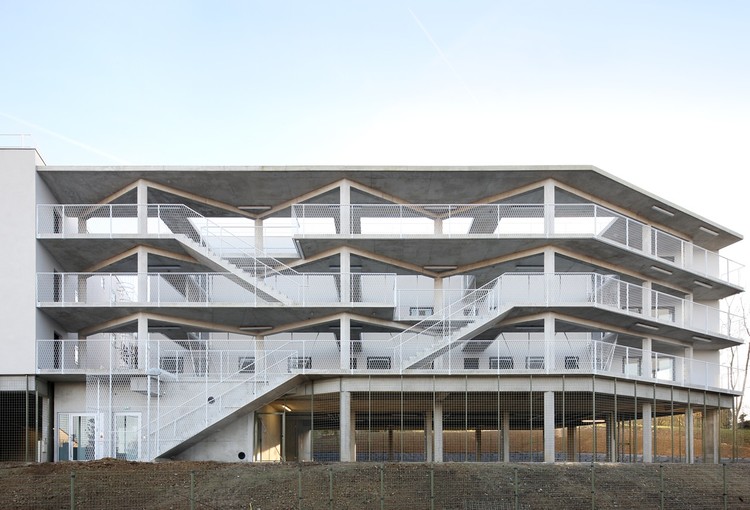
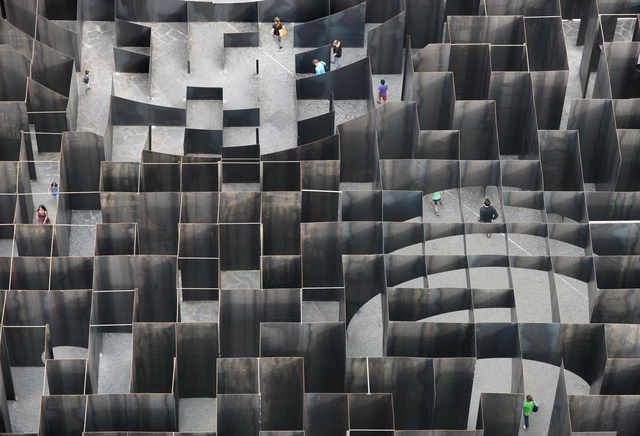
Architecture is defined by its permanence. While the discipline's most celebrated works are often those that were built to last, there's inherent beauty and value in an architecture of impermanence. Moving beyond conventional buildings and considering environmental and social impacts, temporary structures hold the potential to push the boundaries of architecture and the categorization of art.
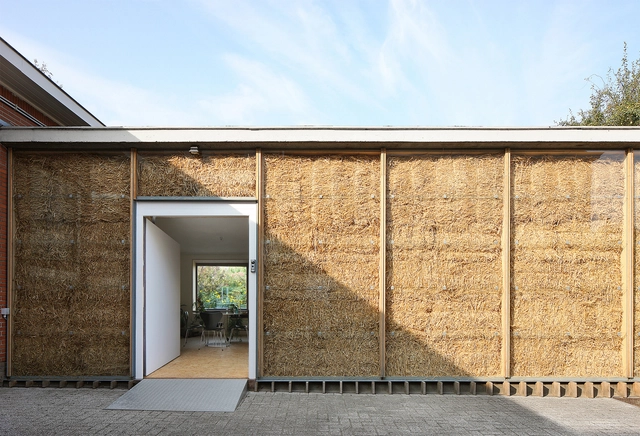
Despite a bad reputation in children's stories, straw buildings can be sustainable, comfortable, and, above all, solid and resistant. Several studies and experiments have been carried out with this agricultural waste substance, qualifying it as an potential material for the construction of walls, with good thermal, acoustic, and even structural characteristics. In addition, it is a renewable resource and easily constructed. Below, we'll talk about the characteristics of this material and how much more it would take than the breath of a big bad wolf to bring down a house made of straw.
Accessibility and mobility. When perceived through the architectural lens, these terms often evoke a range capped by two extremes. On the one end, the flexibility of circulation systems; the universality of egress networks; and the technicalities of minimums and maximums. On the other end, a project’s capacity to support broad ranges of socioeconomic narratives; its malleability in the face of rapid fluctuations of program and function; and its reactivity in maintaining a productive role amidst the ebbs and flows of societal dynamics.
The winner of the Wolf Prize in 2005 and the Pritzker of 2008, French architect Jean Nouvel has attempted to design each of his projects without any preconceived notions. The result is a variety of projects that, while strikingly different, always demonstrate a delicate play with light and shadow as well as a harmonious balance with their surroundings. It was this diverse approach that led the Pritzker Prize Jury in their citation to characterize Nouvel as primarily "courageous" in his "pursuit of new ideas and his challenge of accepted norms in order to stretch the boundaries of the field."
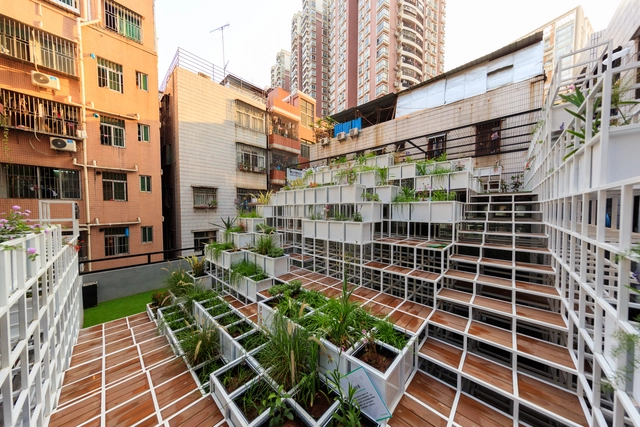
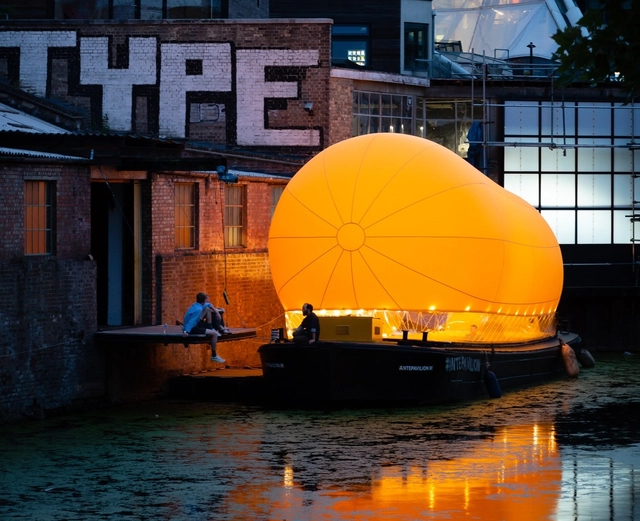
Normally the efforts of the construction industry are aimed to design permanent and durable spaces. However, on some occasions creating temporary spaces can be of great help, not only when providing fast assembly infrastructure after the effects of a natural disaster, but also when activating residual or abandoned spaces in our cities. To exemplify the potential of these interventions, we present thirteen successful temporary public spaces.
Past, Present, Future is an interview project by Itinerant Office, asking acclaimed architects to share their perspectives on the constantly evolving world of architecture. Each interview is split into three video segments: Past, Present, and Future, in which interviewees discuss their thoughts and experiences of architecture through each of those lenses. The first episode of the project featured 11 architects from Italy and the Netherlands and Episode II is comprised of interviews with 13 architects from Spain, Portugal, France, and Belgium.
As technology moves forward, so does architecture and construction. Architects, designers, and planners around the world now have infinite tools and resources to design and build the cities of today and the future. As promising as this may sound, new construction is also consuming our world’s limited resources faster than we can replenish them.
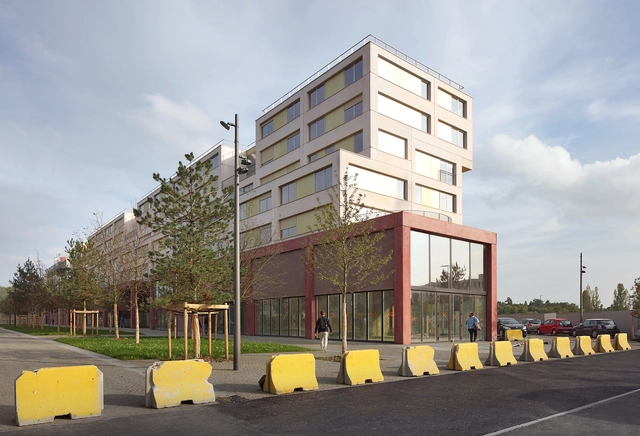
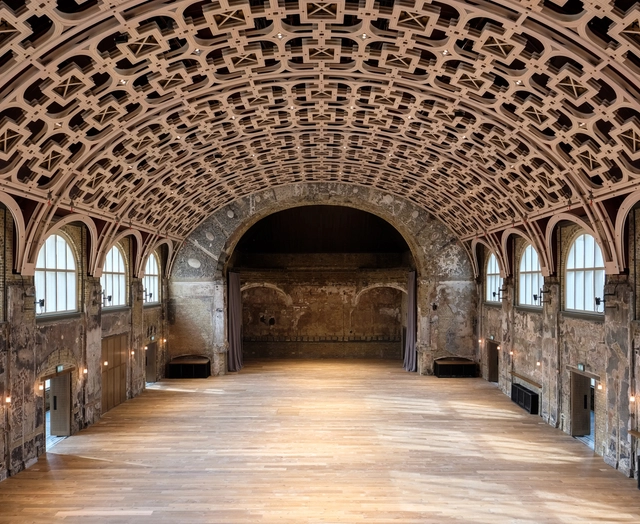
This situation leaves architects with an important responsibility: the rehabilitation and reuse of the existing built environment. This means using creative thinking and design to save and incorporate old or historic buildings that currently exist, in the present and future of our cities, by adapting them through creative and sensitive treatments.
It is expected that within the next couple of decades, Earth will have absolutely nothing left to offer whoever/whatever is capable of surviving on it. Although the human race is solely responsible for the damages done to the planet, a thin silver lining can still be seen if radical changes were to be done to the way we live on Earth and how we sustain it.
Since architects and designers carry a responsibility of building a substantial future, we have put together an A-Z list of every sustainability term that you might come across. Every week, a new set of letters will be published, helping you stay well-rounded on everything related to sustainable architecture and design. Here are the terms that start with letters A, B, and C.
Courtesy of Otherothers. ImageOtherothers' installation at the 2015 Chicago Biennial looked at the impact of the standard suburban Australian home. Their installation proposed a shrinkage of the typology's spatial impact
ArchDaily is happy to announce our Media Partnership with @Oslo Architecture Triennale 2019! Throughout 2019 we will be sharing stories, interviews, and content related to the Triennale, which this year revolves around the theme of Degrowth. The interview below introduces Degrowth in the context of practice today - and hints at how this radical idea could irreversibly change how we value architectural production.
The world faces some significant challenges. The UN climate change report, which explained that we may have just 12 years and need “unprecedented changes” to avoid devastating effects from climate change, was released into a world that seemed to be plenty busy processing other things, such as rising economic inequality, increasingly partisan politics, escalating conflicts, and refugee crises, to name a few.
This week we’ve selected the best chapels previously published on our site. They reveal different ways of designing a small and sacred space. For inspiration on how to create these atmospheres, integrate different materials, and make proper use of light, we present 32 remarkable examples.
Sometimes an architect’s best intentions get lost along the way. Sometimes they get value-engineered out; sometimes they were never really there to begin with. That's where Ugly Belgian Housescomes in. The blog, run by discerning Belgian Hannes Coudenys, documents some of his home country's architectural misadventures - all with a sense of humor, of course!
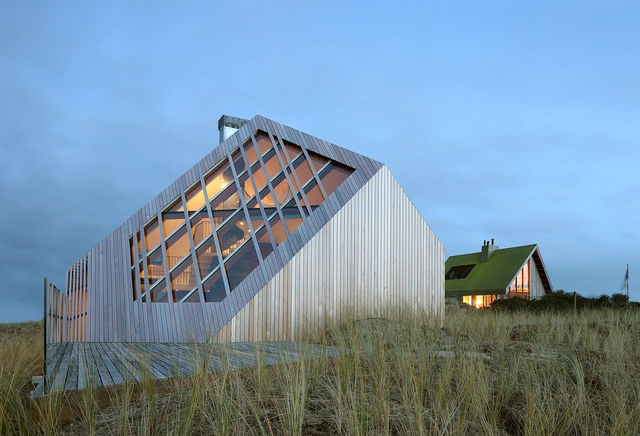
Today, to celebrate Belgium's National Day, we asked the man behind the blog to select some beautiful Belgian houses. His choices - with a few words from him and the architects - after the break.









CopyrightsMurrayFredericks.jpg?1439374362&format=webp&width=230&height=230&crop=true)