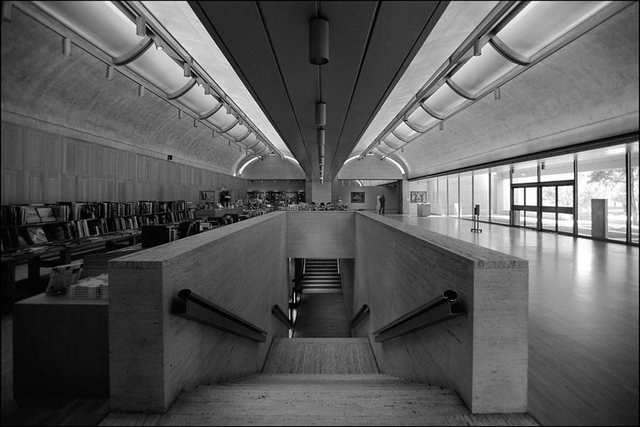
Kimbell Art Museum / Louis Kahn. Image Courtesy of Xavier de Jauréguiberry
AD Classics presents you with some of the greatest buildings of the past that have influenced and shaped architecture today. Throughout ArchDaily's 13 years, more than 200 classics were published, and for this edition, we have rounded up the top 20 most visited Architecture Classics to date.
While most cities around the world seek to implement more sustainable and environmentally friendly modes of transportation, encouraging new urban mobility habits in their residents, the use of automobiles still persists, occupying significant parking spaces in urban centers. Finding a way to integrate these uses, provide new spaces for their citizens, and leverage their facilities for ecological, productive, and other purposes is the challenge faced by many professionals in architecture and urban planning.
The international architecture and city festival Open House will take place in Madrid from September 21 to 24, 2023, inviting residents to visit and explore some of the capital's most iconic buildings. Extending beyond Madrid to open several spaces in San Lorenzo de El Escorial, this ninth edition will open the doors of over 120 buildings and studios, while also offering 13 outdoor routes and itineraries to discover Madrid's architecture.
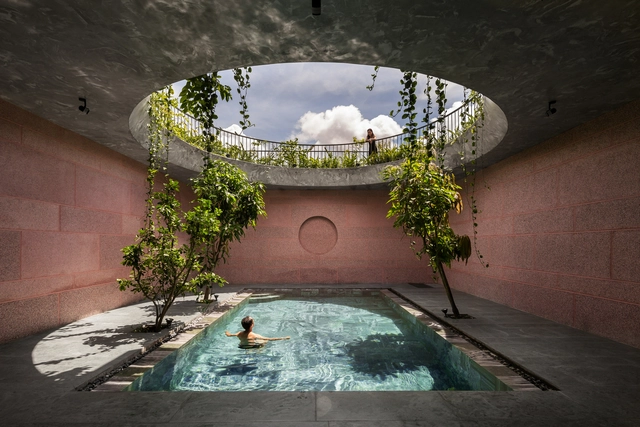
Designer pools bring status to luxury homes and five-star hospitality spaces. But adding the cooling, calming, energizing, and environmental benefits of a hyper-local water body to a residence can far outweigh the cost of installation. With a range of long- and short-term landscaping options possible, meanwhile, luxury is available, whatever the budget.
Most pools are built below ground to retain unobstructed visuals above. While all in-ground pools start off the same way – with excavation, then connecting the plumbing and filtration systems – the main difference is in the construction of the pool’s basin. The simplest and quickest method is to lower a pre-fabricated reinforced plastic pool or pre-cast concrete basin into the cavity, before connecting the pipework and backfilling the recess with sand. But this is only suitable for off-the-shelf pools with simple geometries. In order to make the most efficient use of all available space, bespoke pool shapes and sizes are best achieved by pouring or spraying concrete into a rebar or timber frame.
Within architecture, water evokes sentiments of calmness and wellbeing. The element has influenced design through its dynamic and fluid nature. With recent technological advances, architects have created some of the most strategic, innovative, and unexpected intersections of design and H2O.
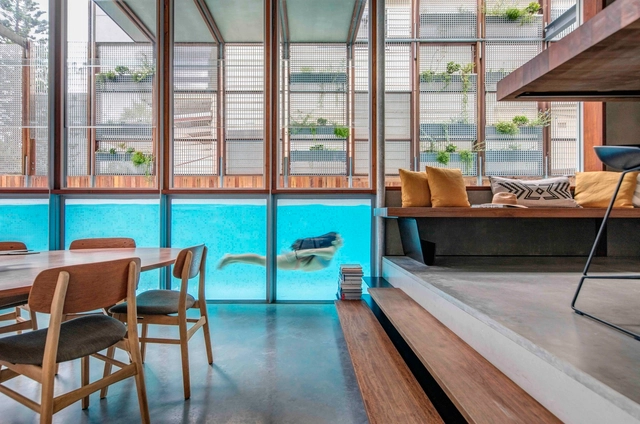
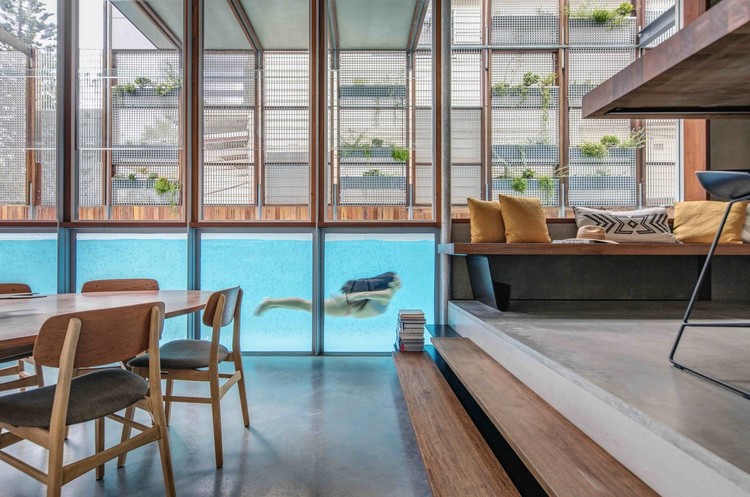
Below, we have provided a roundup of indoor pools that highlight the application of water in different spaces, showing its relationship to materiality and use.
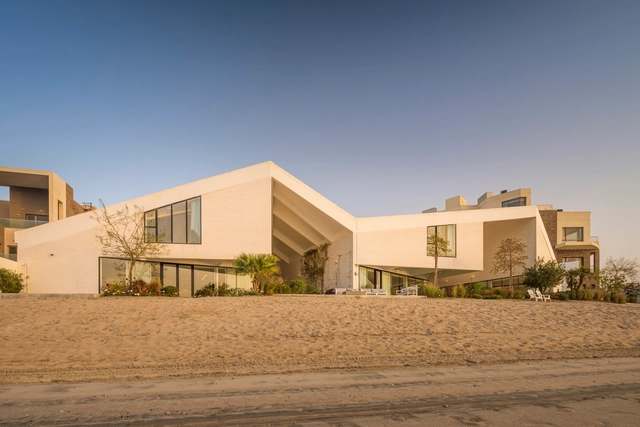
At first glance, building a pool right beside another body of water seems a little redundant. After all, why would someone choose to swim in a pool when they have a river or ocean to enjoy? However, for people with limited mobility and younger more inexperienced swimmers, natural bodies of water can prove both daunting and dangerous. Pools not only provide a controlled, secure space for them to enjoy aquatic activities, they also provide a connection with the surrounding landscape.
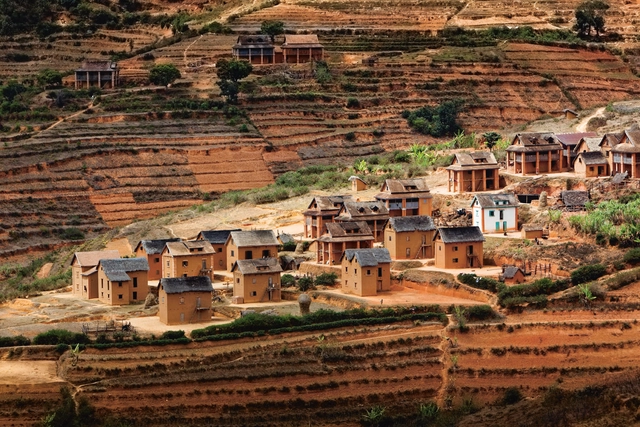
As the challenges posed by climate change increase in number and intensity, it also heightens the need to find sustainable building practices that connect to ecosystems and livelihoods rather than harm them. While often overlooked in the search for innovation, vernacular architecture can offer answers to contemporary issues. This type of architecture not only relies on readily available locally sourced materials but also on indigenous knowledge of local conditions like sun orientation, wind patterns, ventilation needs, and the behavior of materials in time. Dr. Sandra Piesik, director and architect of 3 ideas, and founder of HABITAT Coalition, explores this potential in her newest book, 'Habitat: Vernacular Architecture for a Changing Climate.'
No País dos Arquitectosis a podcast created by Sara Nunes, who is also responsible for the architectural film production company Building Pictures. The podcast aims to profile the professionals, projects, and stories behind contemporary Portuguese architecture of reference. With just over 10 million inhabitants, Portugal is a fascinating country when it comes to this professional field, and its architectural output punches far above its weight relative to its population or territorial scale.
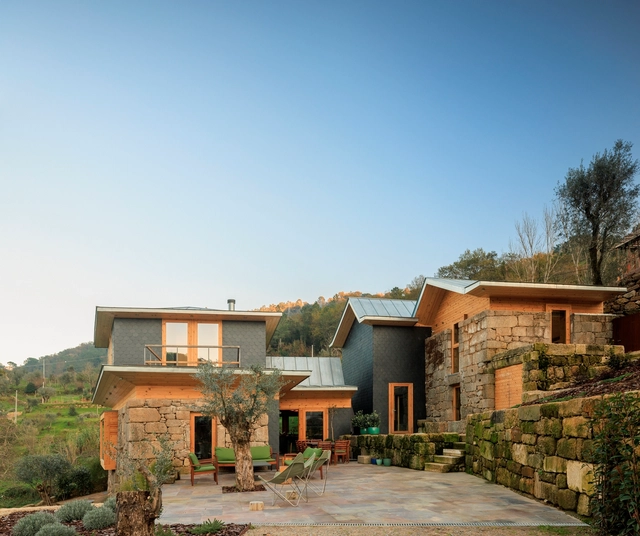
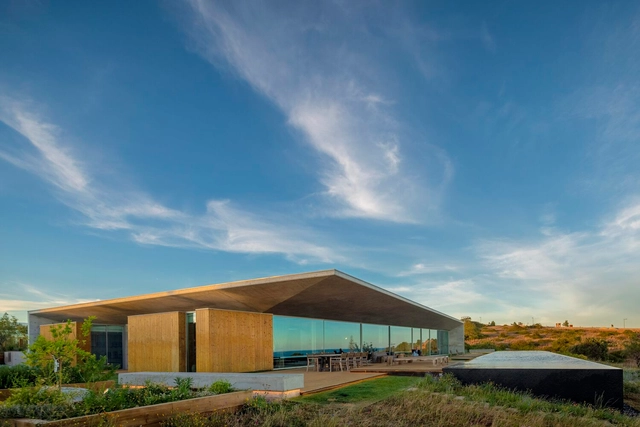
In this episode of the fifth season, Sara talks with architects Luís Tavares Pereira and Guiomar Rosa about the Mountain House in Gerês. Listen to the conversation and read part of the interview below.

.jpg?1570002957&format=webp&width=230&height=230&crop=true)