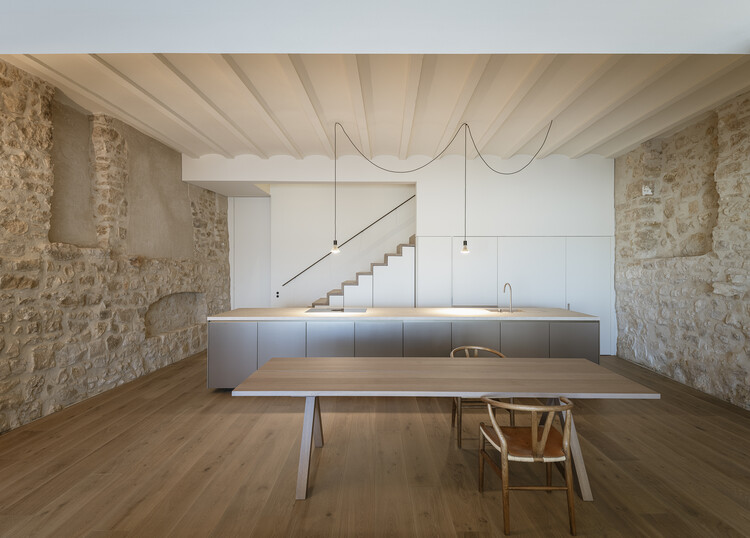
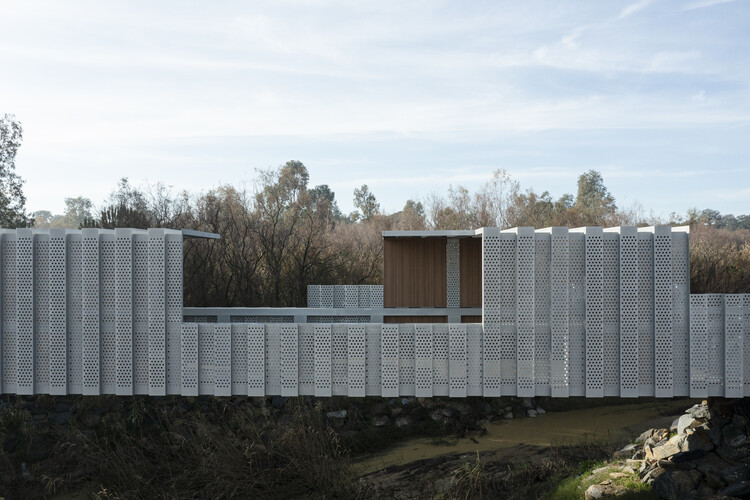
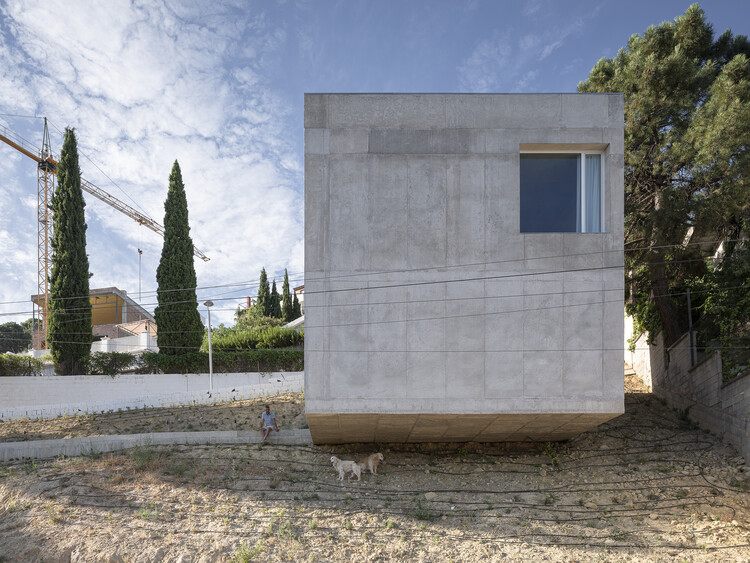
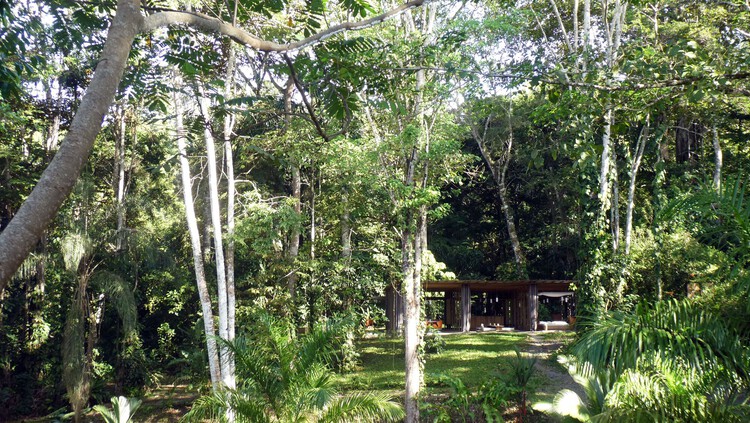
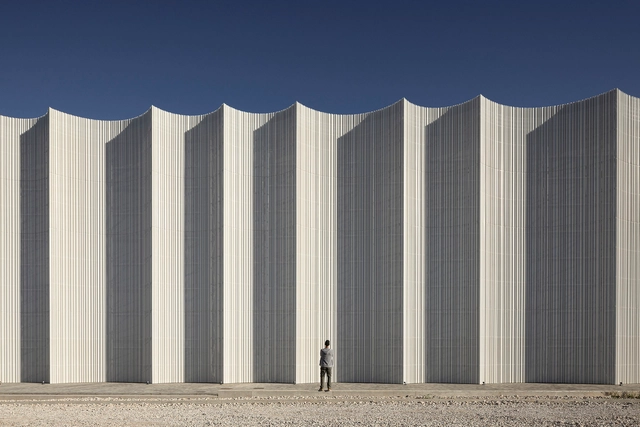
All architecture is grounded in the earth. This pliant, resilient raw material is the origin of extruded ceramic tiles—clay transformed from its natural state into an architectural solution without relinquishing any of its authenticity. Exagres' work is rooted in this natural material, carefully transforming the clay with skillful precision and guiding it on this journey rather than forcing it.
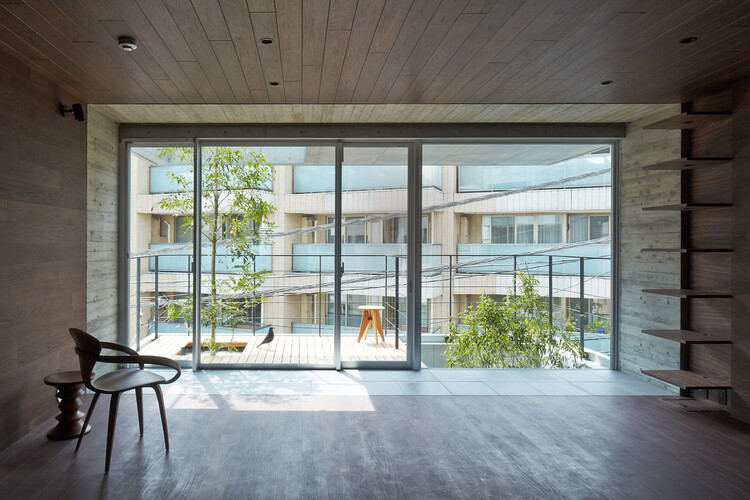
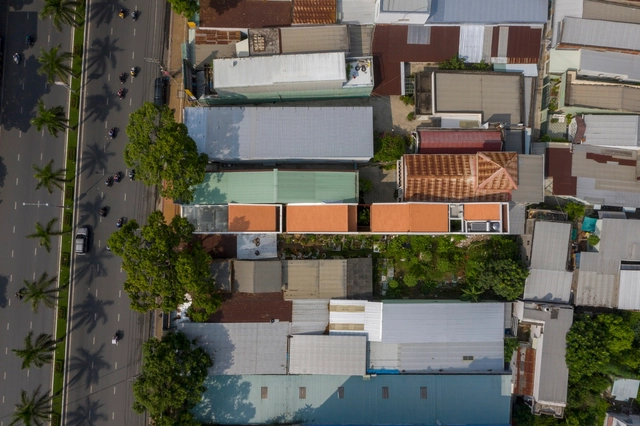
Balcony House / Ryo Matsui Architects. Image Courtesy of Ryo Matsui Architects Inc
We walk on "flat" ground every day and rarely think twice—but how flat is it, really? In the city, curbs are chamfered, sidewalks pitch toward grates, and roadways are crowned to shed water into shallow gutters. In suburbs and on unpaved paths, irregular terrain is the norm. Inside buildings, by contrast, we pursue near-perfect horizontality—structural frames, slabs, and finishes are all disciplined to create level walking surfaces in the name of safety and accessibility. Yet flatness is inherently at odds with water. A closer look reveals a quiet repertoire of accommodations: slight falls at entries, thresholds raised a few millimeters, wet areas with barely perceptible pitches. The floor is read as flat, but it is in fact carefully tuned—micro-topographies masquerading as plane—to manage water without calling attention to themselves.
What are the common ways architects "keep things flat" while actually managing water—the perennial enemy of buildings? A useful way to look at it is by zooming into three recurring conditions: exterior or roof decking, bathrooms and other wet rooms, and exterior ground planes. Each relies on a slightly different toolkit—pedestal systems over sloped waterproofing, micro-gradients to floor traps, hidden perimeter drains, split slopes—to maintain the illusion of a seamless, level surface. Studying these situations side by side reveals just how much design effort goes into reconciling perceptual flatness with the messy reality.
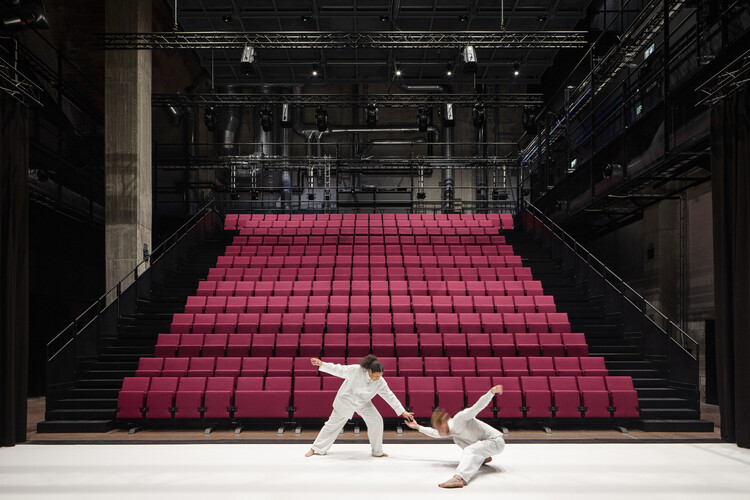
"Dance, dance… otherwise we are lost." This oft-cited phrase by Pina Bausch encapsulates not only the urgency of movement, but its capacity to reveal space itself. In her choreographies, space is never a neutral backdrop, it becomes a partner, an obstacle, a memory. Floors tilt, chairs accumulate, walls oppress or liberate. These are architectural conditions, staged and contested through the body. What Bausch exposes — and what architecture often forgets — is that space is not simply built, it is performed. Her work invites architects to think not only in terms of materials and forms, but of gestures, relations, and rhythms. It suggests that architecture, like dance, is ultimately about how we inhabit, structure, and emotionally charge the spaces we move through.
Historically, architecture and dance have operated in parallel, shaping human experience through the body's orientation in space and time. From the choreographed rituals of classical temples to the axial logics of Baroque palaces, built space has always implied movement. The Bauhaus took this further, as Oskar Schlemmer's Triadic Ballet visualized space as a geometric extension of the body. This was not scenery, but spatial thinking made kinetic. In the 20th century, choreographers like William Forsythe and Anne Teresa De Keersmaeker integrated architectural constraints into their scores, while architects such as Steven Holl, Diller Scofidio + Renfro, and Toyo Ito designed buildings that unfold as spatial sequences, inviting movement, drift, and delay.
Behind facades lie vibrant lives, where the exterior melds with the interior, transforming neglected urban spaces into captivating residences. In cities around the world, architects, engineers and designers face the challenge of integrating new buildings into existing urban landscapes with limited space. Many architects are now embracing this concept, expanding their designs beyond conventional boundaries and transforming small city lots into layered and interconnected living spaces.
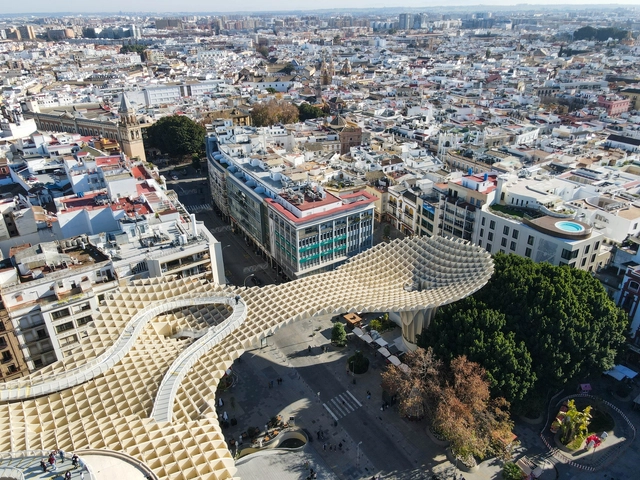
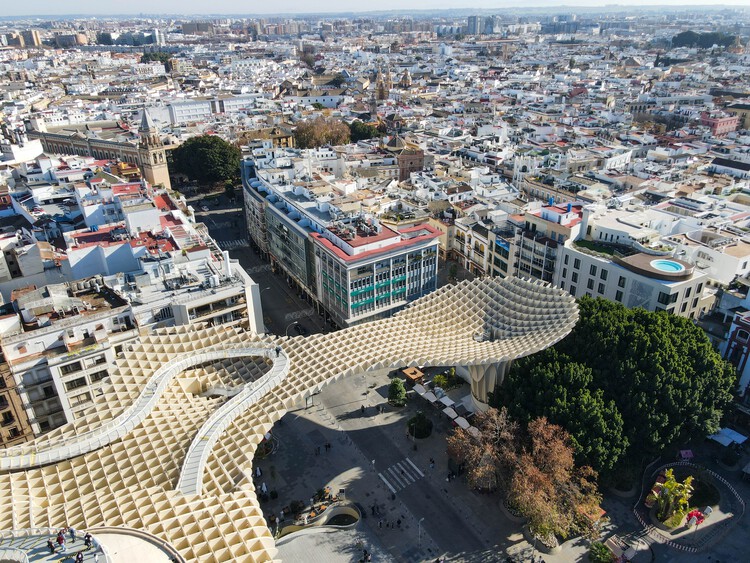
Located in southern Spain, Seville unfolds as a layered city shaped by centuries of cultural intersections. As the former capital of Al-Andalus and a central port during the Spanish Empire's expansion, its built environment reflects a deep historical complexity. From Roman foundations to Islamic geometries, from Renaissance palaces to contemporary interventions, Seville presents a unique spatial narrative in which architecture directly reflects its political, religious, and social transformations.
The city's architectural heritage is inseparable from its climate and geography. Narrow shaded streets, inner courtyards, and water as spatial elements reveal a deep knowledge of environmental adaptation that still informs how public and private spaces are articulated today. While monumental landmarks such as the Alcázar, the Giralda, or the Cathedral preserve and reinterpret historic legacies, modern projects have begun introducing new materials, programs, and spatial typologies, challenging conventional forms and proposing alternative ways to inhabit the city.
Aerial view of Beta Building in Honduras. Image Courtesy of Taller ACÁ
Understanding the temperature gradient in a building is essential in cold or temperate climates, where airtight enclosures and continuous insulation are used to prevent heat loss. However, this approach is not suitable for tropical areas like Central America, where the climate is marked by a consistent alternation between wet and dry seasons rather than four distinct ones. Factors such as proximity to the sea, elevation, and local topography influence microclimates across short distances, but high humidity remains a common challenge. Sealed, airtight walls with no ventilation can quickly become breeding grounds for mold, making the thermal strategies of temperate climates problematic. In response, local designers have developed alternative approaches that embrace, rather than resist, the outdoor environment, allowing airflow and evaporation to manage interior comfort.
Architecture has always played a key role in providing shelter and protection for human beings. In prehistoric times, we sought refuge in caves, taking advantage of rock structures for protection against the natural elements and predators. Over time, shelters began to be made from materials found in nature, such as branches, leaves, and animal skins, evolving into more permanent and complex homes, with walls made of stone, bricks or wood, roofs to protect against rain and sun, and doors to control access. As we developed more advanced building skills, we used materials such as wood, stone, and clay and architecture evolved significantly, with the construction of temples, palaces, and fortifications that provided not only shelter but also symbolized power, status, and cultural identity. Even so, our buildings can continue to be seen as shells that protect us from the outside world.
From the massive stones of Greek temples to glazed skyscrapers, we work with a range of possibilities and thicknesses to separate what we consider internal and external. This article seeks to explore this diversity of thicknesses in architecture, from simple materials to complex construction techniques, highlighting how this variation not only provides protection but also influences our perception and interaction with the built environment.
https://www.archdaily.com/1014920/from-thin-veils-to-thick-barriers-exploring-different-widths-in-architectural-envelopesJosé Tomás Franco and Eduardo Souza
Shortly before the First World War, Harry Brearley (1871-1948), who had been working as a metalworker since he was 12 years old, developed the first stainless steel. Seeking to solve the problem of wear on the inner walls of British army weapons, he ended up obtaining a corrosion resistant metal alloy, and added chrome to the cast iron. The invention found applications in almost all industrial sectors including for the production of cutlery, health equipment, kitchens, automotive parts, and more, replacing traditional materials such as carbon steel, copper, and even aluminum. In civil construction, this was no different, and stainless steel was soon incorporated into buildings.
For architects, schools are often complex structures to design. They must provide a variety of spaces for education, and also consider sports and recreational activities. But beyond its size or surface, the greatest challenge is to design an area that fosters a positive pedagogical environment for children. Below, a selection of +70 school projects with their drawings to inspire your proposals for learning campuses.