

-
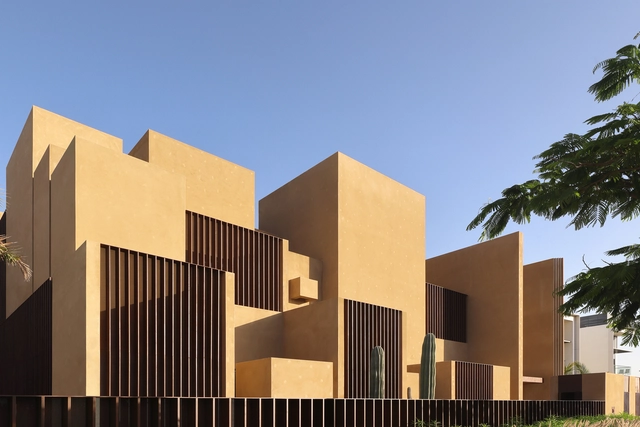
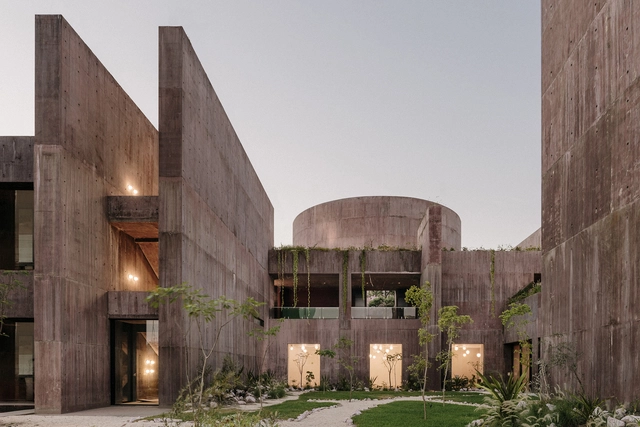
Architects: Studio VDGA
- Area: 4000 m²
- Year: 2023
-
Manufacturers: Dornbracht, Lutron, Duravit, Facade Solutions, Stonex India, +1


The first award winners of the 2025 World Architecture Festival (WAF) have been announced, following Day One of the world's largest international live-judged architectural event, held at the Miami Beach Convention Center in Florida.
In total, the three-day festival will see over 460 live pitches from the 2025 finalists in front of over 160 international judges. Today has seen shortlisted projects from around the world compete for 22 award categories within Completed Buildings, Future Projects, and Interiors. Award winners include WOW Architects, BIG-Bjarke Ingels Group, Batlleiroig, and Perkins&Will.
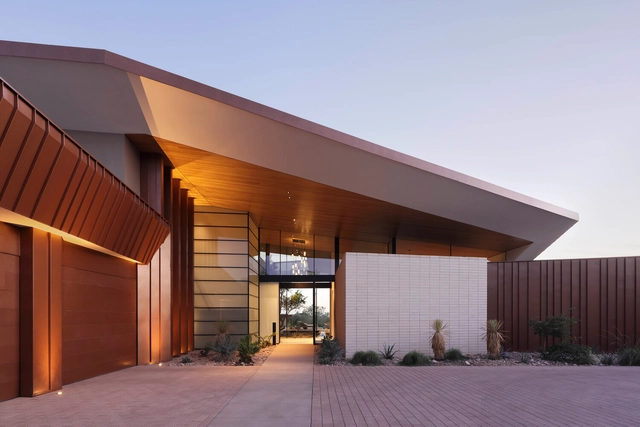
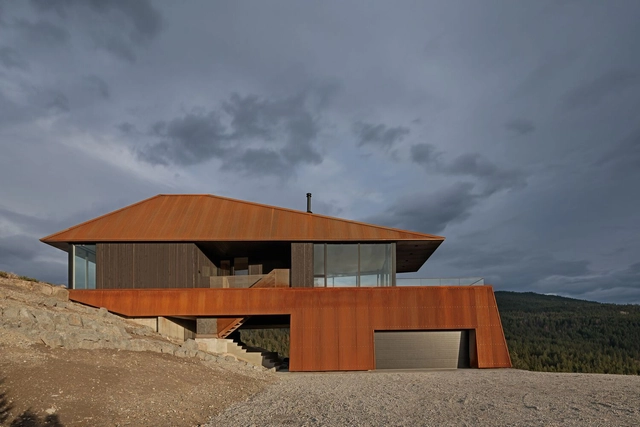
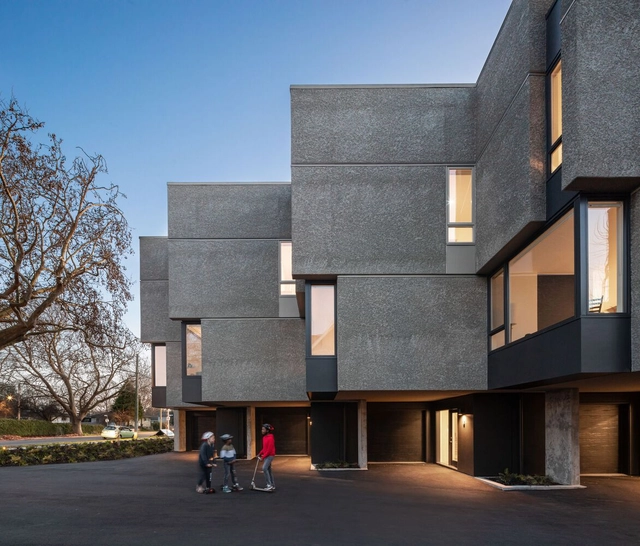
The Mies Crown Hall Americas Prize (MCHAP) at the College of Architecture at Illinois Institute of Technology has announced the shortlist of 53 Outstanding projects. The 5th cycle of awards celebrates built works completed in North, Central, and South America in 2022 and 2023, striving to bring visibility to those projects that best address the demands of our time and work towards building resilient communities.

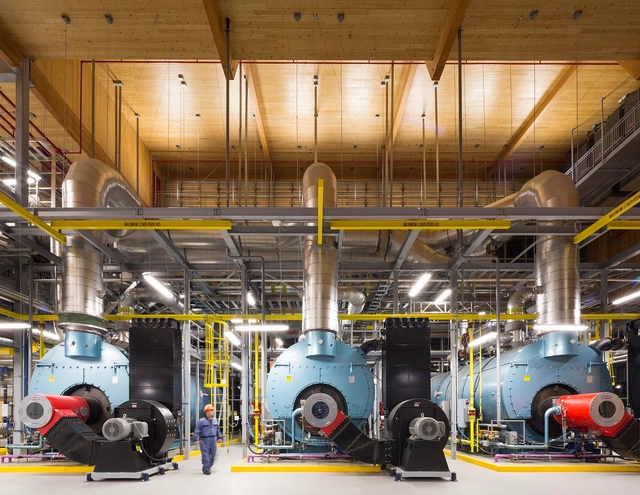
Industrial buildings are perhaps the ultimate exemplification of Louis Sullivan's famous adage: form follows function. They are typically functional, efficient, fast to build, and unornamented. Consequently, studying the industrial heritage of cities and countries allows us to understand the materials, technologies, and local construction traditions of each era, while reflecting on the industrial past. This quickly brings to mind England's red-brick factories, as well as the skylights used to flood production floors with natural light, among many other typical solutions. Today, steel frames and precast concrete structures are the most widely used due to their combination of construction efficiency, cost-effectiveness, and capacity for large spans. Typically, these industrial warehouses are also characterized by being extremely cold and impersonal, in addition to carrying a substantial carbon footprint. However, Canada's experience in recent years stands out. In this country, timber buildings for industrial programs are gaining increasing acceptance.
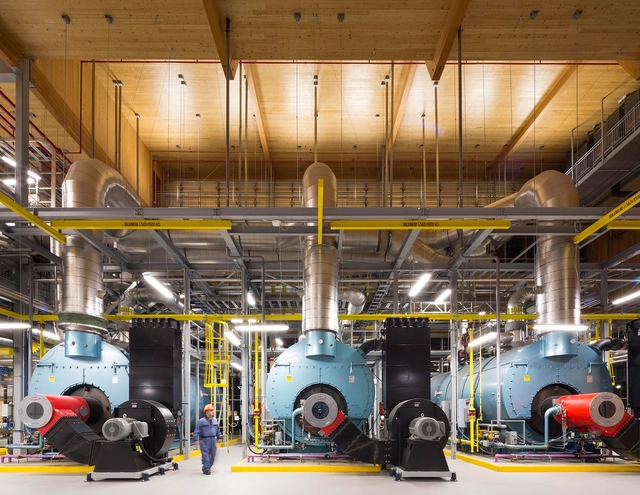
Industrial buildings are among the best examples of Louis Sullivan's famous phrase "form follows function." Generally, they are functional, efficient buildings, quick to build and unornamented. That is why, when we study the industrial heritage of different cities and countries, we are able to understand local materials, technologies, and traditional construction methods of the time. England's red brick factories come to mind, as well as the roof lanterns used to provide natural light to factories and other typical construction elements. Metallic and precast concrete structures are currently the most commonly used due to a combination of construction efficiency, cost, the possibility of expansive spans, and the unawareness of the benefits of other materials, such as wood. Often, these industrial warehouses are also characterized by being cold and impersonal, in addition to having a considerable carbon footprint. But Canada's experience in recent years is noteworthy, where there have been an increasing number of wooden buildings constructed for industrial programs.