


-
Architects: Magaldi Studio
- Area: 1250 m²
- Year: 2019
-
Manufacturers: AutoDesk, GRAPHISOFT, Cantera Acatlan, Fiat Lux, Grupo Arca, +4
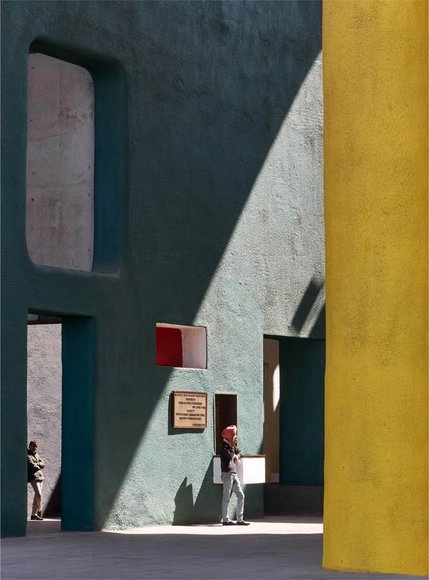
During the COVID-19 pandemic, due to the lack of exhibitions and commissions, artists around the world started to struggle. The Artist Support Pledge, an initiative born in March of 2020 in response to this global crisis, seeks to support creative individuals, including architectural photographers. Founded by artist Matthew Burrows, the global movement connects communities in order to ensure “an equitable and sustainable economy for artists and makers of all countries, media, and ethnicities”.
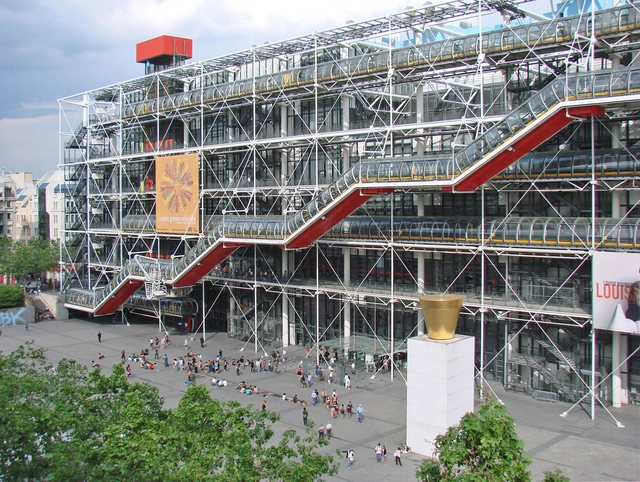
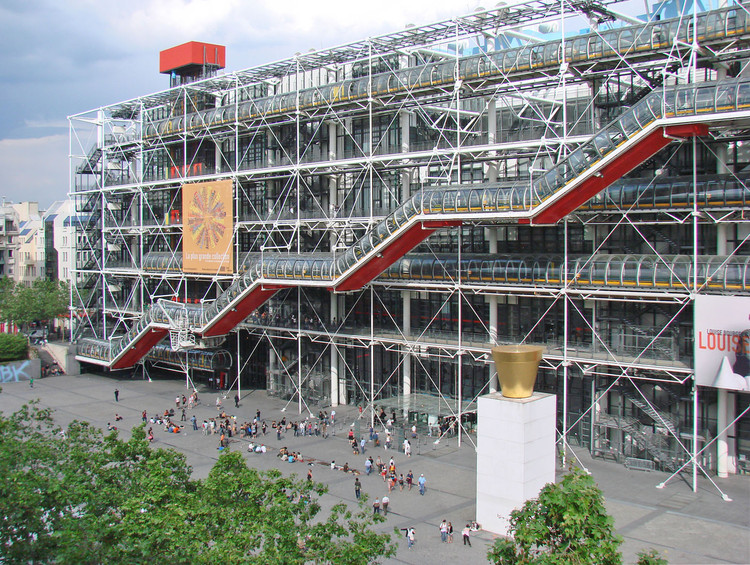
As one of the leading architects of the British High-Tech movement, Pritzker Prize-winner Richard Rogers stands out as one of the most innovative and distinctive architects of a generation. Rogers made his name in the 1970s and '80s, with buildings such as the Centre Georges Pompidou in Paris and the Headquarters for Lloyd's Bank in London. To this day his work plays with similar motifs, utilizing bright colors and structural elements to create a style that is recognizable, yet also highly adaptable.
.jpg?1513056991&format=webp&width=640&height=580)
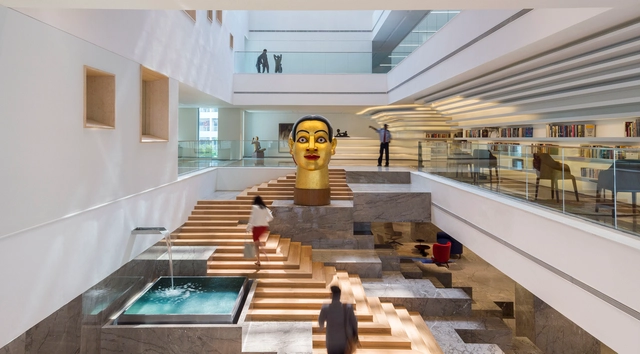
We spoke with Beat Guhl, CEO of Sky-Frame, during the Swiss Bau fair – one of the largest events in the materials industry. Sky-Frame produces frameless sliding window systems; vital components to achieve an effective and efficient transparency in architectural projects. The company is constantly pushing for technical innovation and works closely with architects to help achieve fluid spatial concepts.
.jpg?1590050661&format=webp&width=640&height=580)

Throughout the last 12 months, the architectural community has responded in various ways to the Climate Emergency. From innovative proposals that tackle the sustainable design of healthy cities, to collective political action and lobbying, 2019 saw a continued mobilization of ideas, opinions, and actions on how architecture can be used as a tool to help the planet.
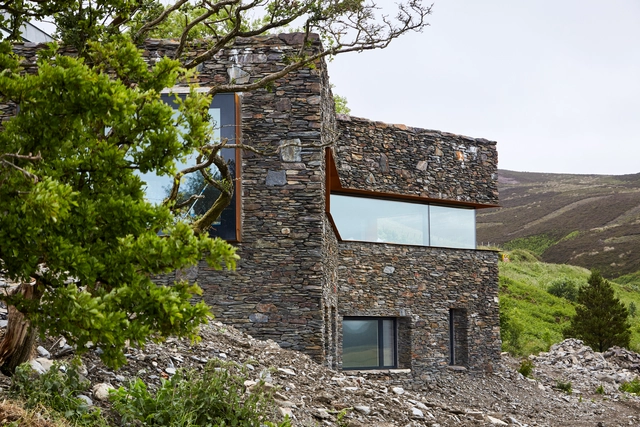

-0009.jpg?1571809340&format=webp&width=640&height=580)
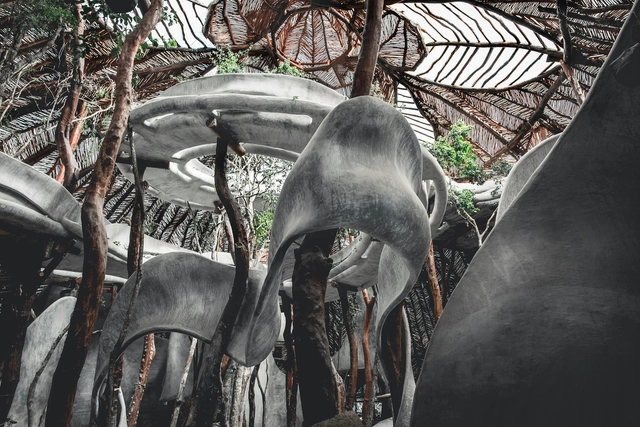
Concrete, a material commonly used in the construction industry, is made of a binder combined with aggregates (or gravels), water, and certain additives. Its origins reach back as far as Ancient Egypt, when the construction of large structures created the need for a new kind of material: one which was liquid, featured properties of natural stones, could be molded, and communicated a sense of nobility and grandeur.
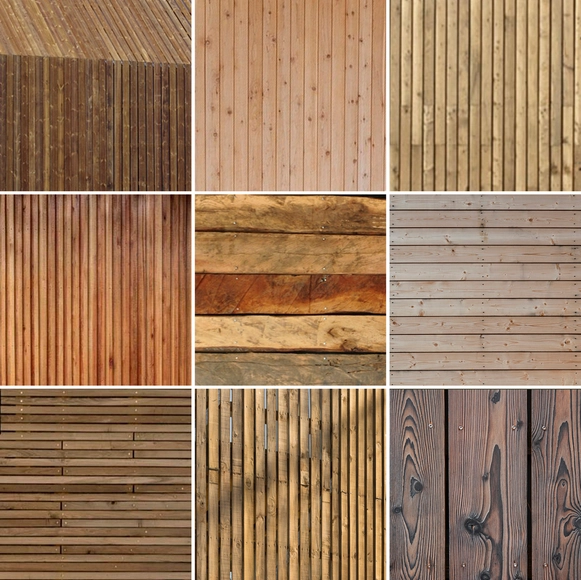
Over the course of history the unique characteristics of wood, which are dependent upon the species of the tree and the location in which it has grown, have enabled humanity to flourish in all parts of the globe. The architectural details of wooden construction therefore show a great diversity of meetings and joints, showing not only a project's constructive and structural logic, but also embodying the value and complexity of each project.
Take a look at these 50 construction details of projects that stand out for their clever use of wood.




.jpg?1513056962&format=webp&width=230&height=230&crop=true)

.jpg?1513056537&format=webp&width=230&height=230&crop=true)
.jpg?1513056593&format=webp&width=230&height=230&crop=true)
.jpg?1513056991)


.jpg?1590050841&format=webp&width=230&height=230&crop=true)
.jpg?1590052163&format=webp&width=230&height=230&crop=true)
.jpg?1590052266&format=webp&width=230&height=230&crop=true)
.jpg?1590050711&format=webp&width=230&height=230&crop=true)
.jpg?1590050661)


-0028.jpg?1571808786&format=webp&width=230&height=230&crop=true)
-0032.jpg?1571808995&format=webp&width=230&height=230&crop=true)
-0015.jpg?1571808108&format=webp&width=230&height=230&crop=true)
-0035.jpg?1571809149&format=webp&width=230&height=230&crop=true)
-0009.jpg?1571809340)


-0009.jpg?1561650554&format=webp&width=640&height=580)

-0015.jpg?1561650871&format=webp&width=230&height=230&crop=true)

-0011.jpg?1561650920&format=webp&width=230&height=230&crop=true)
-0009.jpg?1561650554)


