


-
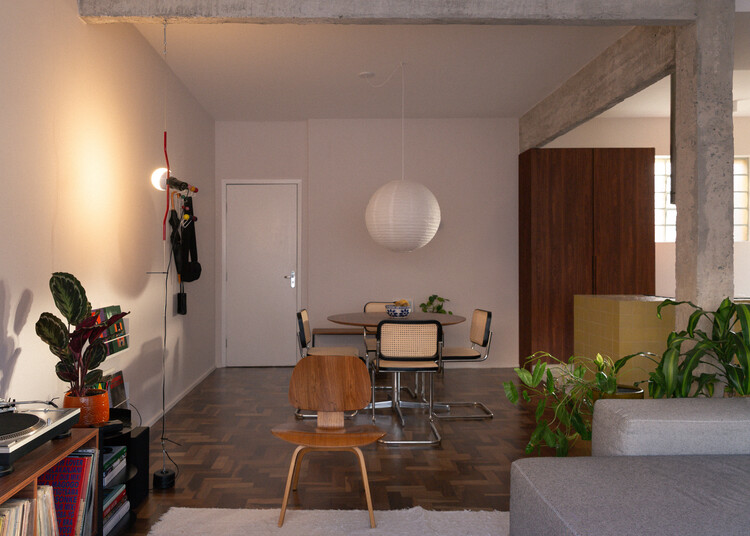
Architects: SUMA arquitetura
- Area: 64 m²
- Year: 2025
-
Manufacturers: Duratex, Keramika, Strufaldi Pastilhas Cerâmicas
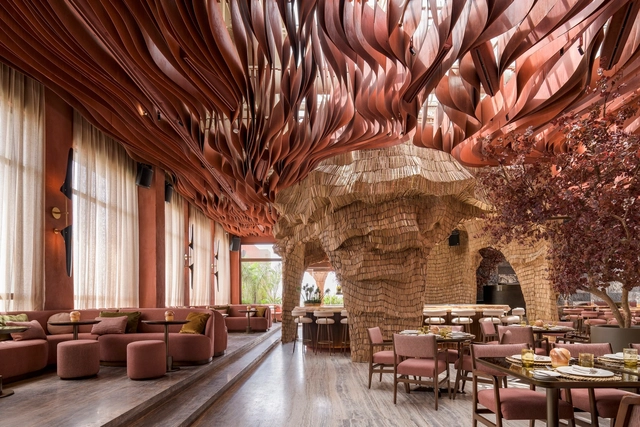
Unlike the 2024 Color of the Year selections, the 2025 picks reveal more commonalities among the colors chosen by major paint industry leaders. Each year, designers and enthusiasts from various fields gather within companies worldwide to reignite the conversation about color and its connection to contemporary culture. For the 2025 forecast, earth tones seem to be the big winners: Pantone's Mousse Chocolate is joined by cinnamon, brown, and burgundy shades from Benjamin Moore, Graham & Brown, Behr, and C2 Paint. Companies like AkzoNobel, Valspar, and Comex opted for more vibrant colors to celebrate optimism and joy, while Sherwin-Williams and Jotun didn't limit themselves to a single color. Instead, they introduced entire palettes centered on tranquility and relaxation. These concepts appear to be the guiding themes for 2025.
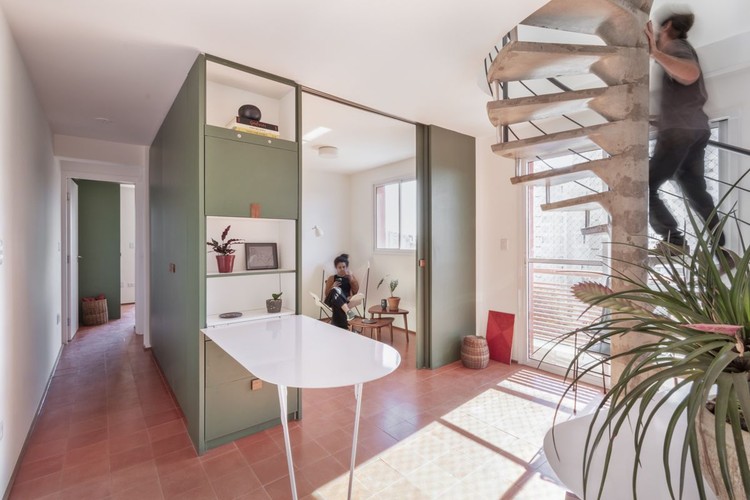
Beyond the wide variety of landscape, environmental, economic, social, and cultural particularities that distinguish each region of Latin America, the renovation of interior spaces that make up domestic life generally focuses on achieving the greatest possible integration of environments along with providing flexibility, spaciousness, and better conditions for ventilation and natural lighting. Seeking to revalue unused spaces and/or give them a second life, renovations aim to transform the ways of living through strategies capable of involving the restoration of materials, the preservation of structures, the maintenance of installations, and more.
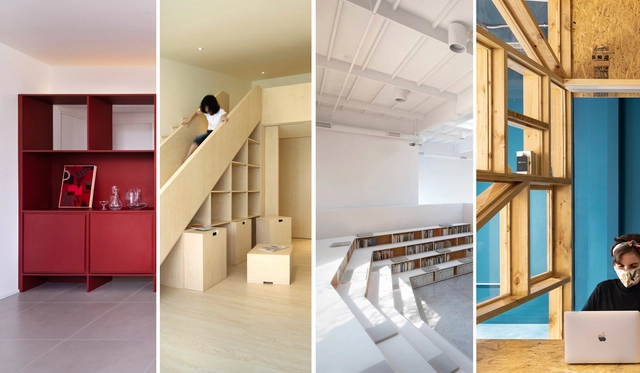
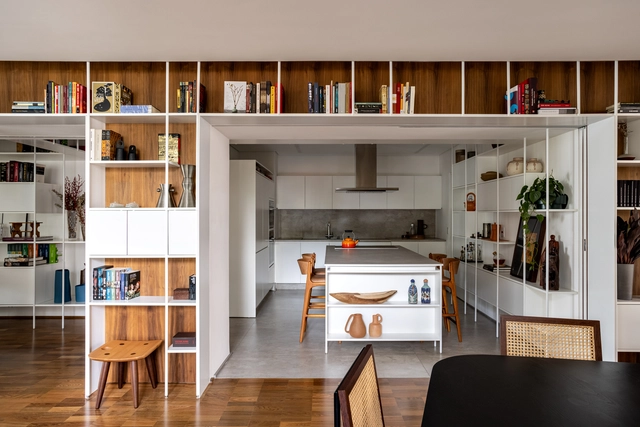
With the rise of small houses and dense cities, we were forced to sacrifice a good amount of storage space. Ironically, we did not compromise our purchasing habits, so with a few square meters to work with, architects and designers had to come up with efficient storage solutions and make the best of the limited space they have. However, if you were lucky enough to be occupying a large, unobscured space with a generous budget, your storage design possibilities are endless. In this article, we look at how architects and designers found creative ways to store their belongings in spaces with different functions, scales, and spatial constraints, ranging from completely invisible units to sculptural centerpieces.
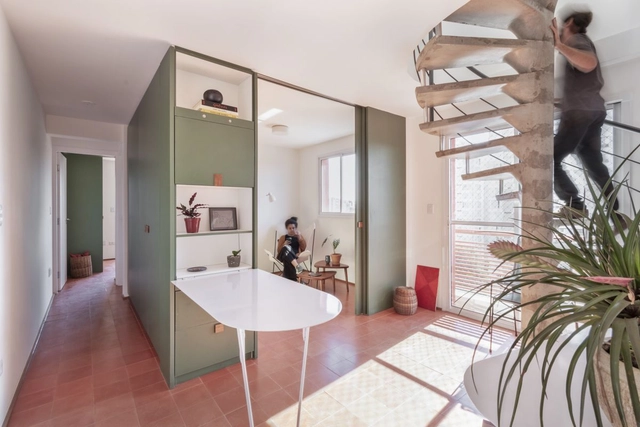
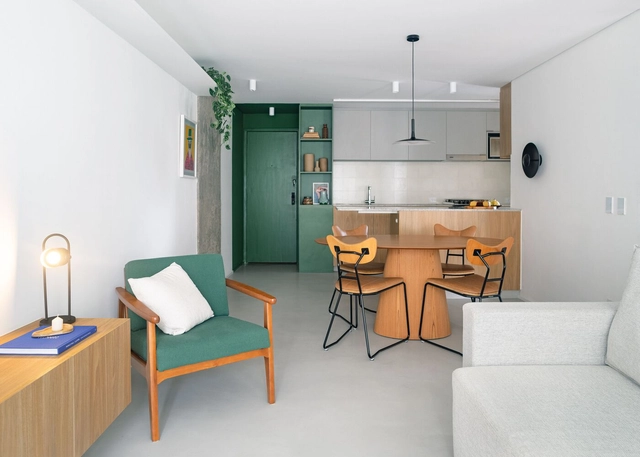
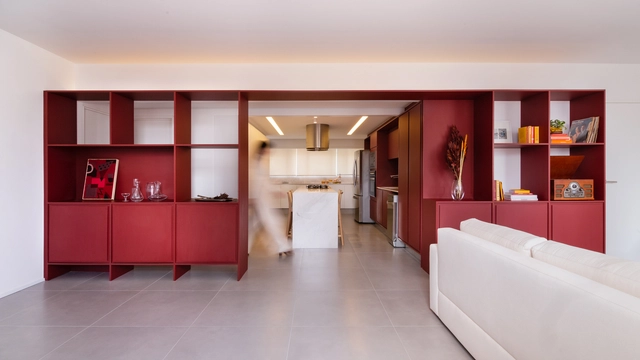
Many architectural projects have been giving special attention to cabinetry and built-in furniture. These custom-made wood pieces are designed for specific purposes and can be used to organize the space, which can be living rooms, bedrooms, studies, kitchens, and bathrooms. Besides functionality, these elements also introduce different materials, textures, and colors into the environments. This article will explore some examples of how colorful cabinets and furniture can make architectural projects more vibrant.
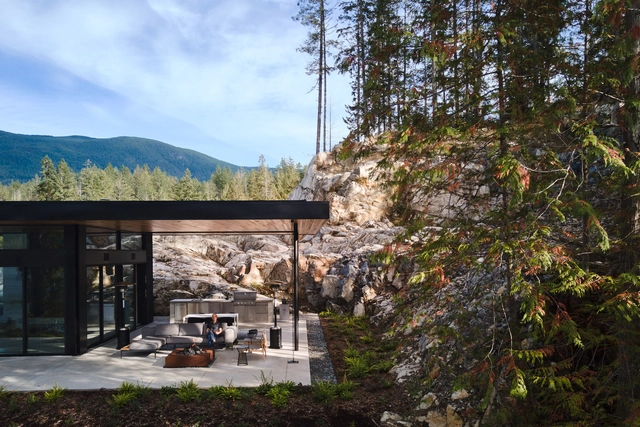
The weather across the northern hemisphere is getting warmer, and with rising temperatures comes the urgent need for many of us to spend as much time outside as possible. While a variety of outdoor activities bring with them their own sense of accomplishment and relaxation, one in particular combines feelings of leisure, indulgence and community: outdoor cooking. But how did this tradition start? And what has it evolved into?
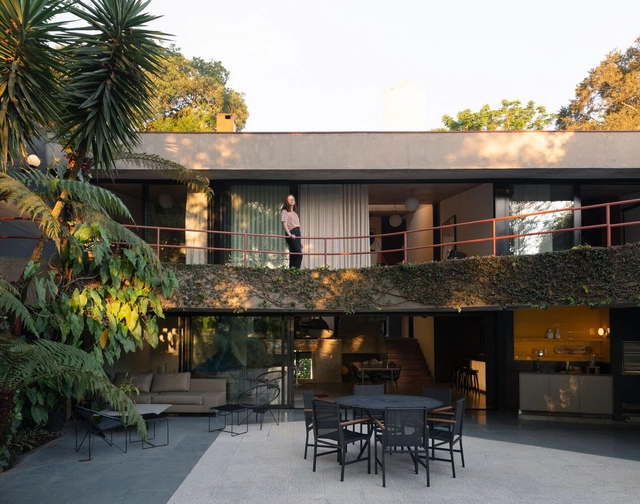
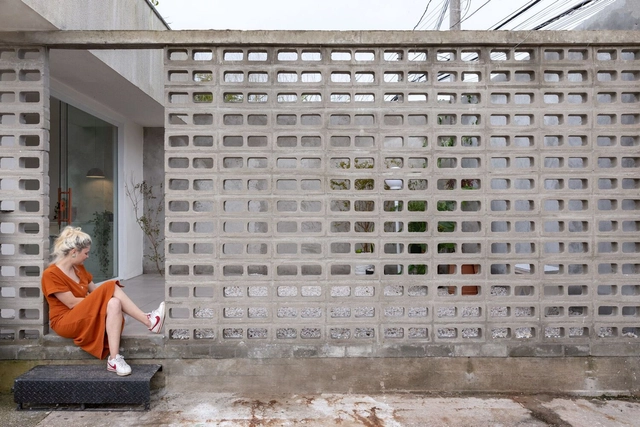

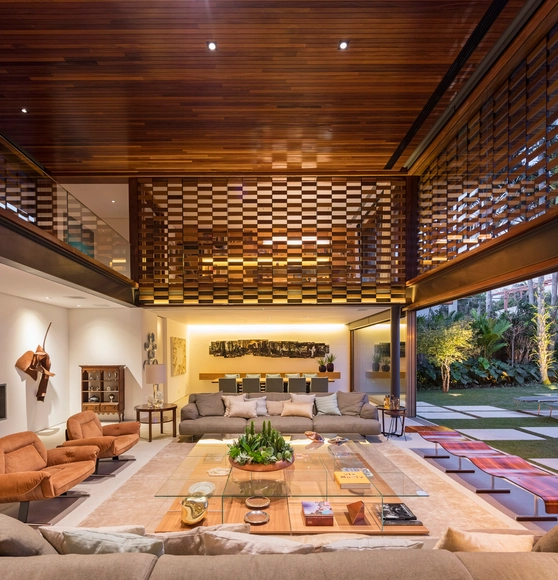
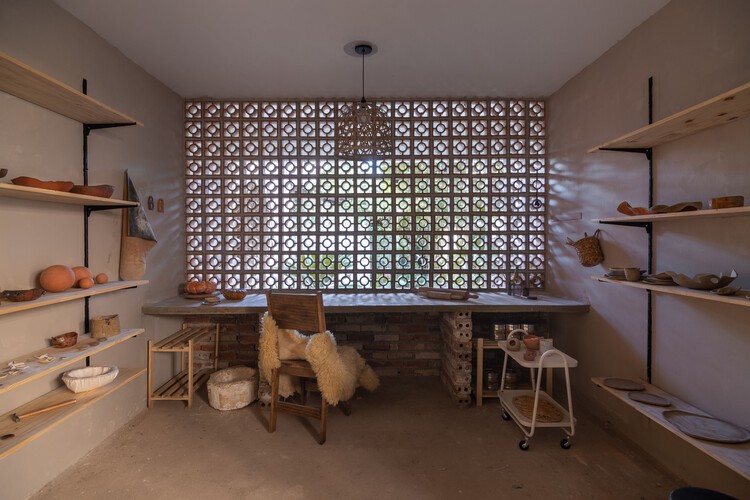
When designing homes, architecture is constantly evolving and adapting to environmental conditions. Each climate has specific needs and requires different solutions in terms of comfort. Hot and humid environments require a very different design from cold and dry environments. Natural ventilation, for example, is very important in projects located in warm climates.


.jpg?1627408898&format=webp&width=230&height=230&crop=true)






.jpg?1606346477&format=webp&width=230&height=230&crop=true)
.jpg?1606346074&format=webp&width=230&height=230&crop=true)
.jpg?1606346178&format=webp&width=230&height=230&crop=true)
.jpg?1606346420&format=webp&width=230&height=230&crop=true)
