-
Architects: Ha Architecture
- Area: 220 m²
- Year: 2020
-
Professionals: LocBuild, Kihara Landscapes






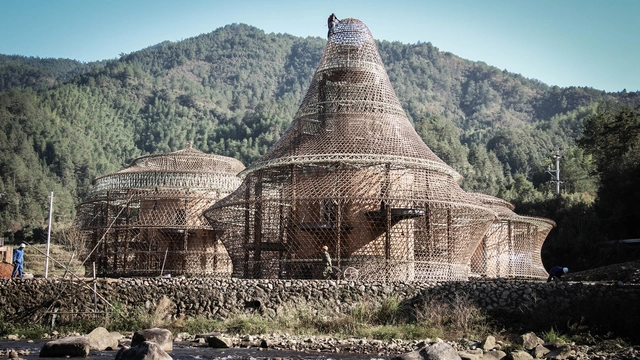
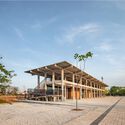
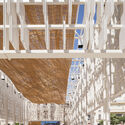
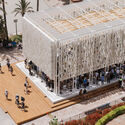
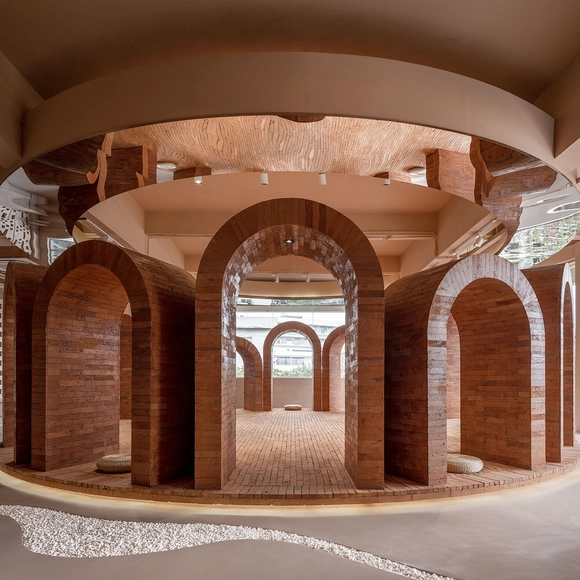
The Filipinos believe that man and woman first emerged from the nodes of a bamboo stalk. The Chinese view the cane as a symbol of their culture and values, reciting “there is no place to live without bamboo”. The plant is a symbol of prosperity in Japan and friendship in India. Along with myths and stories, strong structures made of bamboo flourished in pre-modern Asia. Built forms varied across the changing landscapes of Eastern countries, all sharing one aspect in common - a respect for natural ecosystems.

The A' Design Awards - the world's leading annual international juried design competition - were established to promote and recognize the best design work in all countries and in all creative disciplines. The Award has 100 main categories, including Architecture, Building and Structure Design, Interior Space and Exhibition Design, and Furniture Design, in addition to others related to the world of Lighting, Landscape, Building Materials, and many others. This year's edition is now open for entries; designers can register their submissions here.
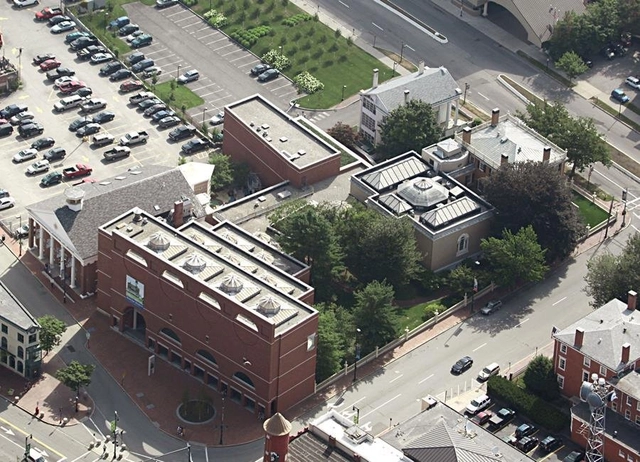
The Portland Museum of Art, along with architects from Dovetail Design Strategists have announced four renowned architecture firms shortlisted for the unification and expansion of Portland Museum of Art’s new campus in the heart of Downtown Portland, Maine. Under the theme of "Art for All", PMA’s mission, vision, and commitment to Sustainability and Diversity, Equity, Accessibility, and Inclusivity were the basis of the value proposition guiding the museum unification and expansion, with a goal to "reflect a challenge to museums and cultural institutions to do more to create centers of belonging and foster social change".


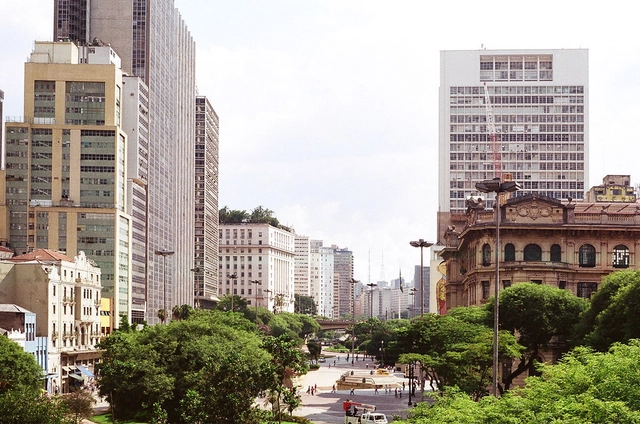
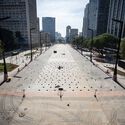
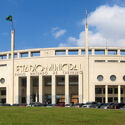
Recently, the city of São Paulo witnessed two events involving spaces that were previously public and are now under private concession. The already renowned Virada Cultural Paulistana took place again after the initial years of the covid-19 pandemic, and had as one of its stages the new Vale do Anhangabaú. In addition, the Pacaembu complex - which recently ceased to be a public facility, became a concession and has been undergoing a series of renovations and transformations - hosted the ArPa Fair, an event that brought together a series of important galleries for exhibition, purchase and sale of artworks. Despite the different nature of these events, their processes arouse reflections upon the privatization model we are experiencing in cities today.



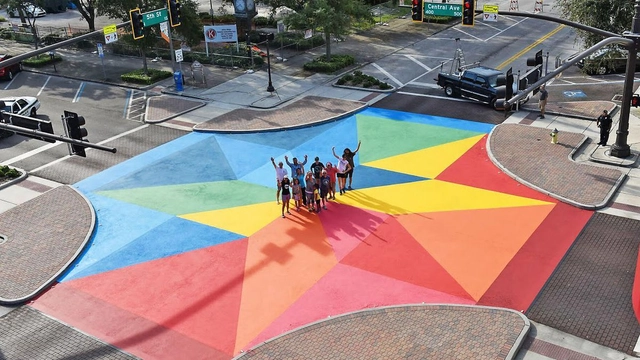
Last week, the Global Designing Cities Initiative (GDCI) released Designing Streets for Kids to set a new global baseline for designing urban streets. Designing Streets for Kids builds upon the approach of putting people first, with a focus on the specific needs of babies, children, and their caregivers as pedestrians, cyclists, and transit users in urban streets around the world.