



-
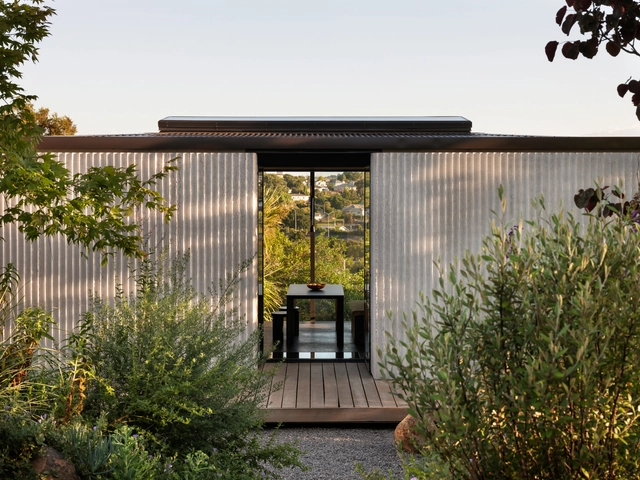
Architects: Oli Booth Architecture
- Area: 85 m²
- Year: 2021


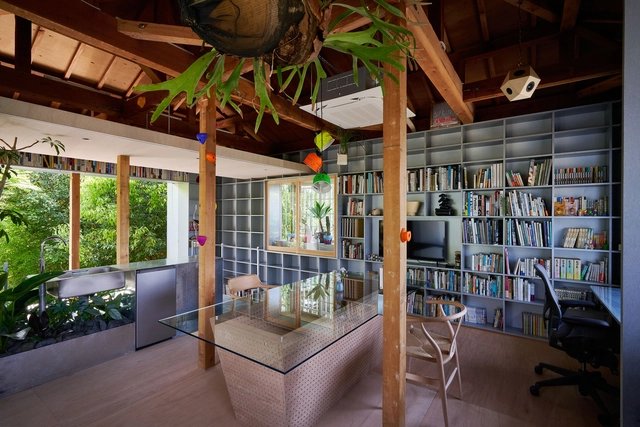
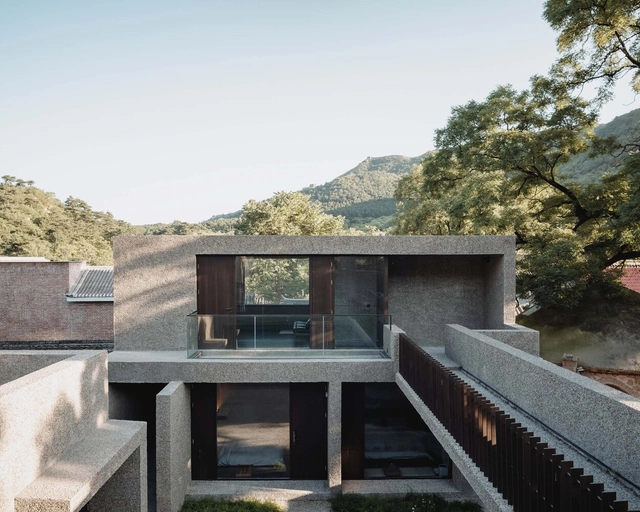

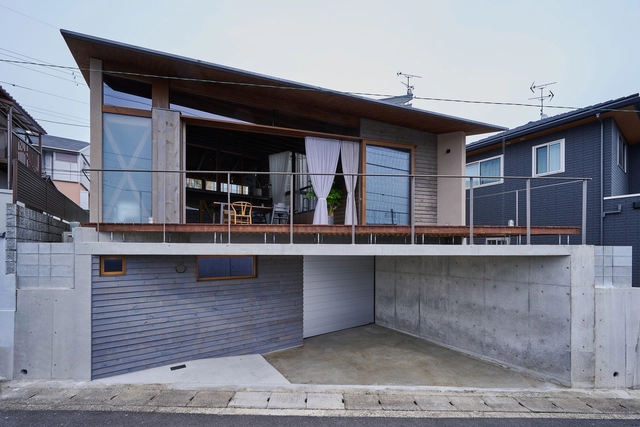


PIXCITY is a prototype proposed by PIXCITY DAO to encourage the exploration, design, and construction of the future city. It is an experimental project that merges new technologies and artistic design, which will be completed both online and offline.


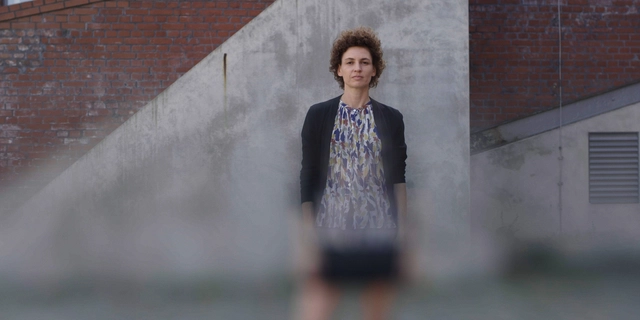
From ending up by accident in architectural studies, to eventually falling in love with the complexity of the field and the multitude of its layers, Johanna Meyer-Grohbrügge was amazed by the dual nature of architecture; its intellectual aspect, and physical outcome. Founder of Meyer-Grohbrügge in Berlin, the architect, and her studio seek to spatialize content, create relationships, and find solutions for living together.
With Toshiko Mori and Gabriela Carrillo, Johanna Meyer-Grohbrügge is part of a new documentary titled "Women in Architecture", premiering on November 3rd. The film by Sky-Frame, in collaboration with ArchDaily, and directed by Boris Noir is a catalyst for debate on one of the most pressing topics in architecture.
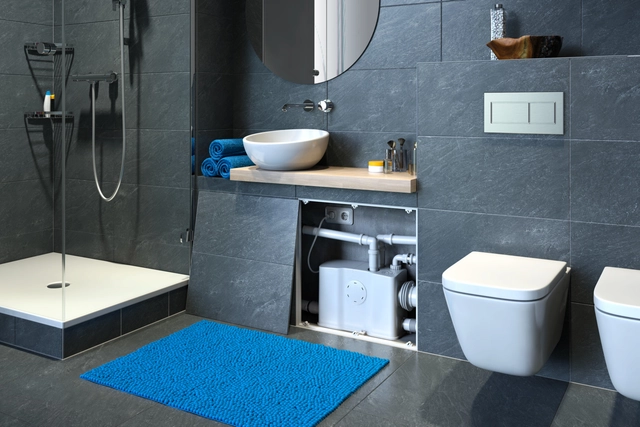
We have written a lot about the adaptive reuse of buildings and how this should become an even more important activity for architects in the future. Focusing on interiors, it consists of adapting spaces to new demands, promoting quality and comfort, and often incorporating new technologies into a space. Whether adding a new bedroom, organizing a home office, or transforming a historical building into an office, the architects' creativity allows them to create interesting environments without the need for demolishing. But one thing that tends to make designers scratch their heads in concern is how to include bathrooms and all the complication that it entails. This is because adding a simple toilet usually requires breaking slabs, walls, and floors, working with thick plumbing, and, above all, spending a lot of money and time. There is, however, the possibility of using a macerating pump system - a straightforward, affordable solution for creating a complete or half bathroom practically anywhere.
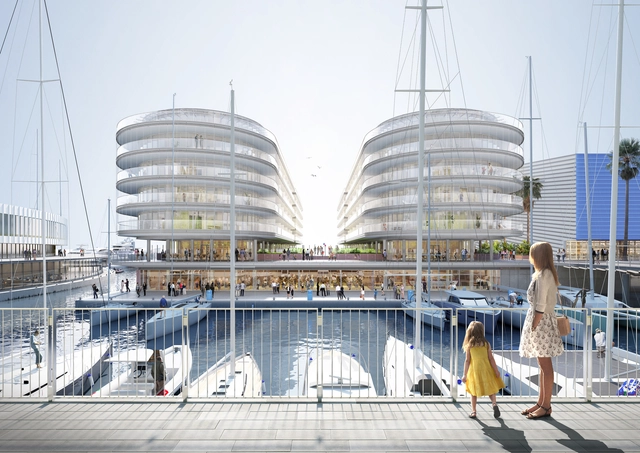
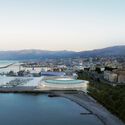
First drafted by Renzo Piano and developed by RPBW and OBR, the Waterfront di Levante is a project that aims to transform what was previously the back of a port into a new urban front on the sea. The development is planned to become a new landmark on the seafront of Genoa, Italy, by bringing new urban and port functions, both public and private, to an underutilized area. By controlling the built-to-open area ratio, it also seeks to enhance the connection between the city and the sea. The project introduces functions such as the new Urban Park, a new dock, residences, offices, student housing, retail facilities, apart-hotels, and a new sports hall.

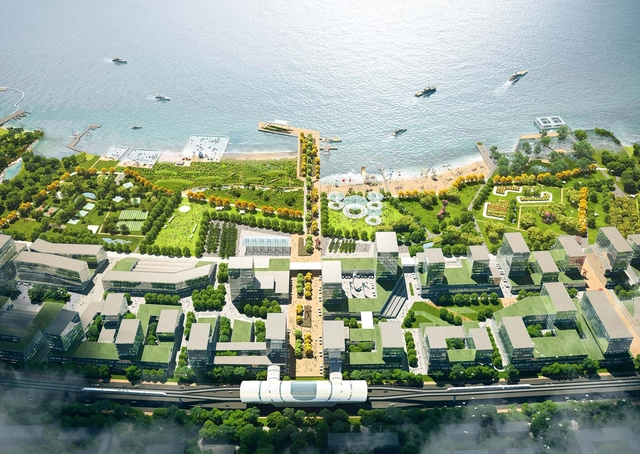
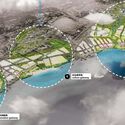
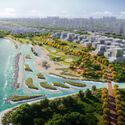
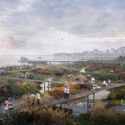
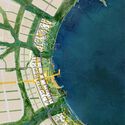
KCAP won the design competition for the Coastline of Yantai, Shandong Province, south of Beijing. As one of China's top 10 ports and a gateway city for communication between Japan and South Korea, Yantai Seafront Garden will transform the underused coastal area into an influential economic and technological development zone in Northeast China. The conceptual proposal was selected by its vision of 4 stages along the 95km of waterfront, including water conservation zones, a "sponge city" community, and a resident tidal shoreline.
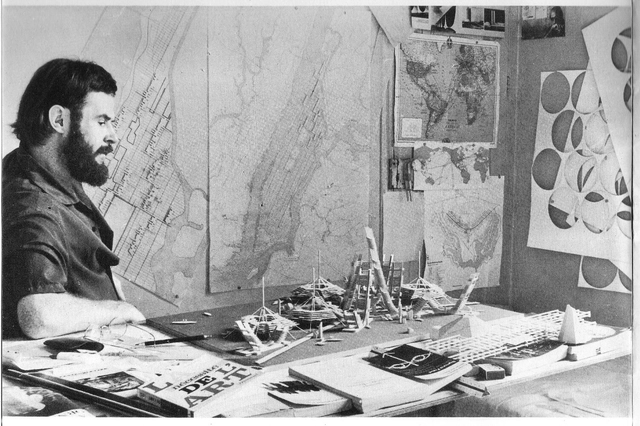
Ricardo Rocha writes about the German-Brazilian architect Hartmut Thimel. Forgotten by canonical historiography, he worked with Georges Candilis, Yona Friedman, and later with Oscar Niemeyer. His work is a bridge between 1970s Brazil, addressing the international avant-garde - Team X, Metabolism, Spatial Urbanism, and Prospective, among others.
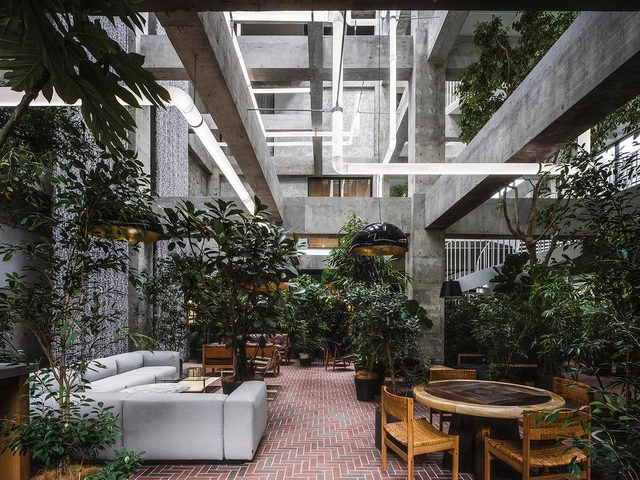
Widely recognized as being responsible for 8% of global CO2 emissions, concrete should be a blacklisted material, relegated to the shameful annals of architectural history. Rapid global urbanization, however, will ensure its unequaled production simplicity and structural strength help retain concrete’s firm grip on the construction industry.
If you can’t beat it, improve it: is the industry’s mantra on innovation, currently developing various alternatives to concrete or its constituent parts and admixtures. So with a concrete set for the environmental green list, the concrete revolution –using the material as an aesthetic exterior facade, interior decoration and fittings, or even in furniture and lighting, as well as a structural framework– is free to continue.