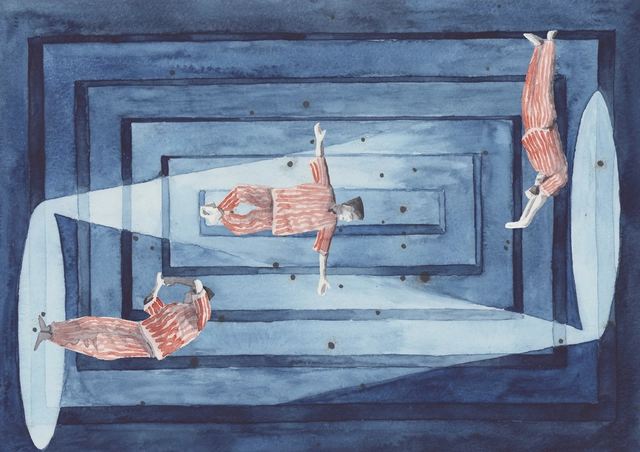
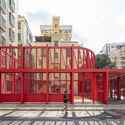
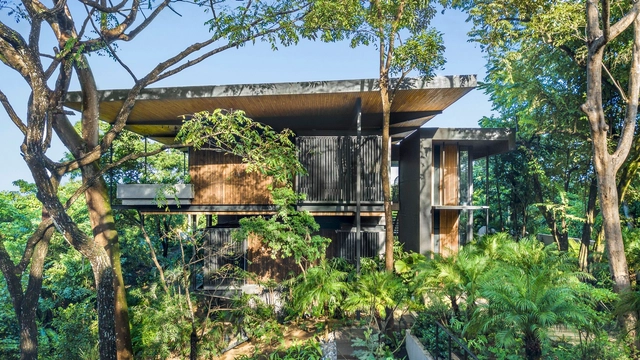
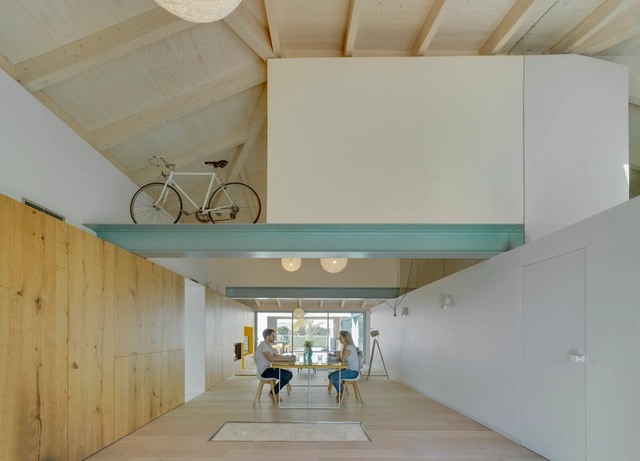
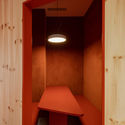
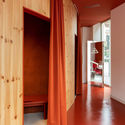
Besides changing our perception of interior spaces, colors are an excellent device for architects. With them, it is possible to highlight some elements or areas, create rhythm in the environment and give possible hints on how the eye can travel through it. One of the alternatives to achieve these goals is to paint the structures, which can bring a solid identity to the project since its components stand out and make the spatial notion even more playful.
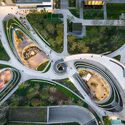
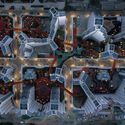
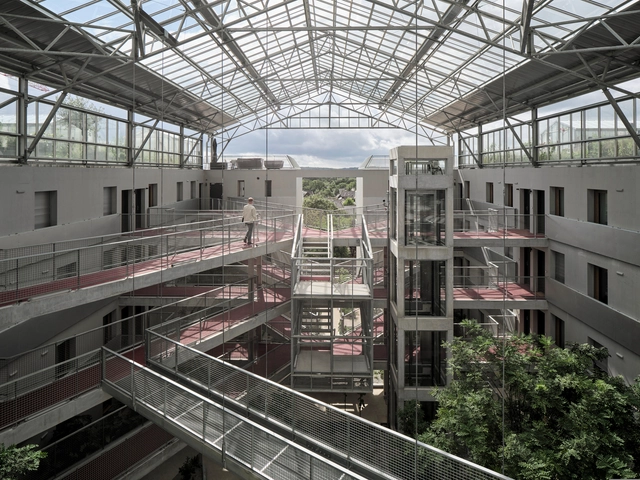
The demolition of the Pruitt-Igoe housing project will be 50 years old in 2022. Many ideas of how to live collectively have changed since then. Check out some housing projects in which the placement values encounters and community living.
The Pruitt-Igoe Housing Project, designed by Minoru Yamasaki, is considered a landmark of modernist architecture. Its high towers, inspired by Le Corbusier's Unité d'Habitation, which totaled almost 3000 units, set out to fill about half of the government-indicated housing deficit in the 1950s in St. Louis, USA. Besides the innovative architectural project, the government also bet on an interracial coexistence that involved poor and vulnerable strata of society - in the middle of the segregationist period in the United States.
2022 brought with it what is now known as the triple ‘C’ crises – COVID, Climate, and Conflict, with new environmental challenges, boiling disputes, and an ongoing health emergency, fueling a growing inequality, creating wider gaps, and contributing to more poverty. However, 2022 wasn’t only a year of difficulties, it actually opened up a closed-off world, allowing people to come together through traveling, events, and lesser health restrictions, to reflect on how to build “more resilient, sustainable, and healthy societies” that can survive current and future threats.
Always true to our vision of "empowering everyone who makes architecture happen to create a better quality of life", the 2022 ArchDaily's Best Articles selection highlights a huge spectrum of topics. Tackling past, present, and future, the themes explored ranged from the architecture of the metaverse and AI to history and theory 101, retracing stories, adjusting common misconceptions, and projecting a future that is already here. Moreover, this year, editorials offered more tips and ideas for everyone’s living spaces while also investigating the multidisciplinary aspects of the field, in order to broaden perspectives and present new notions. The very diverse ArchDaily team delved into territories, not commonly portrayed in the media, to tell the architectural story of every typology, community, and movement. Believing in contextuality and locality, inclusiveness, and leaving no one behind, our articles reflected our vision for a better world.
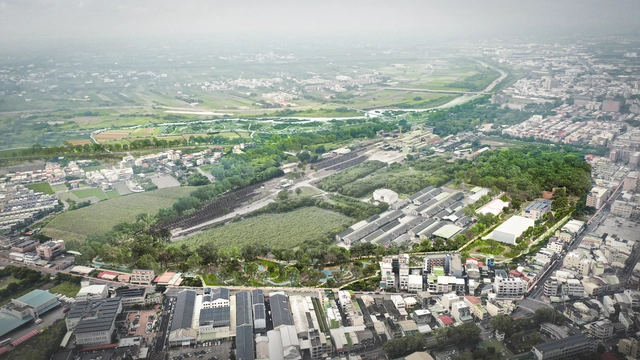
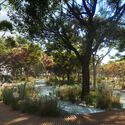
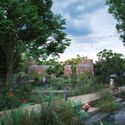
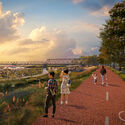
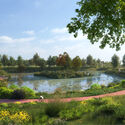
International office MVRDV has been selected by the Taiwan Ministry of Economic Affairs to design the Hoowave Water Factory, a large-scale redevelopment of Huwei’s Beigang and Anqingzhen waterways. The project combines a strategic master plan with the landscape design in an effort to move beyond the mono-functional approach for controlling and distributing water. Besides storing and capturing water, the proposal also opens up access to the river and the natural ecosystem by integrating cycling paths, cultural amenities, and ecological systems. The master plan also includes a comprehensive strategy for flood resilience while improving the quantity and quality of available water. The project is expected to be completed in 2026.
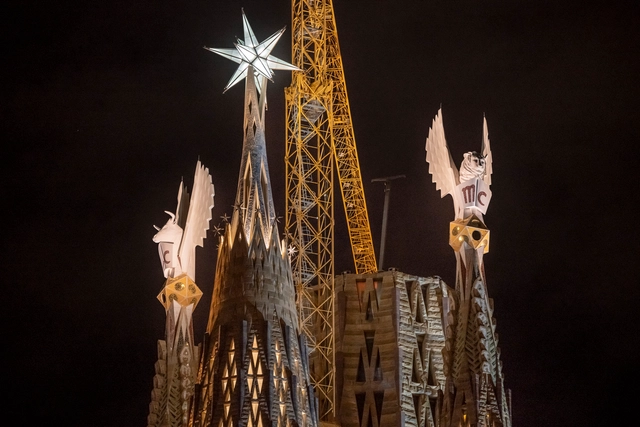
Gaudí's Sagrada Familia in Barcelona has illuminated the terminals on the towers of the Evangelists Luke and Mark, celebrating the completion of these two new structures that reach 135 meters in height. Together with the tower of the Virgin Mary, inaugurated in December 2021, 3 of the 6 central towers will be completed.
As the world slowly adjusts to the "new normal," so too does the architecture industry. Data related to market size and workloads shows that the profession continued to grow even after the pandemic struck. Other statistics show how architects are starting to be hit by the present crisis – such as the fall in full-time work and rising unemployment. While these statistics could take one down a road of despair (or enthusiasm), there is more to the numbers: Mobility, digital and managerial competencies are framing the profession in the 2020's. Not only as data for the sector to approach the market and retain talent but also as strategies in the face of crises and technologies to come.
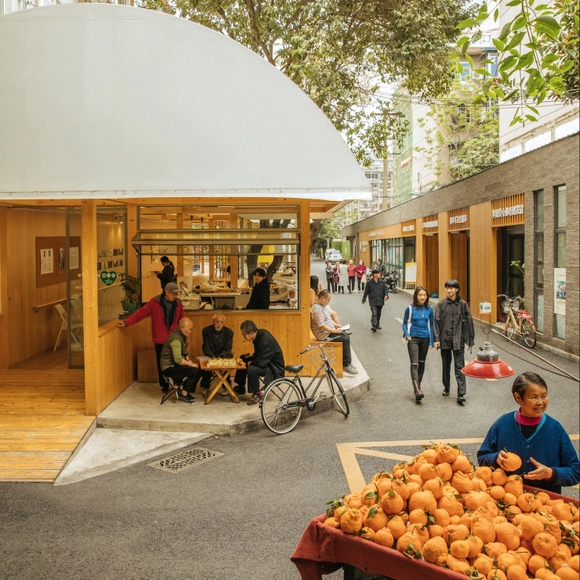
What kind of city is a people-oriented city? This is a difficult question to answer because humanistic cities evaluate the city by "people”, and people are extremely diverse, producing individual different evaluation standards. For example, a city that is friendly to car drivers, may not be so friendly to pedestrians.
Nonetheless, there is a general perception that some cities seem to be more friendly to people than others. Why is this the situation?
Every “Year In Review” assessment of anything is both myopic and timely. That being said, 2022 was a "Boom" time for architects (and the building industry in general). This snapshot will change in 2023 when this year’s manufactured interest rate jumps will crib death this short and intense boom.
But some things have more meaning than can be found in the moment. 2022 proved that the “Mad Men” model in the profession as a white male clubhouse is over. Gender and race inequalities remain in architecture, but they are acknowledged flaws in urgent need of correction. Beyond these evolutions and revolutions, a new generation of architects is changing the profession.




























.jpg?1627321278&format=webp&width=640&height=580)

.jpg?1627321278)