-
Architects: IN arq+design
- Area: 5382 ft²
- Year: 2022
-
Manufacturers: Alma Light, Alves e Nicoletti, Bali Home, Bazar Familia Coelho, Bontempo, +23


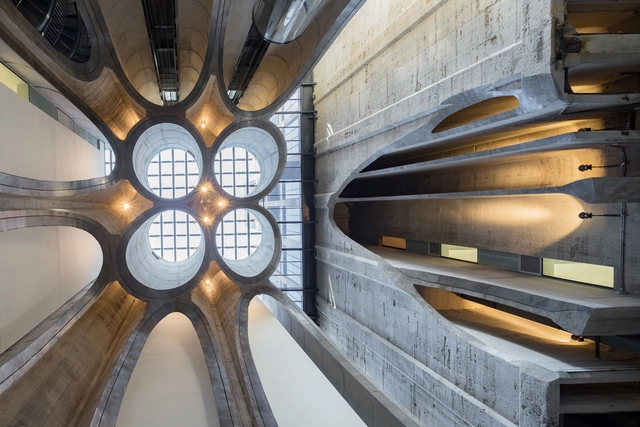
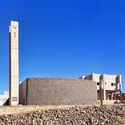
Hulking, imposing, and utilitarian, silos are an enduring urban feature, structures typically used for the storage of materials in bulk. They are important physical elements of the agricultural industry, storing grain, fermented feed, and other foodstuffs. These tall, typically cylindrical forms remain the subject of architectural fascination — from being symbols of technological progress for Modernist architectural figures of the early 20th century, to in contemporary times, instigating inventive approaches to adaptive reuse.
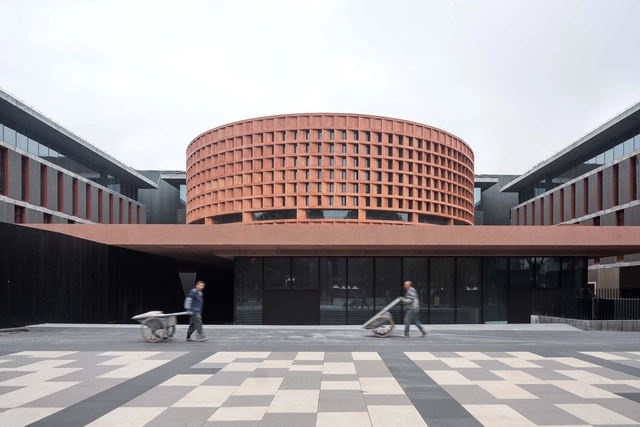

Le Corbusier once described architecture as “a learned game, correct and magnificent, of forms assembled in the light.” Natural light –and its accompanying shadow– plays a crucial role in shaping our perception of architecture, serving a long list of functions that define how users experience, engage and interact with buildings. From illuminating and accentuating to enhancing views and evoking warmth, the presence of daylight has the power to set a room’s tone and aesthetic language. It even has a significant impact on human health and well-being, including boosting mood and productivity, regulating circadian rhythms and reducing eyestrain and headaches –it makes our lives brighter, literally.
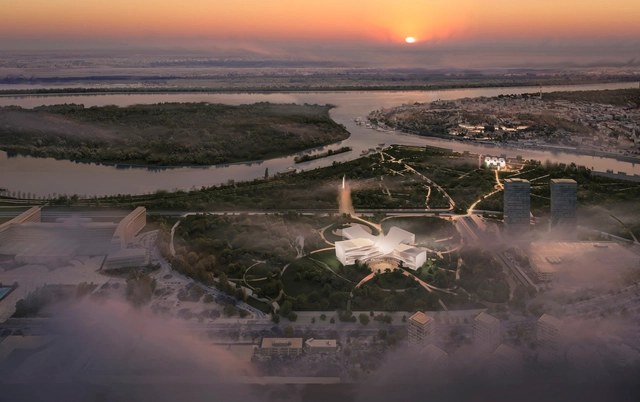
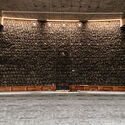
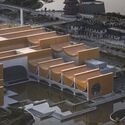
Following an international competition, London-based architecture studio AL_A has been selected to design the new Belgrade Philharmonic Concert Hall. The project will become a landmark for the Serbian capital, as it represents the biggest cultural investment in the region in the last decades. Located near the historic Palace of Serbia in New Belgrade, the Concert Hall features multiple performance, rehearsal, and creative spaces, including a 1,600 seats symphonic concert hall. The design team led by AL_A also includes landscape designers VDLA, engineers AFA Consult, and local architects Zabriskie. They are joined by Arup, who coordinates the acoustic and theatrical design.
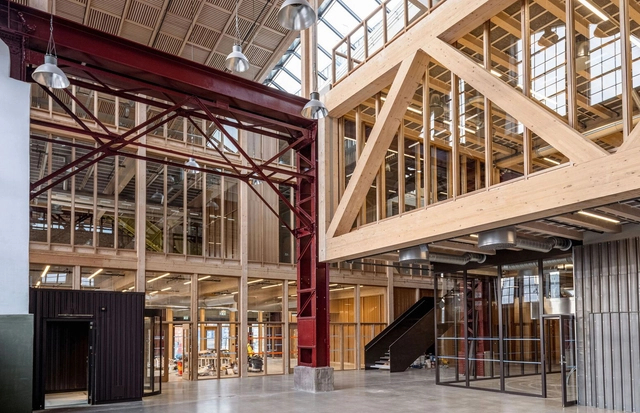

In May this year, The Centre Pompidou in Paris will debut the largest retrospective of Norman Foster's work from the past six decades. The exhibition spans nearly 2,200 square meters, exploring the various phases of the renowned architect’s career. Essential works including the Hong Kong and Shanghai Baking Corporation's headquarters (Hong Kong, 1979–1986), the Carré d'Art (Nîmes, 1984–1993), the Hong Kong International Airport (1992–1998), and the Apple Park (Cupertino, United States, 2009-2017) will be on display.
Foster + Partners, the Norman Foster Foundation, and Norman Foster are working to develop and execute the full retrospective. Through the lenses of the seven chosen themes: Nature and Urbanity, Skin and Bones, Vertical City, History and Tradition, Planning and Location, Networks and Mobility, and Future, the exhibition is set to become a full compilation of the architect’s work.
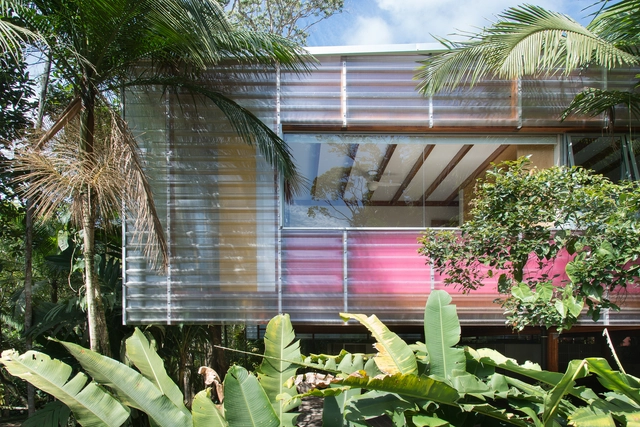
The use of translucent materials in Brazilian architecture has been a growing trend in recent years. Translucent laminated glass, polycarbonate and acrylic are just a few of them. They have different advantages and disadvantages regarding cost, impact resistance, and thermal and acoustic insulation. What outlines the common benefit between them is the constant dialogue they provide between interior and exterior.
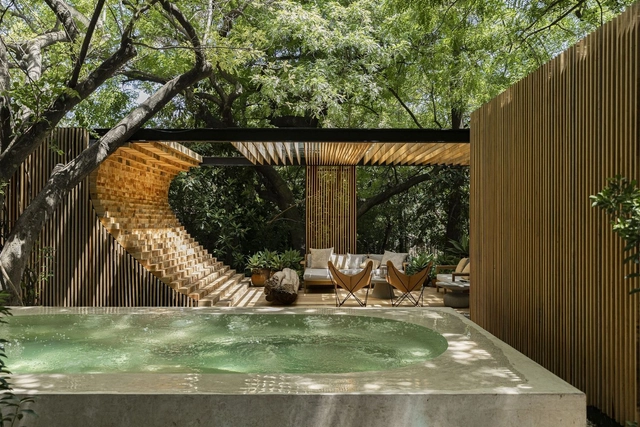
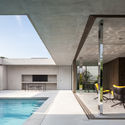
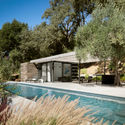
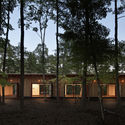
Residential swimming pools are nothing new, but they have become an unique component of modern living. Increasingly popularized, pools became a status symbol and a residential recreation element. Today, private swimming pools can be found across the world, and in many different climates. As more pools were built, so too were structures that could house equipment and pool amenities, as well as guest rooms or living quarters. These “poolhouses” were designed as spaces for accommodation, storage, and maintenance.
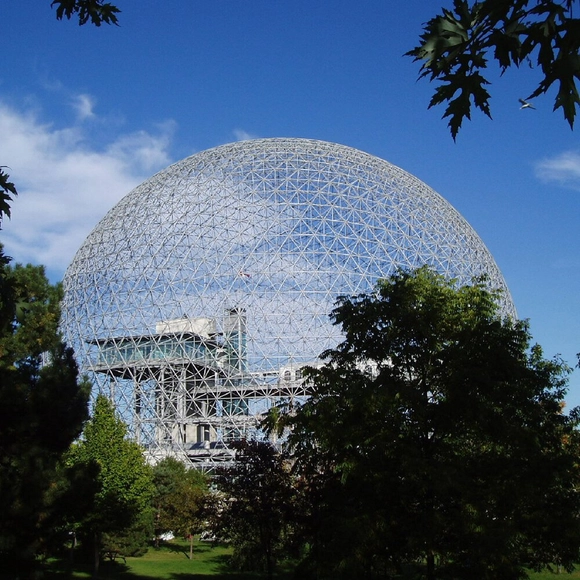
This article was originally published on Common Edge.
Today we know R. Buckminster Fuller primarily through his oeuvre of iconic objects and ideas created over the arc of a nearly 90-year life. Born in the last decade of the 19th century, Fuller lived long enough to hang out with Steve Jobs. He’s variously described as a “systems thinker,” perhaps the first “futurist,” a visionary, engineer, geometer, and architect (he won the AIA Gold Medal in 1970). But “inventor” is probably the most accurate description. Historian and writer Alec Nevala-Lee’s 2022 biography, aptly titled Inventor of the Future: The Visionary Life of Buckminster Fuller (Dey St. Books), tells a nuanced story of the man known for geodesic domes; space frames; “Spaceship Earth”; the Dymaxion map, house, and car; and concepts such as tensegrity, synergy, and “ephemeralization” (“doing everything with nothing at all,” as he described it).