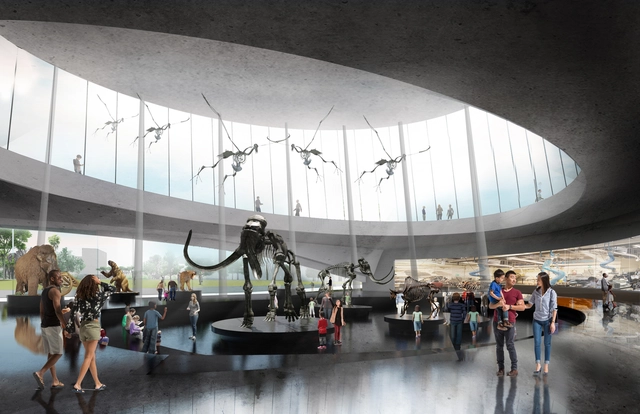
The Natural History Museums of Los Angeles (NHMLAC) announced the selection of Kossmanndejong (KDJ) as the firm that will lead the design of exhibition spaces and develop visitor experiences to reimagine the La Brea Tar Pits. As the world’s only active paleontological research site in an urban setting, KDJ will work through many design verticals, such as architecture, landscaping, and programming. KDJ, based in Amsterdam, the Netherlands, was chosen through an international search and competitive process to provide creative and interpretive strategies for the site-wide redesign in Hancock Park. KDJ will collaborate with the architectural and landscape design team led by WEISS/MANFREDI and Los Angeles-based Gruen Associates, who NHMLAC recently named Executive Architect of the Year.
The concept of sustainability emerged at the United Nations Conference on the Human Environment (UNCHE) in Stockholm in 1972 and was coined by Norwegian Gro Brundtland in the report "Our Common Future" (1987). According to this definition, the sustainable use of natural resources should "meet the needs of the present generation without compromising the ability of future generations to meet their own needs." However, despite the urgency of the concept and the constant evolution it has undergone over time, its application is often restricted to the controlled use of natural resources and the preservation of wildlife. In other words, it treats the situation from the perspective of "man versus nature," as a dichotomous view, with the loss of a holistic perspective.
The main purpose of public houses and eateries is to provide customers – both individuals and groups – with an environment and an atmosphere in which to release the stresses of their day or week so far, either with a quiet drink in a quiet corner, or in larger, more social groups.
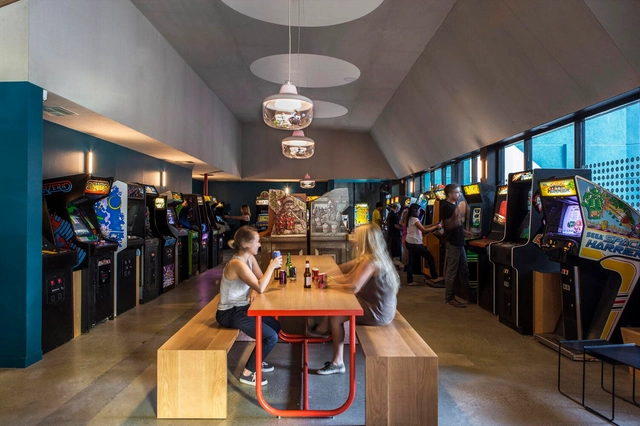
Even before COVID brought with it more permanent closing times, the rise of on-demand TV and food delivery services meant that staying ‘in-in’ –with the comforting embrace of their pillow just a short hike up the wooden hill to Bedfordshire– was becoming a more popular choice. Perhaps it’s no surprise, then, to see the growing emergence of establishments that offer more active entertainment than a quiz night and karaoke box.
Here are five examples of bars and restaurants designed for life’s players.
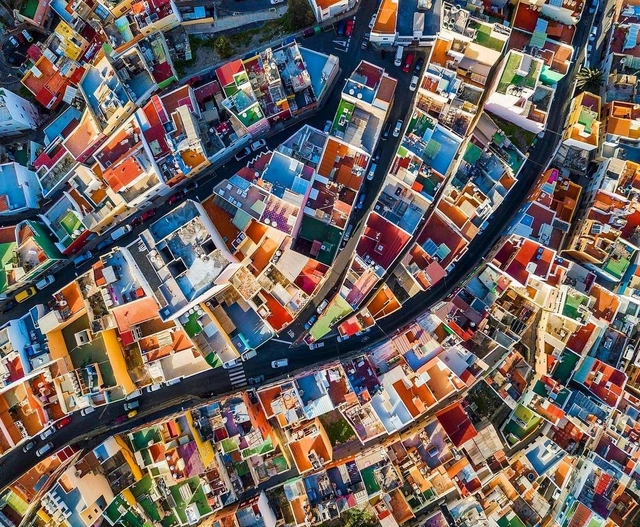
Las Palmas, Canary Islands. Drone photo by @sebastien.nagy
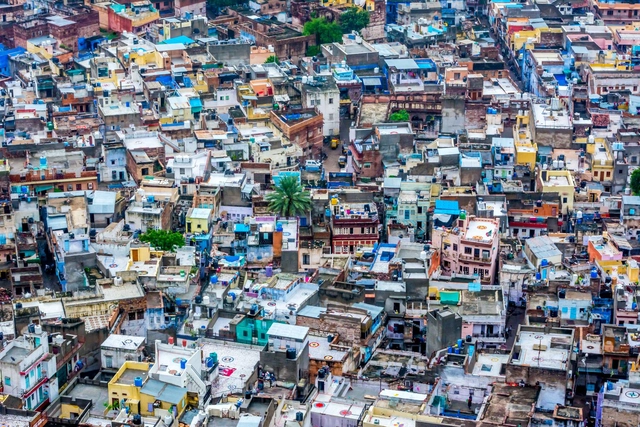
Fascinating and photogenic, colorful cities often catch the eye not only of the thousands of tourists visiting every year but also of many architects around the world. From an aerial viewpoint - which happens to be how many visitors get their first glimpse of these cities from the window of an airplane - one can see the colorful picture created by the many different shades of roofs and rooftops.
There are many different reasons for this diversity of colors. Some cities use specific colors on roofing as a climate strategy, while others simply have a tradition of painting houses in a certain way. In any case, these colorful cities are unquestionably very visually appealing.
I first went to China in 2002, a year after the International Olympic Committee awarded the 2008 Summer Games to Beijing. That initial trip was about exploring nature, cuisine, ancient temples, archeological sites, and, in general, experiencing lifestyles in China, mainly outside of its major cities. I was motivated by the pure curiosity of a Western tourist driven to an Eastern country in search of the old world, the exotic, hoping to catch a glimpse of a rich traditional culture on the cusp of its inevitable radical transformation. At the time, there was no modern, or rather contemporary, architecture in China to speak of. There were only the promising first hints of the development of a potentially new architectural language being undertaken by just a handful of independent architects almost entirely under the radar.
In April 2023, India achieved a significant milestone that will shape the trajectory of its urbanization going forward. According to data from the United Nations, the South Asian subcontinent is now home to over 1.4286 billion people, overtaking the former leader China’s count of 1.4257 billion. With a population boom that is estimated to grow at a 0.7% rate annually, India faces several challenges and opportunities in its path to becoming a global power.How will India’s rising demography influence its built environment?
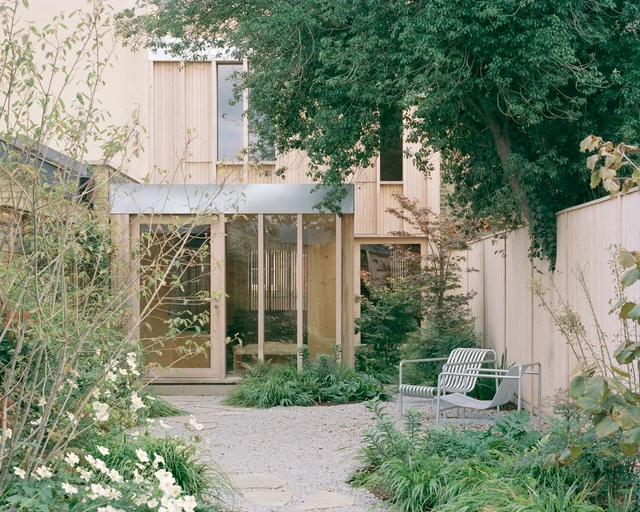
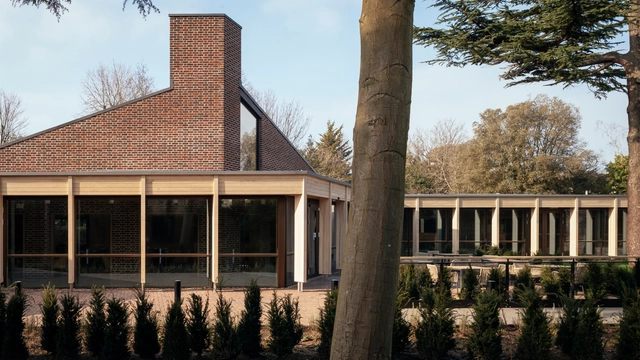
Every year since 1996, the Royal Institute of British Architects (RIBA) has hosted the RIBA London Awards to celebrate outstanding works of architecture from across the United Kingdom. This year, the list of winners includes 52 buildings ranging from a senior day-care center in Blackheath to a cultural hub in Greenwich and a subtle intervention in Hackney’s de Beauvoir conservation area. All RIBA London Awards winners will be considered for the RIBA National Award, scheduled to be announced on June 22nd.