


-
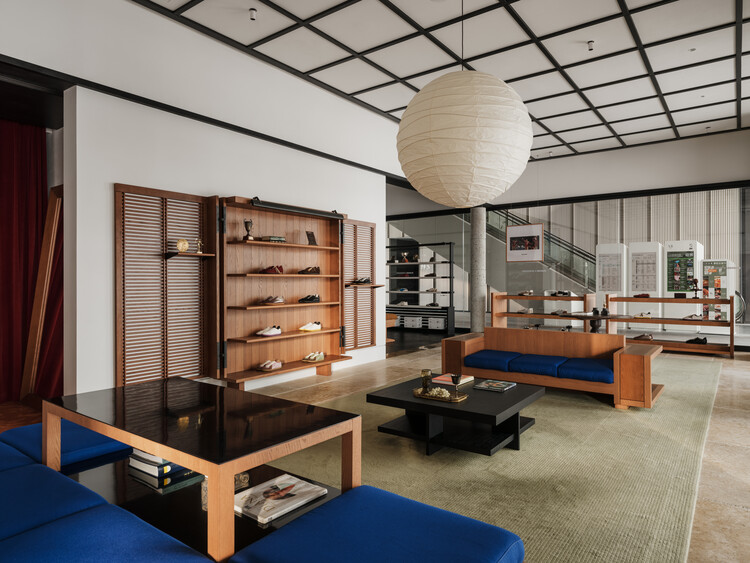
Interior Designers: say architects
- Area: 140 m²
- Year: 2026
-
Manufacturers: Nanjing Kuangda Decoration Engineering Co., Ltd.



By Adalberto Vilela and Sylvia Ficher
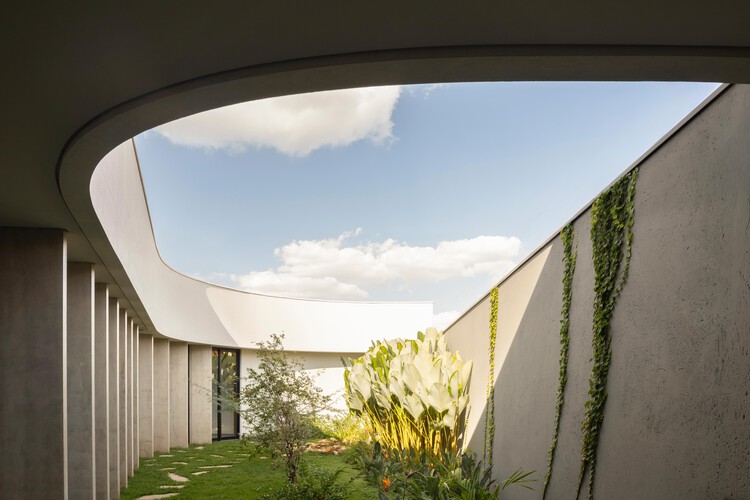
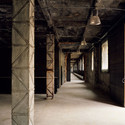
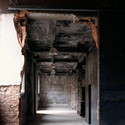
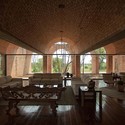
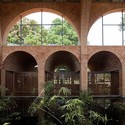
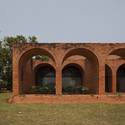
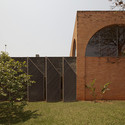
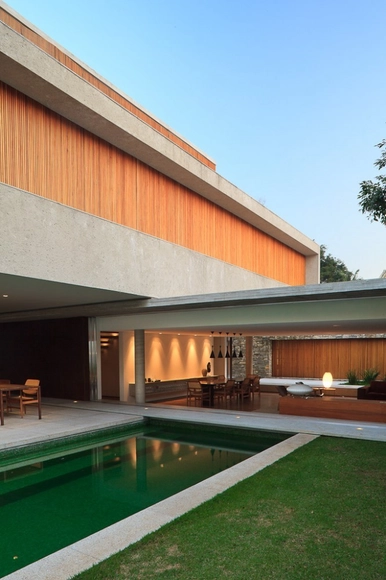
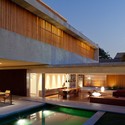
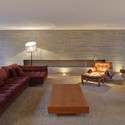
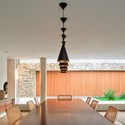
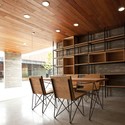
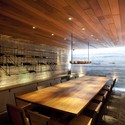
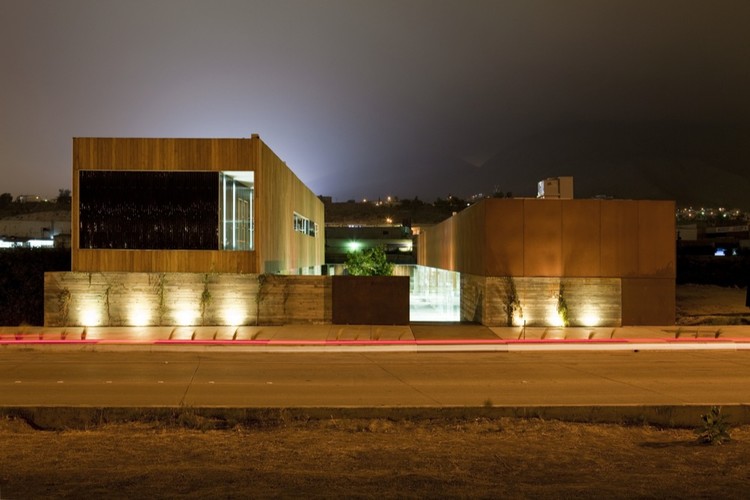
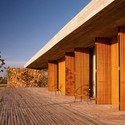
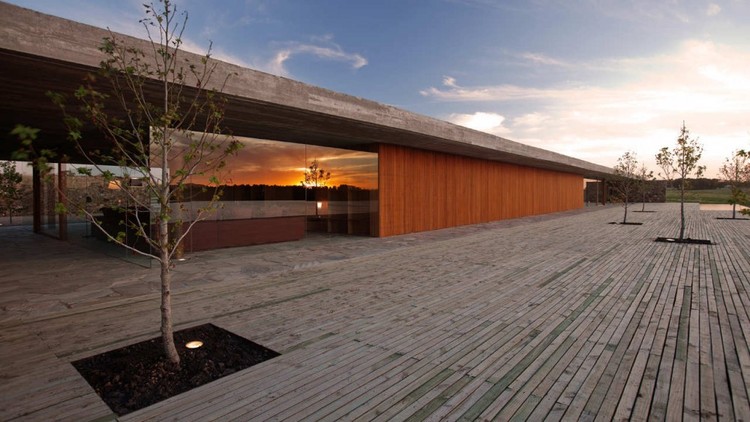
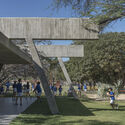
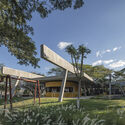
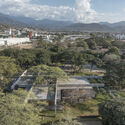
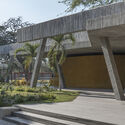
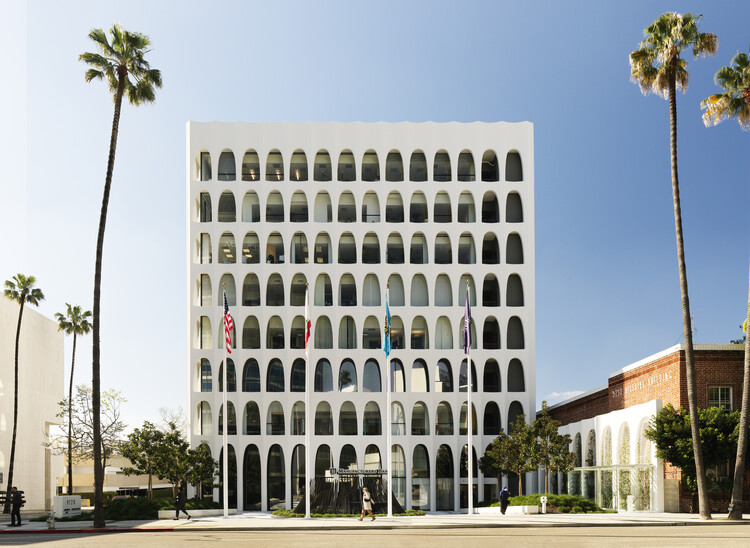
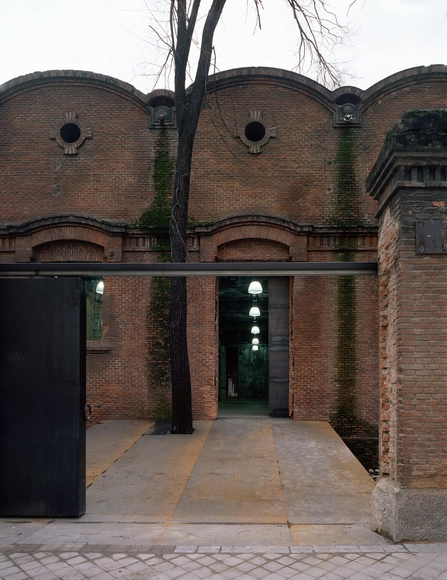
Even when driving through an exclusively residential neighborhood of the city, one can spot the *Casa dos Arcos* (House of Arches) in the distance. This is how the Nivaldo Borges residence is known, placidly sprawling across the gentle topography of an immense site, unmistakable for its reddish hue. The temptation to approach is strong; paradoxically, the absence of fences or gates is intimidating. With no way to announce our arrival, we ignore the uncomfortable feeling of trespassing and head forward.




Every building begins somewhere else. The sand in its concrete, the stone on its façade, the lithium that may one day power its systems. It arrives, already stripped from a mountain, a riverbed, or a salt flat thousands of kilometers away, having passed through a chain of trucks, ships, and customs declarations that erase almost everything about where it came from. Architecture tends to treat material as a starting condition, something simply available, but extraction is where construction actually begins.
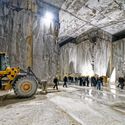
The global trade in construction sand alone now moves on a scale that rivals the illegal markets in timber, gold, and fish combined, run through networks violent enough to have cost reporters and activists their lives. A single mountain in Tuscany has yielded more marble in the past few decades than in the two thousand years before them, hollowed out by a workforce whose own history of revolt has been almost entirely forgotten. Beneath the salt flats of three South American countries and the copper belt of Central Africa, the minerals that will supposedly power a cleaner future are pulled from ground that Indigenous communities have inhabited for generations and that children, in some cases, mine by hand. Each of these is sold as ordinary commerce; each is also a territorial transaction whose terms were set somewhere far from where the material was taken.


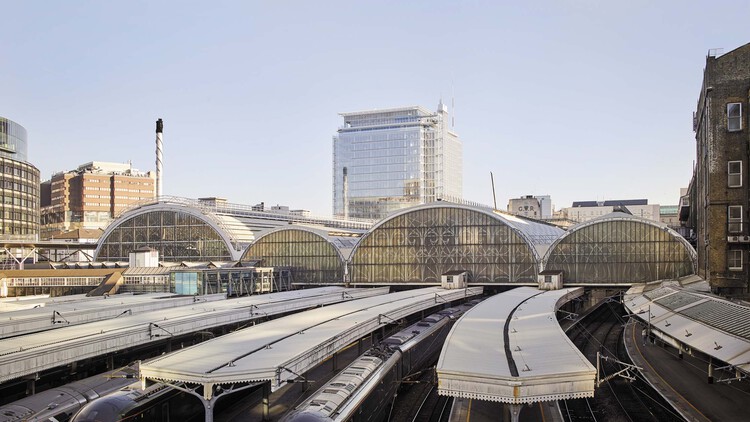
The Royal Institute of British Architects (RIBA) has announced the six shortlisted projects for the 2026 RIBA Stirling Prize, marking the award's 30th anniversary. Established in 1996, the Stirling Prize recognizes the building considered to have made a contribution to the evolution of architecture in the United Kingdom. This year's shortlist spans a broad range of typologies, including a new public square above one of London's busiest transport interchanges, the adaptive reuse of a 1970s theater into a cultural venue, a high-density residential development, two projects for Cambridge colleges, and a family home set on the edge of Epping Forest. The winner will be announced on October 15 at Old Billingsgate in London.