Architecture group BIG has unveiled the new stage design for the world tour of the Danish band WhoMadeWho. With visuals developed in collaboration with flora&faunavisions, EyeMix Studio, and Christopher Mulligan, the design features an inflatable sphere created to become a canvas for the three-dimensional video projections that contribute to the concert experience. The tour kicked off on November 2023 and will reach several cities around the world, including Paris, Madrid, Berlin, Istanbul, New York City, Los Angeles, Santiago de Chile, London as well as the band’s hometown, Copenhagen.
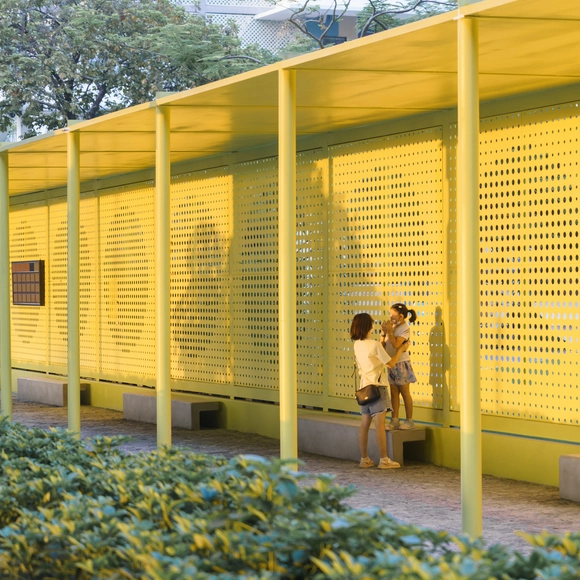
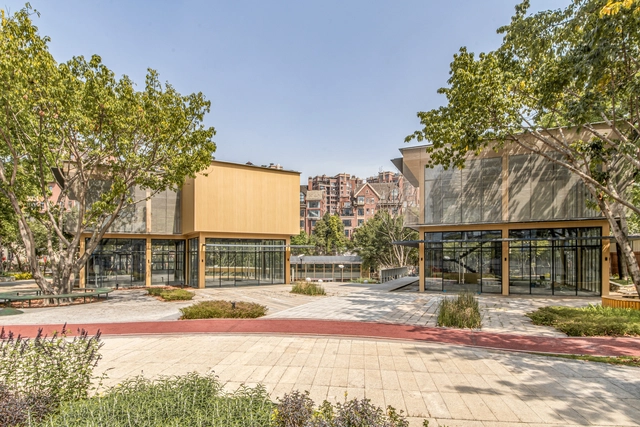
Spring Rain, portico, wall and staircase for the Qianhai Harbour School, Shenzhen, 2022. In collaboration with Tu'an Architecture Design Company (Guangzhou). Image Courtesy of studio ACF
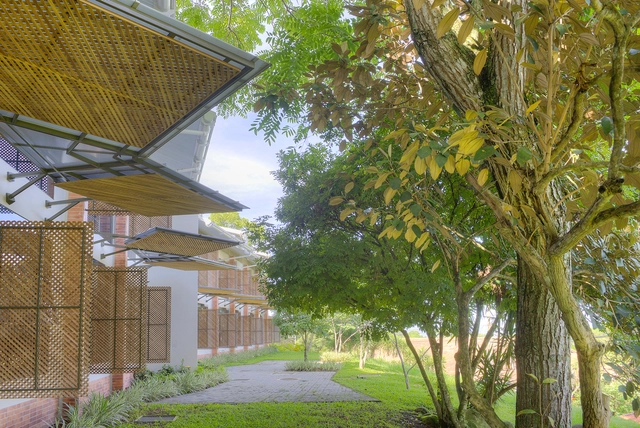
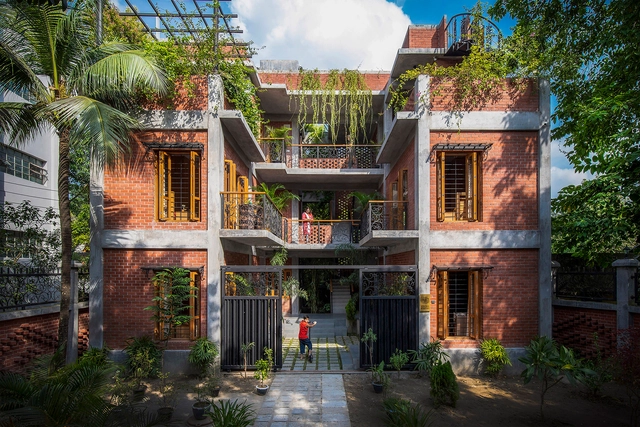
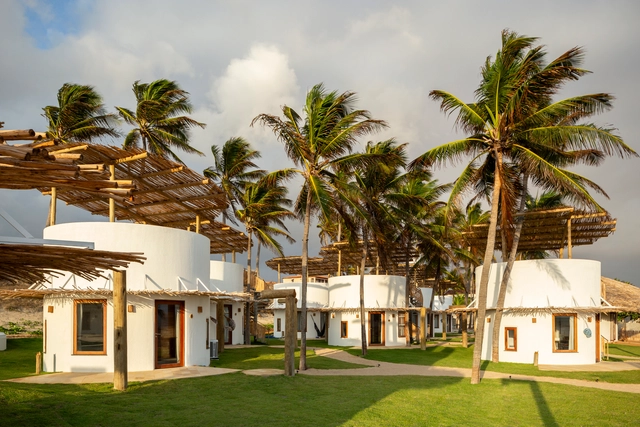
Bruno Stagno from Costa Rica not only reflects on how responses to the environment can be the main foundation for the inspiration and identity of architecture but also suggests going a step further, envisioning architecture for an entire latitude.
We discussed his current concerns and motivations, the shortcomings and necessary innovations in tropical cities, the relationship between academia and professional practice regarding the environment, and, above all, projections for the future of Costa Rican architecture.
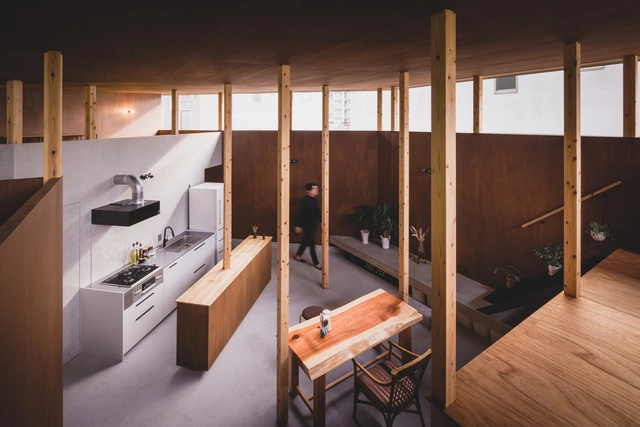
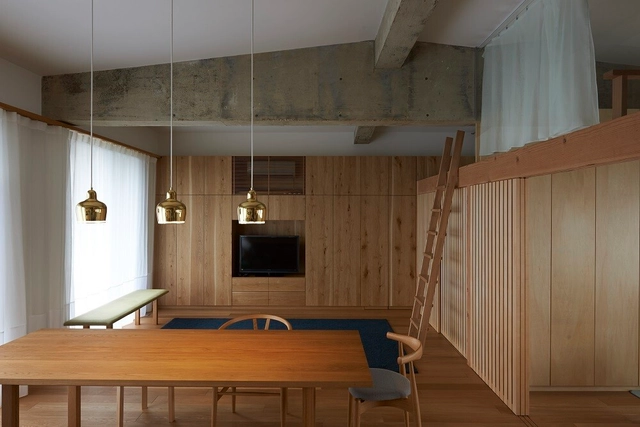
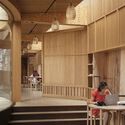
Contemporary Japanese interiors incorporate elements both of tradition and modernity to embody the country's innovative spirit while maintaining a profound respect for its history and cultural heritage. Though traditional materials like wood, paper, and bamboo continue to hold significance, modern Japanese interiors also often feature a fusion of glass, steel, concrete, and metals. The juxtaposition of smoother, sleeker textures and finishes with warmer and more organic ones reflects a dynamic synthesis of old and new, and results in visually striking and functional spaces that honor the essence of the country's design principles.
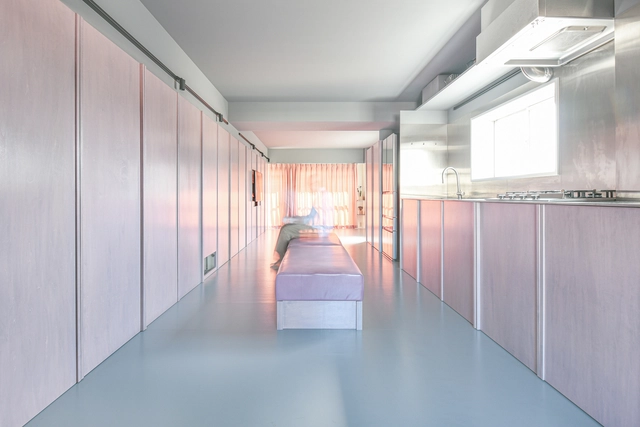
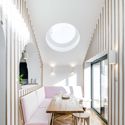
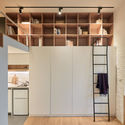
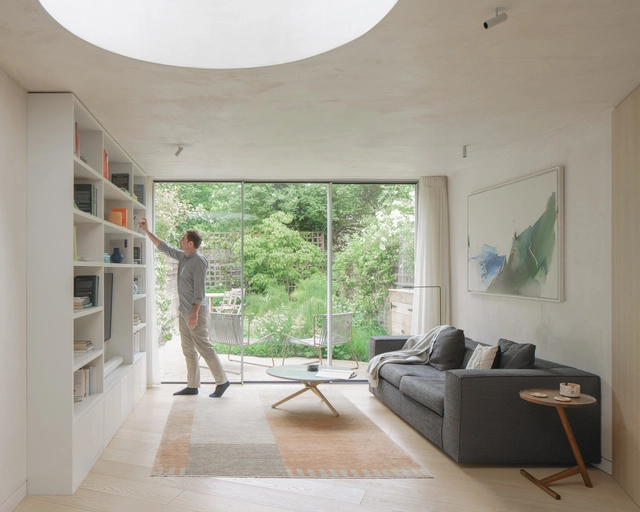
One of the most essential aspects of interior design is lighting – an element that can make or break an interior space of any size or material. Yet good lighting can be especially important for smaller or more crowded spaces, making them feel larger and more open even when their literal dimensions haven’t changed. In turn, larger spaces with poor lighting may feel smaller and less welcoming than they have the potential to be. To make interiors feel aptly large and well lit, designers can rely on several tried and true methods that make the most of a space, from using the right shades and types of lights to placing them in the best locations to integrating other elements that best complement existing lighting. These strategies, as well as several examples of their application, are listed below.
https://www.archdaily.com/947631/how-to-virtually-enlarge-spaces-using-good-lightingLilly Cao
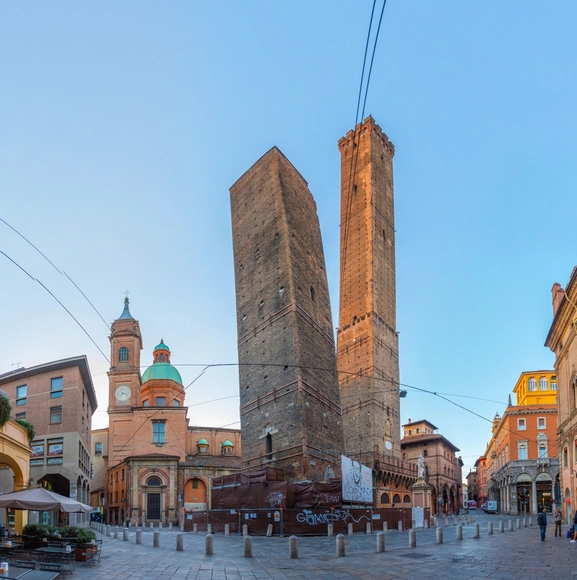
Bologna officials announced plans to secure and repair the leaning Garisenda Tower, a medieval structure in the center of the Italian city. Earlier last month, the area surrounding the tower was secured after raising fears of collapse, as monitoring has found shifts in the direction of the tilt. The 47-meter-tall tower leans at a four-degree angle, similar to its more famous counterpart, Leaning Tower of Pisa. The Garisenda Tower has been a defining feature of Bologna’s skyline along with its neighboring Asinelli Tower, which is around twice the height and also leans, though at a smaller angle, and is usually open for tourists to climb.