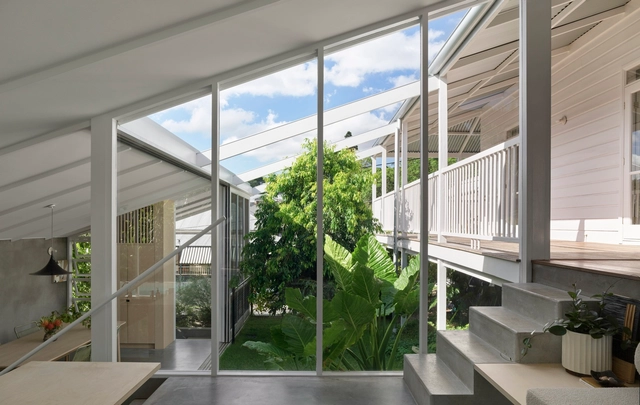


-
Architects: JOHN ELLWAY. ARCHITECT
- Area: 195 m²
- Year: 2021
-
Manufacturers: Bette, Fisher & Paykel, Artemide, Astra Walker, Aussie Woodworks, +15
-
Professionals: Newman Homes, Ingineered


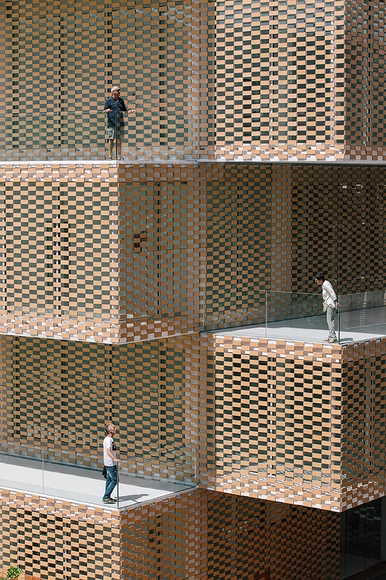
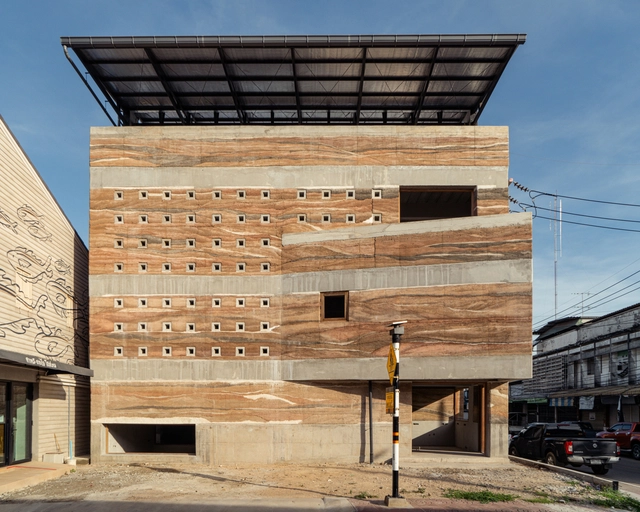
When considering traditional brick facades, we usually conjure up images of solidity and robustness. Solid ceramic blocks, recognized for their ability to withstand compression and offer strength and durability to structures, are materials frequently used in architecture. However, innovation in construction materials has made space for solutions that combine tradition and modernity, transforming the use of materials such as brick. In contemporary construction, the integration of solar control measures has become essential to improve the energy efficiency of buildings, especially in hot climates where the need to mitigate the effects of solar radiation is critical. This is one of the areas in which brick can play a significant role, aided by new technologies.
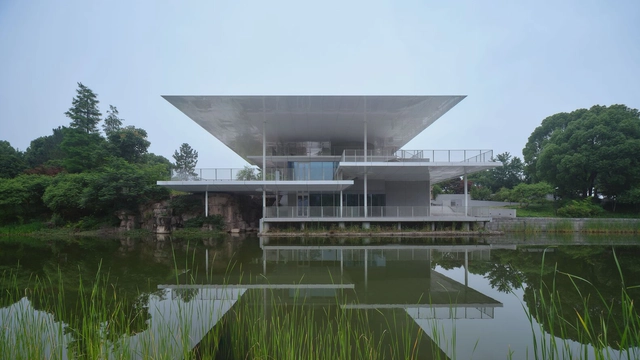
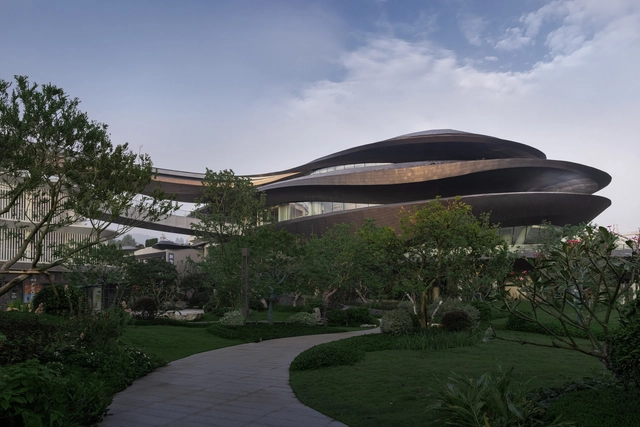
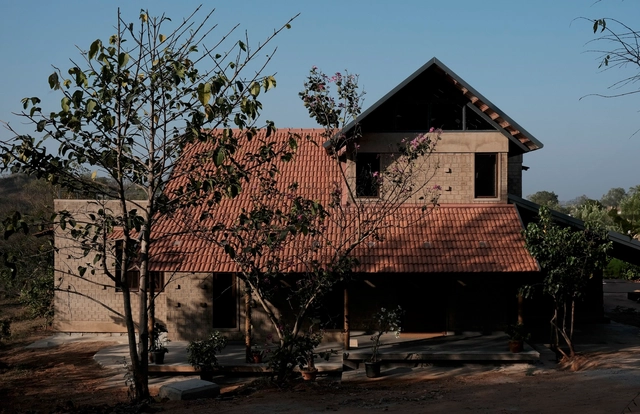
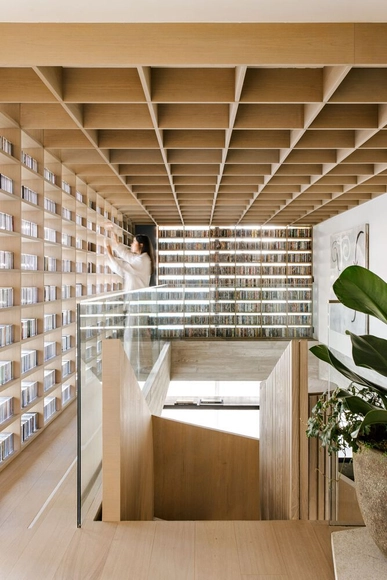
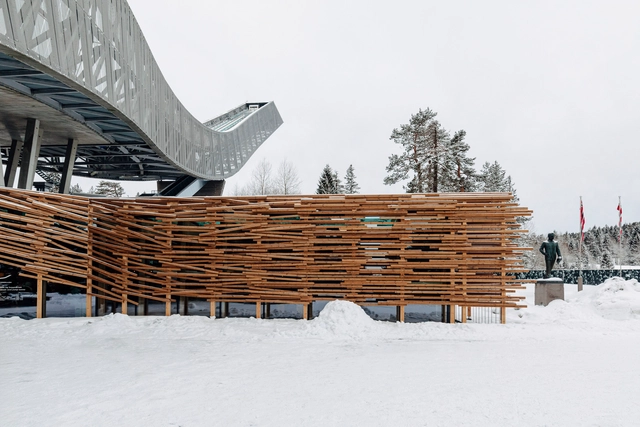
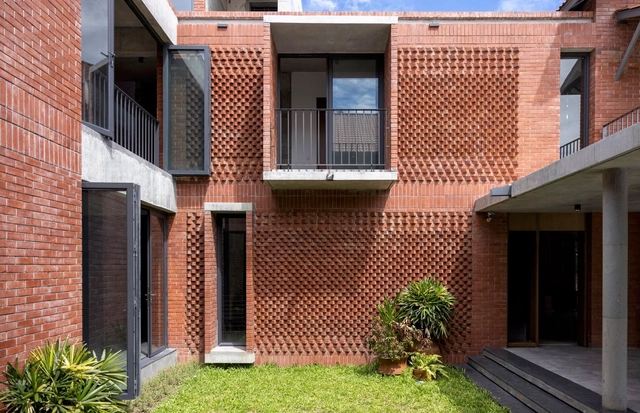
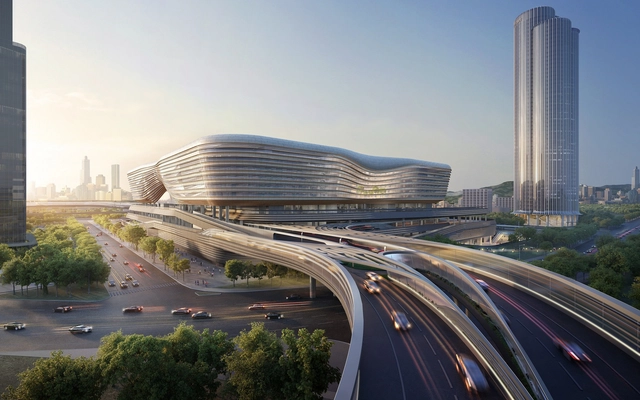
Exploring unbuilt architectural projects by established firms offers a glimpse into the forefront of design innovation and future-thinking concepts. In fact, studying up-and-coming projects provides an opportunity to get ahead of emerging trends and envision the future of the built environment, fostering dialogue around new ideas. With the looming climate crisis in a post-COVID world, this week’s selection of unbuilt projects submitted to the ArchDaily community showcases the scale of problem-solving through city-making and contextual spatial activations.
Whether it’s a vertical neighborhood in Kunming, a life science facility in Manhattan, or a cultural center in Veneria Reale, these unbuilt projects capture the diverse spectrum of architectural visionaries’ progression. Each of these proposals represents a unique narrative, whether seeking to redefine residential living or revitalize urban space. Through these projects, architects can offer the environment a glimpse into the transformative potential of design when used in a problem-solving capacity.
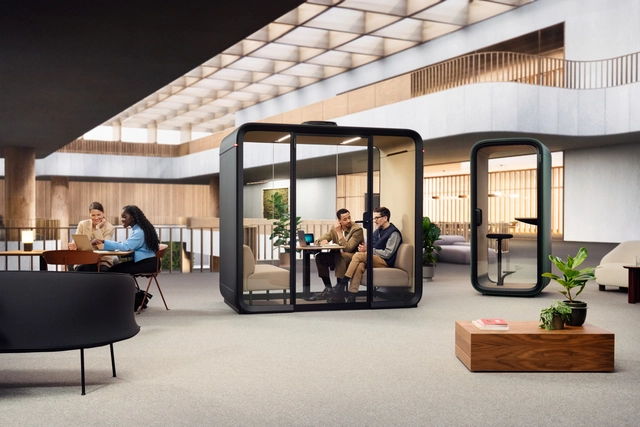
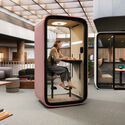
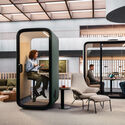
After becoming used to the comfort and autonomy of remote work, experts predict that workplace culture will never completely return to the way things were. Companies can maximize the productivity of their workforce by blending the flexibility of remote with the creative collaboration of in-person work in a hybrid system; but while spare rooms and kitchen tables have been sacrificed to carve out comfortable workspaces at home, the office space—originally designed around a 100% in-person system—needs to accept change too.
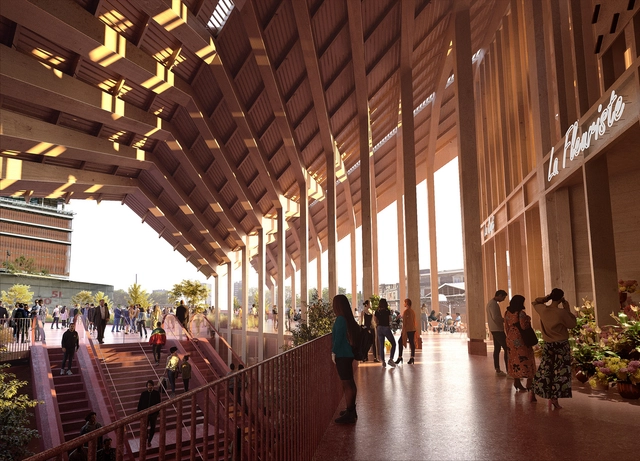
Bjarke Ingels Group and A+Architecture have revealed the design for the 12,000-square-meter Marengo Multimodal Transport Hub in Toulouse, France. The project will expand the functionality of the city’s central station, Gare Matabiau, strengthening the area’s public transport networks by creating a hub for bus, railway, and metro, all connected under one roof. The design of the new hub takes cues from the city’s distinctive roofscape and the traditional use of the rose-colored “foraine” brick, employing a mass timber structure and low-carbon concrete to ensure a sustainable intervention adapted to its environment. The Hub is set to begin construction in 2026.

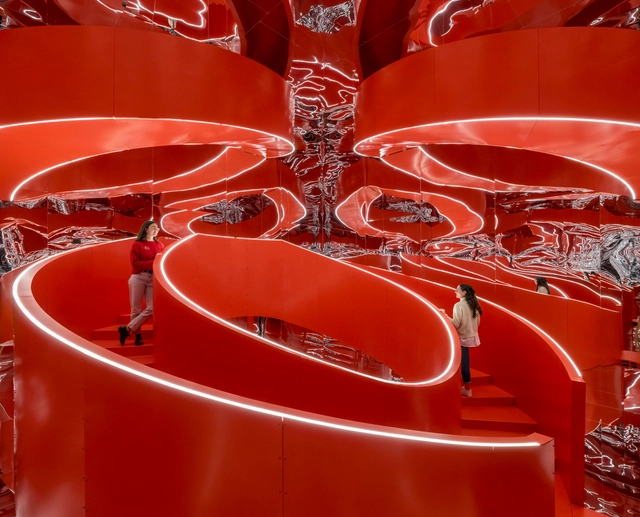
3XN/GXN has just opened its exhibition “Aware: Architecture and Senses,” hosted at the Danish Architecture Center until September 15th, 2024. The display invites visitors to explore, comprehend, and interrogate their relationships with architecture. In collaboration with the Danish Architecture Center, 3XN/GXN delves into the conversation between individuals and spaces, showcasing six life-sized installations.
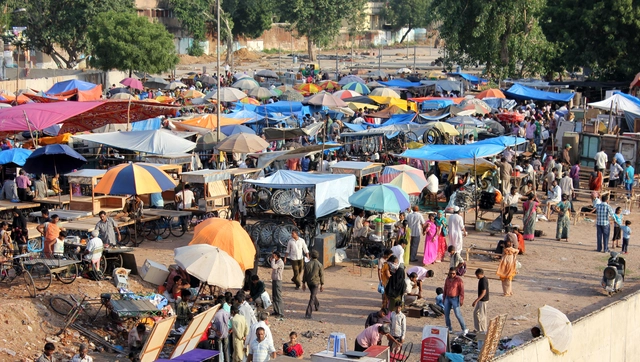
India's urbanscapes are characterized by a negotiation between the formal and the informal; permanence and impermanence. Structured amidst the concrete high-rises and planned neighborhoods, makeshift markets and bazaars form the core of city life. Often composed of sustainable structures, these transient commercial hubs exhibit a form of rudimentary architecture that spreads its roots deep in India's cultural and economic traditions.
The heart of India's informal urbanism lies in its public marketplaces and roadside bazaars that have existed for centuries. These urban zones have a history, believed to have originated from the era of traveling merchants and imperial trade relations. Today, these environments have evolved into dense labyrinths of impermanent shelters made from recycled tin sheets, tarpaulin canopies, and wooden poles. These bazaars organically transform neighborhoods into a choreographed chaos of vendors, goods, and the common public. Weekly markets are usually massive in scale and are set up every few days only to disappear again.




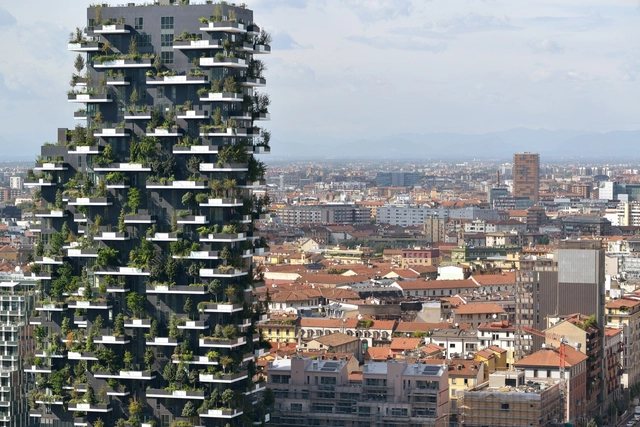
Make the most of Milano with our curated fair and city guides – put together by our expert team of architects and designers to make sure you know exactly what to see and where to go. As Designboom, Architonic, and ArchDaily, our core vision is to inspire, connect and empower. And while we can’t physically steer you in the right direction on the city streets or Salone del Mobile’s redesigned 2024 floor plans, we can make sure you have the optimal tools to locate the biggest discoveries, best new contacts, and most exciting stories: our two curated Milan guides, one to the fair and one to the city.