

-
Architects: NoMaDoS
- Area: 357 m²
- Year: 2023
-
Professionals: Iwaisawa Construction Co., Ltd.


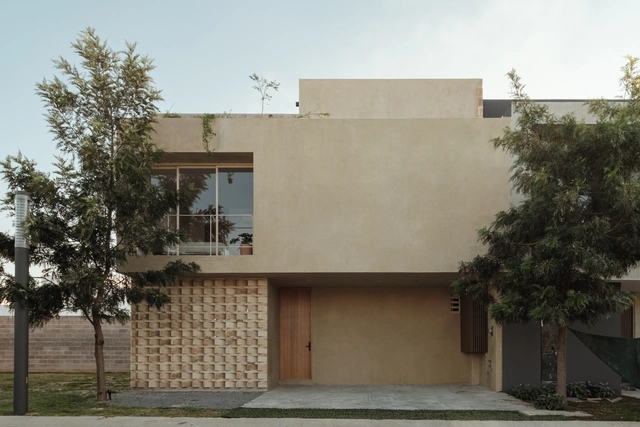
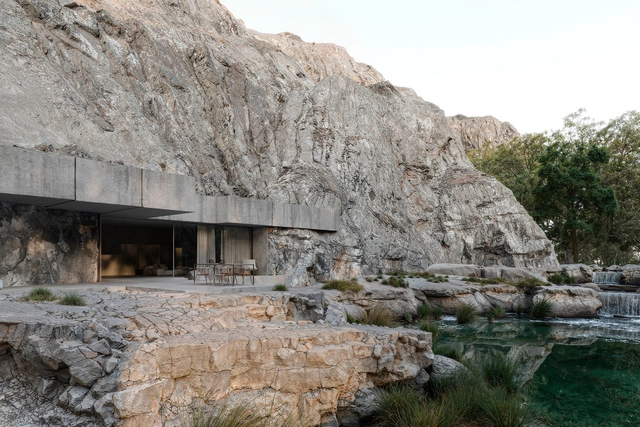
Residential architecture within natural settings presents a distinct departure from urban design. Unlike the densely populated, man-made environments of cities, the context shifts to a pre-existing, often subdued, natural landscape. This necessitates a more responsive and integrated approach, prioritizing harmony with the environment rather than dominance over it. Exploration of conceptual projects in this realm can help foster a deeper understanding of sustainable building practices, material selection appropriate to the ecological context, and the sensitive integration of human habitation into pre-existing ecosystems.
Each month, ArchDaily's editors select a collection of conceptual projects centered around a theme or program, submitted to ArchDaily. These projects are developed by small and large-scale architecture offices from around the world and submitted openly to the ArchDaily platform, thus forming a worldwide community of practitioners sharing their work, be it purely conceptual, a competition entry, or an early-stage design phase. Submissions are open to everybody. If you wish to contribute, send in your work by following the instructions here.

Just two years ago, AI was more science fiction than reality—something to joke about after making dystopian references to movies like I, Robot. But with OpenAI's release of ChatGPT in 2022, interest in AI is at an all-time high as the technology rapidly reshapes industries from tech and law to healthcare and, yes, AEC (Architecture, Engineering, and Construction).
There's an old saying: "When all you have is a hammer, everything looks like a nail" and with AI-driven design tools like Snaptrude, generative automation software like TestFit, and sustainability tools like Cove.tool, it's clear that AI is profoundly impacting the AEC industry in more ways than just one.
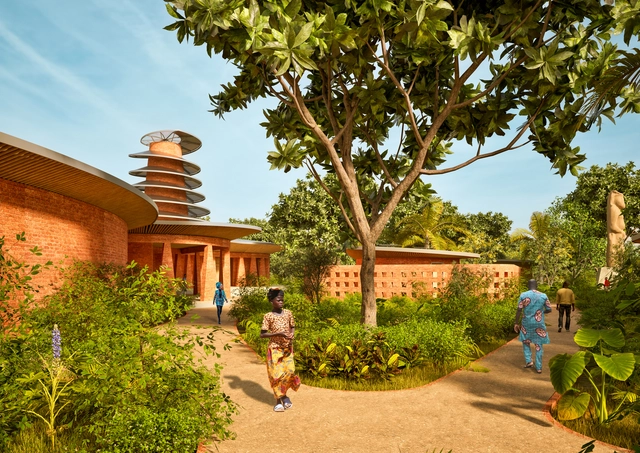
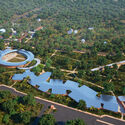
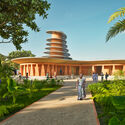
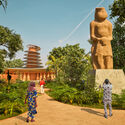
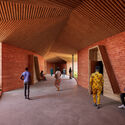
Kéré Architecture has revealed the design of a masterplan and series of buildings dedicated to the cultural and spiritual heritage of the Ewé people in the town of Notsé, in Togo. Commissioned by the Kothor Foundation, the center incorporates a sanctuary, several temples, a large-scale open-air amphitheater, as well as cultural functions such as exhibition halls, an auditorium, restaurants, and a reconstruction of the ancient royal palace of the Ewé Kingdom. The project, Francis Kéré's first in Togo, started construction in October 2024 and is scheduled for completion in February 2026.
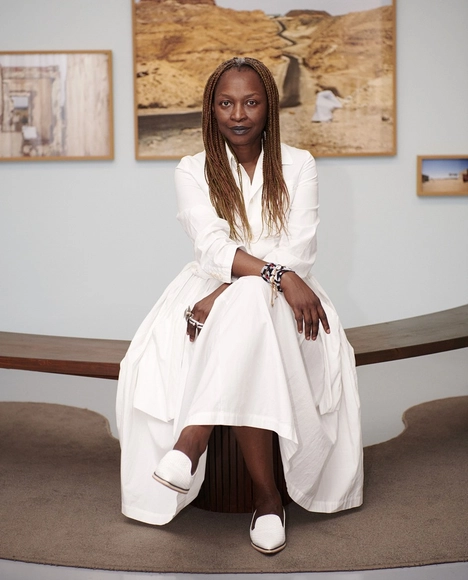
The Board of La Biennale di Venezia has just announced the appointment of Koyo Kouoh as the Director of the Visual Arts Department. Kouoh will lead the curation of the 61st International Art Exhibition, scheduled for 2026. This announcement follows a recommendation by Pietrangelo Buttafuoco, President of La Biennale, who emphasized Kouoh's extensive experience in the global art world and her ability to engage with contemporary artistic and cultural discourse. Born in Cameroon, Koyo Kouoh will become the first African woman to curate the Venice Art Biennale.
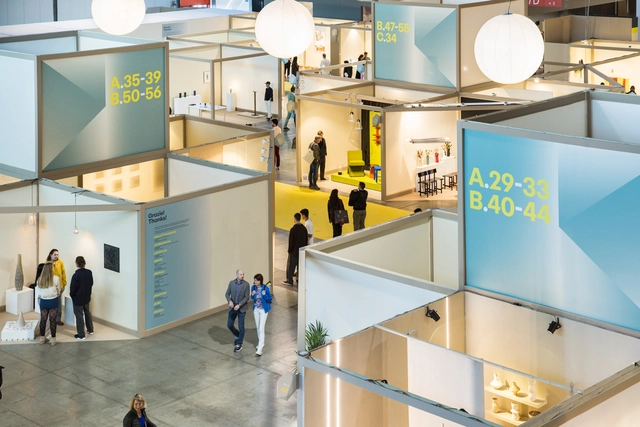
In recent years, the integration of neuroscience and architecture has revolutionized our understanding of how built environments influence human well-being, behavior, and cognition. This interdisciplinary field, known as neuroarchitecture, explores the connections between spatial design, brain function, and psychology, offering insights into creating environments that promote health, creativity, and emotional resilience.