

Creating a model for rendering does have its own set of rules. To get you up and rendering as quickly as possible, here are SketchUp's top five tips for prepping your SketchUp model for rendering.
SketchUp to V-Ray Rendering Tips
| Sponsored Content
https://www.archdaily.comhttps://www.archdaily.com/catalog/us/products/29162/five-tips-for-rendering-in-sketchup-sketchup
Frough-E-Mehr Secondary School / Padiav Parth Architects


-
Architects: Padiav Parth Architects
- Area: 450 m²
- Year: 2023
-
Professionals: A4 Group, Studio Abbasi
https://www.archdaily.com/1023517/frough-e-mehr-secondary-school-padiav-parth-architectsHana Abdel
Pátio IV House / Volume Architecture Lisbon Studio


-
Architects: Volume Architecture Lisbon Studio
- Area: 250 m²
- Year: 2024
https://www.archdaily.com/1023372/patio-iv-house-volume-architecture-lisbon-studioAndreas Luco
Hilti Innovation Center / Carpus+Partner AG


-
Architects: Carpus+Partner AG
- Area: 20509 m²
- Year: 2023
-
Manufacturers: Rieder Group, Sika, Brichta, EWO, FSB - Franz Schneider Brakel GmbH, +9
https://www.archdaily.com/1023481/hilti-innovation-center-carpus-plus-partner-agAndreas Luco
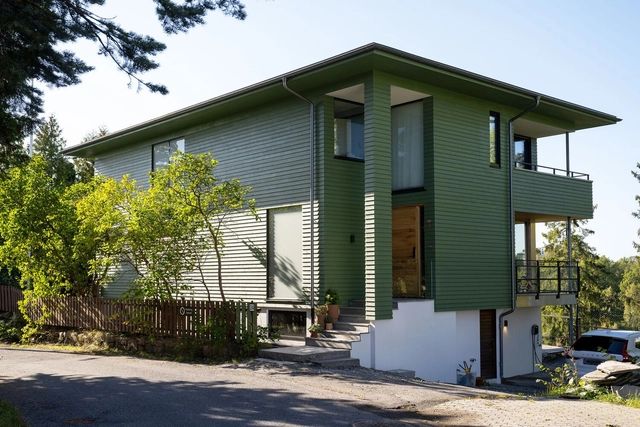
The Green House / MORFEUS arkitekter


-
Architects: MORFEUS arkitekter
- Area: 260 m²
- Year: 2022
-
Manufacturers: FLOS, Svane, Vileroy & Boch, nordvestvinduet
https://www.archdaily.com/1023533/the-green-house-morfeus-arkitekterHadir Al Koshta
Climate-Responsive Temporary Pavilions: Exploring 4 Ephemeral Structures across Europe
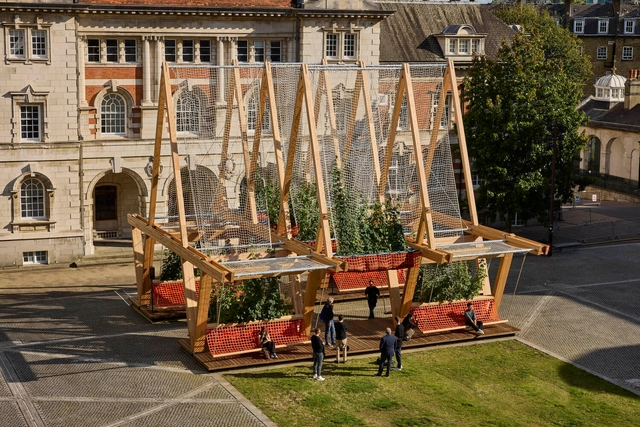
Pavilions offer architects a unique opportunity to experiment, serving as compact spaces that push the boundaries of design and spatial concepts. Free from many conventional functional constraints, these structures allow for artistic expression and the testing of new technologies. Pavilions often act as living laboratories of architecture, positioned in public or cultural contexts. They transform their surroundings into interactive, memorable experiences, providing a stage for architects to showcase their most innovative ideas. In recent years, climate responsiveness has emerged as a crucial focus in pavilion design. By using temporary structures as a testing ground for more sustainable practices, architects can experiment with alternative materials and environmentally conscious approaches that address the climate crisis.


https://www.archdaily.com/1023454/climate-responsive-temporary-pavilions-exploring-4-ephemeral-structures-across-europeNour Fakharany
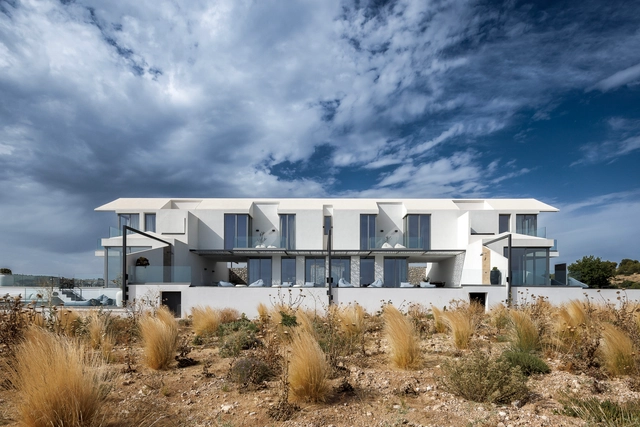
Bridge House / Klab architecture


-
Architects: Klab architecture
- Area: 500 m²
- Year: 2023
https://www.archdaily.com/1023590/bridge-house-klab-architectureAndreas Luco
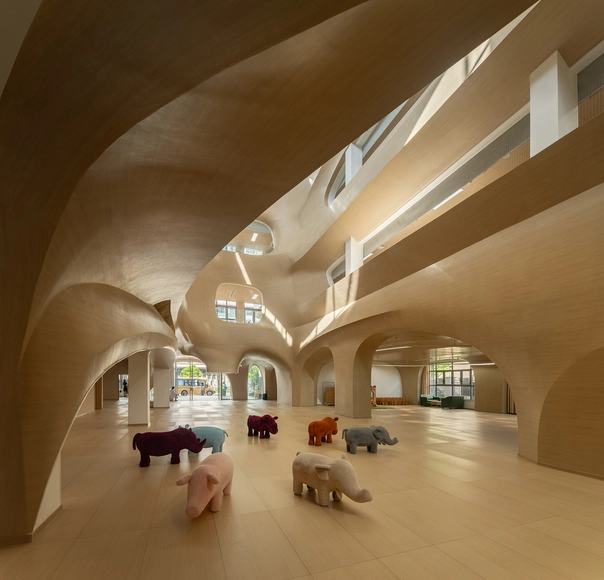
Grin Sunray Kindergarten / ARCPLUS ECADI Shanghai Xian Dai Architectural Decoration & Landscape Design


https://www.archdaily.com/1023534/grin-sunray-kindergarten-arcplus-ecadi-shanghai-xian-dai-architectural-decoration-and-landscape-designValeria Silva
Niddrie Autistic School / Guymer Bailey Architects


-
Architects: Guymer Bailey Architects
- Area: 4950 m²
- Year: 2021
-
Manufacturers: Armstrong, Dulux, Gerflor, Gunnersens, HY-TEC, +11
-
Professionals: JAZ Consultants, CADDS Group, Resonate
https://www.archdaily.com/1023354/niddrie-autistic-school-guymer-bailey-architectsValeria Silva
Green View / 3 Points Consultant
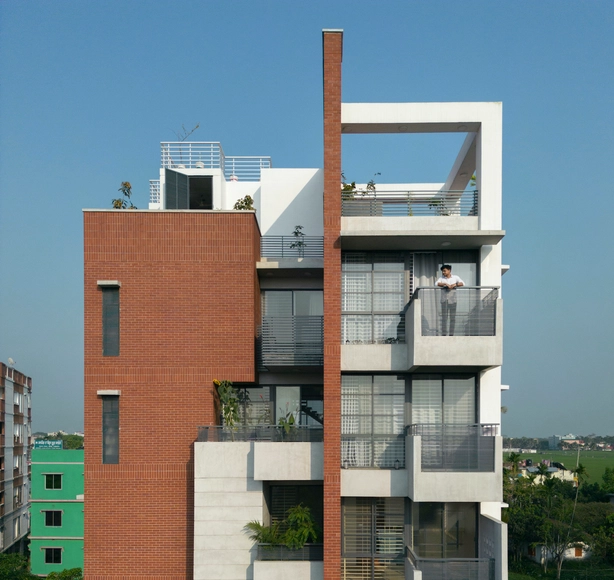


-
Architects: 3 Points Consultant
- Area: 1105 m²
- Year: 2023
-
Manufacturers: Akij Ceramics Ltd., Altech Thai Aluminium Limited, Mirpur and Khadim Ceramics, Nasir Glass, RAK Ceramics Ltd.
-
Professionals: 3 Points Consultant
https://www.archdaily.com/1023467/green-view-residence-3-points-consultantMiwa Negoro
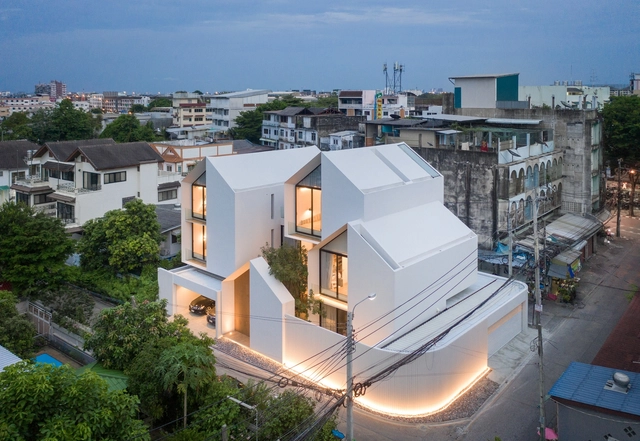


Apartment in Russafa / Quadrat Estudio


-
Architects: Quadrat Estudio
- Area: 110 m²
- Year: 2022
https://www.archdaily.com/1023493/apartment-in-russafa-quadrat-estudioValeria Silva
One by One Flagship Showroom / Between the Walls
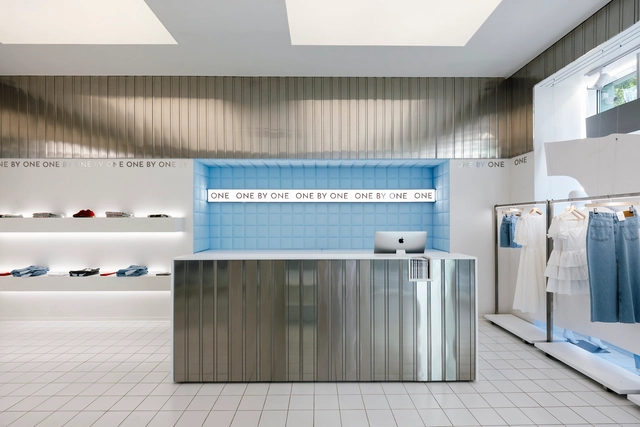


-
Architects: Between The Walls
- Area: 200 m²
- Year: 2024
https://www.archdaily.com/1023604/one-by-one-flagship-showroom-between-the-wallsHadir Al Koshta
Two Houses / Prisma Arquitectura


-
Architects: Prisma Arquitectura
- Area: 250 m²
- Year: 2024
-
Manufacturers: Aluar, FV, Silma, Sitex, ferrum
https://www.archdaily.com/1022512/two-houses-prisma-arquitecturaAndreas Luco
Spatial Equity in Urban Infrastructures: Public Restrooms Addressing Women’s Needs
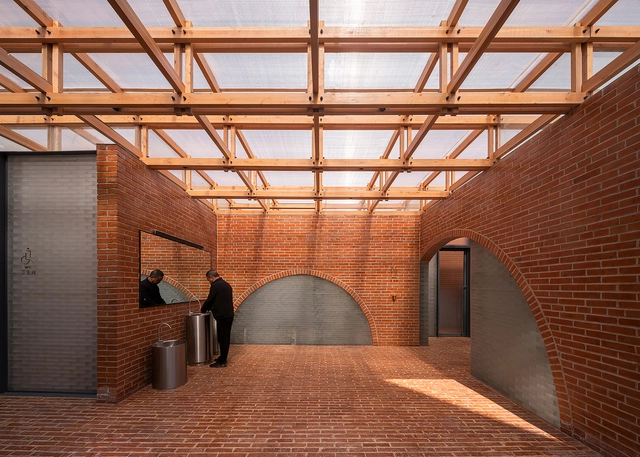
The design of public bathrooms and changing facilities has historically catered to a generalized notion of user needs, often oversimplifying the complexities of gender-specific requirements and falling short of supporting the unique needs of women. These needs extend beyond biological differences—such as the necessity for more stall privacy and differences in height and body posture—to include cultural factors that influence restroom use and expectations over time.
For instance, women's contemporary clothing often lacks adequate pocket space, resulting in the need to carry a handbag, even for simple essentials like phones and wallets. Despite efforts in recent architectural designs to address these disparities, the layered nuances of biological, cultural, and gender identity factors present a multifaceted challenge that defies a one-size-fits-all solution.


https://www.archdaily.com/1023351/spatial-equity-in-urban-infrastructures-public-restrooms-addressing-womens-needsJonathan Yeung
House in an Olive Grove / Invisible Studio
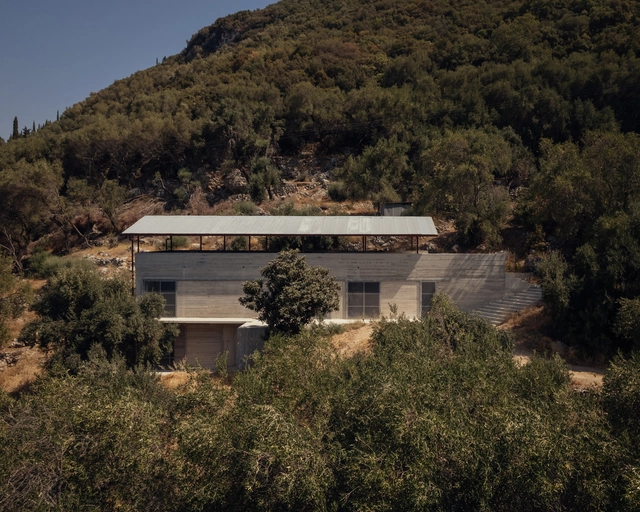


https://www.archdaily.com/1023586/house-in-a-olive-invisible-studioAndreas Luco
The Recessed Residence / WARchitect
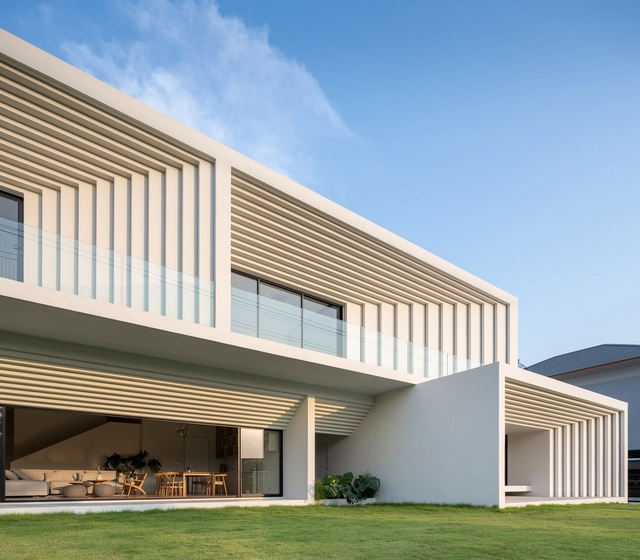


https://www.archdaily.com/1023461/the-recessed-residence-warchitectHana Abdel
Kinya Coffee Shop / Studio Bomb
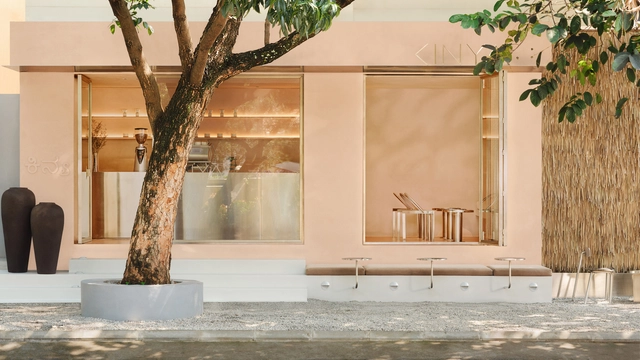


-
Architects: Studio Bomb
- Area: 200 ft²
- Year: 2024
https://www.archdaily.com/1023331/kinya-coffee-shop-studio-bombHana Abdel
The Duo Coffee Shop and Bar / Design Next Agency
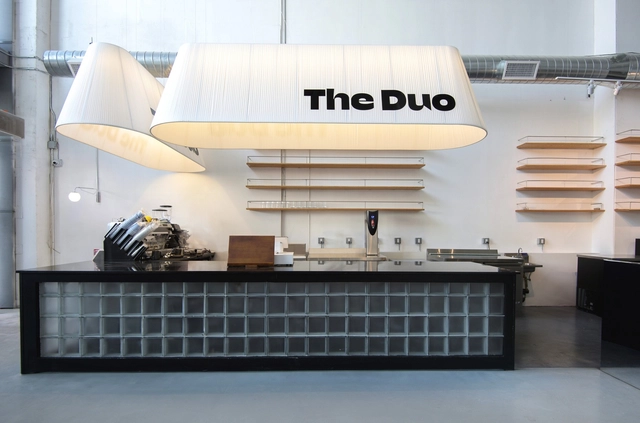


-
Architects: Design Next Agency
- Area: 1070 m²
- Year: 2024
-
Manufacturers: Home Depot, LED Striplights, Signages, Webstaurant
-
Professionals: Vida Signs, Chef Creative Office Inc., BMB Building Consulting
https://www.archdaily.com/1023468/the-duo-coffee-shop-and-bar-design-next-agencyPilar Caballero