


-
Architects: ADDARC
- Area: 395 m²
- Year: 2024
-
Professionals: LBA Constructinon, Olnee Constructions



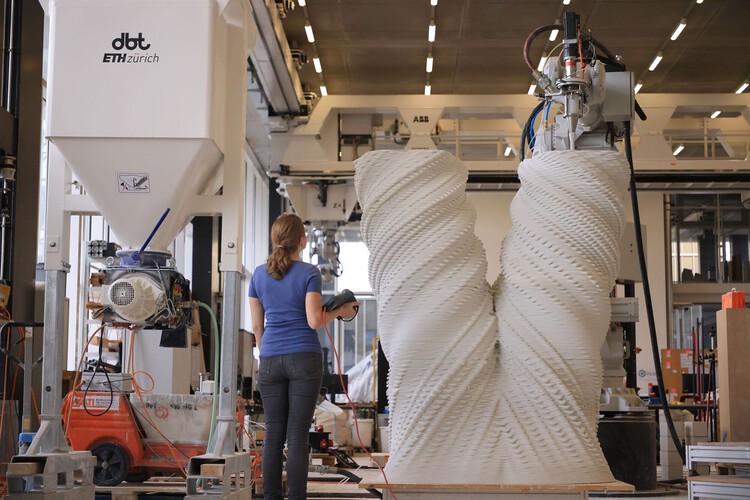
What defines a space first when entering: the sound or the visual impression? Architecture is often communicated through structure and surfaces, yet one of its most essential components moves unseen through the air: sound. It shapes how a space feels long before a wall or ceiling is noticed. Computational design brings these dimensions together, allowing architects and designers to create unique structures where acoustics and aesthetics inform one another rather than exist in parallel. By leveraging advanced algorithms, complex design processes transform into intuitive, accessible solutions that shape bespoke acoustic and visual highlights for every project. This approach combines parametric logic with material innovation, balancing efficiency, sustainability, and expressive design in equal measure.
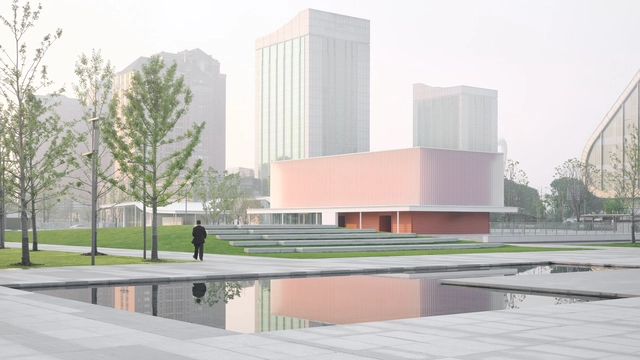
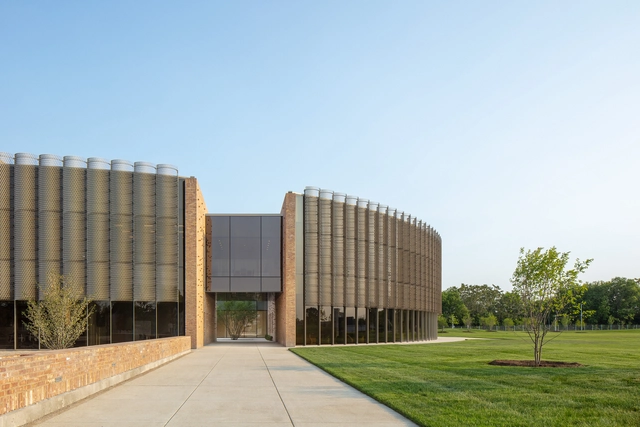

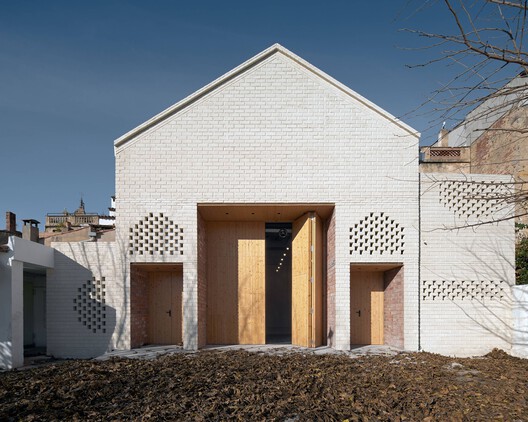
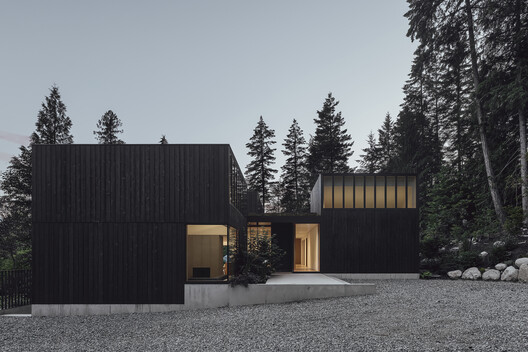

Architectural ornamentation has been a recurrent subject of debate across the industry for decades. A practice that was largely abandoned during the Modernist movement could now be standing on a platform that might, again, allow its resurgence, due to the current convergence of robotics, artificial intelligence (AI), and digital fabrication. Technology has seemingly removed the primary obstacle to decorative detail: the high cost of skilled manual labor. However, this new technical capacity demands a critical examination: What does ornamentation truly represent, and what do we gain or lose by resurrecting it through algorithmic design?


![Cafe Zest / VAHID JOUDI STUDIO [Architecture + Design + Construction] - Coffee Shop Interiors](https://images.adsttc.com/media/images/6929/b1d3/049e/2200/0108/3978/medium_jpg/Zest_Cafe_-_Photo_by_Vahid_Joudi__51_.jpg?1764340489)
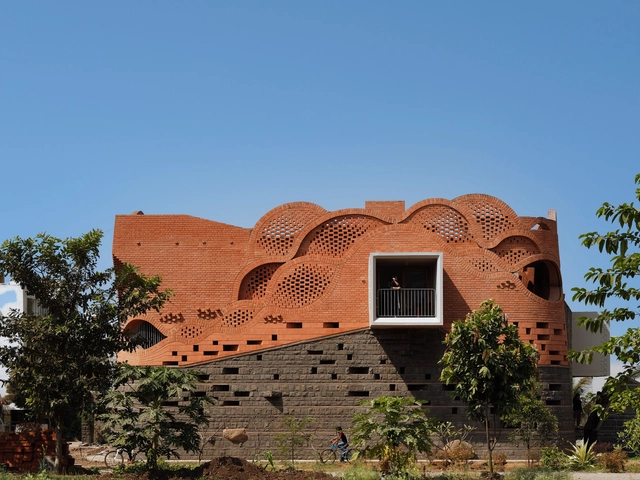


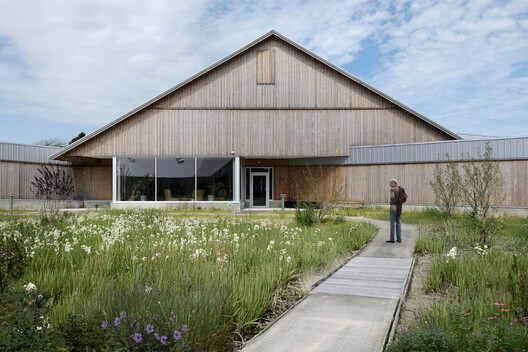






![Cafe Zest / VAHID JOUDI STUDIO [Architecture + Design + Construction] - Interior Photography, Coffee Shop Interiors](https://images.adsttc.com/media/images/6929/b1d2/049e/2200/0108/396e/thumb_jpg/Zest_Cafe_-_Photo_by_Vahid_Joudi__30_.jpg?1764340279 "© Vahid Joudi")
![Cafe Zest / VAHID JOUDI STUDIO [Architecture + Design + Construction] - Exterior Photography, Coffee Shop Interiors](https://images.adsttc.com/media/images/6929/b1d2/049e/2200/0108/3967/thumb_jpg/Zest_Cafe_-_Photo_by_Vahid_Joudi__11_.jpg?1764340312 "© Vahid Joudi")
![Cafe Zest / VAHID JOUDI STUDIO [Architecture + Design + Construction] - Coffee Shop Interiors](https://images.adsttc.com/media/images/6929/b1d3/049e/2200/0108/3977/thumb_jpg/Zest_Cafe_-_Photo_by_Vahid_Joudi__49_.jpg?1764340489 "© Vahid Joudi")
![Cafe Zest / VAHID JOUDI STUDIO [Architecture + Design + Construction] - Exterior Photography, Coffee Shop Interiors](https://images.adsttc.com/media/images/6929/b1d2/049e/2200/0108/396d/thumb_jpg/Zest_Cafe_-_Photo_by_Vahid_Joudi__26_.jpg?1764340878 "© Vahid Joudi")
![Cafe Zest / VAHID JOUDI STUDIO [Architecture + Design + Construction] - More Images](https://images.adsttc.com/media/images/6929/b1d3/049e/2200/0108/3978/newsletter/Zest_Cafe_-_Photo_by_Vahid_Joudi__51_.jpg?1764340489)