-
Architects: Landmak Architecture
- Year: 2016
-
Manufacturers: LavaFurni, Vu Van Xuan


![Symposium: [UN]timely Aesthetics - Featured Image](https://snoopy.archdaily.com/images/archdaily/media/images/58be/cbd0/e58e/ceec/8000/0385/slideshow/open-uri20170307-19063-q58v6j.jpg?1488899018&format=webp&width=640&height=580)
Call For Submission
The conference, organized by the IARC (Independent Architecture Research Colloquia) of the University of Architecture of Innsbruck, is related to the issue of aesthetics; recollecting and reframing the reflections over architecture, representation, formalism, aesthetics, composition and historical changes that have been discussed within the last years. The Symposium’s aim is to collect a comprehensive set of state-of-the-art approaches to the questions of architectural and urban form and thus provide an updated examination of aesthetic, formal and typological investigations.

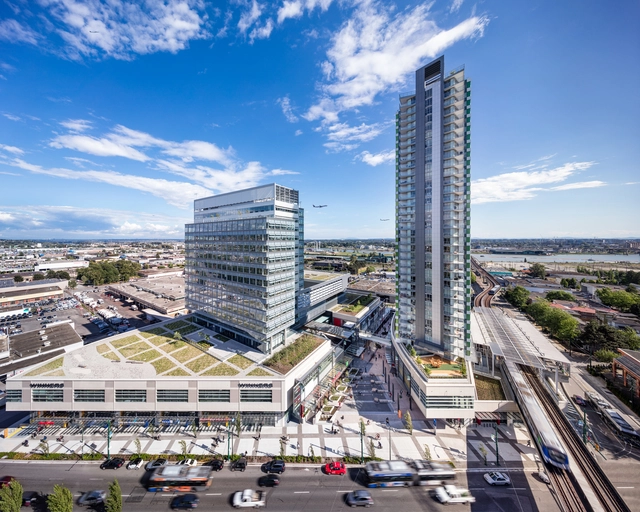
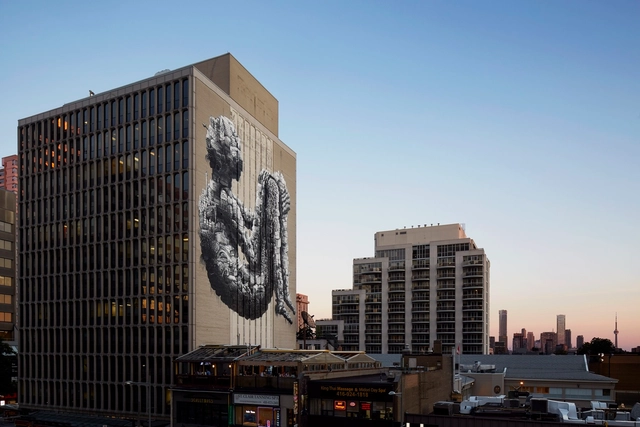
Studio Gang has been commissioned to design their first project in Canada, a mixed-use tower that will be located in the Toronto neighborhood of Yonge + St. Clair. The project is one of several commissioned by Toronto’s Slate Asset Management as part of a larger effort to revitalize the district through the use of public art, world-class design and vibrant streetscapes and open spaces. The area’s first intervention, an 8-story mural by renowned artist Phlegm, was completed last summer.
“Yonge + St. Clair is on its way back,” says Brandon Donnelly, Vice President of Development at Slate Asset Management. “Having occasion to bring Studio Gang’s first project in Toronto to the neighbourhood signals to the rest of the city that we would like to create something special here.”
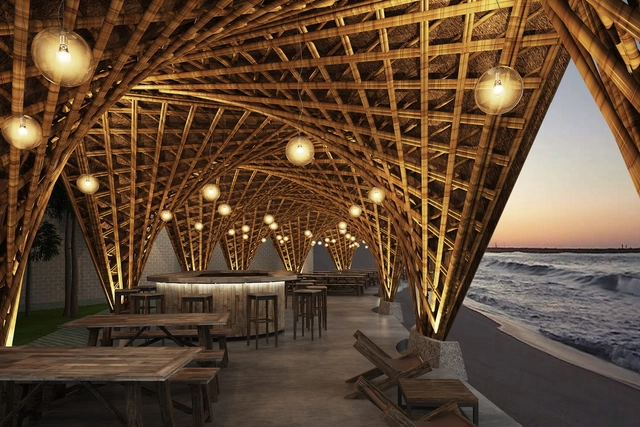
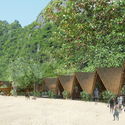
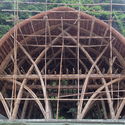
Vo Trong Nghia Architects (VTN Architects), has revealed plans for a remote resort located on a private beach on a tiny island in the Ca Ba Archipelago of Vietnam. The exclusive resort will consist of a series of structures constructed of the firm’s trademark material, bamboo, and will accommodate up to 160 guests. The resort will be located 2 hours from the nearest airport and accessible only by boat, ensuring visitors will be treated to an exclusive experience within the island’s tropical environment.
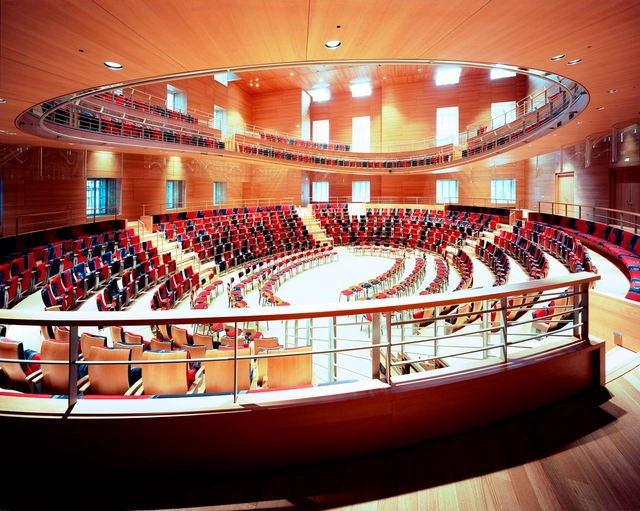
“If it hadn’t been for Frank Gehry, we would have made a simple, straightforward concert hall where students play concerts. But if the space is there, and somebody so gifted, like him, is prepared to do that, then of course you have to do that” - Daniel Barenboim, Founder, Pierre Boulez Saal.
In this Facebook video, Frank Gehry discusses the circumstances of his most recently-completed project, the Pierre Boulez Saal concert hall in Berlin, and the significance of contributing a new venue to Berlin’s historic musical scene.

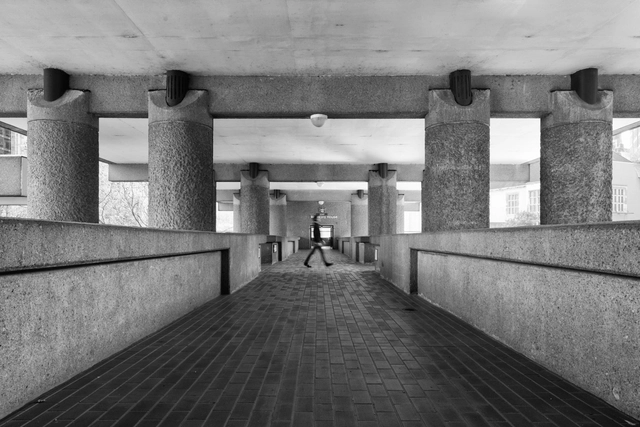
In this second installment of his revamped “Beyond London” column for ArchDaily, Simon Henley of London-based practice Henley Halebrown discusses a potential influence that might help UK architects combat the economic hegemony currently afflicting the country – turning for moral guidance to the Brutalists of the 1960s.
Before Christmas, I finished writing my book entitled Redefining Brutalism. As the title suggests I am seeking to redefine the subject, to detoxify the term and to find relevance in the work, not just a cause for nostalgia. Concrete Brutalism is, to most people, a style that you either love or hate. But Brutalism is far more than just a style; it is way of thinking and making. The historian and critic Reyner Banham argued in his 1955 essay and 1966 book both entitled The New Brutalism: Ethic or Aesthetic that the New Brutalism began as an ethical movement only to be hijacked by style. Today, it is a mirror to be held up to the architecture of Neoliberalism, to an architecture that serves capitalism. More than ever, architecture relies on the brand association of the big name architects whose work has little to do with the challenges faced by society, which are today not unlike the ones faced by the post-war generation: to build homes, places in which to learn and work, places for those who are old and infirm, and places to gather. We can learn a lot from this bygone generation.
_Sean_Douglas.jpg?1488971658&format=webp&width=640&height=580)
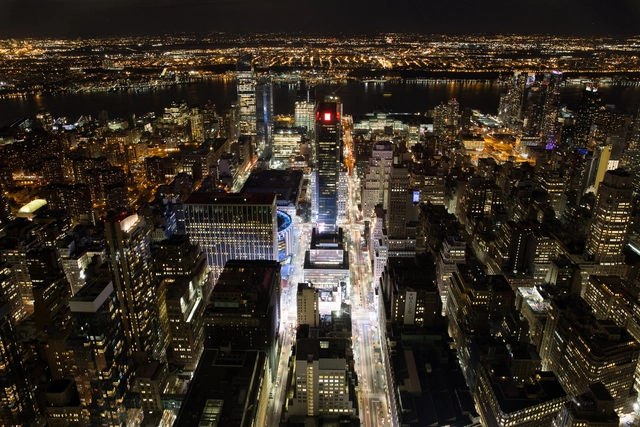
Frank Lloyd Wright once described cities as both ‘our glory and our menace’. With more than half of the world’s population now living in cities, architects are becoming increasingly interested in their origins. Many fields of historical, geographical, and spatial research are devoted to exploring the evolution of cities, revealing a set of similarities across the globe. In a recent video, Wendover Productions described a common set of characteristics linking some of our largest cities, six of which we have outlined below.
Taking the six factors below into account, where is the perfect ‘world city’? Watch the video after the break:
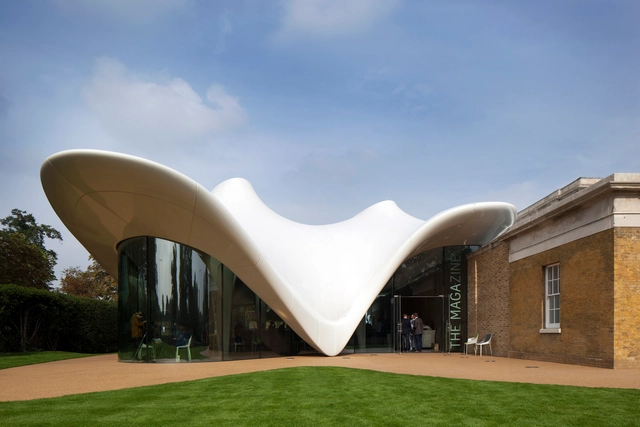
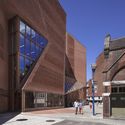
The City of Westminster, England has announced the shortlist for its first People’s Choice Award for the city’s best building from the past decade.
In an effort to engage the public in a debate about what makes a great building, the Westminster City Council asked a panel of architects, developers, councilors, and planners to shortlist 12 designs to be voted on by people who live and work in the city, as well as by visitors. Buildings for the shortlist were chosen based on its use of materials, purpose, and impact on the surrounding space.
"Brilliant architectural design should be recognized for all the fantastic benefits it can have in terms of health and wellbeing, sustainability, and the simple pleasure we all take from having such striking buildings lining our routes home, to shop and to work," said Cllr Robert Davis MBE DL, Deputy Leader of Westminster City Council. "The best people to ask about the impact these buildings have are those who see them day in, day out, and so I am delighted that we have been able to engage the public in a debate about what makes a great building and to promote design excellence."
The 12 shortlisted projects for the Westminster People’s Choice Awards are:






















_David_McKenna.jpg?1489027885 "© David McKenna")
_David_McKenna.jpg?1489028010 "© David McKenna")
David_McKenna.jpg?1489027185 "© David McKenna")
_David_McKenna.jpg?1489028081 "© David McKenna")
_Sean_Douglas.jpg?1488971658)
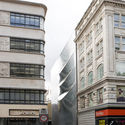
DSDHA.jpg?1488946187 "South Molton Street Building / DSDHA. Image © DSDHA")