

-
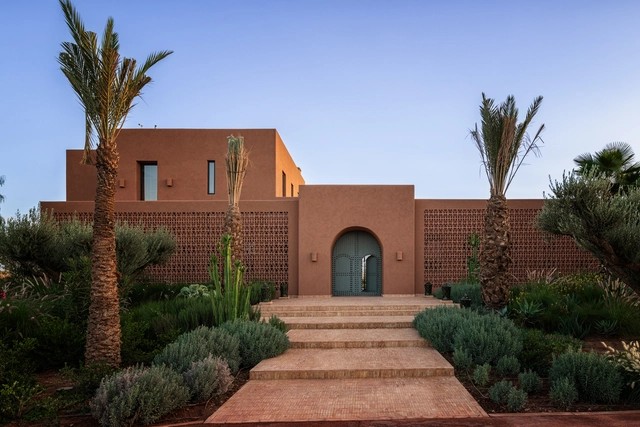
Architects: Studio Symbiosis
- Area: 500 m²
- Year: 2024
-
Manufacturers: Greenheart, Mozaic


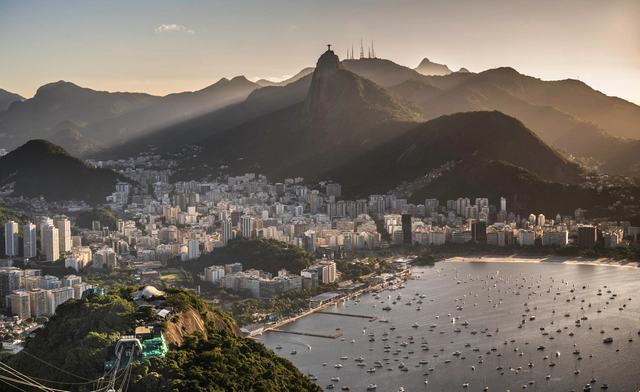
A radiant Rio de Janeiro, bathed in sunlight and carried by the ocean breeze. The beach is full of life—children run across the sand, families enjoy their time together, and laughter drifts through the air. This vibrant postcard from the 1970s, depicting a Cidade Maravilhosa exuding freedom and vitality, sets the stage for "I'm Still Here," a Brazilian film that film which recently won the Oscar for Best International Feature, marking a first for Brazilian cinematography. Further recognizing its merits, the film also received Oscar nominations for Best Actress and Best Picture. The film's setting provides a rich backdrop for exploring the urban landscape of Rio during a pivotal period in its history. As the story unfolds, this bright and open setting gives way to the architectural and urban impacts of the fear and uncertainty of the military dictatorship that ruled Brazil for over two decades.
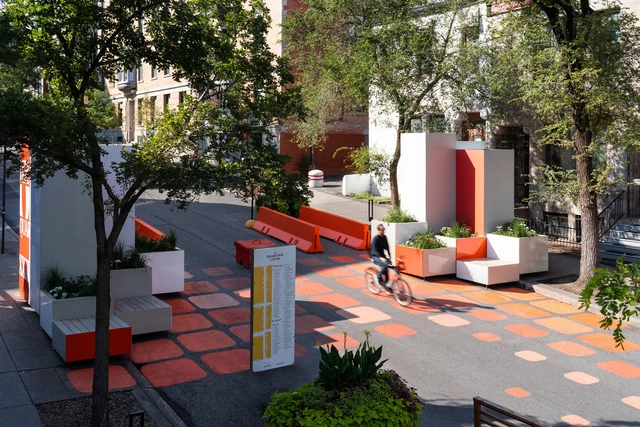
Design disciplines, like user experience (UX) design, have evolved to excel at devising experiences that make digital interfaces navigable. They accomplish this through a deep understanding of user needs and by mapping user journeys with meticulous attention to detail. The city represents a physical interface experienced by multiple users - residents, tourists, people of various ages and genders each experiencing it uniquely. In a time where digital interfaces are crafted for frictionless user experiences, why do many cities remain challenging to navigate?
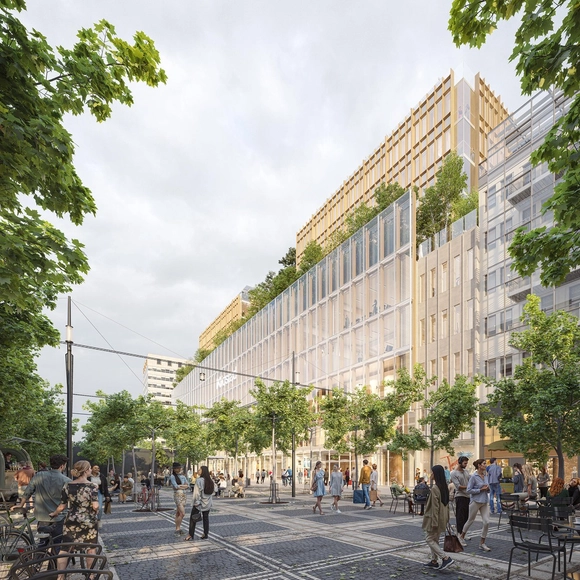
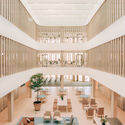
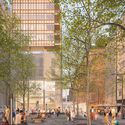
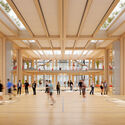
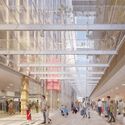
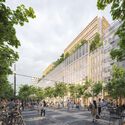
Renzo Piano Building Workshop (RPBW), in collaboration with Holger Meyer Architekten, has won the competition for the new Midstad project in Frankfurt. Led by Joost Moolhuijzen and Erik Volz, the design reimagines the future of European city centers as resourceful and multifunctional. The project involves a 35,000 m² rehabilitation of an existing department store on the Zeil in Frankfurt's city center, integrating a six-story mass timber extension and a mixed-use, community-driven program. The project involves reconstruction during ongoing operation, partial demolition, and the expansion of the existing department store.

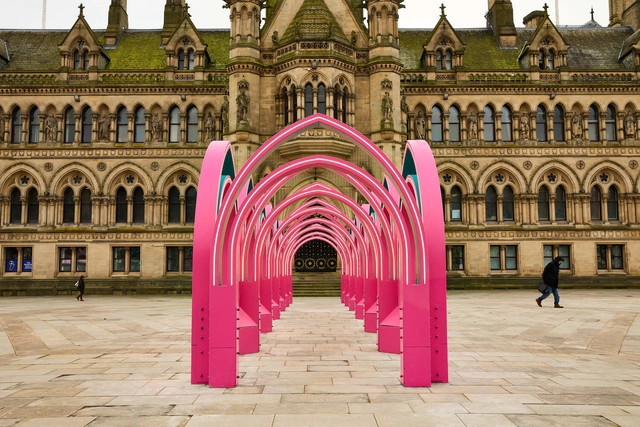
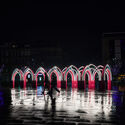
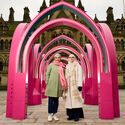
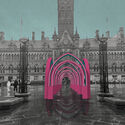
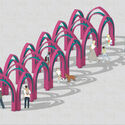
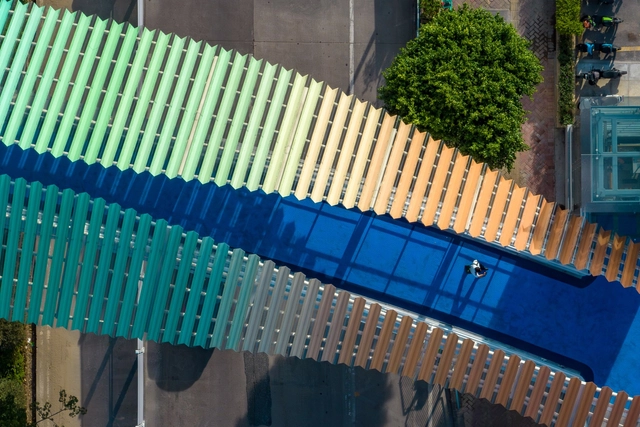
A new site-specific pavilion has been unveiled in Bradford city centre as part of the 2025 UK City of Culture celebrations. Designed by artist Zarah Hussain and architectural designer Fatima Mejbil, Infinite Light marks the beginning of the holy month of Ramadan and the launch of Ramadan Festival 2025. The project has been commissioned by the Ramadan Tent Project in collaboration with Bradford 2025 and follows the inaugural Ramadan Pavilion designed by Shahed Saleem in 2023.
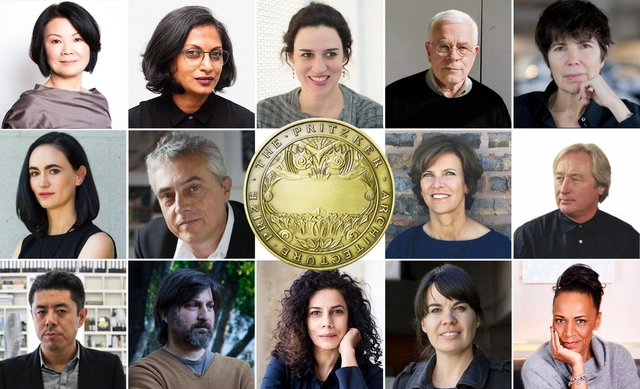
Continuing our annual tradition, we asked our readers who they believe should be awarded the 2025 Pritzker Prize, architecture's most prestigious honor.
Founded by Jay Pritzker and administered by the Hyatt Foundation in the United States, the Pritzker Prize recognizes living architects, regardless of nationality, whose work has made a lasting and meaningful impact on humanity through the art of architecture.