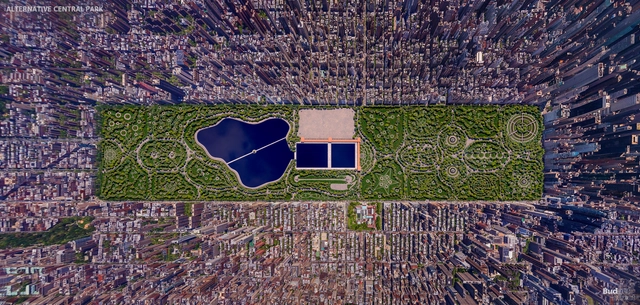
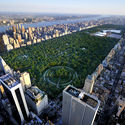
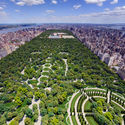
New York’s iconic Central Park was designed in 1858 by F.L Olmsted and C. Vaux, having been chosen in a competition against 32 other entries. The competition called for the design of a park including a parade ground, fountain, watchtower, skating arena, four cross streets, and room for an exhibition hall.
Of the 32 alternative entries, only one survives to this day. The sole survivor was drawn up park engineer John J. Rink. To give an indication as to how Rink’s plan would have aged in the Big Apple, NeoMam Studios and Budget Direct have published a set of visualizations derived from the design. Find out below what one of the world’s most iconic green spaces could have looked like if a 160-year-old decision had been different.
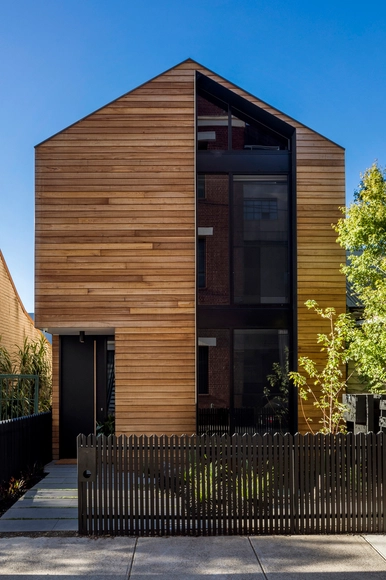
Due to the rising demand for housing, apartments around the world are becoming smaller and smaller. In addition, these plans for housing units do not always provide functional and comfortable living arrangements for its residents, challenging architects to think of ways to turn this situation into something desirable. Below, we've selected ten Brazilian projects that find creative solutions for small-scale housing.
https://www.archdaily.com/904185/10-brazilian-apartments-under-65-square-metersEquipe ArchDaily Brasil
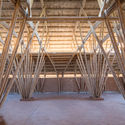
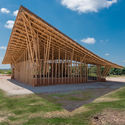
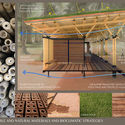
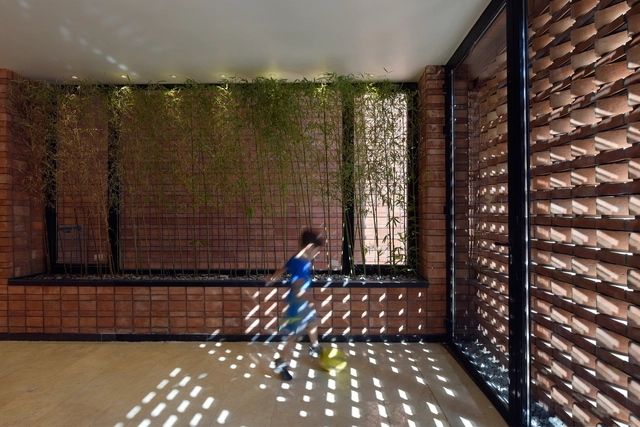
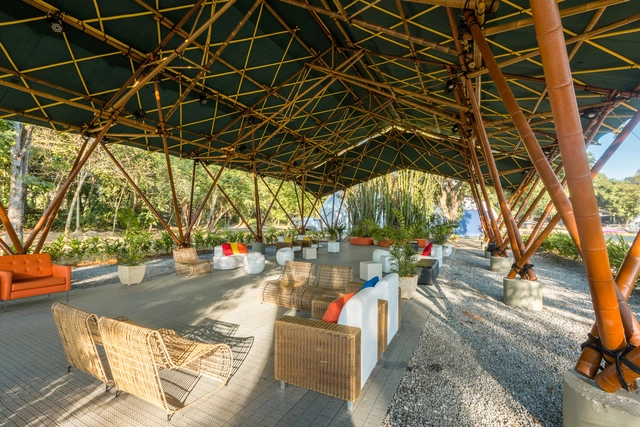
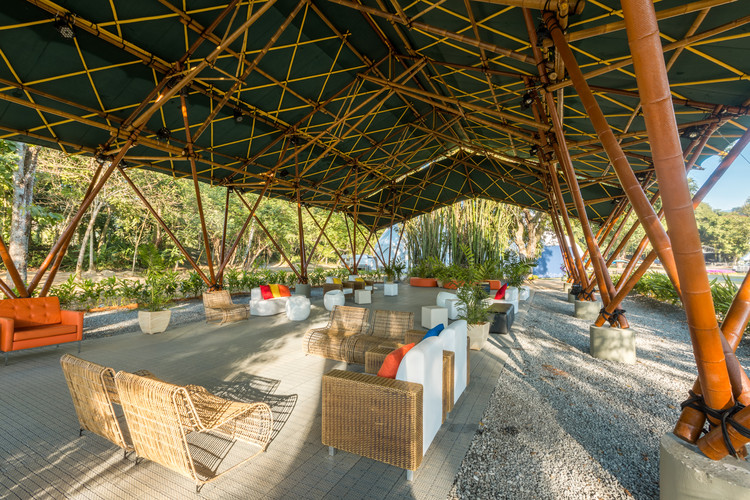
Bamboo is an ancient building material that has been used in a variety of countries and building types. A sustainable material with a unique aesthetic, it is arguably one of the greatest architectural trends of the moment.
This material's structural and sustainable qualities demonstrate that bamboo can be three times more resistant than steel and grow about 4 feet (1.22 meter) in just one day.
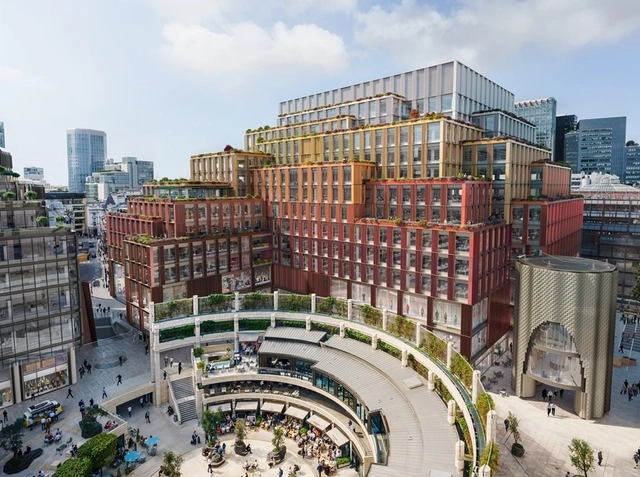
Allford Hall Monaghan Morris Architects have released plans for a mixed-use shopping and office block to replace 1-2 Broadgate on the City of London campus. The multi-colored block design will include 74,000 square meters of commercial space as part of the revitalization of the iconic 1980s office complex. Linked to Liverpool Street station, the new development would include retail and leisure as part of the new shopping center.
This article was originally published on April 27, 2017. To read the stories behind other celebrated architecture projects, visit our AD Classics section.
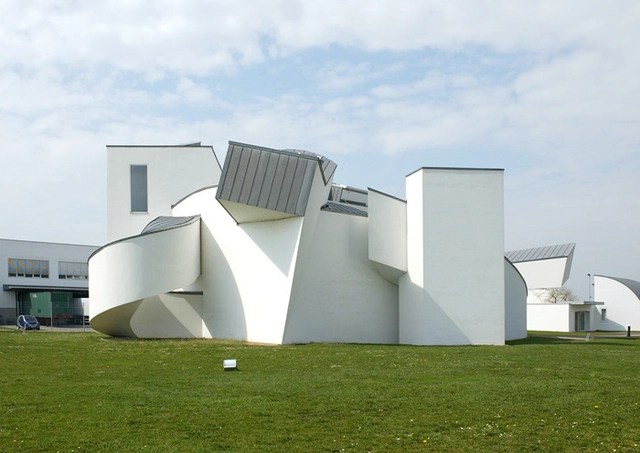
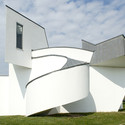
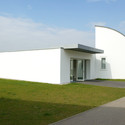
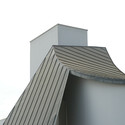
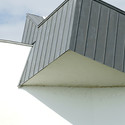
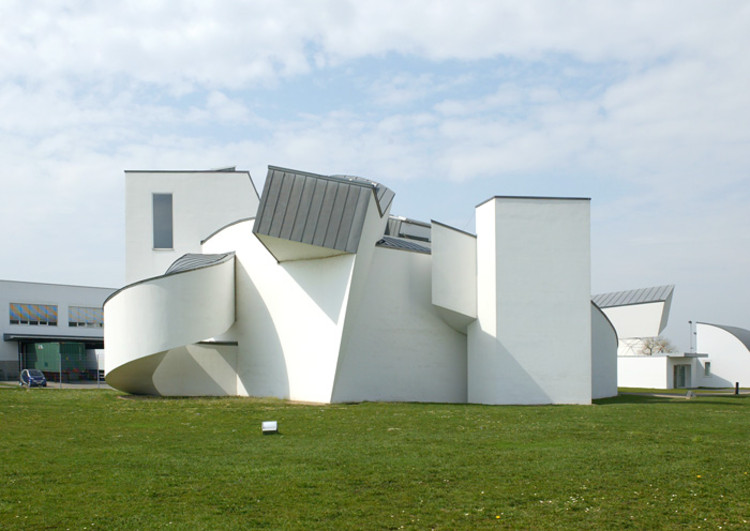
Even at the Vitra Campus in Weil-am-Rhein—a collection of furniture factories, offices, showrooms, and galleries, many of which are the products of iconic architects—the Vitra Design Museum stands out as exceptional. With its sculptural form composed of interconnected curving volumes, the museum is the unmistakable work of Frank Gehry – an architect who has built a legacy for himself upon such structures. What may not be immediately apparent is the crossroads that this serene white building represents: it was in this project at the southwestern corner of Germany (close to the Swiss border) that Gehry first realized a structure in the vein of his now signature style.
Meis Architects have released new renderings of the FC Cincinnati soccer stadium in Ohio. After FC Cincinnati won their bid to become a Major League Soccer (MLS) team, the design was made to seat 26,500 people at a cost of $200 million. The stadium will be built with a retractable roof canopy and ETFE pillows that can be lit with the soccer club’s blue and orange colors.