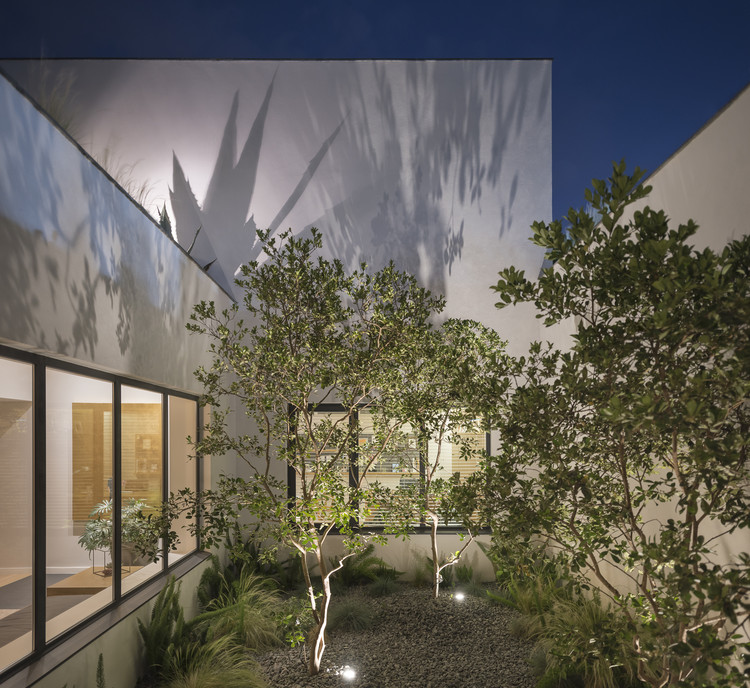
-
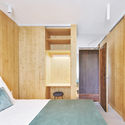
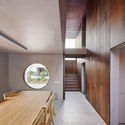
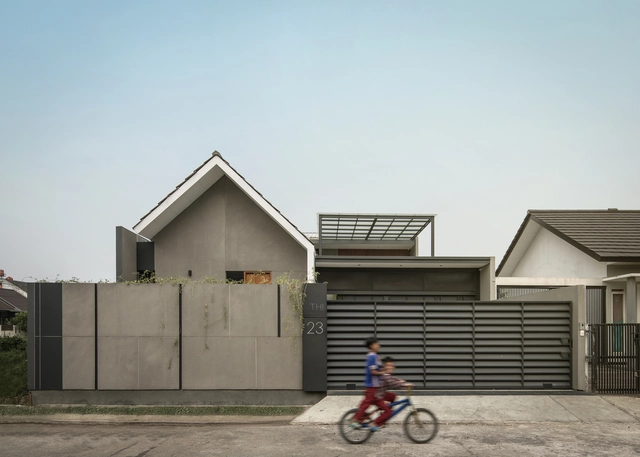
Architects: Weber Arquitectos
- Area: 420 m²
- Year: 2018
-
Manufacturers: Grupo Arca, Hunter Douglas, Interceramic


.jpg?1572448930&format=webp&width=640&height=580)
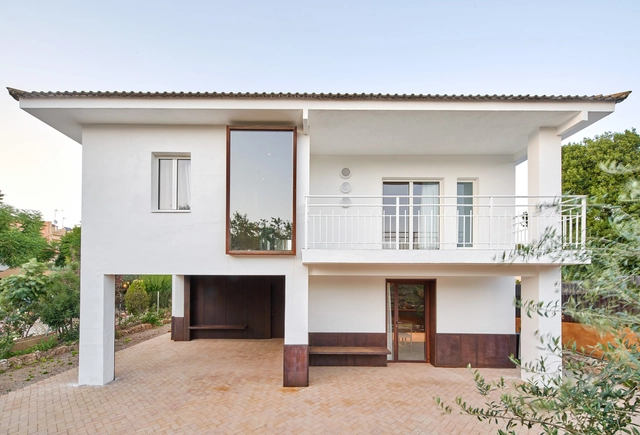
The Royal Institute of British Architects has announced two more homes for the House of the Year 2019 shortlist. A Restorative Rural Retreat for Sartfell, a stone property in the middle of a nature reserve on the Isle of Man and Black House, a cantilevered black timber box in Skye lowered onto a rocky foreshore – are the third and fourth homes to be shortlisted.
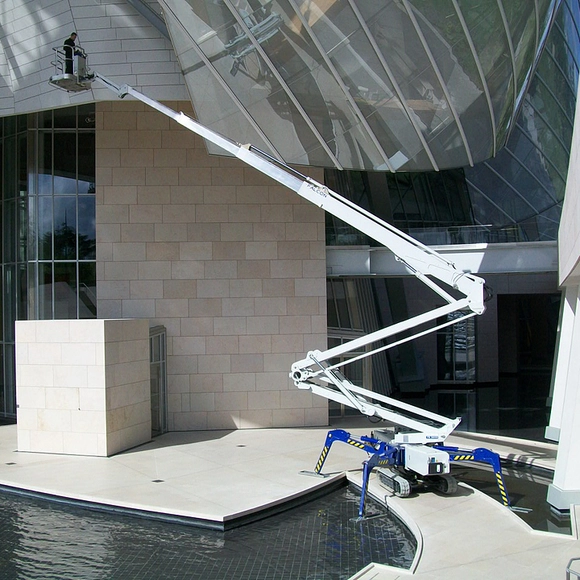
Architecture and design influence not merely the aesthetics of buildings and other physical surroundings, but also the way individuals perceive and go about performing everyday activities. Contemporary architecture considers and shapes the behavior of people, whether at home, at work or during leisure activities. In this regard, contemporary architecture increasingly incorporates diverse materials with different and unique qualities in order to create surroundings that facilitate the intended and naturally occurring behavior of visitors and everyday users. Architects thus create spaces that enable people to perform daily tasks and a range of everyday social activities. However, architects also play a vital role in securing the future maintenance of newly designed buildings in order to ensure the continued existence of these physical spaces.


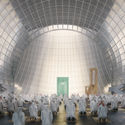
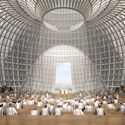
Safdie Architects’ entry for the Abrahamic Family House competition located in the Saadiyat Island Cultural District, in Abu Dhabi, brings together a mosque, a synagogue, and a church within a shared public park.
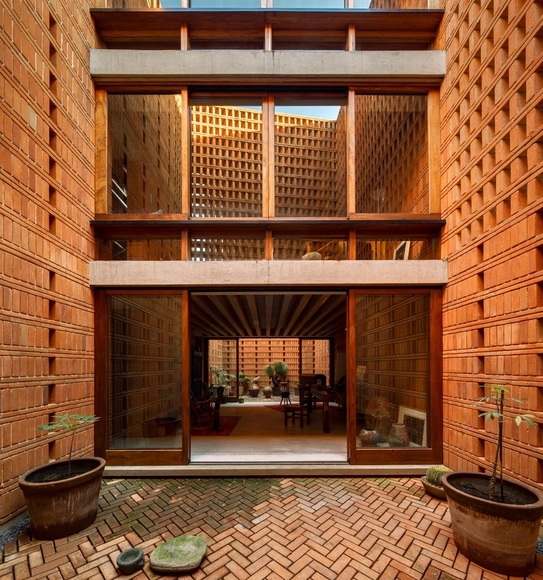
The 2A Continental Architectural Award was founded to pay tribute to the living architect or architects whose architecture and artwork exhibits a blend of those qualities of ability, vision, flair, and dedication. Under the leadership of Ahmad Zohadi, who is head of organizing committee and also an Architecture Scholar himself 2ACAA strives to achieve the vision of cultural integration, honor the architecture and architects that may have produced regular and noteworthy contributions to the human race and the built environment by making use of art and architecture.
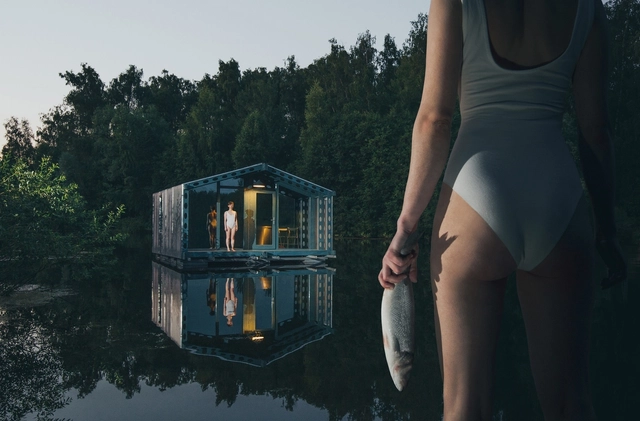
Halloween. A day plagued by ghost, ghouls, and goblins. Historically, on All Hallows' Evening, many believed that spirits could return to the earthly world. On this frightful occasion, we’re highlighting phantoms from the beyond that have entered the architectural realm. Below, 13 hellish projects and their supernatural counterparts. Scroll down if you dare.
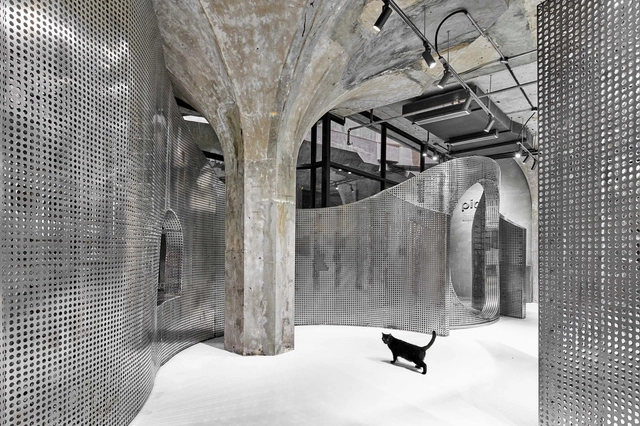
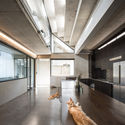
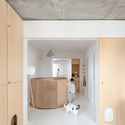
Cats just don’t care. They don’t care if you bought them gourmet food. They don’t care if you got them customized furniture or luxury cardboard boxes, and they definitely don’t care if they are barging into an architectural photo shoot (although, we do think it’s their way of being the center of attention).
Don't believe us? Here's a collection of photographs collected from our projects database where cats are clearly not trying to steal the spotlight.

How to build light and modular facades with a rustic and monolithic appearance?
Composed of cement, cellulose, and mineral materials, fiber cement allows us to clad walls in a light, non-combustible, and rain-resistant way, generating facades with different textures, colors, and tones. Its panels are easily manageable and perforable, and can configure ventilated facades when installed with a certain separation between the rear wall. Check out 9 projects below that have cleverly used fiber cement as the primary material in facades.
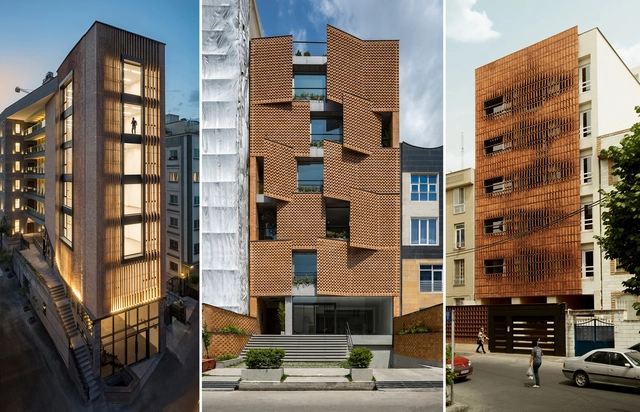
Iran’s architecture has long been rooted in Persian culture. From tea houses and pavilions to domestic huts and elaborate mosques, the country’s built environment is tied to these influences, as well as the landscape and its broader context. At the heart of Iran’s more recent projects is a desire to reinterpret history through new spaces and forms.
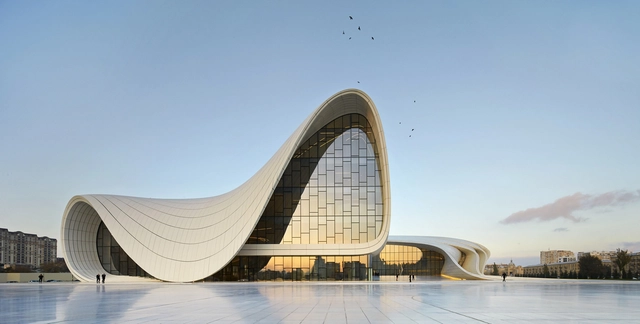
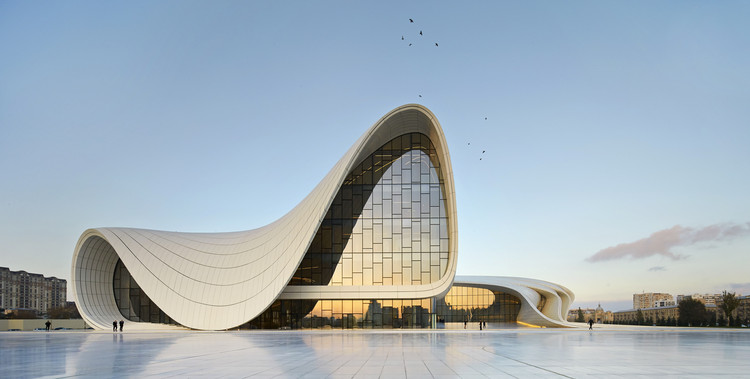
In her lifetime, Pritzker prize-winning architect, fashion designer and artist Zaha Hadid (31 October 1950 – 31 March 2016) became one of the most recognizable faces of our field. Revered and denounced in equal measure for the sensuous curved forms for which she was known, Hadid rose to prominence not solely through parametricism but by designing spaces to occupy geometries in new ways. Despite her tragically early death in March of 2016, the projects now being completed by her office without their original lead designer continue to push boundaries both creative and technological, while the fearless media presence she cultivated in recent decades has cemented her place in society as a woman who needs just one name: Zaha.