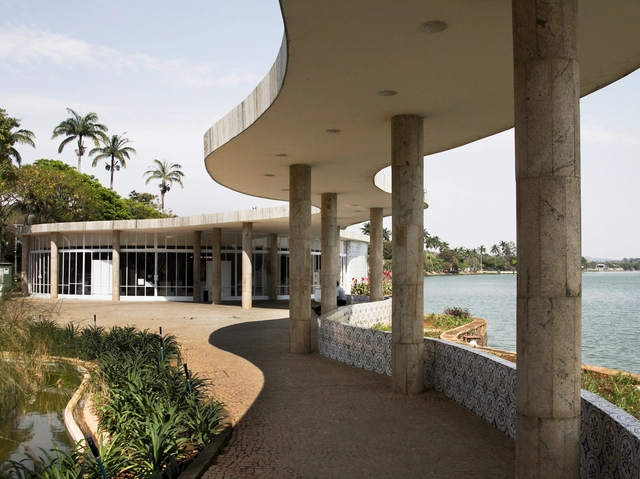
World Heritage Site is the title given to specific places on the globe (landscapes, cultural routes, cities, or architectural structures) by the United Nations Educational, Scientific, and Cultural Organization, or UNESCO, as a way to recognize their natural or cultural relevance and to encourage their preservation. Up to 2019, 1121 places in over 167 countries have been declared World Heritage Sites, of which 869 are cultural, 213 natural and 39 are mixed category.
Used in Mexico City and in Reno, Nevada, Streetmix allows users to experiment and participate in the design of their streets. This bottom-up approach is a participatory tool that can include everyone in the decision making, without particular technical knowledge.
Gone are the days when the kitchen was relegated to a service area. Following the traditional system of bourgeois residential tripartition (dividing the house into social, intimate, and service areas), the kitchen was originally designed as an independent and closed space. Today, more and more, projects seek to integrate and relate it to other rooms in the house, facilitating different interactions among its residents. Due to this transformation, the appearance of the kitchen also changed, and traditional ceramic and stone cladding gave way to new materials.
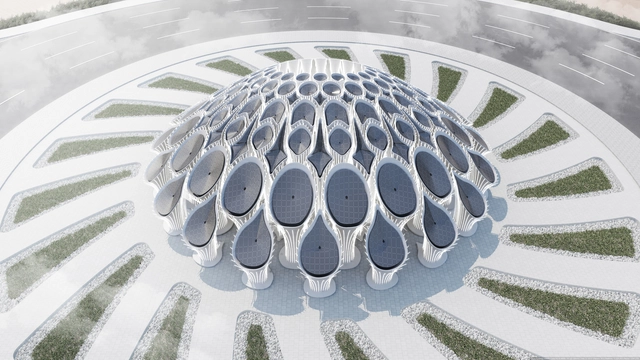
MEAN* or Middle East Architectural Network has proposed an intervention for Expo 2020 Dubai. The Boulevard Roundabout Pavilion, an 8-meter structure, will be an unmissable iconic proposal that welcomes the public to the world event.






























































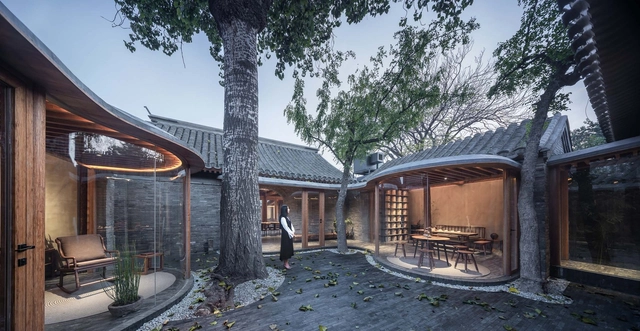


©王.jpg?1577964511 "2nd courtyard . Image © Ning Wang")