


-
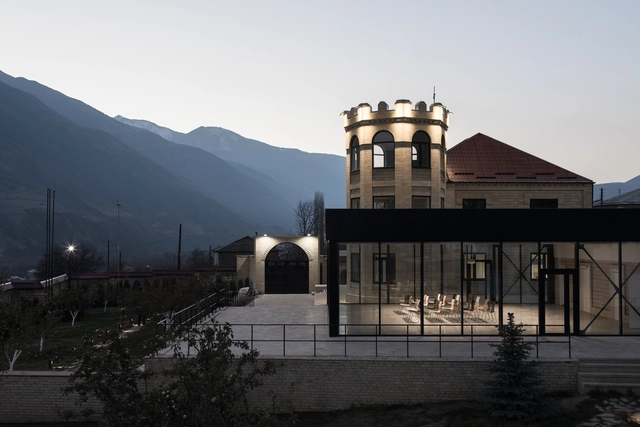
Architects: Archiproba
- Area: 2500 m²
- Year: 2018
-
Manufacturers: AutoDesk, GRAPHISOFT, Производитель





The COVID-19 Pandemic is a disruptive moment for our world, and it’s poised to spur transformative shifts in design, from how we experience our homes and offices to the plans of our cities. The webcast series Design Disruption explores these shifts—and address issues like climate change, inequality, and the housing crisis— through chats with visionaries like architects, designers, planners and thinkers; putting forward creative solutions and reimagining the future of the built environment.

Episode 2 will be streamed online on ArchDaily, YouTube and Facebook today, Monday, July 6, at 12 pm EST, and will focus on the future of the office. Our guests will be Eliot Postma, partner at London-based Heatherwick Studio, and Verda Alexander, co-founder of San Francisco-based Studio O+A.





Hungarian analyst and cartographer Robert Szucs shared with ArchDaily another of his series of maps, this time addressing the population distribution on Earth. A large blackboard, identifying only the geopolitical boundaries of countries and continents, reveals bright constellations, representing human agglomerations and the world's great voids.


Although chemist and inventor Otto Rohm had first come up with the idea for plexiglass in 1901, it wasn’t until 1933 that the Rohm & Haas company first introduced it to the market under the trademark name Plexiglas. The material, which is considered a lightweight and shatter-resistant alternative to glass, has had a fascinating history and experienced a multitude of different uses in that time. Today, plexiglass continues to be utilized in new and interesting ways, including as a potential means with which to help combat coronavirus spread. Restaurants, stores, and other businesses have begun using plexiglass partitions as protective shields for both workers and customers, especially as cities and towns slowly reopen. Below, we dive into this unusual material, addressing its material properties, its history, and the ways it continues to be used today.

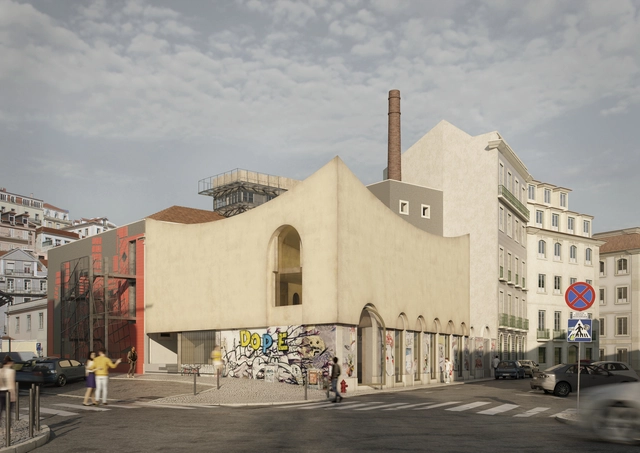
Luís Pedro Pinto has won the tender to expand The Order of Architects Headquarters in Lisbon, Portugal. Selected out of 66 works presented, part of a public design competition, the project, according to the jury, was praised for “its cohesion, coherence and unitary image”.














.jpg?1593691621 "© TIME RAW")
.jpg?1593691517 "© TIME RAW")
.jpg?1593691548 "© TIME RAW")