

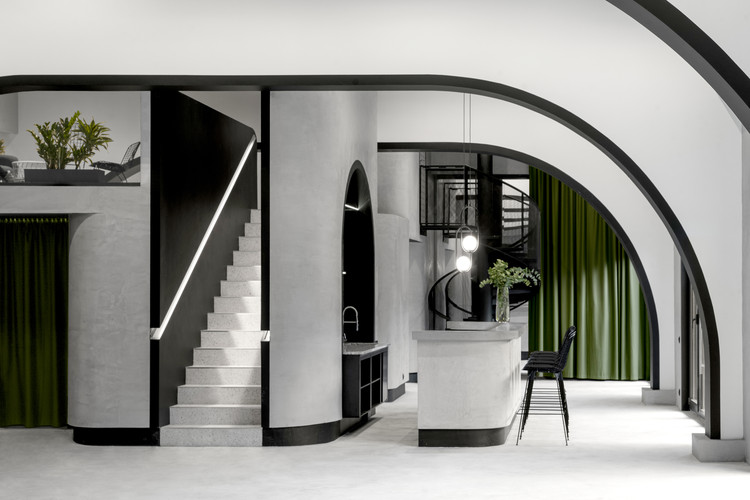
.jpg?1588643649 "© Bruce Damonte Architectural Photographer")

-
Architects: BOS|UA
- Area: 1500 ft²
- Year: 2017
-
Manufacturers: AutoDesk, Chaos Group, Sherwin-Williams, Adobe, Atlantic Plywood, +7
-
Professionals: Allied Consulting Engineering Services



The 2020 coronavirus pandemic is already creating change in every part of society. Harnessing this change should be the impetus for a long-overdue overhaul of the educational system and, in particular, the way we teach architecture.
Each day during the pandemic, we are suddenly finding what was once impossible is now suddenly possible. As Thomas Friedman said of online learning back in 2012, "Big breakthroughs happen when what is suddenly possible meets what is desperately necessary."
We now find ourselves in a position where we have to re-think everything to fight this virus. This pandemic will cause us to re-think learning as entire educational systems are forced to move online. In general, most formal education institutions are not producing the creative thinkers the world urgently needs. Solutions to the coronavirus pandemic require creative thinking, and how we currently teach in institutions today produces groupthink. Our path-dependent education does not get the best from individuals.
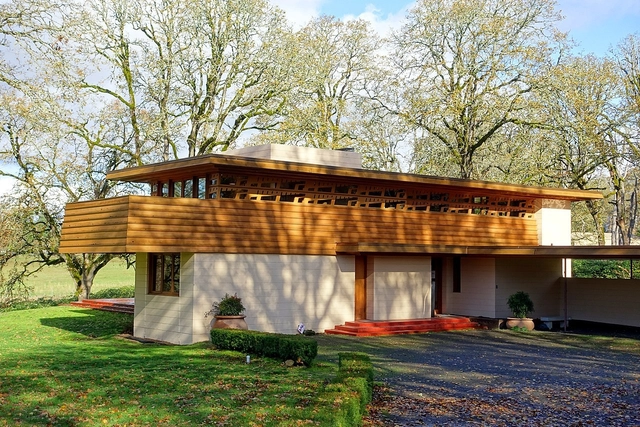
As cultural venues and museums remain closed, one initiative launched in early April brings Frank Lloyd Wright’s most prominent projects to the public via virtual tours. Shared under the hashtag #WrightVirtualVisits, the series now features twenty-four sites, and more are expected to join as the project unfolds. With new videos published every Thursday until July 15, the project compiles an insightful glimpse into Wright’s extensive body of work.
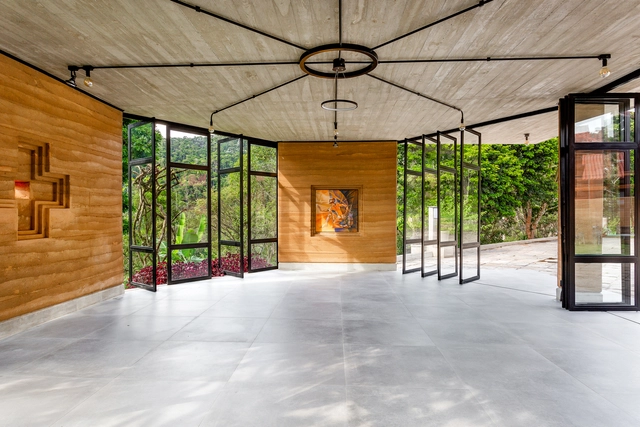

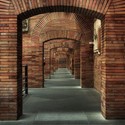
As the first ever Spanish architect to receive the Pritzker Prize, Rafael Moneo (born 9 May 1937) is known for his highly contextual buildings which nonetheless remain committed to modernist stylings. His designs are regularly credited as achieving the elusive quality of "timelessness"; as critic Robert Campbell wrote in his essay about Moneo for the Pritzker Prize, "a Moneo building creates an awareness of time by remembering its antecedents. It then layers this memory against its mission in the contemporary world."

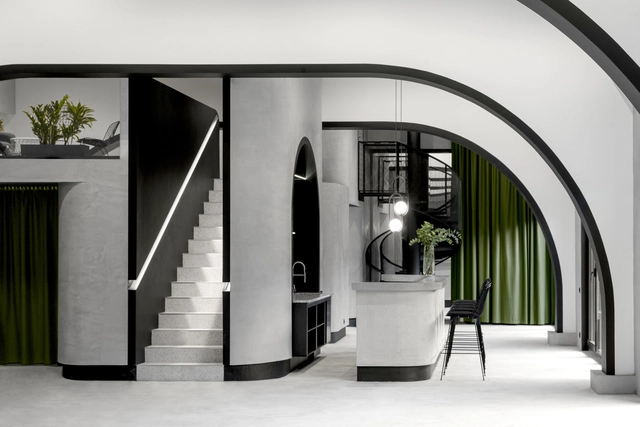
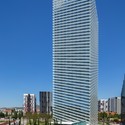
As lead designer of the Lever House and many of America’s most historically prominent buildings, Pritzker Prize-winning architect Gordon Bunshaft (9 May 1909 – 6 August 1990) is credited with ushering in a new era of Modernist skyscraper design and corporate architecture. A stern figure and a loyal advocate of the International Style, Bunshaft spent the majority of his career as partner and lead designer for SOM, who have referred to him as “a titan of industry, a decisive army general, an architectural John Wayne.”
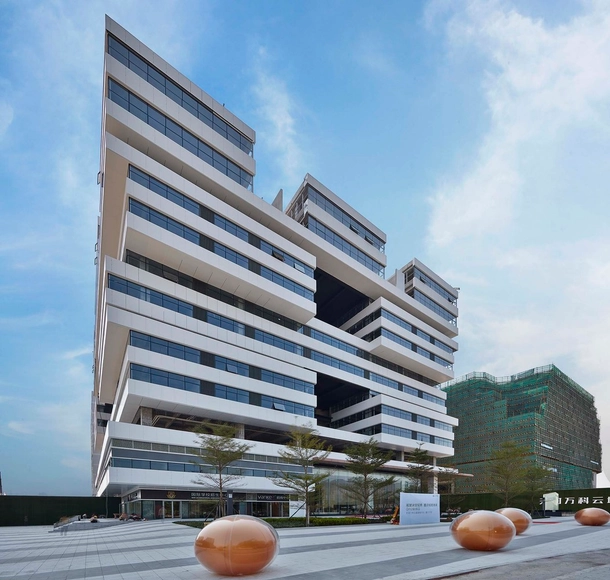


Ai_Qing_Courtesy_of_KPF.jpg?1588736712&format=webp&width=640&height=580)
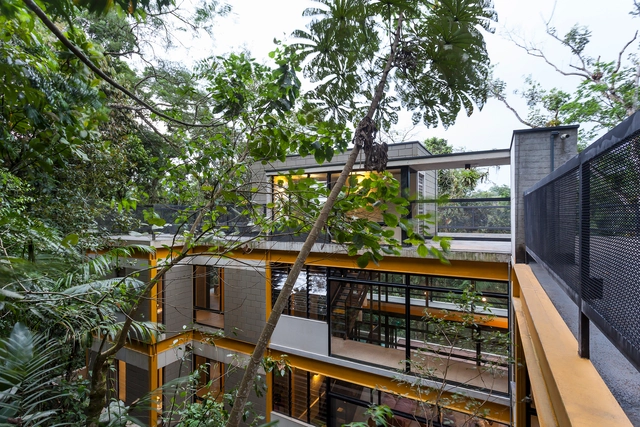
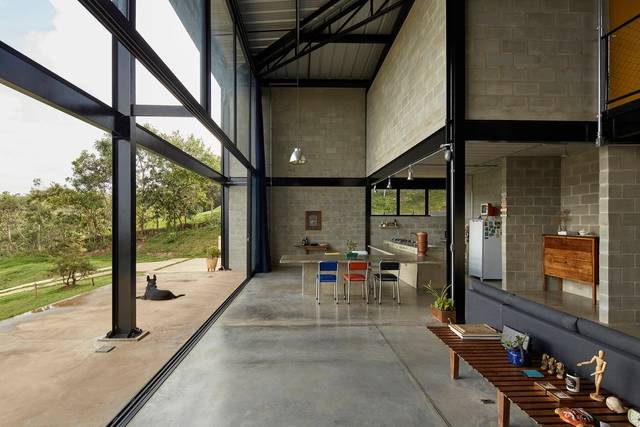
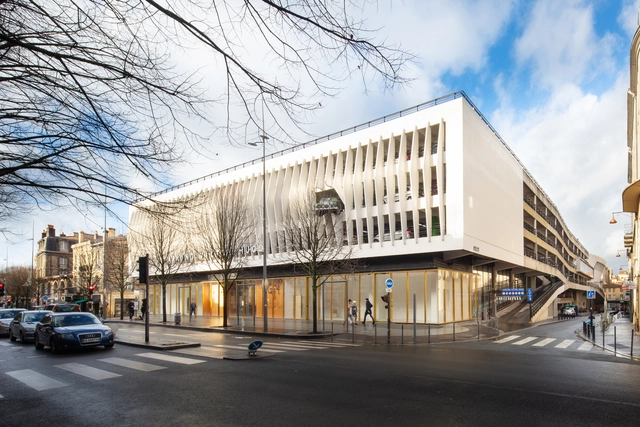

50 years ago Clarice Lispector already pointed out how difficult it was to unveil Brasilia: "the two architects did not think of building beautiful, it would be easy; they raised their amazement, and left the amazement unexplained". This year the capital turned 60, and still remains intriguing for scholars, students, and anyone who allows themselves to explore it better. In order to understand the daily life that exists there, we invited six professionals- in the field of architecture and urbanism - who live in the city, to share their visions with us and bring a few more layers that help to build an interpretation of utopia and reality that Brasília currently represents.




























Ai_Qing_Courtesy_of_KPF.jpg?1588736786 "© Ai Qing")
Ai_Qing_Courtesy_of_KPF.jpg?1588736850 "© Ai Qing")
_KPF.jpg?1588736962 "© Ai Qing")
Ai_Qing_Courtesy_of_KPF.jpg?1588736905 "© Ai Qing")
Ai_Qing_Courtesy_of_KPF.jpg?1588736712)