In this week's reprint, author Mark Alan Hewitt talks about models and their importance. "For those of us lucky enough to have grown up during the 1950s and ’60s, models were hot stuff—and not just the kind that statement may bring to mind", he states. Going back to the realistic models of the 70s, similar to today's virtual renderings, this essay retraces their history and the artists that produced them.
https://www.archdaily.com/969074/the-allure-and-importance-of-architectural-modelsMark Alan Hewitt
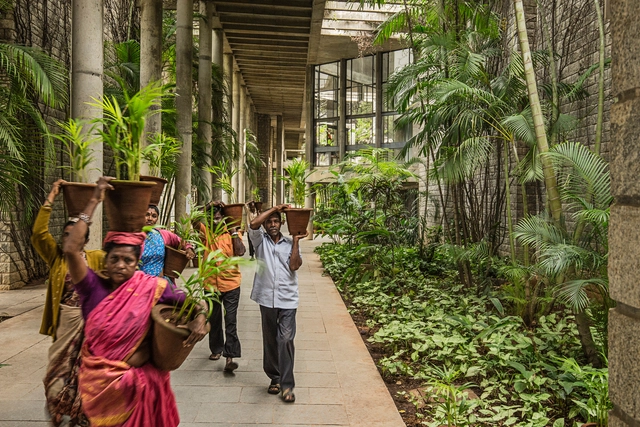
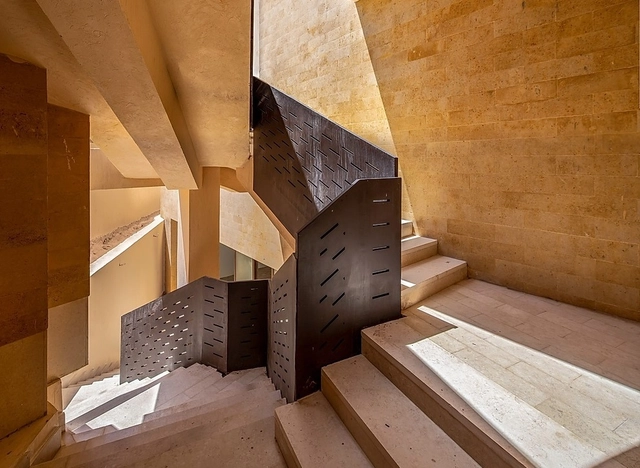
Indian Institute of Management, Bangalore, photo by Vinay Panjwani. Image Courtesy of Vitra Design Museum
The COVID-19 Pandemic is a disruptive moment for our world, and it’s poised to spur transformative shifts in design, from how we experience our homes and offices to the plans of our cities. The webcast series Design Disruption explores these shifts—and address issues like climate change, inequality, and the housing crisis— through chats with visionaries like architects, designers, planners and thinkers; putting forward creative solutions and reimagining the future of the built environment.
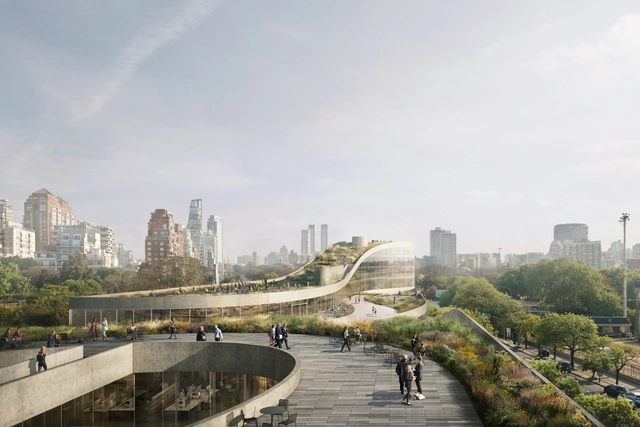
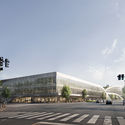
Paseo Gigena, diseñado por ODA. Image Cortesía de ODA
The old structure called Playa Gigena, in honor of the equestrian of the same name, located between the hippodrome and the Rosedal de Palermo in Buenos Aires, will now be converted by ODA into a Class A office building and a public park including cafes, restaurants, shops, and a covered parking lot. The partial demolition of the old parking lot has begun on June 28th.
Designed by the American architecture office ODA, the next Paseo Gigena will be the firm's first mixed-use project in the city of Buenos Aires city. The team involved in the process also includes the participation of Aisenson studio, Inscape Landscape, Coinsa, and the developer BSD Investments, to which the government has granted the concession of the property known as Ámbito Gigena, for a period of 15 years.
Contemporary Egyptian architecture draws from a rich history. As a cradle of civilization, the transcontinental country has influenced diverse building styles and design cultures. Home to some of the earliest urban developments and centralized governments, Egypt is defined by its geography and its multicultural background. Today, its modern architecture must contend with a legacy of building that spans millennia.
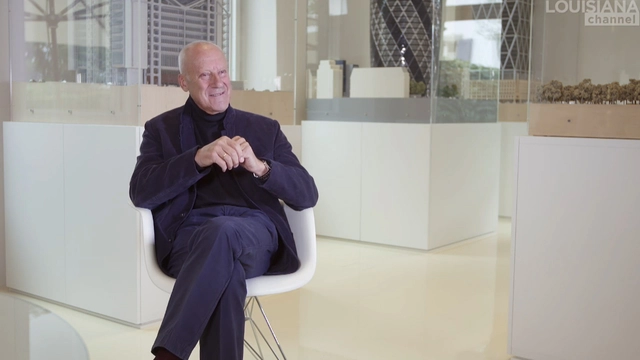
The Royal Institute of British Architects (RIBA) has announced that Pritzker Laureate Lord Norman Foster will chair the 2021 Stirling Prize jury. The jury will also include Simon Allford, RIBA President, architect Annalie Riches, 2019 RIBA Stirling Prize winner, and artist Dame Phyllida Barlow, advised by architect and sustainability expert Mina Hasman.
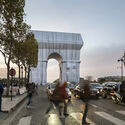
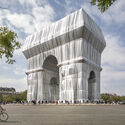
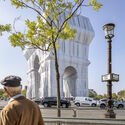
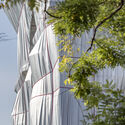
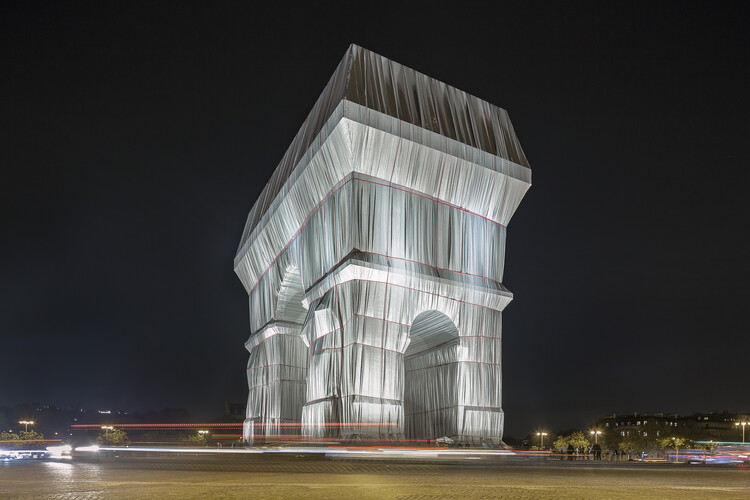
Artists Christo and Jeanne-Claude’s temporary installation, the L’Arc de Triomphe, Wrapped, opened to the public on September 18th. Twenty-five thousand square meters of recyclable silvery-blue fabric held together by 3,000 meters of red rope currently cloak the Parisian landmark transforming the urban setting, and photographer Jad Sylla captured the completed installation.
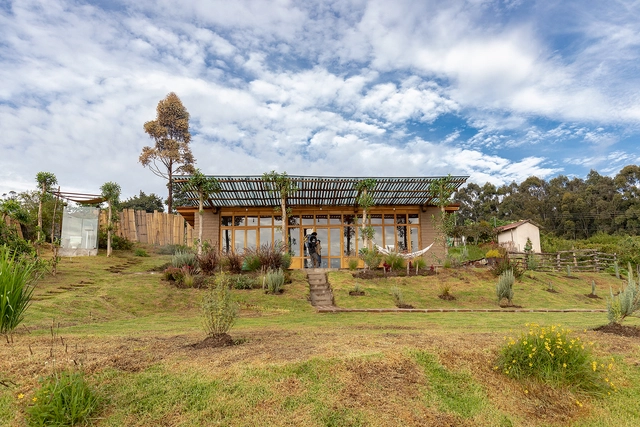
In Mendoza, Argentina, the digital fabrication research lab Node 39 FabLab created a frame loom structure made of digitally cut wood to help indigenous people in the central region of the country weave and create their traditional patterns. In the state of Ceará, northeast Brazil, a study entitled "Artífices Digitais" (Digital Artisans) by the Federal University of the State of Ceará used digital fabrication tools, namely 3D printing, to produce digital models, like digital prosthetics, to restore the damaged parts of an altarpiece of the high altar of the Mother Church in the city of Russas.







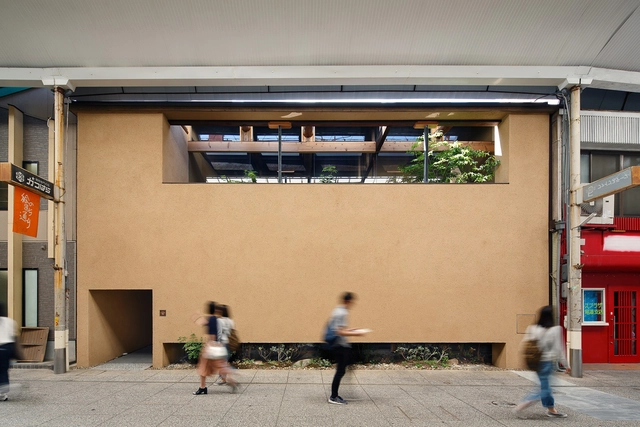


.jpg?1632330110&format=webp&width=640&height=580)
.jpg?1632330176 "© Wen Studio")
.jpg?1632330157 "© Wen Studio")
.jpg?1632330205 "© Wen Studio")
.jpg?1632330232 "© Wen Studio")
.jpg?1632330110)






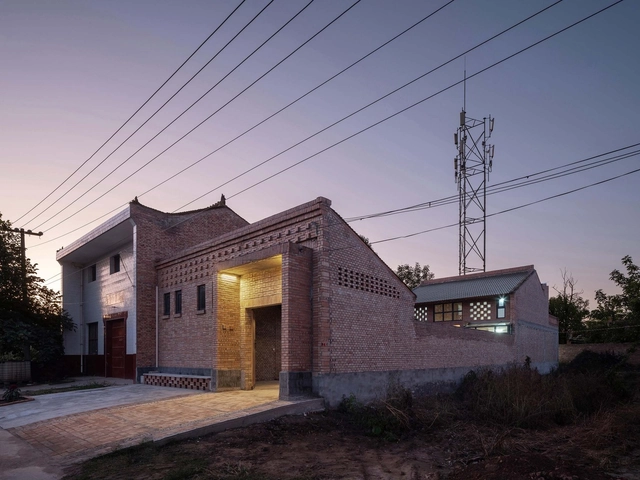
.jpg?1632303069 "aerial night view. Image © Xiaoming Zhang")
.jpg?1632303294 "hallway. Image © Xiaoming Zhang")
.jpg?1632303311 "courtyard. Image © Xiaoming Zhang")
.jpg?1632303286 "wooden frame. Image © Xiaoming Zhang")







.jpg?1632187412&format=webp&width=640&height=580)
.jpg?1632187404 "© Rafael Motta")
.jpg?1632186807 "© Rafael Motta")
.jpg?1632187360 "© Rafael Motta")
.jpg?1632187320 "© Rafael Motta")
.jpg?1632187412)