EHDD has recently launched the Early-Phase Integrated Carbon (EPIC) Assessment tool, a free new web-based application developed to designers set goals and strategies to reduce carbon emissions from building and construction projects. The tool aims to fill a gap in the life-cycle assessment process and allow designers to identify the most impactful measures early in the project process. At the same time, other resources like Tally and EC3 are seen as crucial later in the design.
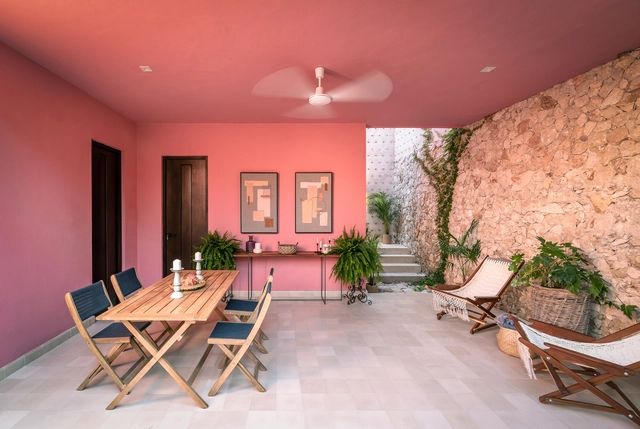
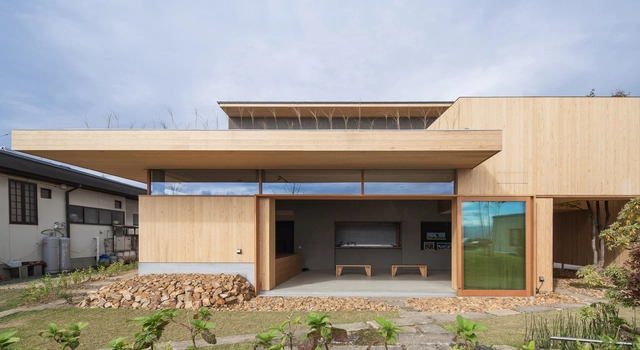
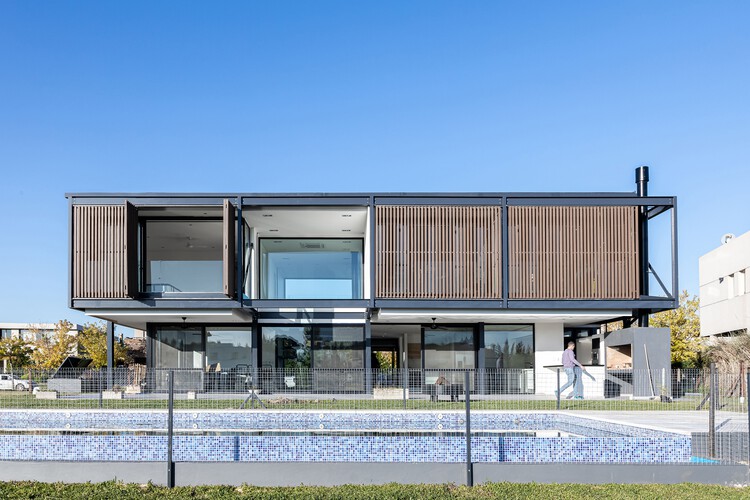
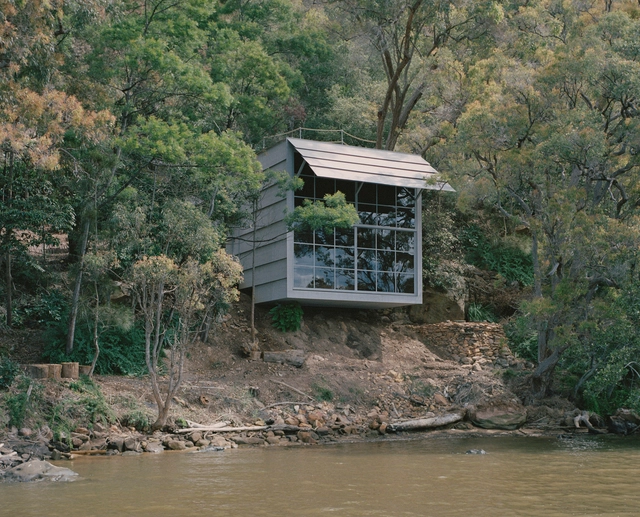
Casa Maca / Workshop, Diseño y Construcción. Image
Over the years, interior design has evolved according to the needs that arise, but above all according to the experiences it seeks to evoke in the user. In the last two years we have witnessed a radical change and a special interest in this subject because the pandemic forced us to pay specific attention to the configuration of the places we inhabit. This has brought about much more holistic designs that seek to address the wellbeing of the user, combining colours, sensory experiences, technology and natural elements that promote health.
Food pyramids are familiar to all of us. They are visual guides that show us the proportions of foods that we should supposedly eat on a daily basis, in order to stay healthy. Composed of a series of layers with different food types–such as grains, flour, fats, vegetables, and others–, at the base are the foods that should be consumed in larger quantities. Towards the top, each layer becomes successively smaller, indicating the foods that are meant to be ingested rarely. The pyramid can vary according to countries and cultures, but its main purpose is always to provide a guide for a balanced life. There are no prohibitions, but it does indicate some foods that should be consumed with caution because of their impacts on our health.
If we are what we eat, is it possible to also replicate this in the construction industry and our buildings? Using this same easy to understand visual language, the Royal Danish Academy Center for Industrialized Architecture (Cinark) developed the Construction Material Pyramid. The idea was to highlight the environmental impact of the most used construction materials, focusing on the analysis of the first three life phases: extraction of raw materials, transportation and manufacturing.
Nature has continually played muse to architects. Colors and forms from the natural world find themselves embedded in artificial edifices. Buildings are also shaped by patterns of the wind and sun, topography, and vegetation. While architecture is informed by the effects of nature, buildings have been proposed as inert objects that remain static in a biologically evolving world. Anthropocentric concrete “jungles” are devoid of life, separating humans from natural environments and causing imbalances that have manifested as pandemics. What would cities look like if there were no boundaries between humans and ecosystems?
The Europa Minimal Frame, a new aluminum architectural system, was developed by the company's R&D Department as a high-performing sliding system, emphasizing functionality, design and aesthetics. Recently awarded the Red Dot Award: Product Design 2022 in the Interior Design Elements category, the Minimal Frame aluminum system and its innovation, functionality and longevity present a number of benefits for designs which aspire to a minimalism that combines aesthetic simplicity and luxury.
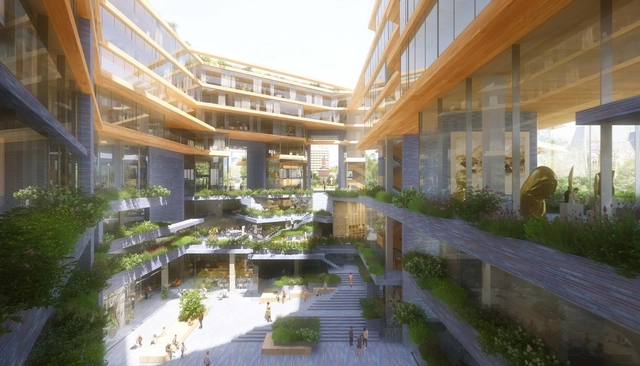
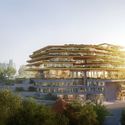
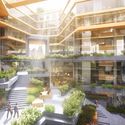
UNStudio has been announced as the winner of the international competition "Un Iași pentru Viitor" to design a new residential district in the historical center of Iași, Romania. For this competition, organized by Iulius company, four offices have been invited to participate, Foster + Partners, MVRDV, UNStudio, and Zaha Hadid Architects. The main challenge of the competition brief was designing a building well integrated into a complex urban environment marked by historic monuments of different ages, new archeological discoveries, and open public spaces and gardens. The winning proposal, titled „Bridging Time, Bridging Communities,” aims to offer a coherent response to the particularities of the site.