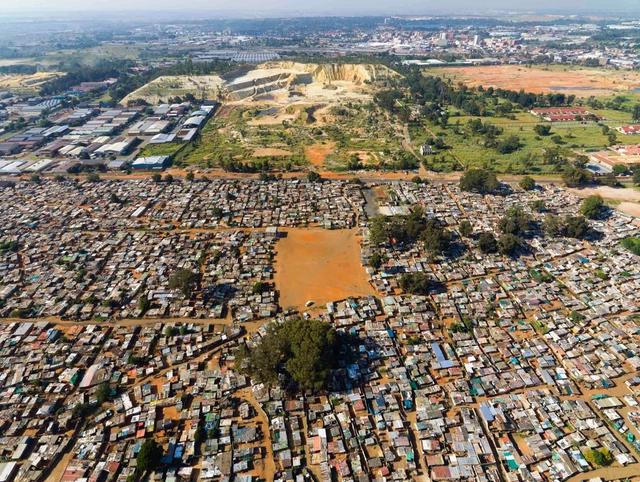
The urban settlements we inhabit today exist in their present form due to a host of reasons. There are cities that have grown due to their proximity to water – such as the growth of Dar es Salaam to the major port city it is today. There are the planned capital cities scattered around the world, governments of countries such as Brazil and Nigeria building cities from scratch from the input of acclaimed architects. There are also the settlements that exist and grow because of certain industries, such as Silicon Valley in the American state of California being home to giants of the technology industry. There’s an industry, however, that has spawned both pulsating cities and abandoned towns – the mining industry.
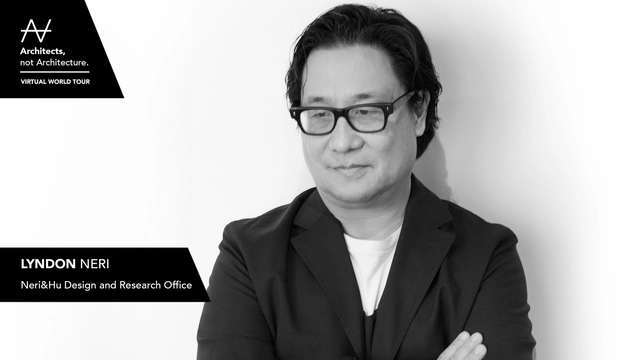
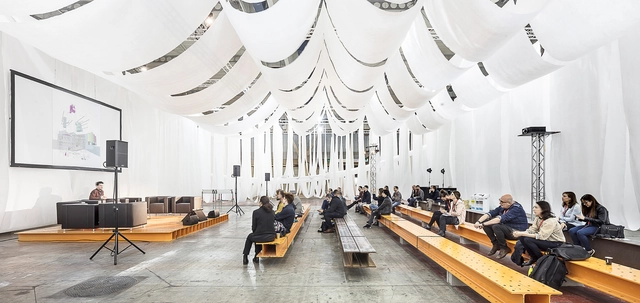
In the beginning of 2020 the talk series Architects, not Architecture (AnA) decided to go digital adapting to the restrictions for cultural events due to the covid-19 pandemic. Throughout the whole year and into the first quarter of 2021 their new talk series dubbed Virtual World Tour (VWT) expanded their reach from a Eurocentric approach to a global talk series, unfolding intellectual biographies of renowned and relevant international architects through the screens of thousands of viewers in their homes.
https://www.archdaily.com/969886/architects-not-architecture-announce-season-2-of-their-virtual-world-tourAbhinav Thakar / Architects, not Architecture
Videos
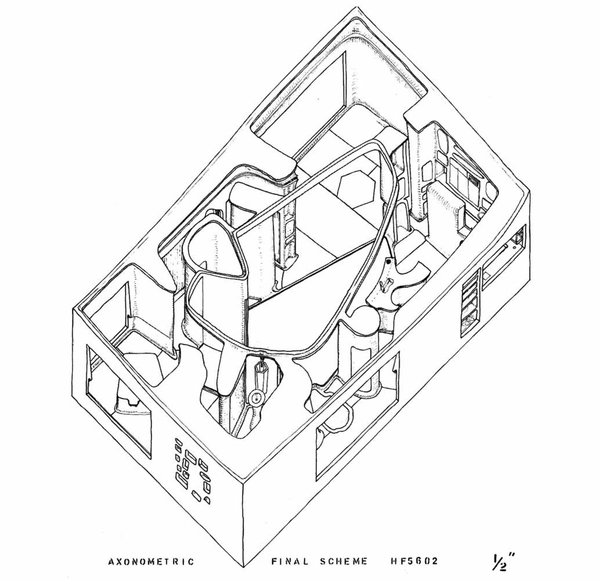
Drawing by Alison and Peter Smithson. Image Courtesy of Stewart Hicks
The House of the Future was designed by Alison and Peter Smithson in 1956 to showcase what house designs might be like 25 years in the future. It is an interior-focused rectangle filled in with amorphously shaped walls, storage units, and a central courtyard as well as high technology of all sorts. It is like something out of the Jetsons. While the design remains unique in the Smithsons portfolio, it was highly influential in their student’s work and firms like Archigram built upon its boldly novel concepts. Despite this long and robust influence, the structure was physically standing for only a short time. In this video, the house is reconstructed and explored in real-time. What would it have been like to occupy The House of the Future? See for yourself.
The housing shortage has long been the catalyst for architectural speculation over adaptive resue scenarios or the valorisation of underused places in cities. At the same time, the health crisis and its work from home imperatives have brought into sharp focus the adaptive reuse potential of offices spaces into housing. The probability that some office buildings remain vacant post-pandemic opens up the possibility of bringing back housing to city centres, enabling the implementation of a 15-minute city vision. The following discusses the challenges and opportunities of transforming office spaces into housing, highlighting this limited phenomenon's long-term feasibility and impact.
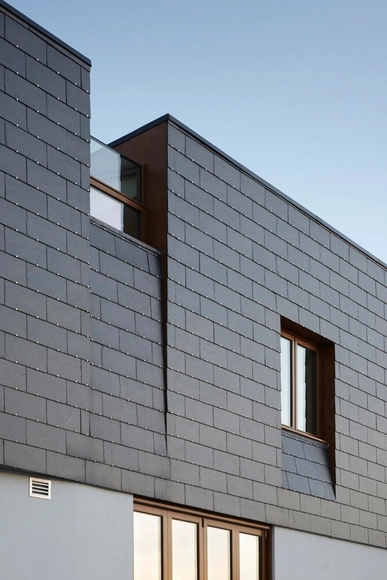
Slate is a metamorphic rock formed from the transformation of clay under high pressure and temperature. Very homogeneous and sober, with shades ranging from dark gray to black, it is commonly used in floors and roofs due to its durability and appearance. Slate also works very well for façades, combining the aesthetics of natural stone, shaped by nature for over 500 million years, with the thermal comfort and ease of installation of ventilated façades.
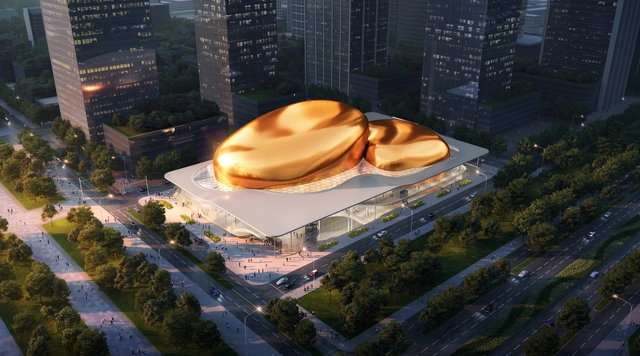
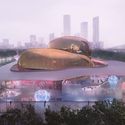
Ennead Architects have been chosen out of a three-part open international competition to design the new International Performance Center in Shenzhen, China. Dubbed 'The People’s Performing Arts Center', the project will be a part of a major cultural development that further marks the city as a metropolitan destination and reinforces the global arts community in the city.
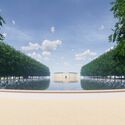
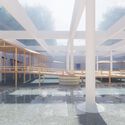
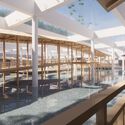
Hiroshi Sambuichi and The Cisterns in Copenhagen reveal plans for a fourth chamber to extend the exhibition space with another immersive artistic experience, further establishing the venue as a cultural destination. The design continues the succession of spaces within the former water reservoir with a new room featuring a transparent roof with light filtering through the water from a recreated water basin located above, on the Frederiksberg Castle grounds. The sharp contrast between the existing Cisterns and the proposal highlights a unique spatial experience, where the natural elements are quintessential.
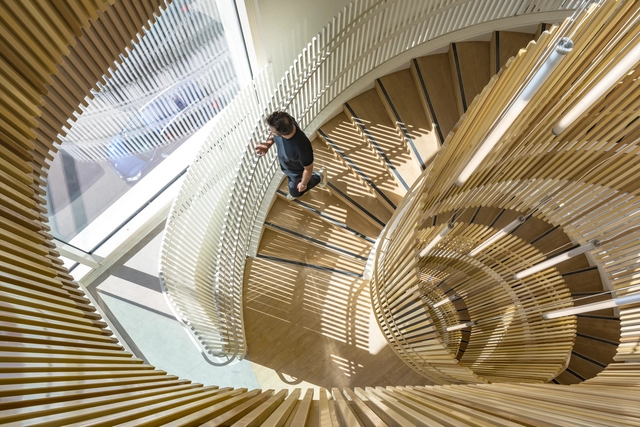
Railings play two roles in architectural projects, both as a support and safety component in a building, which involves a great deal of technical detailing and accessibility standards, and as an accent element in the design. In this article, we will explore the different ways in which these elements can be used in a project.
Warsaw Home & Contract is a welcome opportunity for architects and interior designers to re-establish business relationships, establish new ones and discover the latest ideas generated by Poland’s burgeoning design community.
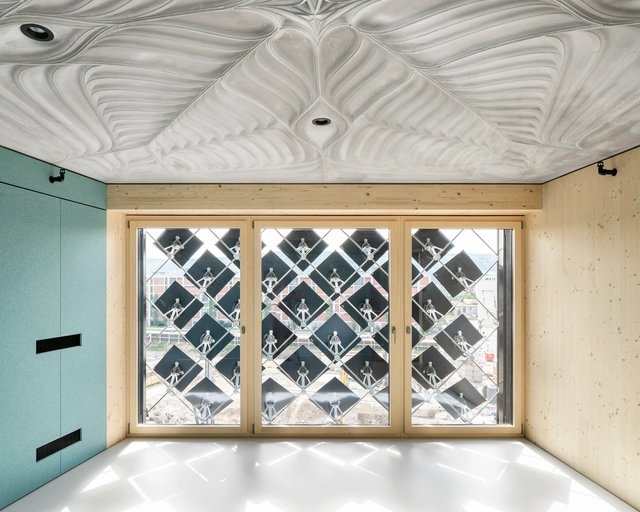
The latest addition to Empa and Eawag's NEST research building in Duebendorf, Switzerland has officially opened. The innovative HiLo unit illustrates nearly a decade of formative ETH Zurich research in architecture and sustainable technologies, and features an intricate, doubly curved concrete roof, lightweight funicular floors, and self-learning building technology.
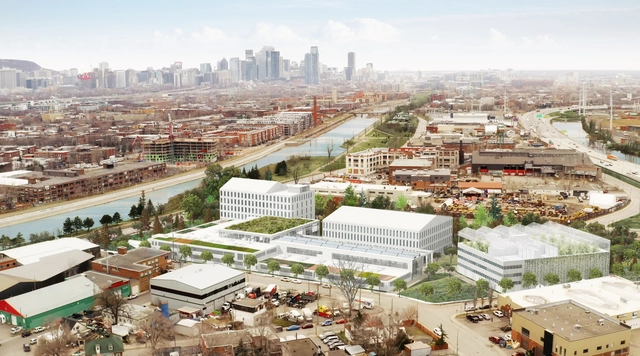
Sid Lee Architecture's Les Ateliers Cabot has won the 2nd edition of Montreal's C40 Reinventing Cities, a competition that "aims to encourage carbon neutral urban regeneration and to implement the most innovative ideas for transforming underutilized sites into hotspots of highly sustainable development and resilience, and to serve as a model for future developments". The winning proposal reimagines traditional development objectives, replacing economic profitability with the benefits derived from the relationship between man and the planet.
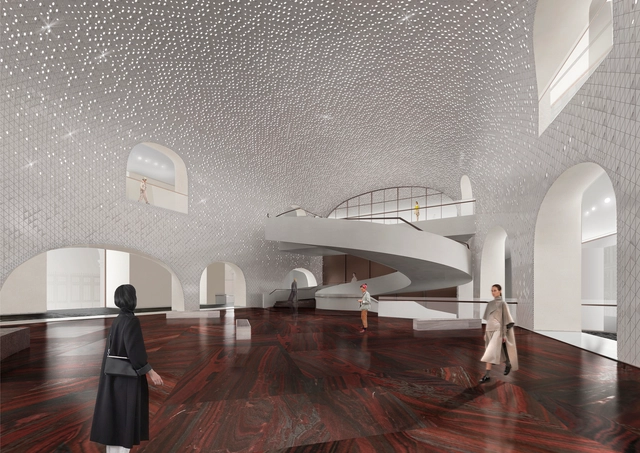
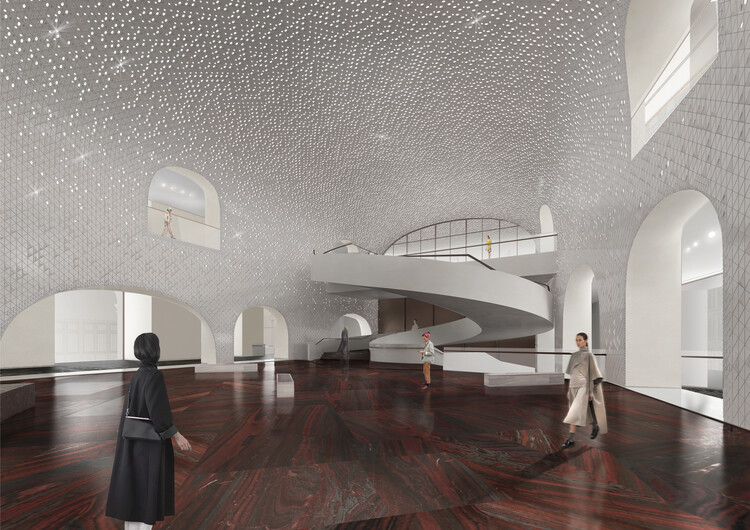
The new Kremlin museum set within the UNESCO protected museum ensemble in Red Square nestles a contemporary structure within the vast courtyard of a 19th-century building. Designed by Moscow-based practices NOWADAYS office and Meganom, the project will house the vast Armory collection, of which only 30% is currently available to the public with the Kremlin walls. The refurbishment of the historic Middle Trading Rows building, together with the new extension, complement each other, creating a diverse and complex museum experience.
Josep Ferrando is an architect based in Barcelona. He is the Dean of the La Salle Higher Technical School of Architecture (ETSALS), as well as Director of the Obert d'Arquitectura Center of Barcelona and of the Department of Culture of the College of Architects of Catalonia (COAC). Combining his academic career and his frequent lectures, his office develops projects that explore different scales and materials, experimenting with constructive systems and innovative solutions. We talked with him about the importance of materials in architecture, and about the synergies he finds between practice and teaching.
Ollie, the inviting new armchair from Porto-based Hamilton Conte, is available in a range of fabrics and leathers as well as bespoke finishes. Image Courtesy of Hamilton Conte
In a post-Covid period of reinvention, Porto-based furniture brand Hamilton Conte is embracing modularity, new shapes and above all, comfort.
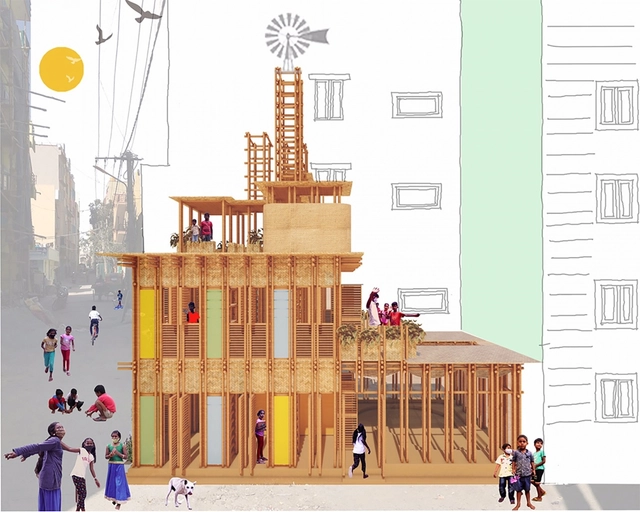
Architecture-in-Development (A--D) is proud to announce the six finalists of the 2021 Global Challenge. A--D will partner with these six teams in a 6-month accelerator programme aiming to match potential partners, collaborators and resources to each project’s critical needs - giving the teams the opportunity to build the necessary capacity to bring their projects to life.
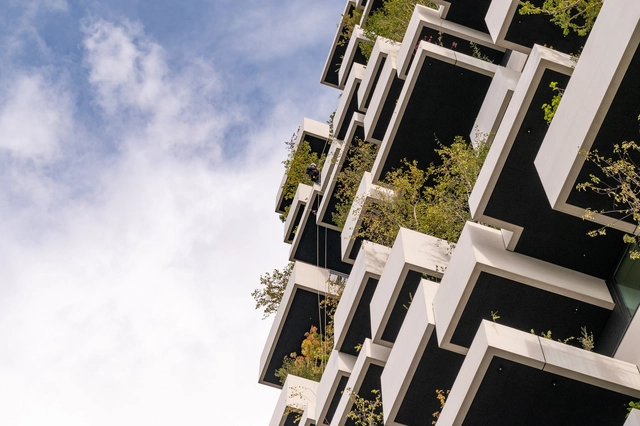
“Designing a house for trees”, as he puts it, Stefano Boeri is working across the planet, exporting his approach with trees from Mexico to Shenzhen. Building a whole ecosystem, rather than just a green facade, the architect understands the need to redefine our relationship with nature, especially in cities.
ArchDaily’s Christele Harrouk had the chance to interview the architect in Eindhoven, during the inauguration of the Trudo Tower, Stefano Boeri’s first social housing project, in collaboration with Francesca Cesa Bianchi, his partner at Stefano Boeri Architetti, Laura Gatti, botanist and plantation consultant, and Paolo Russo, Project leader. Discussing mainly his approach with nature, the environmental quality, and his exported perspective around the world, the conversation also tackled the 4 ongoing vertical forests in West Europe: A first that has just started in Utrecht, a second in Brussels, a ready to go building in Eindhoven and a last one in Antwerp.
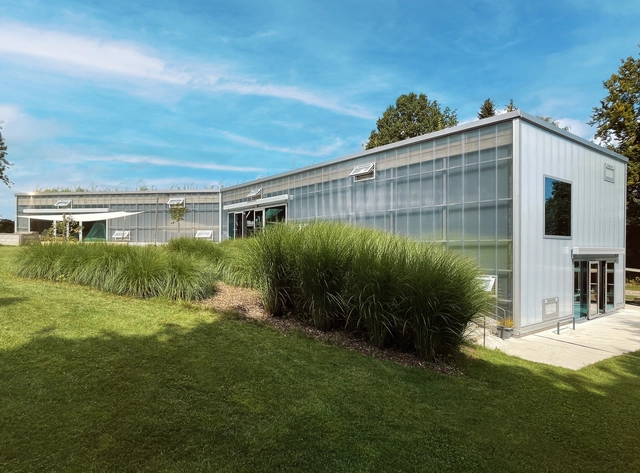
Climate and resource protection are some of the most pressing issues in regards to our future world. This is not a singular issue, but a complex one that affects every sector of humanity including mobility, architecture, sustainable living, and learning. There is a common misconception that building materials - such as polycarbonate translucent panels - cannot be sustainable. Plastic as a material has such an enormous impact on the world, and has drawn negative attention which makes it difficult to break away from the generalization that plastic is fundamentally "bad." Companies such as Rodeca, for example, in the plastics production space have engineered translucent building materials that are capable of enduring for many years as an integral construction material, and do not have to be quickly disposed of. As a producer of polycarbonate panels, Rodeca is always looking ahead to the future of sustainability.
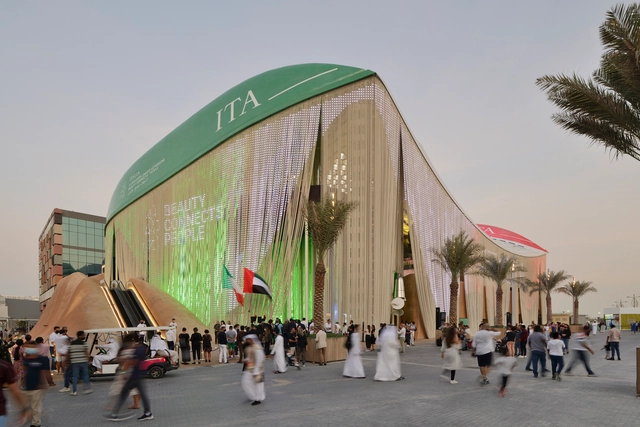
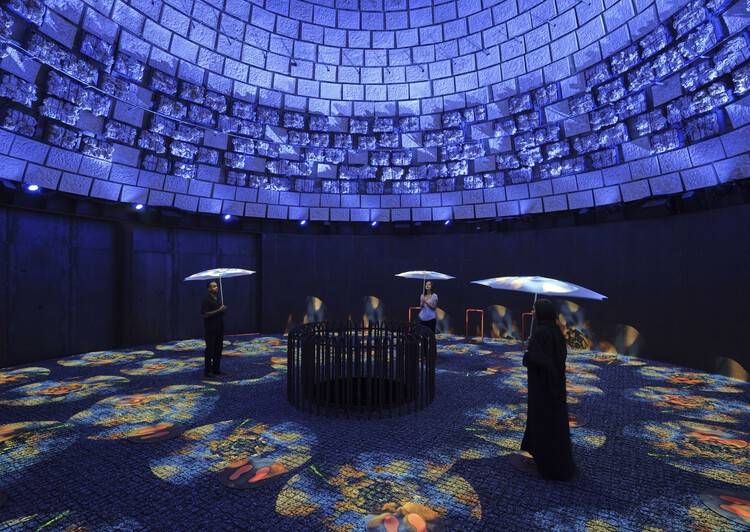
CRA-Carlo Ratti Associati and Italo Rota Building Office, along with Matteo Gatto and F&M Ingegneria designed the Italian Pavilion at the Expo 2020 Dubai with a focus on reconfigurable architecture and circularity. The architects used orange peel, coffee ground, algae, and sand as construction materials, along with recycled plastic for the façade's ropes and boat hulls for the roof. The architectural design of the pavilion and the materials used create a natural climate mitigation system that substitutes for air conditioning.
Italian architecture practice Spacelab designed an energy self-sufficient shelter for temporary use, a parametric project that can be built without foundations on any site, leaving no trace and no damage to the site at the end of its life cycle. Named Zero in reference to the lack of waste during construction or removal and its zero-emissions operation, the structure can be demounted and reassembled multiple times, tapping into issues of circular economy, impermanence and reuse.
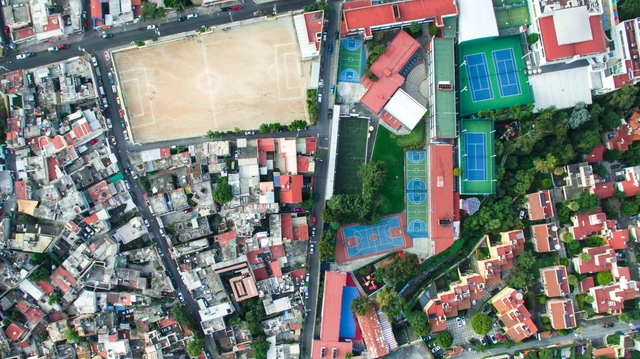
The concept of equity is different from equality; equity means everyone needs support, but not necessarily in the same way. Therefore, the concept of urban equity allows us to preserve the uniqueness of each region of a municipality, protecting diversity and richness without overlooking infrastructure needs, which directly affect the quality of public space and the basic services required for a private residence - it allows us to design and invest in the city fairly, regardless of the region.
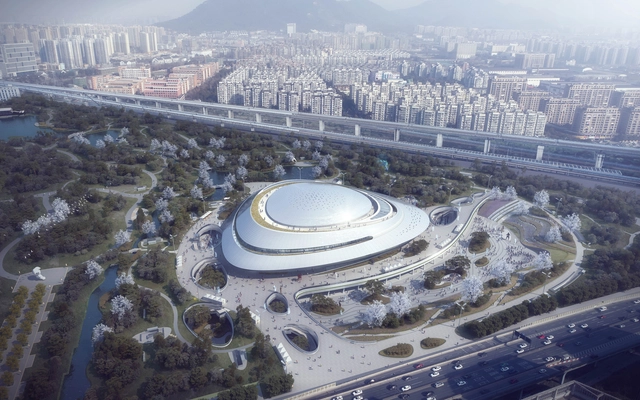
Hangzhou E-sports Ecological Park and E-sports Stadium. Image Courtesy of CSADI
This week’s curated selection of Best Unbuilt Architecture highlights competition-winning projects submitted by the ArchDaily Community. From art museums to memorials, this article explores cultural functions and commercial spaces, and presents projects submitted to us from all over the world.
Featuring commercial spaces that honor the historic architectures of Ukraine and Romania, and a public plaza inspired by the topography between the coastal line and the urban square of Usküdar, this roundup explores how architects have designed monumental structures that cater to the needs of the public while respecting the surrounding topography. This round up also includes a collection of competition-winning proposals in Spain, China, Thailand, India, Israel, Iran, Kosovo, and Hungary, each responding to different contexts, spatial needs, and geographies.
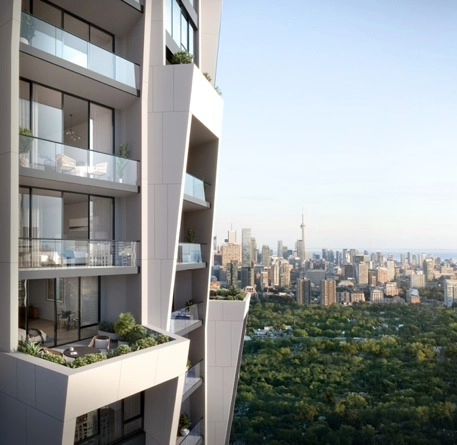
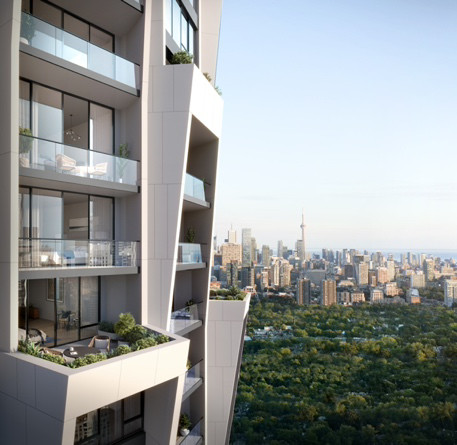
Studio Gang has designed a honeycomb-shaped residential building, titled One Delisle that offers residents an all-year-round outdoor patio overlooking Toronto, Canada. The project is designed as a windbreaker inspired by a German beach chair known as the Strandkorb. The tower will include up to 47 floors, with each distinct penthouse spanning one-third or one-half of the 16-sided building, and will offer residents hotel-style amenities.
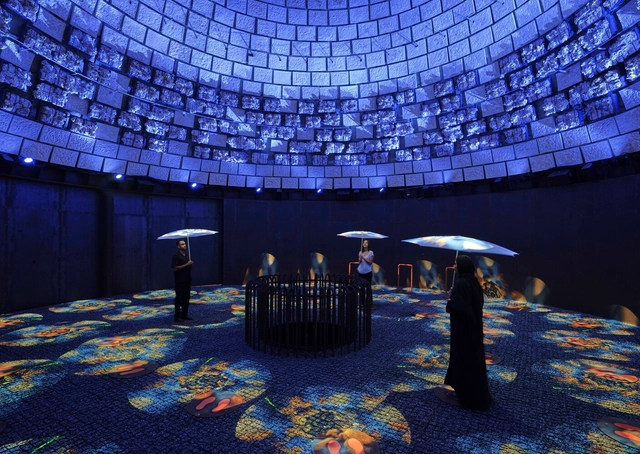
The Netherlands Pavilion at Expo 2020 Dubai proposes a circular climate system that harvests water, energy, manufactures rain and produces food, creating a temporary biotope that embodies the fusion between art, architecture and technology. Designed by V8 Architects, with a visitor experience curated by Kossmanndejong, the pavilion creates a multi-sensory narrative around natural phenomena. Industrial materials like metal sheets, steel tubes, ducts and pipes blend unexpectedly with vegetation and textile fabrics to create a spatial journey culminating in a centrepiece that provides a tranquil stop amidst the bustle of the Expo.
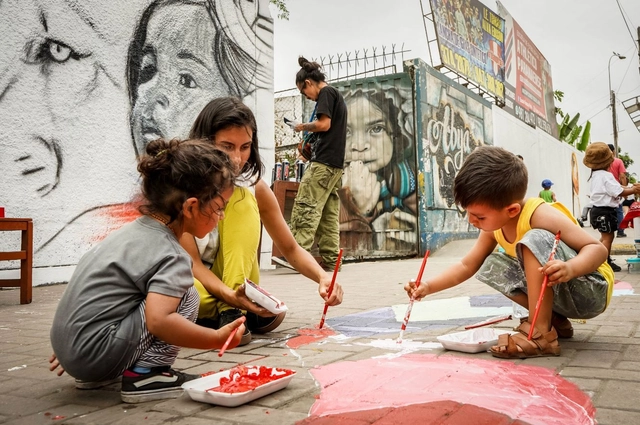
Lucía Nogales is the general coordinator of Ocupa tu Calle (Occupy your Street) —an UN-Habitat, Avina Foundation-supported initiative promoted by Lima Como Vamos— which focuses on 'citizen urbanism' for inclusive and resilient cities in Latin America.






















.jpg?1633431403 "Palazzo Verde . Image © Stefano Boeri Architetti")
.jpg?1633431510 "Palazzo Verde . Image © Stefano Boeri Architetti")