Are you sitting comfortably right now? OK, I'll wait a few seconds so that you can adjust your posture and we can continue the text. As much as we all know that our backs should be upright, shoulders back and glutes against the back of the chair, as soon as we stop paying attention, we tend to let our body slide down the chair until our spine takes the shape of a big question mark. This can lead to various posture and circulation problems, chronic pain, and increased fatigue after a long day, week, month, or years of work. But know that you're not alone, and it's not (necessarily) your fault. What elements make a chair comfortable? How can they help you maintain a proper posture for longer? Is it possible to have design and comfort in the same product? In this article we will try to answer these questions and show some examples from the Architonic catalog.
If ancient Hellenic sources are to be believed, hanging gardens have existed at least since antiquity when the famous Hanging Gardens of Babylon were described by writers such as Herodotus and Philo of Byzantium. Today, vertical gardens have proliferated alongside the interest in indoor plants and gardens, especially in suitable climates. This trend in architecture reflects a simultaneous uptick in interest toward sustainability and a more pastoral, back-to-nature lifestyle. In the projects listed below, several of the architects mention moving forward from an industrial past—with its concomitant environmental effects—toward a better future, or at least a secluded, fresh, and natural outpost amidst the chaos of modern city life. Indoor gardens, and the visual allure of hanging plants and climbing vines, provide the setting for such a life. These vertical designs simultaneously conserve space and embed the plants within the atmosphere of the house, ensuring the space feels as much like a garden as it does a comfortable home.
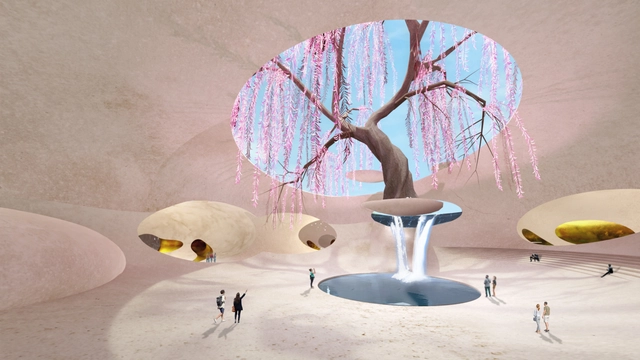
The new metaverse platform pax.world, set to launch in early 2023, has announced its collaboration with global architecture offices Grimshaw, HWKN, Farshid Moussavi, and WHY to create “Metaserai,” a vast social and cultural hub envisioned as the core of the new virtual community. The hubs are designed to host virtual cultural, social, and educational events such as concerts, theatre shows, digital art galleries, markets, lectures, parties, and festivals.
The pax.world platform aims to develop into a fully functioning society governed by a Decentralized Autonomous Organization, also known as a DAO. The virtual space will be divided into privately-owned plots of land punctuated by Metaserai communal hubs. These take inspiration from the Caravanserai of the ancient Silk Road, which became hubs for commerce and cultural exchange. Each of the architects is designing their own interpretation of Metaserai.
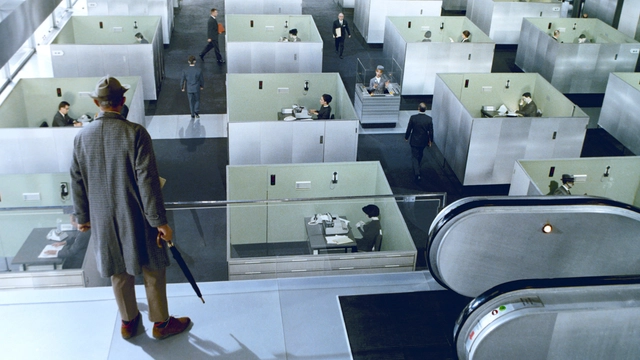
Playtime (Jacques Tati, 1967). Via film screenshot
Of all arts, there is one that is truly capable of embracing architecture, and that is the cinema. The ability to represent spaces, moving in the course of time, brings cinema closer to architecture in a way that goes beyond the limitations of painting, sculpture, music - for a long time considered to be the art closest to ours - and even of dance. Both in cinema and in architecture space is a key subject, and although they deal with it in different ways, they converge by providing a bodily - and not only visual - experience of the built environment.
National Congress. Photo by Mario Duran-Ortiz, via Flickr. CC BY-SA 2.0 license
From the 19th century onwards, with the Industrial Revolution, the growing population, and the ever-more pressing demands for urban space in Europe, the first reflections on the city emerged. More than that, the process of disciplinary structuring of urban design begins as a theory and practice inherent to the new historical moment that was being consolidated and would have its product, concerning cities, as an attribute of the 20th century. Within this disciplinary logic, configured from a social or political demand linked to militaristic pretensions of order and urban control, the 20th century was the stage for the entire development of this industrial society, which had the city as its horizon.
Home spaces filled with clutter and mess can be mentally exhausting, making it impossible to relax with the weight of life visually bearing down on an interior. ‘Tidy space, tidy mind’ as the idiom instructs, and home environments that focus on clean lines – either with a minimalist lifestyle, decluttering, or expansive and well-organized storage systems – cultivate a more meditative mindset. Perhaps, however, the demonization of clutter and these are, characterless spaces it creates, can get a little, well, boring.
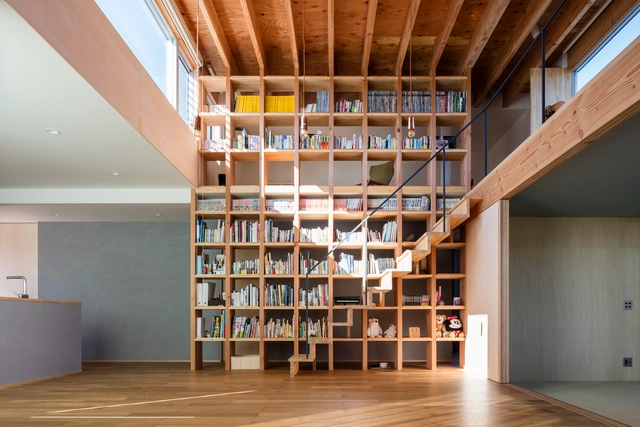
So-called ‘clutter’ can still spark joy when given an opportunity, however. So whether they hold treasured memories in photo frames, bookcases of stories not just in print, proud achievements, inspiring equipment, or functional items kept close to hand, open storage elements like shelving, doorless cabinetry, or hanging hooks and pegs can create decorative, textured and, most importantly, personalized surfaces.
A large-area elemental map (Calcium: red, Silicon: blue, Aluminum: green) of a 2 cm fragment of ancient Roman concrete (right) collected from the archaeological site of Privernum, Italy (left). A calcium-rich lime clast (in red), which is responsible for the unique self-healing properties in this ancient material, is clearly visible in the lower region of the image. Image Cortesia de the researchers (MIT)
Roman aqueducts built more than 2,000 years ago are still in operation. The Pantheon in Rome remains the largest dome made of unreinforced concrete in the world, with a diameter of 43.3 meters. At the same time, it is not unusual to see structures less than a decade old collapsing. Understanding why Roman structures remain standing has been the subject of studies by many researchers around the world. Why, even in hostile environments such as coastlines or seismic zones, do these structures remain intact? Is there some miraculous material or method that has been lost in history? An international group of researchers led by the Massachusetts Institute of Technology (MIT) has shed light on these questions, discovering that these structures had a previously overlooked capacity for self-healing, and the potentially huge environmental impact it can have, to create more durable concrete structures in the future.
A metal façade introduces a visually appealing architectural element on top of a built insulation system, such as a vapor barrier, insulation board, and structural supports. Known for their versatility, durability and elegant, clean finishes, metal claddings can be used for both roofing and walls to deliver a long-lasting and eye-catching finished product made from natural materials such as aluminum, copper, zinc and steel. Regardless of which system is used to fix the panels (concealed clip system or exposed fastener system), a façade can be made from a variety of profiles and colors for unlimited design options.
The interest in co-living is on the rise, a direction emphasized by the merger between the largest co-living operator in the US, Common, and their European equivalent, Habyt. The two companies manage more than 4,000 apartments in the US and 7,000 apartments in Europe and Asia, as reported by The Wall Street Journal. The term co-living refers to a modern form of group housing where residents share communal spaces for socializing, cooking, and gathering, and have access to shared amenities such as cleaning services or dog walking.
At a historical moment when industrialization and urbanization are continuing at a fast and predatory pace, we need to design and produce spaces that can adapt to new realities. Based on this need, concepts that can guide the transformation and production of future cities emerge.
Recent surveys have revealed the average frequency of daily baths in some countries. While in Latin America, led by Brazil, Mexico and Colombia, people take 8 to 12 baths a week, in the vast majority of countries affected, the average is around 6 to 8. Bathing, throughout human history, involves health, religious, spiritual and even social aspects.
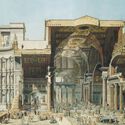
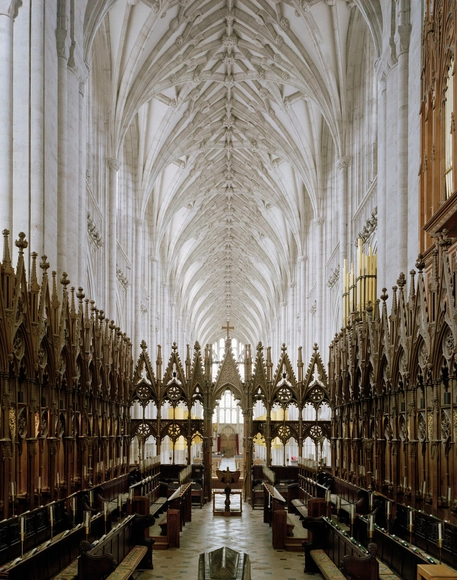
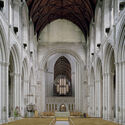
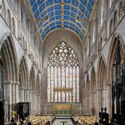
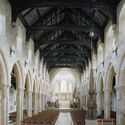
Using only natural light to document English cathedrals can turn into a logistical and technical challenge. However, Peter Marlow's photography has resulted in a remarkable series of iconic spiritual sites whose contemplative atmosphere is rarely accessible to others. Looking east with the camera towards the nave as the dawn light streamed through the main window opens a purist and mystical perspective to the time when these sacred structures were erected.
Cities are inseparable from fast-paced lifestyles. Rising rents and “not-that-small” apartments characterize urban environments, perpetuating the chase for “bigger, faster, and more”. As economies develop and human needs grow, buildings are erected at alarming rates to rush toward progress. The risks of urban living are gradually being exposed, raising questions about more intentionally-driven actions. One way to return to slower lifestyles is by returning to slow architecture.
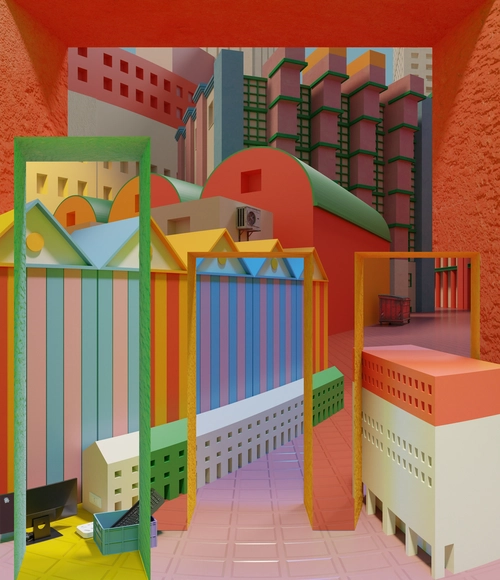
Through the “Search History” exhibition at MAXXI Museum in Rome, Lara Lesmes and Fredrik Hellberg, directors of the architecture and art studio Space Popular, set out to explore the work of Also Rossi and to translate his notions of “urban fact” and “analogous city” to the virtual realm. The installation is a reflection on the proliferation of metaverse platforms and the concept of virtual urbanism. The exhibition is part of the fifth edition of Studio Visit, a partnership between Alcantara and the MAXXI Museo nazionale delle arti del XXI secolo, which challenges designers to put forward a personal reinterpretation of the works of the masters in the MAXXI Architecture Collections.
As human beings we cannot live without stories, we need them to fill those gaps in our reality, to live in our imagination those thousands of lives that are different from ours and, in some cases, impossible.
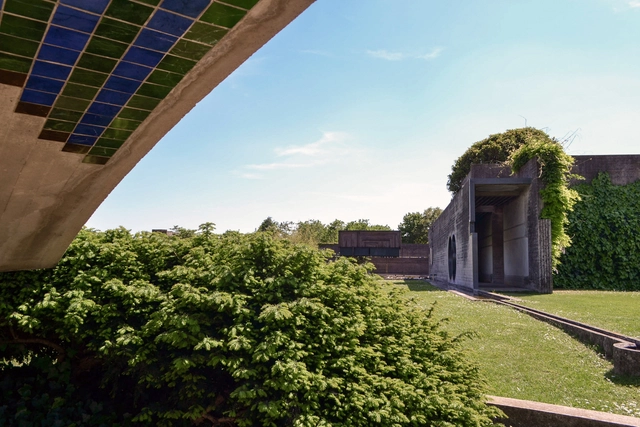
Could we qualify as "good architecture" that which has a story, or several stories, to tell us? That which is a story in itself? Such a subjective question undoubtedly generates different answers, but one possible answer is "yes". And one example is the Brion Tomb project, one of Venetian architect Carlo Scarpa's major masterpieces.
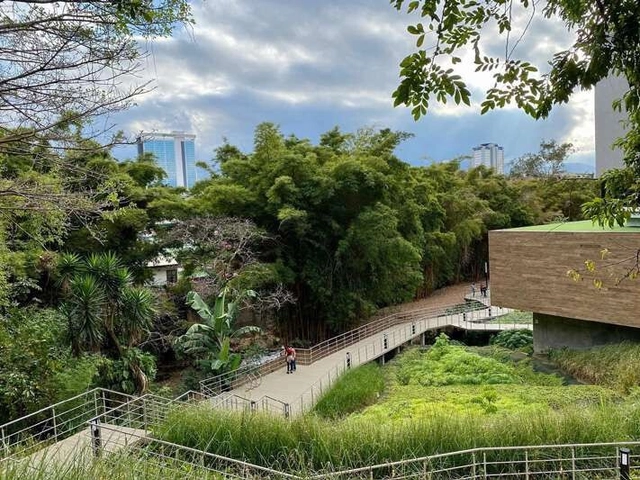
Rutas Naturbanas (San José, Costa Rica. 2015 – 2020). Fundación Rutas Naturbanas - Federico Cartín. Image Courtesy of Jeannette Sordi
Green corridors, or biodiversity corridors, are large portions of land that receive coordinated actions to protect biological diversity. According to Brazil’s National System of Nature Conservation Units, they strengthen and connect protected areas, encouraging low-impact use by implementing a more comprehensive, decentralized and participatory conservation alternative.
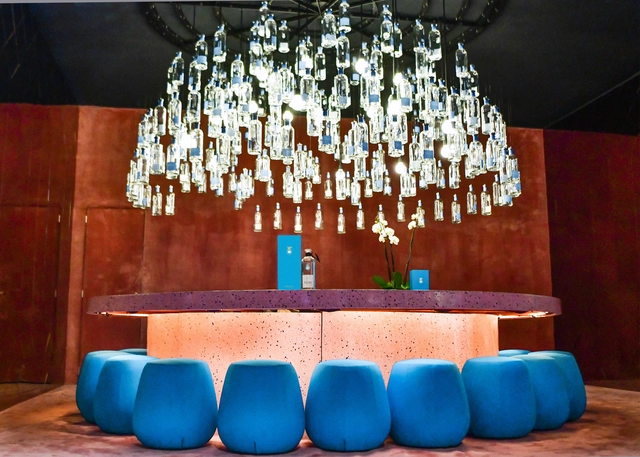
Mexico City-based architecture firm Tatiana Bilbao ESTUDIO presented its design for the Casa Dragones Tequila Tasting Room, which took place at Art Basel Miami Beach from December 1st to 3rd in the second year of its multi-year partnership. Founded in 2009 by Bertha Gonzalez Nieves to create tasting tequilas produced with the utmost care and expertise, Casa Dragones has become the first tequila brand to be an Official Partner of Art Basel Miami.
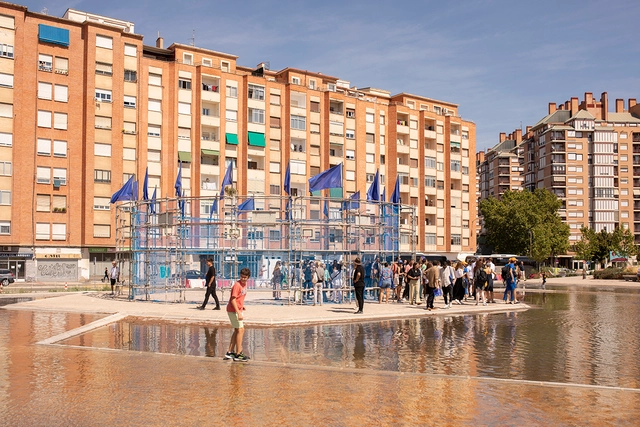
Biennales, exhibitions, and architecture focused festivals provide a platform for opening debates, conducting research, and driving innovation, but they can also contribute to the incremental changes that shape the image and the character of a city. Through temporary installations and experiments, this type of events have the opportunity to open lines on inquiry into the quality of urban spaces, inviting visitors and residents to slow down, break away from their daily routine and interrogate their local environments. The effects might not be immediate, but by cumulating these impressions and moments of contemplation, architecture and design festivals can have a long-lasting impact on the cities that welcome them.
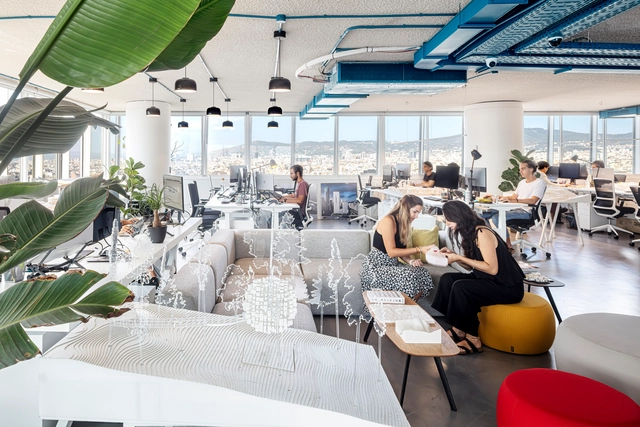
Keen to shape buildings and cities in Southern Europe, BIG has opened its latest office in Barcelona, Spain. Led by partner, João Albuquerque, the studio is seeking to create positive change and integrate into the city and the Spanish community. With a couple of projects spanning from the west to the east of the Mediterranean region, most notably Farfetch, and Fuse Valley campus in Portugal, the Joint Research Center in Sevilla for the European Commission, and the Gastronomy Open Ecosystem for Basque Culinary Center, BIG Barcelona is in constant evolution.
ArchDaily had the chance to talk to BIG Barcelona Partner João Albuquerque about the inception of the Barcelona office, his journey at BIG, and the firm's upcoming projects and involvement within the Spanish and Southern European markets.
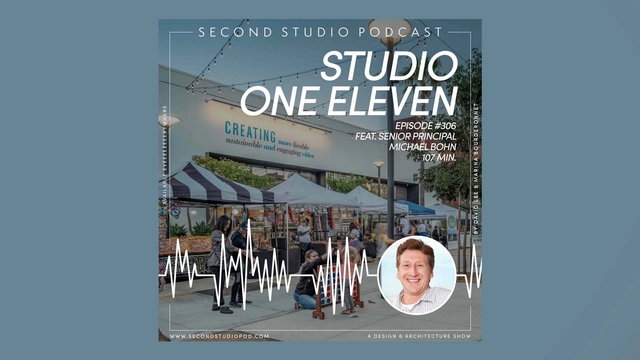
The Second Studio (formerly The Midnight Charette) is an explicit podcast about design, architecture, and the everyday. Hosted by Architects David Lee and Marina Bourderonnet, it features different creative professionals in unscripted conversations that allow for thoughtful takes and personal discussions.
A variety of subjects are covered with honesty and humor: some episodes are interviews, while others are tips for fellow designers, reviews of buildings and other projects, or casual explorations of everyday life and design. The Second Studio is also available on iTunes, Spotify, and YouTube.
Baby Boomers, Gen X, Millennials, and Gen Z have long dominated the conversation around how different generations influence architecture and the built environment. From views around city planning and zoning efforts to the great debate about whether workplaces should be completely open or office-intensive, each generation has had its strong opinions about how spaces we inhabit are designed- largely shaped by the socio-economic, political, and technological influences that have shaped our lives in different ways. Looking ahead, what can we expect next? Enter Generation Alpha, the first generation born entirely within the 21st century.
Chile has a rich and vast heritage architecture, which is gradually gaining relevance through different initiatives that seek to renovate these buildings to give them a second life. The buildings and infrastructures were in disrepair, disused, or damaged, but have great architectural value, being an important contribution to the reconstruction of the history of Chilean cities.
In October, the ArchDaily team spoke with Henry Glogau during his stay in London, where he was working on a number of projects. At only 26 years old, his resume includes an impressive amount of international awards, which he has received for the relevance of his work to issues both so basic and urgent for humanity: access to potable water, sanitation and quality of life. Born in New Zealand, Henry moved to Copenhagen in 2018 to study at the Royal Danish Academy and for the past two years has been working at the 3XN GXN office as an architect in their innovation unit, alongside a multidisciplinary team. Below, read the conversation we had about some of his projects, his beliefs about the role of architecture, and his views on our responsibility to the planet.
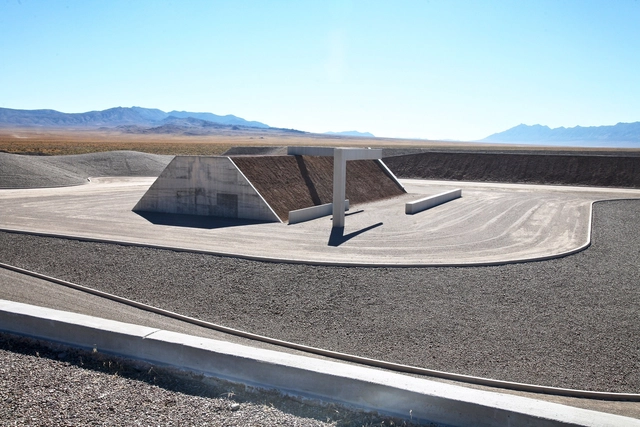
Artists are frequently inspired by land — be it painter Robert S. Duncanson’s renditions of American landscapes, or William Kentridge’s subversions of colonial-era British paintings depicting African vistas. Some artists, though, have preferred to work directly with the land, creating structures that sit on landscapes, or carving into the land itself. This art style — formally termed as Land Art — gained prominence in 1960s and 70s United States, in the context of the rise of the environmental movement amidst civil rights and antiwar protests, and as artists looked to separate themselves from the art market.


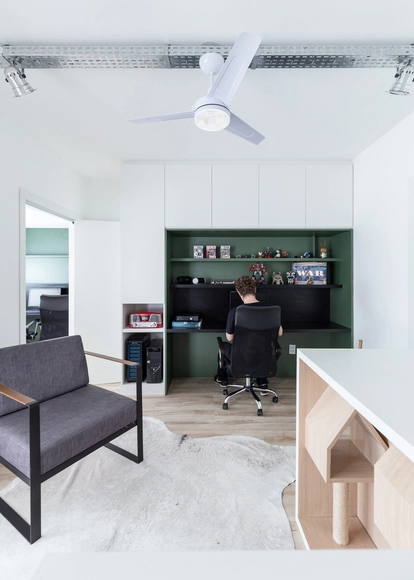
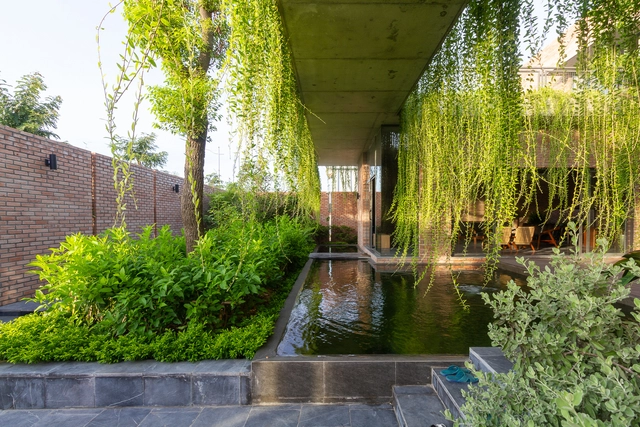

_-18.02.2020-.jpg?1609783836 "Ster House / DELUTION. Image Courtesy of Delution Architect")