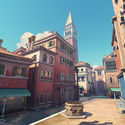
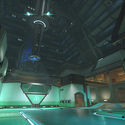
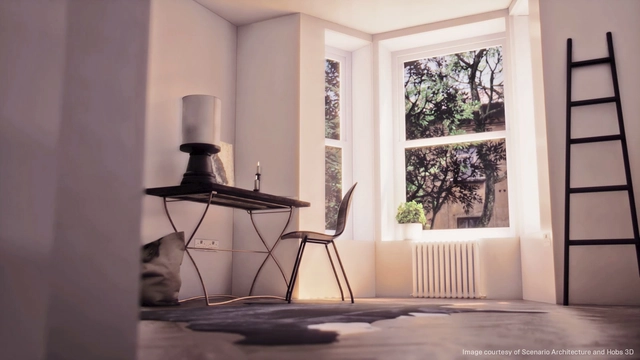
Realistic images and walk-throughs have become an integral part of project presentations. Designers are using cutting-edge softwares and constructing precise 3D models to showcase their work as authentically as possible. As for the world of video games, it is not just about the quality of the graphics or how accurate these graphics are, but rather the immersive experience of visual designs and how the players are communicating with the virtually-built environment.
In an exclusive interview with ArchDaily, Philip Klevestav, principle artist at Blizzard Entertainment, the gaming development company known for Warcraft, Overwatch, and Diablo, shares his insights on video game designs and the influence of architecture on the designing process.
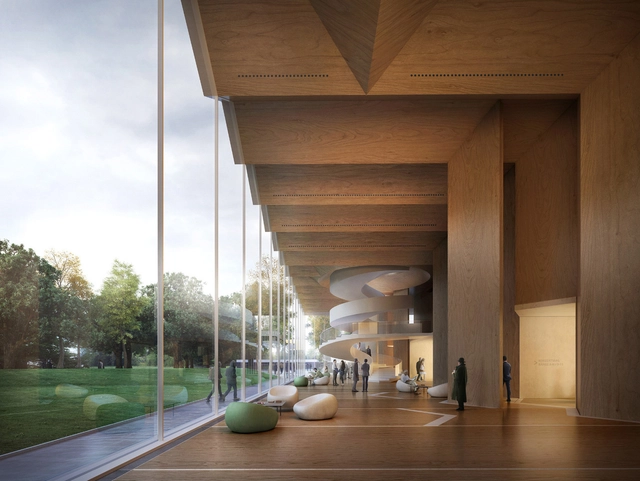
Every so often, the field of architecture is presented with what is hailed as the next “miracle building material.” Concrete enabled the expansion of the Roman Empire, steel densified cities to previously unthinkable heights, and plastic reconstituted the architectural interior and the building economy along with it.
But it would be reasonable to question why and how, in the 21st century, timber was accorded a miracle status on the tail-end of a timeline several millennia-long. Though its rough-hewn surface and the puzzle-like assembly it engenders might seem antithetical to the current global demand for exponential building development, it is timber’s durability, renewability, and capacity for sequestering carbon—rather than release it—that inspires the building industry to heavily invest in its future.
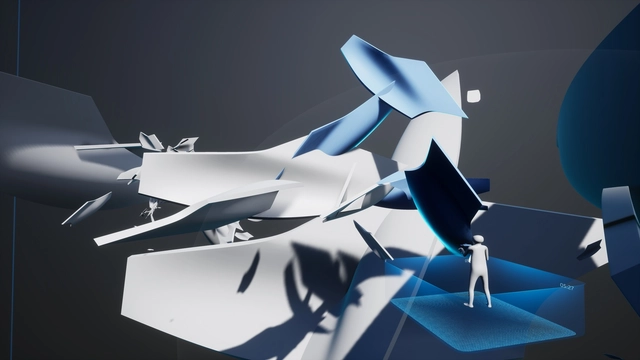
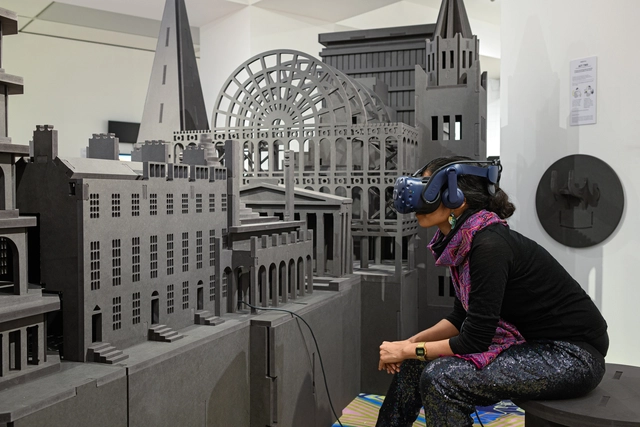
Freestyle by Space Popular at RIBA Architecture Gallery @ Francis Ware
RIBA presents its first virtual reality (VR) exhibition, exploring moments across 500 years of aesthetics in architecture.
What makes a style? How is a style collectively agreed upon and shared? Drawing on RIBA’s world-class collections, Space Popular uses virtual reality to examine styles of the past and to consider the technology’s impact on contemporary spaces and buildings. Historic artefacts will be displayed alongside newly commissioned content, inviting you to enter a beguiling virtual universe to experience how popular cultures and technologies impact architecture and its style evolution.
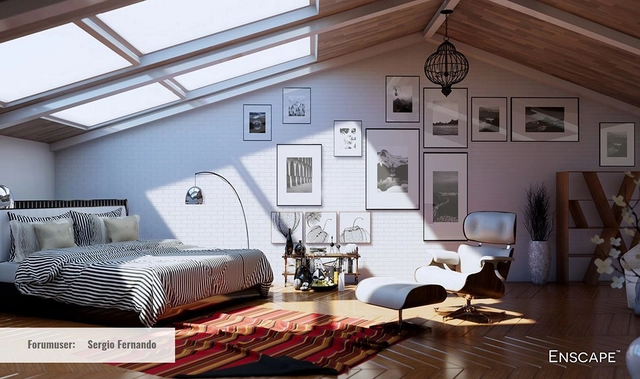
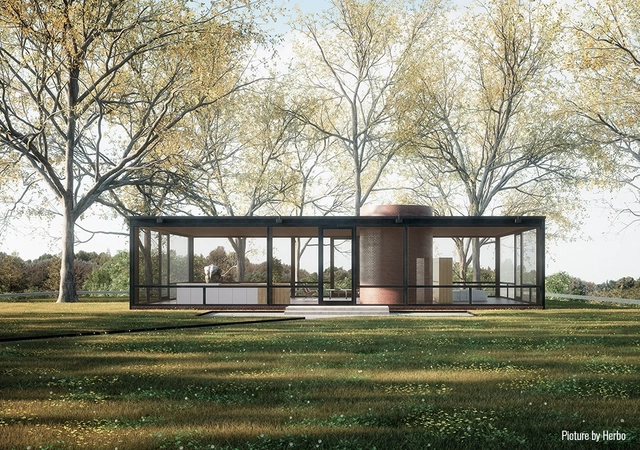
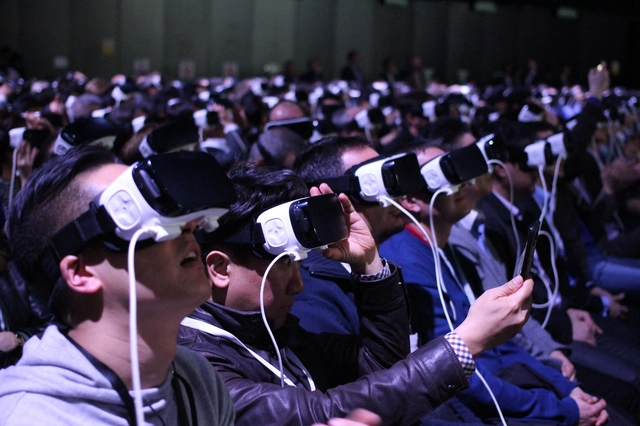
Forward-thinking architectural firms, infrastructure consultancies, and interior design businesses are increasingly leaning on real-time architectural visualization to explore, evaluate, and present designs. By affording clients and project stakeholders the opportunity to experience future spaces in interactive and immersive environments, real-time technology provides a compelling immediacy that 2D drawings cannot.
Shifts in technology reflect how designers are creating experiences of architecture and cities. New advances engender novel ways of working, and in turn, shape our design process. As a practice defined by pushing boundaries, experimenting with workflows, and embracing new design technologies, Morphosis has a forty-year history of enthusiastically wondering at the future.
A new application takes visitors into the virtual world of the Palace of Versailles. A first in the cultural scene, the VR application offers a detailed tour of the Royal Grand Apartments, the Chapel and the Opera amongst others. With photogrammetry, a 3-dimensional universe is reconstructed from 2D images of the 24 emblematic rooms of the palace.
There’s a lot of buzz going on in terms of technology-driven innovation in the AEC industry. Especially the increasing use of 3D renderings and virtual reality for architectural projects is hitting every architect’s newsfeed. Photorealistic images and virtual reality walk-throughs seem to be turning into the new industry standard. That being said, for many architectural firms it seems to be hard to keep up with quickly developing new tech and thereby find ways to differentiate themselves from the competition.
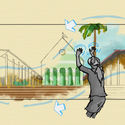
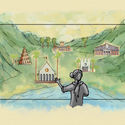
Design company Kilograph has announced the release of “Imagined Landscapes,” a new virtual reality experience exploring the unbuilt work of architect Michael Graves. Based on Graves’ personal paintings, “Imagined Landscapes” offers the first chance to add VR watercolors to an architectural project, turning a conceptual resort into an interactive experience for visitors.
The Aesthetics of Prosthetics exhibition is within the framework of Pratt Institute School of Architecture’s 2019 Dean’s Lecture Series and will take place between September 19th and October 17th.
The School of Architecture will host a debate with experts in the subject of prosthetic intelligence on the same day. The debate, moderated by Ferda Kolatan, will introduce the subjects addressed at the exhibition and will be followed up by the opening reception of the exhibition.
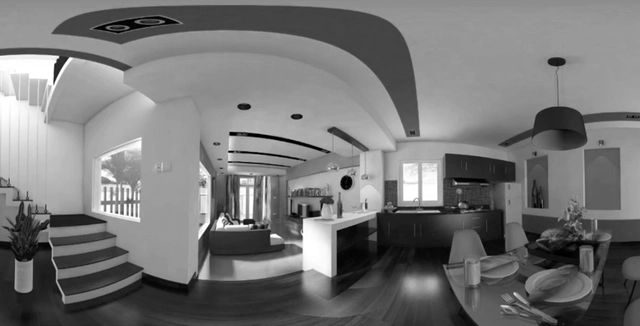
With the popularization of virtual reality and augmented reality, new ways of exploring architectural representations have become available to professionals and students. Immersion in three-dimensional digital models is increasingly common, whether through a computer screen, smartphone or VR headsets. In light of this reality, which seemed overly futuristic up until a few years ago, the online platform Tour Fácil has launched a free plugin that can view exported 360-degree images from SketchUp in virtual or augmented reality.
Unlike its TV and film counterparts, which imagine the future as an over-populated dystopian nightmare overrun with violence and chaos, Black Mirror paints a picture of a near future that aligns far more with our current reality--and nowhere is this more apparent than in the architecture shown in the series.
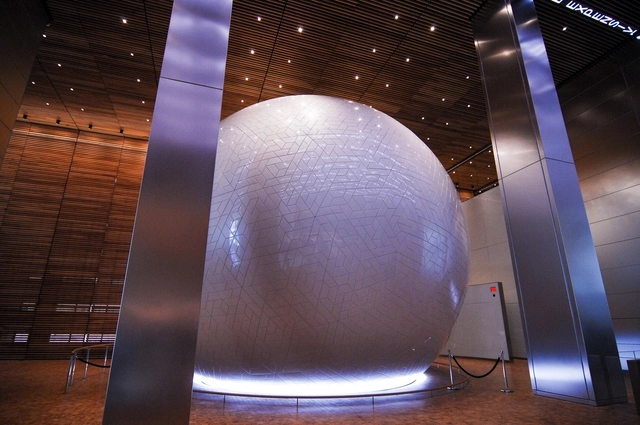
Foster+Partners and Immersive have joined forces with Steven Spielberg to create a digital entertainment experience for the Comcast Technology Center in Philadelphia. Immersive, recognized as a world leader in the design and production of experimental media installations, conceived the installation having been approached by Foster + Partners in 2016 to create a multimedia experience that would embody the Comcast Technology Center’s focus on innovation.
https://www.archdaily.com/919826/foster-plus-partners-steven-spielberg-and-immersive-team-up-for-universal-sphereNiall Patrick Walsh
For those around the world unable to attend the opening of Junya Ishigami’s Serpentine Pavilion in London, photographer Nikhilesh Haval of nikreations has published a virtual tour of the structure. Similar to previous productions of Frida Escobedo’s 2018 Pavilion, BIG’s 2016 Pavilion, and SelgasCano’s 2015 Pavilion, the virtual tour allows viewers to experience the “free space” philosophy that defines the pavilion, playing with our perspectives of the built environment against the backdrop of a natural landscape.
https://www.archdaily.com/919646/step-inside-a-360-degrees-virtual-tour-of-the-serpentine-pavilionNiall Patrick Walsh
Having launched at the end of 2018, Project Correl used VR headsets and apparatus to transport visitors to a virtual environment to collaborate with each other on an ever-evolving structure. The design was periodically captured and exhibited in the gallery as scaled 3D printed models to further demonstrate the design process encouraged by Correl. The final resulting model is now on display as part of the Design As Second Nature Exhibition.
If you're looking to upgrade your standard architecture presentation, SENTIO VR's tutorials can be very useful. They allow you to accurately use Revit, SketchUp, V-ray, 3Ds Max, Lumion and Cinema4D to create 360 renders and perform virtual reality experiences, with both technical and visual advice.
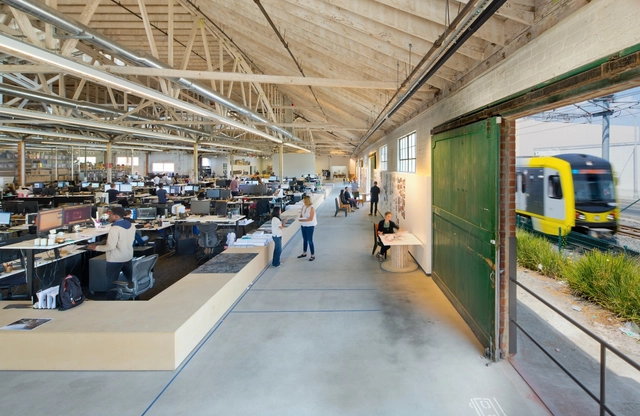
Join Rios Clementi Hale Studios and Cal Poly Tech for an investigation of virtual reality in architecture on Sunday, December 9 at the Rios Clementi Hale Studios offices.
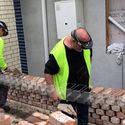
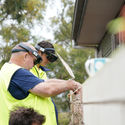
Fusing augmented reality with the physical space, Fologram seeks to facilitate the construction of complex designs (for example, parametric designs that require a series of measurements, verification, and specific care) through digital instructions that are virtually superimposed into the workspace, directing a step-by-step guide for bricklayers during the construction process.
'Research institutions and large companies are working with industrial robots to automate these challenging construction tasks. However, robots aren’t well-suited for unpredictable construction environments, and even the most sophisticated computer vision algorithms cannot match the intuition and skill of a trained bricklayer,' stated their creators.
Virtual reality offers benefits that, just years ago, were hardly even imaginable. Projects can be walked through before being built; the interiors fully visualized before all the details are decided. It allows architects and clients the ability to work as true collaborators in the design of a project.
https://www.archdaily.com/909312/exploring-your-project-in-virtual-reality-7-tips-from-the-experts-who-make-itKatherine Allen
















_2655.jpg?1561371788&format=webp&width=640&height=580)