1. ArchDaily
  2. Urbanism

Urbanism: The Latest Architecture and News

Subscriber Access

Six Interviews to Understand Latin American Architecture

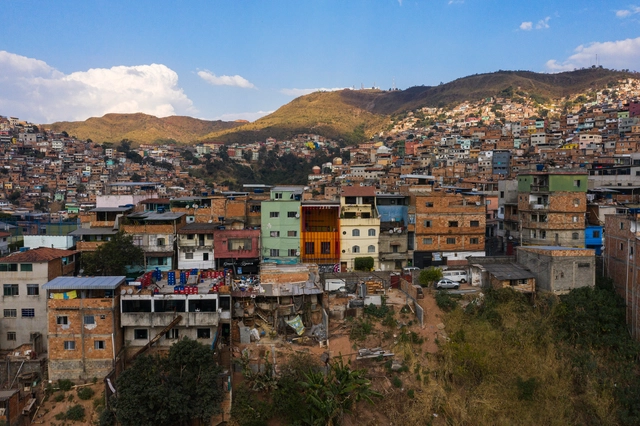
Multifaceted and full of complexities, the scenario of architecture and urbanism in Latin America reveals nuances and specific challenges in the face of the issues faced by the various countries, such as social inequality, violence, and rapid urban growth. In this context, architectural practice plays a relevant role in the construction of possible and adequate solutions for each reality, highlighting the importance of reaffirming local references and narratives in this process. In the face of the hegemony established especially by North America and Europe, which often marginalizes Latin American architectural and urban achievements, especially those that are not even considered as such, the appreciation of this diversity and complexity becomes imperative for any thought and intervention regarding the region. Below, we have selected six interviews that help us understand the architecture of Latin America, and that contribute to a more contextualized and sensitive approach to its needs, potential, and richness. Emilio Lopez: Latin American architecture is experimenting with geography and resources Emilio López is an architect from the Pontifical Catholic University of Ecuador and holds a master's degree in the History and Theory of Architecture from the Polytechnic University of Catalonia. He affirms that he still lives in Ecuador, a territory with one of the world's greatest biodiversities. He points out that the geography, plants, climates, and cultures of the country are great stimuli, and he sustains that with architecture comes the possibility of immersion and blending with the environment, allowing oneself to be transformed by the other. He says that the strength of architecture lies in being a product of the immersive affection that implies rethinking its relationship with resources and the world in which it lives. Gabriela de Matos and Paulo Tavares: We seek to expand architecture from other stories and cultures Questioning the canonical history of architecture and shedding light on spatial practices long invisibilized is what Gabriela de Matos and Paulo Tavares propose. "It is our way of shaking things up," comment the curators, who turn their attention to ancestral ways of dealing with the earth, aiming at fairer and more comprehensive present and future possibilities. Addressing the earth in all the meanings that the word carries, the curators superimpose issues related to soil and territory with planetary issues, proposing an approach between reparations and decoloniality - emerging in the Brazilian context - with broad topics such as decarbonization and the environment, decisive in the contemporary global debate. Sergio Ferro: In our construction field, the only way out would perhaps be to "brush history against the grain" Sergio Ferro is a Brazilian architect, artist, historian, and architecture critic who, due to his political activism during the military dictatorship, was imprisoned and exiled to France in the 1970s. Throughout his career, he observed and intervened in the spaces of civil construction production, developing a critique of the production of plastic arts and architecture based on the construction process and its agents: the construction site, technologies, materials, and the builder. Taller General: Our definition of architecture is collectively shaped Taller General is a meeting point where Martín Real and Florencia Sobrero, among other members and collaborators, gather daily to do what they are passionate about: channeling their creativity through architecture, merging all aspects that shape their lives, from activism to teaching. Based in Ecuador, the team undergoes changes according to the needs of the projects and, most of the time, expands, with a collaborative work that allows sharing different perspectives, opinions, and practices, enriching the environment and generating results that would be unimaginable individually. EseColectivo: The minimum we consider in our exercise is not to waste ESEColectivo is an architecture studio composed of Belén Argudo, José de la Torre, Santiago Granda, and Pablo Silva based in Quito, Ecuador. Their interests focus on experimenting with alternative building materials, with an emphasis on technologies and logic. In their conception process, they seek to reconcile sustainable low-impact strategies with the specific needs and limitations of each project so that their results are heterogeneous and different in terms of the type of methodological and technical approach. Coletivo Levante: We experience a coexistence that brings forth affections, dialogues, values, and aspirations for an inclusive and participatory transformation Focused on the development of architecture projects in slums and outskirts, the action of Coletivo LEVANTE has shown great sensitivity to the characteristics and particularities of these contexts. According to the group, "the recognition of what already exists and is attributed with values lived and conquered by the residents of the favelas - landscape, constructions, identities, and relationships" is what they seek as the raw material of the projects. The Coletivo team is currently formed by Alan Franca, Amanda Castilho, Anna Lobato, Fernando Maculan, Marcos Franchinni, Nattalia Bom Conselho, Giovanna Camisassa, Helder Machado, Kdu dos Anjos, Maria Soalheiro, Marina Vilela, Matheus Angel, Pedro Assis, Rafael Yanni, and Ricardo Lobato. However, as the works of LEVANTE have shown, the network of professionals, suppliers, partners, and collaborators is extensive and expands beyond the collective itself, proving to be a valuable factor for the realization of their projects.
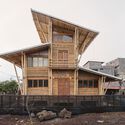

Six Interviews to Understand Latin American Architecture - Image 1 of 4Six Interviews to Understand Latin American Architecture - Image 2 of 4Six Interviews to Understand Latin American Architecture - Image 3 of 4Six Interviews to Understand Latin American Architecture - Image 4 of 4Six Interviews to Understand Latin American Architecture - More Images+ 4

Subscriber Access

Urban Challenges of Hillside Cities

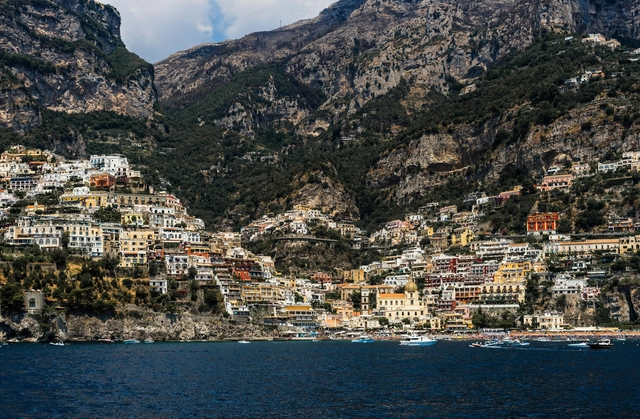
Living in cities built on geographical slopes is a unique and challenging experience. While these areas can offer panoramic views and impressive landscapes, the steep topography presents a series of challenges in terms of urban planning, structural safety, and socio-environmental risks. These cities require special care and solutions in the design of streets, buildings, and infrastructure, as well as an understanding that, for reasons of environmental safety and population well-being, not all areas should be occupied.

Subscriber Access

Artificial Intelligence and Urban Planning: Technology as a Tool for City Design

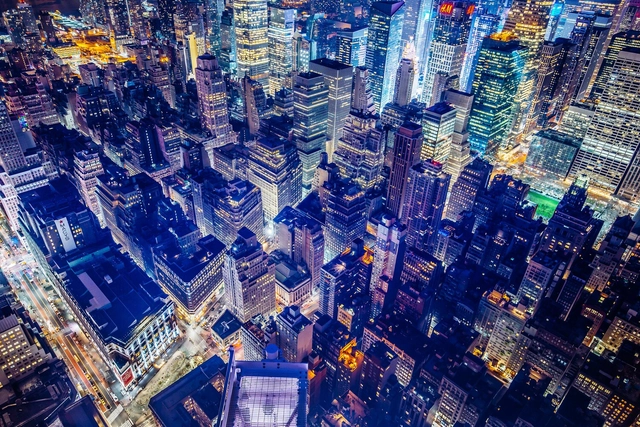
The convergence of artificial intelligence (AI) and urban planning holds significant promise for creating more intelligent, efficient, and sustainable cities. This fusion entails the integration of cutting-edge technologies that can guide decision-making, enhance resource allocation, predict trends, engage citizens, and more. In this framework, where AI is seen as a tool for advancing various urban aspects, there has been a surge in the development of applications, software, and other technological systems tailored to support urban planning. Below, we have highlighted some global studies and technologies applied from urban morphology to community involvement.

Subscriber Access

Gross National Happiness as Public Policy: The Case of Bhutan

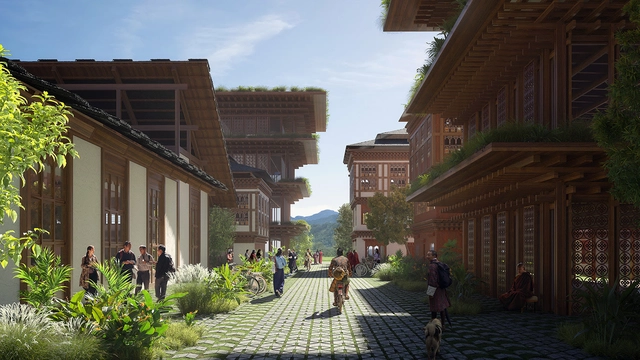
Recently, the renowned Danish office BIG announced the launch of its project for the city of Gelephu in Bhutan. This masterplan is inspired by the country's culture and its principles of happiness. The "Mindfulness City" aims to offer numerous possibilities for public engagement, fostering investments in infrastructure, education, and sustainable technologies—all aligned with the precepts of Gross National Happiness (GNH).

Subscriber Access

Unlocking Urban Potential: Street Vending Integration Strategies in Informal Settings

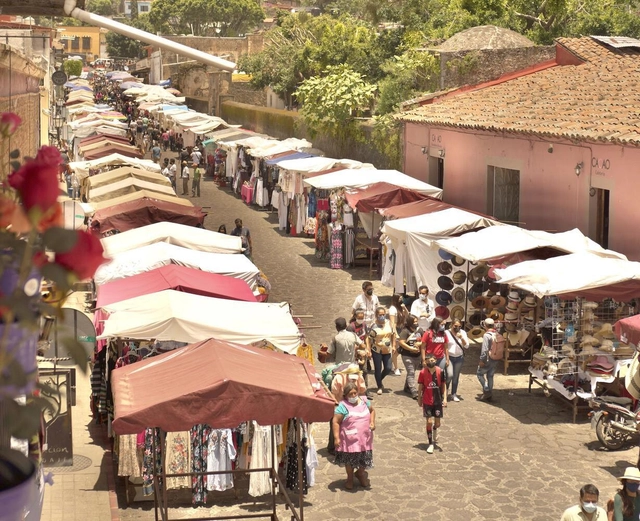
Usually defined by their open-air settings, diverse offerings, local and independent sellers, temporary nature, and acting as social hubs, street markets have been around for thousands of years. From the days of the Roman Forum to the Silk Road and the markets of ancient Greece, they are undoubtedly essential parts of urban life, or “the center of all that is unofficial.” Mostly categorized under the informal economy due to lack of regulations and authorization, street markets in the global south have often been seen as a threat to urban development. However, these erratic and adaptive urban spaces serve core functions in any developing city, acting as pillars of community in many different facets of society.

Policymakers and city officials have long struggled with informality, considering it the “antithesis of modernity.” Conventionally, the informal economy consists of activities with market value but are not formally registered, often unregulated, undocumented, and operating outside the incentive system offered by the state. Street vendors, specifically in the global south, constitute a substantial portion of the informal economy. Moreover, as cities grow and approach development, public spaces become more contested and privatized, leading to an overall mission to remove street markets or push them into formalization.

Subscriber Access

Beyond the Stage: Urban Impacts of Mega Concerts

When internationally acclaimed music icons like Beyoncé, Taylor Swift, and Paul McCartney announce their global tours, the anticipation sparked by revealing the countries and respective host cities is met with thorough preparations. These preparations aim to adapt to the array of changes that will unfold in the urban spaces of these cities due to the impact of these events. These mega-concerts extend beyond the musical realm; they transcend the stage to mobilize significant financial figures and result in various transformations in the everyday urban life of these cities. Even though these events do not last long, they instigate alterations in diverse spheres and urban sectors, including tourism, hospitality, food, and transportation.

Subscriber Access

Interior Urbanism: The Implications of Indoor Public Space

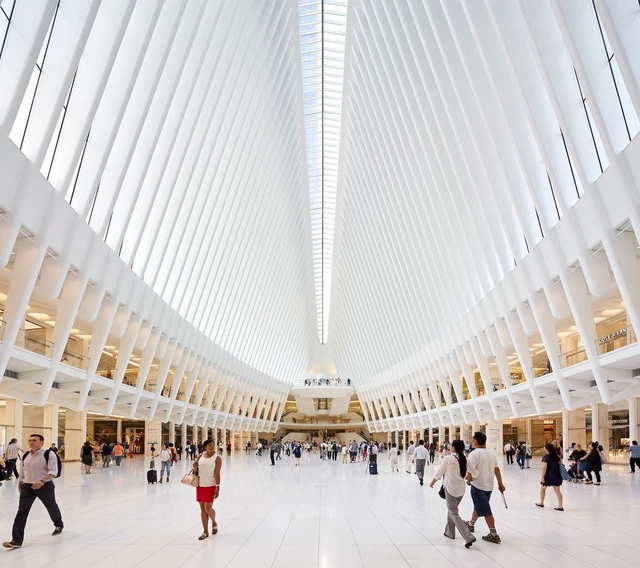
Contemporary cityscapes vary greatly from their early precedents, hosting urban life in sprawling interior spaces like mega-hotels, shopping malls, and transportation hubs. Soaring atriums and expansive concourses are now a normal part of the urban experience, allowing for public activity 'inside' the city. Interiors and urbanism are often considered at far ends of the spatial spectrum, with architecture serving as a mediator between the two. The growing significance of 'interior urbanism' in the functioning of the built environment demands the question - how can cities be reinvented from the inside out?

Interior Urbanism: The Implications of Indoor Public Space  - 1 的图像 4Interior Urbanism: The Implications of Indoor Public Space  - 2 的图像 4Interior Urbanism: The Implications of Indoor Public Space  - 3 的图像 4Interior Urbanism: The Implications of Indoor Public Space  - 4 的图像 4Interior Urbanism: The Implications of Indoor Public Space  - More Images

Understanding Urbanism: Harmony, Justice, and Poetry in Cities

Cities are vibrant systems that hold meaning and move with the rhythm of the human life that powers it. In the fabric of urban landscapes, architects and urban designers collaborate to create spatial harmonies that extend beyond aesthetics and towards social justice and poetic expression. Citizens engage, becoming active participants in the ongoing narrative of the city - the metropolitan melody. 

In 2023, ArchDaily wrote about the poetics of urbanism, exploring a future where cities meet its people’s social and emotional needs: 

Understanding Urbanism: Harmony, Justice, and Poetry in Cities - Image 1 of 4Understanding Urbanism: Harmony, Justice, and Poetry in Cities - Image 2 of 4Understanding Urbanism: Harmony, Justice, and Poetry in Cities - Image 3 of 4Understanding Urbanism: Harmony, Justice, and Poetry in Cities - Image 4 of 4Understanding Urbanism: Harmony, Justice, and Poetry in Cities - More Images+ 2

Subscriber Access

How Television Narratives Shape Urban Imaginaries

Cities are not just inert landscapes or lifeless settings; they play active and significant roles in shaping numerous television narratives. Whether in series or soap operas, urban environments play a fundamental role not only as the backdrop where plots unfold but also in shaping the developments of storylines, their creations, guidelines, and contexts. While, on the one hand, cities and their urban cultures contribute to the composition of various small screen plots, on the other hand, television programs can also help shape a certain idealized imagination about these urban spaces, generating unrealistic expectations and perpetuating a series of stereotypes about the represented cities.

How Television Narratives Shape Urban Imaginaries - Imagem 1 de 4How Television Narratives Shape Urban Imaginaries - Imagem 2 de 4How Television Narratives Shape Urban Imaginaries - Imagem 3 de 4How Television Narratives Shape Urban Imaginaries - Imagem 4 de 4How Television Narratives Shape Urban Imaginaries - More Images+ 2

Subscriber Access

Urban Staircases: Vertical Poetry in Cities

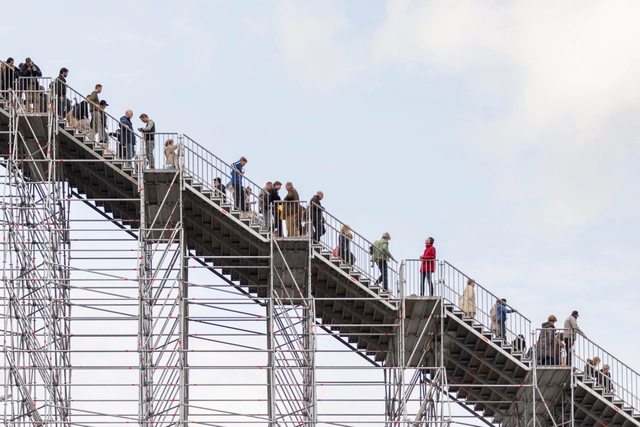
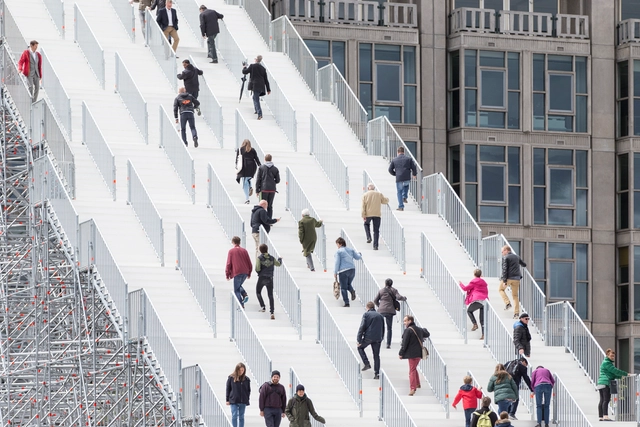
Staircases facilitate transit and movement within cities, influencing how communities interact and navigate their urban surroundings. Despite often going unnoticed within the cityscape, these staircases are significant witnesses to history. Beyond their architectural function, they are essential connectors, providing spaces where the pulse of urban life unfolds. Amidst buildings, hills, slopes, and bustling streets, staircases emerge as dynamic stages for movements, encounters, and disconnections, intertwining with the narratives embedded in each step.

Urban Staircases: Vertical Poetry in Cities - Imagen 1 de 4Urban Staircases: Vertical Poetry in Cities - Imagen 2 de 4Urban Staircases: Vertical Poetry in Cities - Imagen 3 de 4Urban Staircases: Vertical Poetry in Cities - Imagen 4 de 4Urban Staircases: Vertical Poetry in Cities - More Images+ 15

Subscriber Access

What Is an Urban Oasis? Combating the Excessive Heat of Cities

We are on the brink of concluding the hottest year in the past 125,000 years. Recently, elevated temperatures have adversely impacted the daily routines of a significant portion of the population, particularly those who spend most of their day outdoors without access to air-conditioned environments. Excessive heat stems from various sources, both natural and human-induced. Given the grim outlook on this matter, it becomes imperative to explore structural measures to address and mitigate the potential deterioration of public health caused by escalating temperatures.

What Is an Urban Oasis? Combating the Excessive Heat of Cities - Imagem 1 de 4What Is an Urban Oasis? Combating the Excessive Heat of Cities - Imagem 2 de 4What Is an Urban Oasis? Combating the Excessive Heat of Cities - Imagem 3 de 4What Is an Urban Oasis? Combating the Excessive Heat of Cities - Imagem 4 de 4What Is an Urban Oasis? Combating the Excessive Heat of Cities - More Images+ 2

Subscriber Access

Urban Anti-Flooding Strategies in Latin American Cities

In several cities in Brazil, the amount of rainfall has already surpassed the total accumulated for the rest of the year. Flooding, inundations, and landslides are commonplace news in regional newspapers. In this chaotic scenario, a study presented by the National Confederation of Municipalities states that, amidst the rains in the south and drought in the north, 5.8 million Brazilians have been directly affected by disasters in 2023, whether by loss of lives, displacements, or significant economic damages.

Unfortunately, the outlook is not promising either. The national version of the renowned IPCC climate change report, compiled by the Brazilian Panel on Climate Change (PBMC), has already warned that Brazil, along with other countries in Latin America, will not only experience rising temperatures due to climate change but will also witness a drastic shift in its rainfall patterns. In other words, here in the south, we better get used to the sound of rain on our windows, while the north should brace for historic droughts.

Urban Anti-Flooding Strategies in Latin American Cities - Image 1 of 4Urban Anti-Flooding Strategies in Latin American Cities - Image 2 of 4Urban Anti-Flooding Strategies in Latin American Cities - Image 3 of 4Urban Anti-Flooding Strategies in Latin American Cities - Image 4 of 4Urban Anti-Flooding Strategies in Latin American Cities - More Images+ 9

Subscriber Access

Designing Urban Blocks for Children

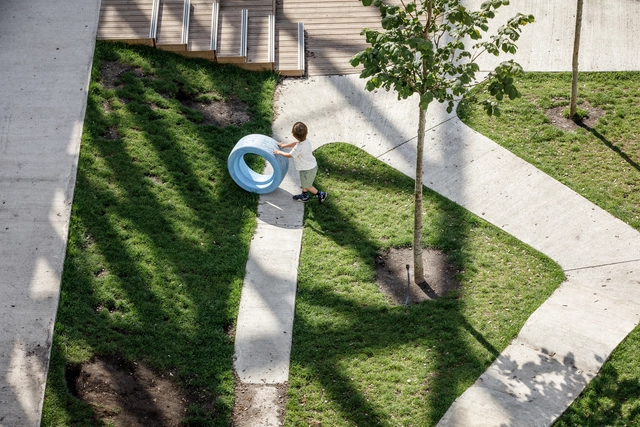
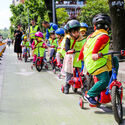
Have you ever considered how spaces are perceived, experienced, and enjoyed from a height of 95 cm? Considering urban design from the child's perspective is essential for fostering inclusive, healthy, and secure cities. Components tailored to these needs benefit children and enhance the experience for adults, the elderly, and people with disabilities. Blocks play a pivotal role in this discourse as key urban elements. These spaces provide several opportunities for utilization and adaptation within urban environments. They can be modified and designed in diverse ways, incorporating strategies to better cater to the specific needs of children.

Designing Urban Blocks for Children - Image 1 of 4Designing Urban Blocks for Children - Image 7 of 4Designing Urban Blocks for Children - Image 6 of 4Designing Urban Blocks for Children - Image 5 of 4Designing Urban Blocks for Children - More Images+ 10

San Francisco’s Love Affair With the Ferry Building

This article was originally published on Common Edge.

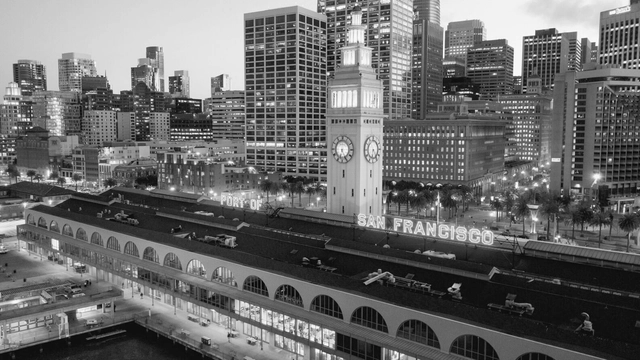
Can telling the story of one building tell a larger story about the city it’s a part of? That’s the central premise of John King’s engaging new book, Portal: San Francisco’s Ferry Building and the Reinvention of American Cities (W.W. Norton). The long-time urban design critic for the San Francisco Chronicle has written a brisk, lively history of this beloved edifice, which opened in 1898 and served as the principal gateway to the city until the emergence of the automobile (and the bridges that served them).

For decades it sat largely empty and neglected, cordoned off by the Embarcadero Freeway. After the Loma Prieta earthquake in 1989, the damaged highway was eventually removed, freeing up the Ferry Building, which was given new life as a transportation hub, food hall, and office building. Last week I talked to King about the genesis for the book, the terminal’s seminal importance to the city of San Francisco, and the threat it faces from rising sea levels.

San Francisco’s Love Affair With the Ferry Building - 1 的图像 4San Francisco’s Love Affair With the Ferry Building - 2 的图像 4San Francisco’s Love Affair With the Ferry Building - 3 的图像 4San Francisco’s Love Affair With the Ferry Building - 4 的图像 4San Francisco’s Love Affair With the Ferry Building - More Images+ 3

Subscriber Access

Julio Vargas Neumann on the Future of Materials: 'Today's Reinforced Concrete will Disappear'

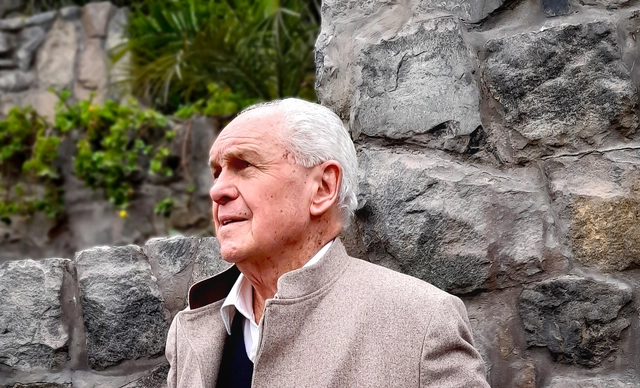
With an air of simplicity and wisdom, engineer Julio Vargas Neumann welcomes us. His two dogs accompany us as we descend after the necessary ascent to enter, and we are also accompanied by the stone walls defining the lot. We sit down and begin - or continue - the interview and conversation regarding the value of 'shicras', local materials, and earth construction. We also discuss criticisms of cement, aluminum, and steel, as well as perspectives on the future of materials in Peru and the world. Likewise, we delve into the long-neglected and recurrent rural problem in South America, discussing the inexorable need to change paradigms and priorities.

Julio Vargas Neumann on the Future of Materials: 'Today's Reinforced Concrete will Disappear' - Imagem 1 de 4Julio Vargas Neumann on the Future of Materials: 'Today's Reinforced Concrete will Disappear' - Imagem 2 de 4Julio Vargas Neumann on the Future of Materials: 'Today's Reinforced Concrete will Disappear' - Imagem 3 de 4Julio Vargas Neumann on the Future of Materials: 'Today's Reinforced Concrete will Disappear' - Imagem 4 de 4Julio Vargas Neumann on the Future of Materials: 'Today's Reinforced Concrete will Disappear' - More Images+ 23

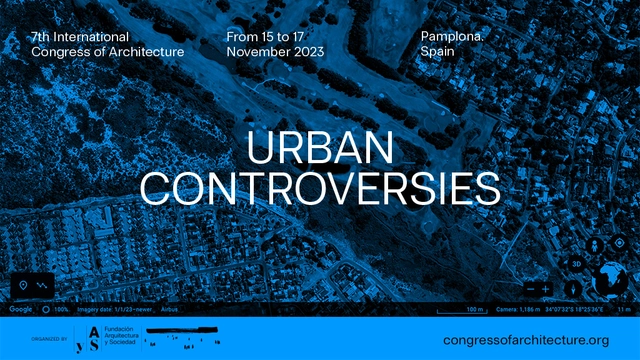
The VII International Congress of Architecture: Urban Controversies

The VII International Congress of Architecture, focusing on Urban Controversies, is a must- attend event set to take place at the Baluarte Auditorium from November 15th to 17th, 2023. This event, hosted in Pamplona, will bring together experts from around the world to discuss critical issues in architecture and sustainable urban development. Organized by the Architecture and Society Foundation, this seventh edition of the International Architecture Congress is dedicated to examining the complex challenges faced by cities.

Cultivating Non-Violent Cities: 10 Examples of Friendly Public Spaces

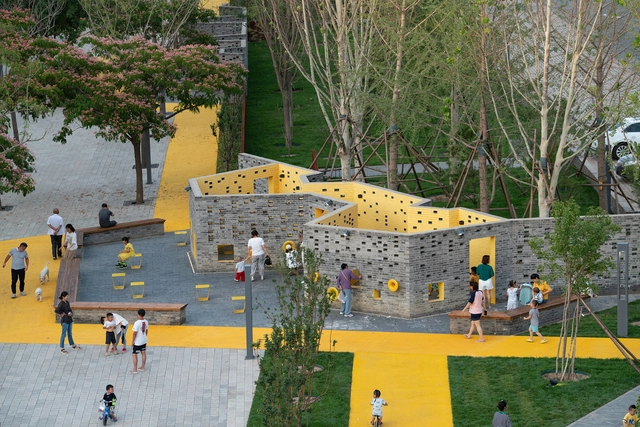
Violent cities result from social and economic inequality, which also affects the urban landscape and the way we live. In honor of International Cities Day, we have selected a series of projects to reflect on non-violent ways of using public space.

Cultivating Non-Violent Cities: 10 Examples of Friendly Public Spaces - Image 1 of 4Cultivating Non-Violent Cities: 10 Examples of Friendly Public Spaces - Image 2 of 4Cultivating Non-Violent Cities: 10 Examples of Friendly Public Spaces - Image 3 of 4Cultivating Non-Violent Cities: 10 Examples of Friendly Public Spaces - Image 9 of 4Cultivating Non-Violent Cities: 10 Examples of Friendly Public Spaces - More Images+ 9

Subscriber Access

Urban Sanitation in India: Past, Present, and Future

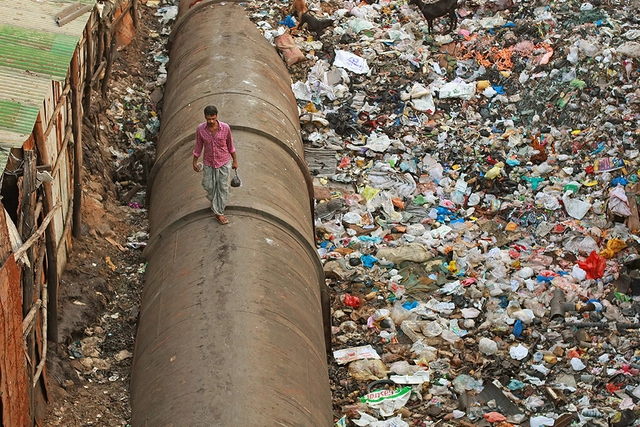
With large populations come formidable challenges, particularly in the realm of health and hygiene. In the last century, upholding sanitary conditions in urban areas has remained a persistent challenge, particularly in a nation that houses over 1.5 billion people. India grapples with a myriad of issues- inadequate infrastructure for sanitation, lack of public toilets, and poor waste management practices. In densely populated cities, the struggle intensifies as sanitation and cleanliness management falters. India's rapid urbanization has outpaced the development of sanitation infrastructure and cleanliness issues have deeply entrenched in the nation's built environment.

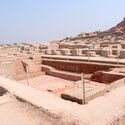
Urban Sanitation in India: Past, Present, and Future - 1 的图像 4Urban Sanitation in India: Past, Present, and Future - 2 的图像 4Urban Sanitation in India: Past, Present, and Future - 3 的图像 4Urban Sanitation in India: Past, Present, and Future - 4 的图像 4Urban Sanitation in India: Past, Present, and Future - More Images+ 1