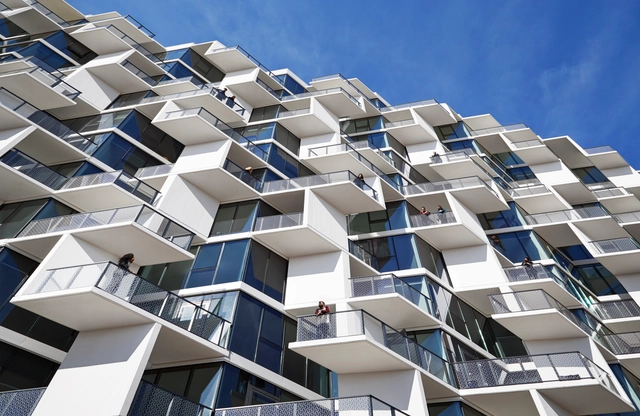
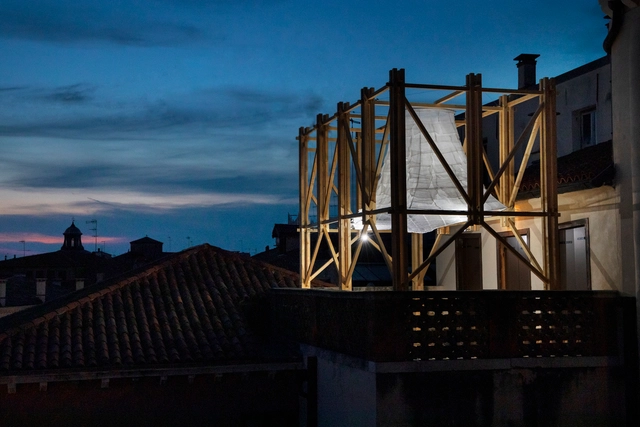
As part of the 6th edition of “Time Space Existence”, the European Cultural Center (ECC) presented the “Reconceptualizing Urban Housing” exhibition. Taking place from May 20 to November 26, 2023, it brings together a diverse array of women-led architecture practices from around the world, each offering a unique perspective on collective housing, particularly within urban settings. The showcased projects feature approaches from Europe, North America, and more developing countries like Uganda, Malaysia, and Mexico.
Innovation thrives when we pause to observe, question, and reimagine the world around us, turning challenges into opportunities for progress. Nature, in particular, serves as a rich source of inspiration. By observing it, studying its daily challenges, and contemplating its processes, we can discover valuable insights that inspire innovative solutions.
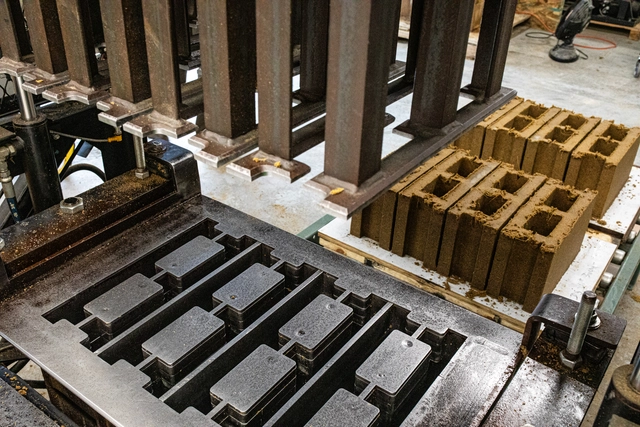
One of these current challenges is the production of concrete, an ancient and extremely popular material that is now accountable for a significant portion of global CO₂ emissions, due to the energy-intensive process of cement production and the chemical reactions involved. It is estimated to be responsible for approximately 8% of the world's annual CO₂ emissions, pumping 11 million tons of CO₂ into the atmosphere every day and consuming 9% of the world's annual industrial water usage. In addition, the world's building stock is expected to double by 2060—the equivalent of building an entire New York City every month for the next 36 years, which means an incredible increase in demand for cement and concrete. Faced with this daunting situation, is there anything we can do? In this article, we speak with Loren Burnett, CEO of Prometheus Materials, which has developed a material that mimics nature's processes to recreate concrete as we know it.
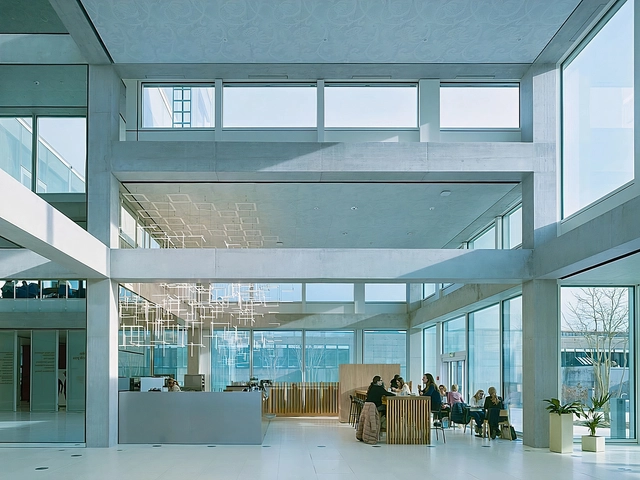
HSG Learning Center / Photo by Roland Halbe. Image Courtesy of Holcim
The need to reduce the construction industry's carbon footprint and its reliance on virgin natural resources is the most pressing issue facing the sector. It is therefore extremely important to foster innovation that can improve existing building materials and make them environmentally friendly, in order to successfully tackle its sizable carbon footprint and close the material loop.
Concrete, for example, has been used since the times of the ancient Romans and has proven to be a durable, strong, affordable and versatile building material. Today, it is the most widely used man-made resource in the world. However, its production methods raise environmental concerns: firstly, due to the high consumption of natural resources such as sand and gravel; and secondly —and more importantly— because of the CO₂ emissions associated with the production of its key ingredient: cement.
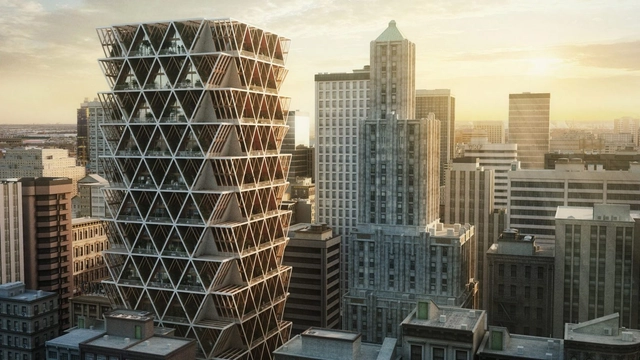
The Farmhouse / Studio Precht. Image Courtesy of Precht
Wood, an age-old building material, has left its mark on the history of architecture. Structures like townhouses and ancient cathedrals have seen usage and innovation with wood as a primary material. As technology evolves and urban landscapes grow skyward, wood has emerged as a strong contender to steel and concrete in the area of skyscraper design. Recent advances in engineering, materials science, and construction techniques have welcomed a new era of experimentation, enabling the construction of timber skyscrapers across the world. Timber skyscrapers signify a departure from traditional construction methods, seamlessly blending aesthetics, functionality, and ecological consciousness. Wood as a material, with its inherent strength and impressive fire resistance, presents hope to an industry in pursuit of a more sustainable future.
While it is undeniable that the surrounding environment is changing due to human activity, the effects can be difficult to perceive directly, as they are often illustrated with unrelatable pictures of far-away places or overused graphics and statistics. Danish office Tideland Studio aims to change this. Through their work, they aim to bring forth a new type of sensible understanding of the changes happening around us. They work across disciplines, melding research, art, and architecture while employing the newest survey and fabrication technologies to give presence to the abstract phenomena that shape our planet. Because of their practical approach to research and the new perspectives that they open toward extreme environments affected by climate change, ArchDaily has selected Tideland Studio as one of the 2023 New Practices. The annual survey highlights emerging offices that use innovation and forward-looking processes to rethink the ways in which we practice architecture.
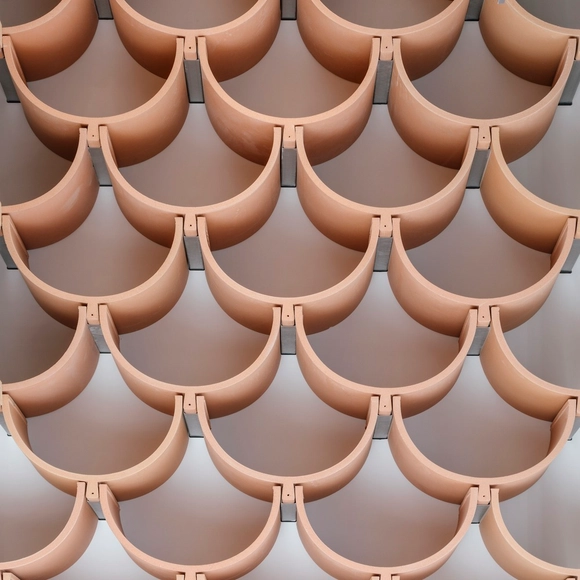
Kengo Kuma uses materials to connect with the local context and the users of his projects. The textures and elementary forms of constructive systems, materials, and products, are exhibited and used in favor of the architectural concept, giving value to the functions that will be carried out in each building.
From showcases made with ceramic tiles to the sifted light created by expanded metal panels, passing through an ethereal polyester coating, Kuma understands the material as an essential component that can make a difference in architecture from the design stages. Next, we present 21 projects where Kengo Kuma masterfully uses construction materials.
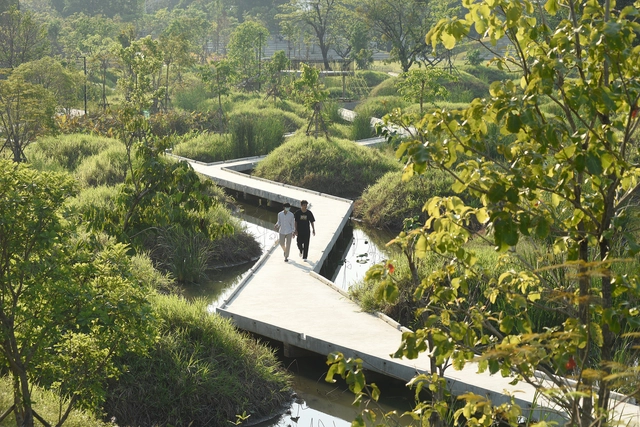
In an age where humanity's detrimental impact on the environment has become increasingly evident, the concept of rewilding is emerging as a powerful approach to conservation and ecological restoration. In line with growing attention on landscape architecture in recent years, the idea of removing human intervention from our natural surroundings in order to restore a stable equilibrium seems to offer a low-effort, ethereal way to right fundamental climate wrongs. But is a lack of meddling in nature really all there is to rewilding, and how does this relate to architecture and design? We look at key concepts, applications, and examples to find out.
In today’s globalised, ever-evolving world, the architectural field continues to re-invent itself. Innovation has seen the emergence of new building technologies and new methods of communicating with clients, however, in some ways, a large majority of the architecture industry is still outdated – architects relying on client fees received from projects to run their architecture firms. Perhaps as a consequence of the emergence of start-ups in the technology sector, and the increased competitiveness of the global economy, architects have more recently chosen not to confine themselves to within the world of architecture and use their unique skill-sets and abilities in entrepreneurial ways.
Videos
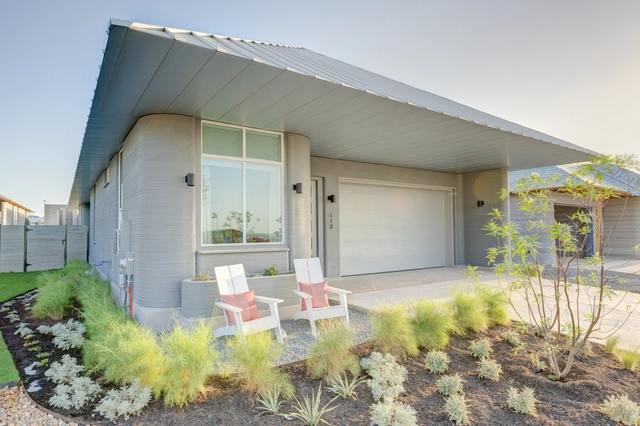
Lennar, ICON / 3D-printed, 100-home Community Wolf Ranch ,Rune Model Home. Image Courtesy of ICON, Lennar
The first 3D-printed model home built by ICON and Lennar and co-designed by BIG-Bjarke Ingels Group is now open for visits at the 100-home community of Wolf Ranch in the city of Georgetown, near Austin, Texas. The house is part of the largest-scale development of 3D-printed homes in the world, currently under construction. Several of the homes have already been sold. With more than 80 of the home sites actively under construction and nearing completion, the first homeowners are scheduled to move in this September.
The geological period we currently inhabit is known as the Anthropocene, defined by the substantial human impact on Earth's ecosystems and geology. In contrast, the Symbiocene, a term coined by Australian philosopher and environmentalist Glenn Albrecht, presents a vision of the future characterized by a positive and symbiotic relationship between humans and the natural world. In the Symbiocene era, humans actively collaborate with nature, acknowledging their interdependence with Earth's ecosystems and striving to regenerate and restore the natural environment, thus creating a more harmonious and sustainable world.
As they recognize the growing significance of innovation in today’s business landscape, architecture firms are experiencing a transformation. Companies across diverse industries have also come to appreciate the impact of design on cracking challenges, thanks to the success of design-focused startups such as Airbnb. Traditionally confined to designing physical structures, architecture firms are broadening their scope and embracing research and innovation as integral elements of their design process. With the establishment of research and innovation divisions, these firms not only enhance their own practices but also offer their expertise to address the evolving needs of our era—ranging from human and technological advancements to strategic innovation.
When designing contemporary restroom solutions, for both residential and various commercial settings such as corporate, commercial, public, and hospitality purposes, different approaches can shape the design strategy. In line with the latest ongoing discoveries and styles, the use of disruptive material strategies and the presence of minimal and muted lines and color palettes seem to be predominant when creating cutting-edge bathroom designs. Disruptive design aims to enhance functionality, sustainability, and aesthetics through the integration of different features such as smart technologies or modular units, while minimal strategies emphasize simplicity, clean lines, and a luminous color scheme to create soothing and sophisticated environments.
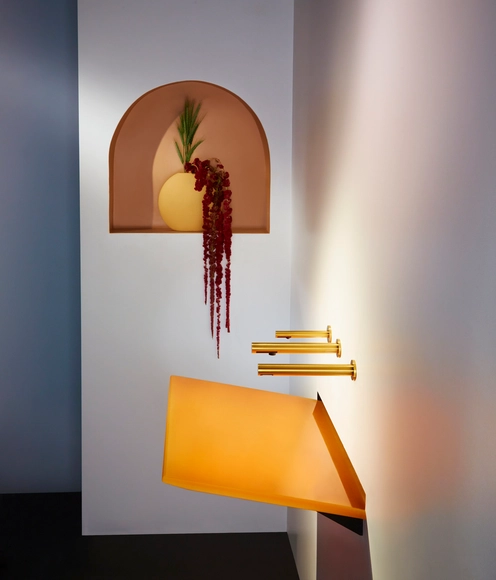
Transforming how we think about restroom spaces, The Splash Lab reinterprets the restroom experience by incorporating four main principles: inclusivity, innovation, sustainability, and a holistic approach. Combining both disruptive designs with minimal strategies, they have created The Aerofoil, a floating single-plane sink that is characterized by its intelligent elements while maintaining a refined design style.
ArchDaily and VELUX have joined forces to provide you with an exclusive coverage of the highly anticipated UIA World Congress of Architects 2023. Watch Sebastian Peck from KOMPAS VC and Liz Gilligan from Material Evolution explain a revolutionary low-carbon cement produced from industrial waste, and how can it help to decarbonize architecture by reducing a building's carbon footprint by 85%.
The purpose of innovation is to promote positive change and progress in various aspects of life. This involves creating, developing and implementing new ideas, methods, products, or processes that improve existing ones or introduce completely new concepts. Renowned architecture and design firm Henning Larsen, founded in 1959 in Denmark, has a solid commitment to embracing innovation as a core element of its work. With an emphasis on design excellence, sustainability, collaboration and user-centric approaches, innovation plays a key role in its quest to create iconic and sustainable architectural landmarks. Through dedicated research and development, they are constantly exploring new ideas, materials and technologies to enhance functionality and elevate the user experience of their buildings. To learn more about this visionary approach and its impact on architectural efficiency, we spoke with Jakob Strømann-Andersen, who heads a specialist department that combines innovation and sustainability, highlighting the firm's commitment to pushing the boundaries of sustainable architecture.
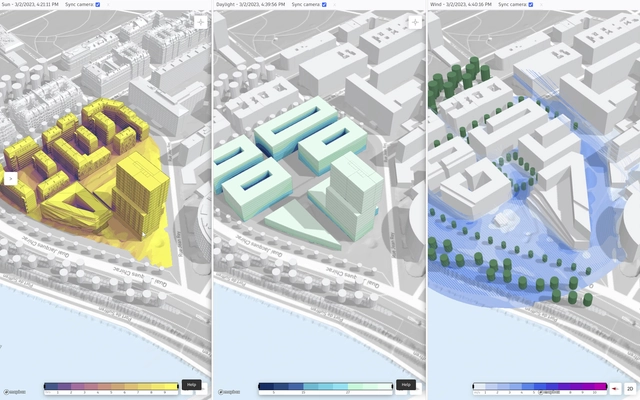
Proposal Comparison, Autodesk Forma. Image Courtesy of Autodesk
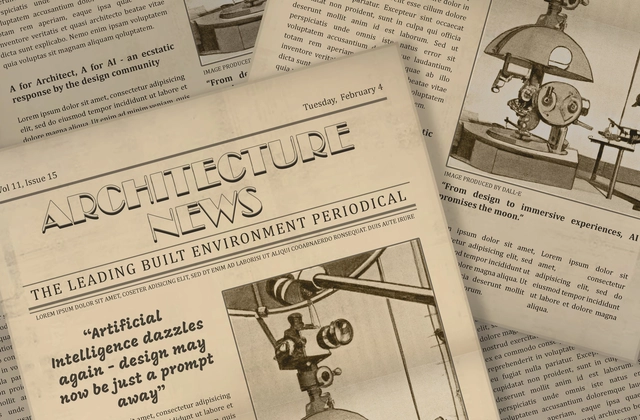
The architecture profession is increasingly facing the pressures of a rapidly changing era marked by urbanization, population growth, and climate change. To effectively navigate the complexities surrounding architectural and urban projects, there has been an acceleration in the adoption and integration of data-driven technologies such as Artificial Intelligence (AI) and machine learning. However, valid concerns have risen regarding the potential loss of the designer's creative control, with fears that their role may be reduced to a mere "parameter adjuster." Is this a genuine possibility or merely a reflection of resistance to change?
In a conversation with Carl Christensen, Autodesk's Vice President of Product, we delve into the impact of AI on the traditional role of the architect and explore the opportunities that arise with these technological advances. As paradigms shift, forward-thinking architects and designers could find themselves especially empowered to expand their influence and shape a new future for the discipline.
In parallel to this year's Venice Architecture Biennale, The European Cultural Centre (ECC) presented the sixth edition of its extensive architecture exhibition titled Time Space Existence. The 2023 iteration of the group show draws attention to expressions of sustainability in its numerous forms, ranging from a focus on the environment and urban landscape to the unfolding conversations on innovation, reuse, community, and inclusion. A total of 217 projects by established participants like Snøhetta or MADWORKSHOP and emerging players such as Urban Radicals or ACTA are currently on show through the 26th of November, 2023, at Venice's Palazzo Bembo, Palazzo Mora, and Marinaressa Gardens.
In response to climate change, the installations on show investigate new technologies and construction methods that reduce energy consumption through circular design and develop innovative, organic, and recycled building materials. Participants also address social justice by presenting living solutions envisioned for displaced communities and minorities, while others examine the tensions between the built urban environment and the nature surrounding it to identify opportunities for coexistence.
It’s here! The 21st-century digital renaissance has just churned out its latest debutante, and its swanky, sensational entrance has sent the world into an awed hysteria. Now sashaying effortlessly into the discipline of architecture, glittering with the promise of being immaculate, revolutionary, and invincible: ChatGPT. OpenAI’s latest chatbot has been received with a frenzied reception that feels all too familiar, almost a déjà vu of sorts. The reason is this: Every time any technological innovation so much as peeks over the horizon of architecture, it is immediately shoved under a blinding spotlight and touted as the “next big thing.” Even before it has been understood, absorbed, or ratified, the idea has already garnered a horde of those who vouch for it, and an even bigger horde of those who don’t. Today, as everyone buckles up to be swept into the deluge of a new breakthrough, we turn an introspective gaze, unpacking where technology has led us, and what more lies in store.