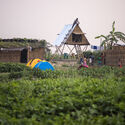
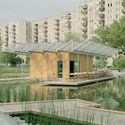
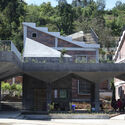
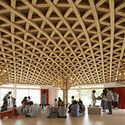
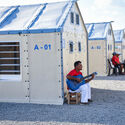
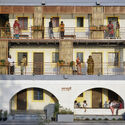
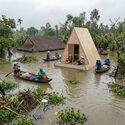
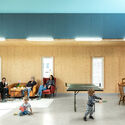
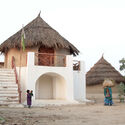
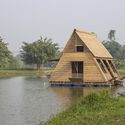
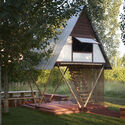
Every year on October 13, the International Day for Disaster Risk Reduction (IDDRR) draws attention to the ways communities can reduce exposure and vulnerability to hazards. Established by the United Nations in 1989, the day provides an opportunity to consider how governments, communities, and professionals can strengthen preparedness and resilience before disasters occur. For its 2026 edition, the United Nations Office for Disaster Risk Reduction (UNDRR) has selected "Resilience Starts at Home" as its theme, placing housing at the center of this year's campaign.
Water is life. Animals, plants, fungi, and bacteria all depend on it: water structures their cells, carries their nutrients, and hosts the chemistry that keeps them alive. Even the rare exceptions confirm the rule. Some seeds and spores can lose nearly all their water and enter a dormancy so deep that their metabolism almost stops, yet it is water that brings them back. In the most literal sense, water connects us.
But it also divides us. Every year, thousands of people leave North Africa in overcrowded boats bound for Lampedusa, seeking better living conditions in Europe; more than 30,000 have died or gone missing in the Mediterranean since 2014. Water draws borders and controls flows. Before the war on Iran began in February 2026, the Strait of Hormuz carried around 25% of the world's seaborne crude oil, with effects felt in fuel prices far from the Gulf. Water also sits at the center of the environmental debate, where its excess can be as lethal as its absence. Severe floods increasingly strike countries that have contributed least to global emissions, while the largest polluters remain better equipped to resist. If water is life, it can also mean death. Ultimately, water is political.
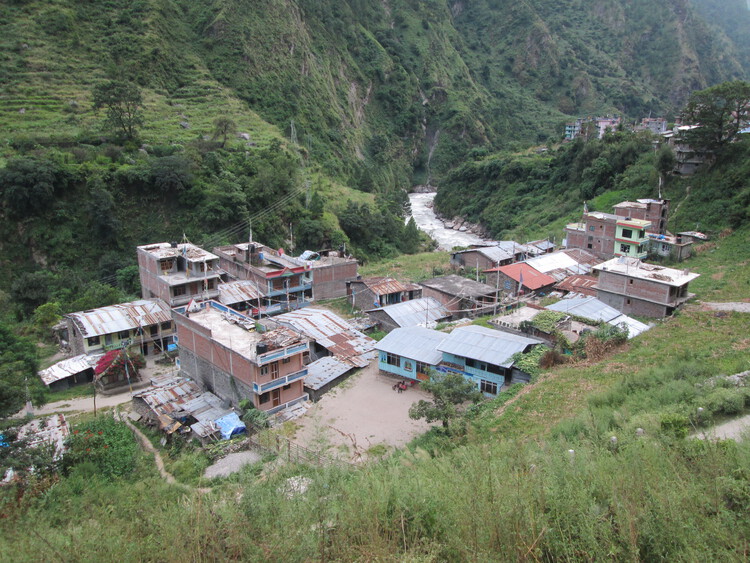
A lower section of a Himalayan glacier collapsed on Wednesday, August 26, creating an ice and rock avalanche down the Lhende River valley that triggered severe flash floods on the Nepal-Tibet border. The floods destroyed entire villages, with at least 350 confirmed dead and more than 1,300 people still missing. Characterized by their sudden and violent nature, flash floods occur within the first six hours after heavy rainfall or another floodwater source. In this case, the event has been attributed to a glacier collapse higher in the Himalayas, linked, in some scenarios, to a heat wave in the area. The speed of the movement is also distinctive of this type of flood, whose path of destruction in this case follows the Trishuli River basin in Nepal. According to the International Federation of Red Cross, the most affected areas are the Nepalese Rasuwa and Nuwakot districts. A more detailed assessment is expected in the coming days as floodwaters recede; in the meantime, it is already possible to outline some of the evidence from a territorial point of view.
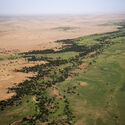
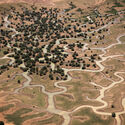
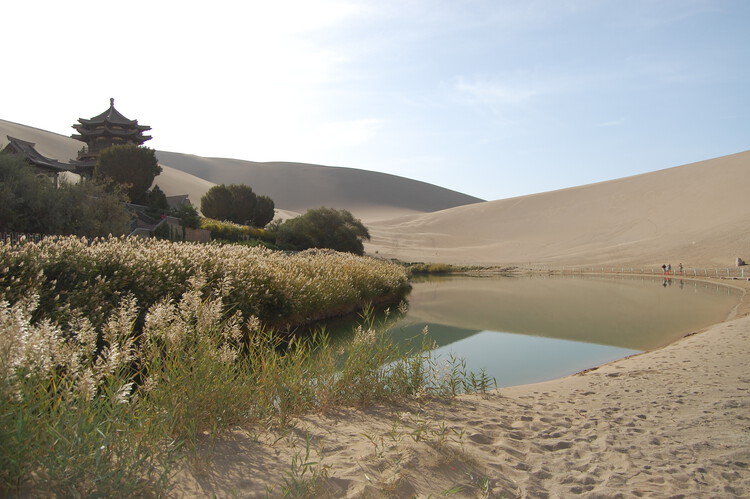
The idea of a "Great Green Wall" designates a large-scale reforestation initiative undertaken specifically to halt desertification. Currently underway in Africa to prevent the advancement of the Sahara Desert and in China around the Gobi Desert, it is a landscape, agriculture, economic, and social development project in reaction to the rise of global temperatures, over-farming, and unsuitable land management. Both projects, currently underway, are intersectional initiatives involving governments from different countries, civil society organisations, and both individual volunteers and organised groups, guided by the idea of a unified response to global environmental issues through wildlife restoration. It is a large-scale, infrastructural application of a 'green' or 'wildlife corridor': a linear strip of vegetation or natural landscape that connects fragmented ecosystems and wildlife populations separated by human development on a continental scale.
Few conditions have shaped contemporary architectural discourse as profoundly as uncertainty. Across international biennials, exhibitions, and forums, architecture increasingly imagines its relationship to the world through flexibility, reversibility, and responsiveness—qualities intended to engage with climate emergencies, political instability, and unprecedented human mobility. Buildings are designed to transform, infrastructures to evolve, and cities to accommodate conditions that appear increasingly unpredictable. This emphasis on agility has expanded the discipline's capacity to engage with environmental change, offering valuable strategies for a world in constant transformation.
Yet this evolution points to a deeper shift in how architecture mediates the human condition. Architecture has long functioned as a mechanism for existential orientation—a way for human consciousness to carve an intelligible coordinate out of an indifferent cosmos, anchoring memory and identity to a fixed point. Within much contemporary architectural discourse, uncertainty increasingly appears less as an external condition to be mitigated than as the horizon from which architectural thinking begins. Spatial experience is increasingly shaped by environments designed around the persistence of flux, where static reference points give way to conditions of continuous transformation.
Barcelona has just become the first city in the history of the UIA World Congress of Architects to host the event twice. Thirty years separate the two editions, and the distance between them says as much about architecture's changing self-understanding as anything spoken from a stage. In 1996, the congress placed the city at the center of the debate, consolidating a post-Olympic urban model that would go on to be studied and contested for decades.
Covering a broad array of subjects, this week's headline stories have reflected the wide scope of architecture's practice: its potential to respond to the climate crisis, the construction and renovation of cultural infrastructure around the world, and events that promote contemporary disciplinary reflection. This does not preclude questions about the contradiction between the technical and creative skills demanded by the discipline and the role it has come to occupy in today's market. Alongside these reflections, this week we feature projects that reinforce architecture's cultural significance in preserving knowledge, hosting collective entertainment, and supporting new forms of living: a comic book museum in Taiwan, a membership club for families in London, and the renovation of a landmark stadium in Riyadh.
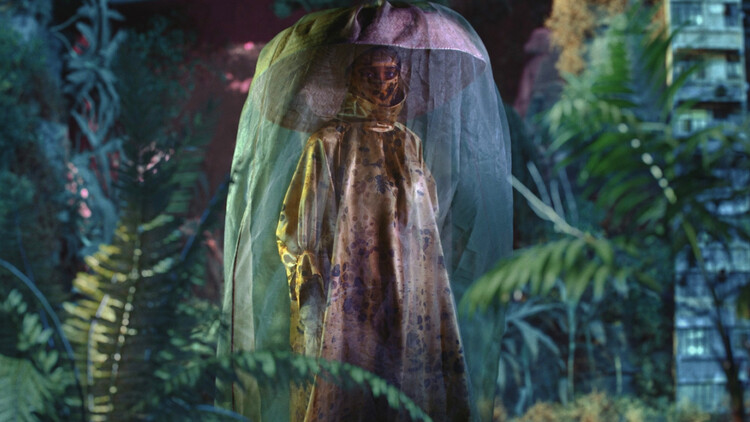
Australian artist, director, and BAFTA-nominated producer Liam Young creates imaginary worlds as a way of thinking through the futures we fear, desire, and are already making. As a creator and designer of atmospheres, he proposes speculative landscapes reflecting the possibilities of a world to come, whether ideal or truthfully unsettling. In his worldbuilding practice across the film, television, and video game industries, fiction becomes a tool for navigating the environmental urgencies of the present. He is considered a "futurist" working across design strategies, technological scenarios, and collective imaginations, grounded in his academic research yet reaching a wider audience in exhibitions such as "In Other Worlds" at the Barbican Centre in London and "Age of Nature" at the Danish Architecture Center in Copenhagen. In February 2026, he was interviewed by Marc-Christoph Wagner for Louisiana Channel, where he shares his visions of our future: from architecture consolidating as a boutique industry to the need for a new kind of planetary punk at the scale of the climate crisis.
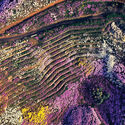
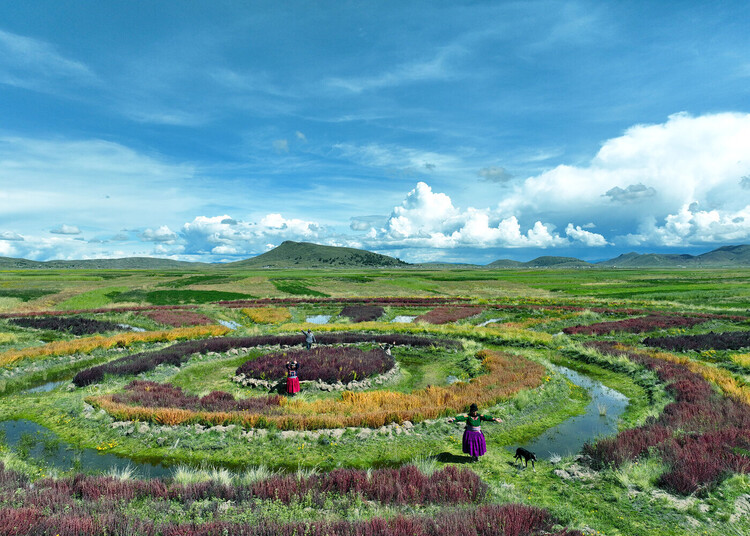
Waru Waru agricultural field. Image via World Monuments Fund
The United Nations' International Mother Earth Day, observed annually on April 22, aims to "promote harmony with nature and the Earth." In light of the urgency posed by climate change, it seeks to raise awareness of the challenges of preserving all forms of life supported by the planet. It is a call to the global community to safeguard biodiversity while striving to balance economic, social, and ecological systems. Crimes against biodiversity include large-scale practices such as deforestation, land-use change, intensified agriculture, livestock production, and illegal wildlife trade, all considered by the UN to be accelerating factors in the destruction of the planet.
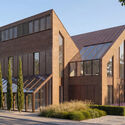
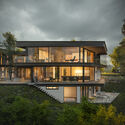
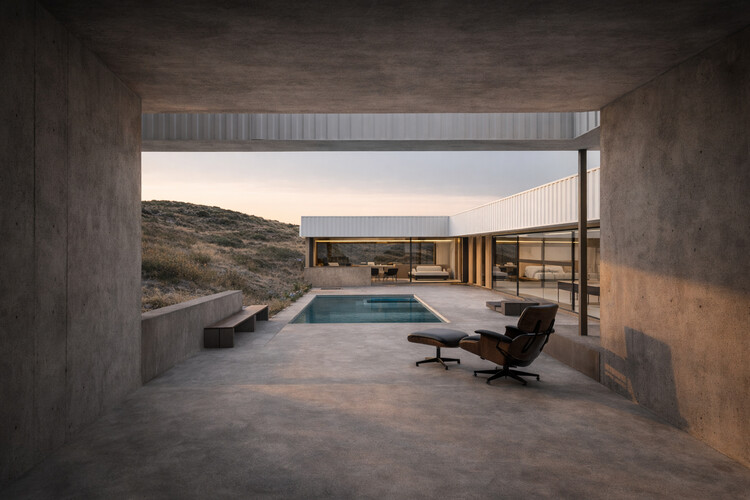
Residential architecture continues to offer a productive ground for unbuilt exploration, revealing how architects respond to site, climate, and constraint at the scale of the domestic. In this Unbuilt edition, submitted by the ArchDaily community, the selected projects bring together a range of proposals that reconsider the house not as an isolated object, but as a spatial system shaped by its environment. These works position architecture as a framework that negotiates between ground, material, and inhabitation, often emerging directly from the conditions of the site.
Across varied geographies, from Kerala and Cartagena to Amman, Tromsø, and Zwolle, the projects demonstrate diverse responses to domestic architecture. They include compact urban dwellings organized through vertical layering, courtyard houses partially embedded within the ground, residences adapted to sloping terrains, and typological transformations shaped by regulatory constraints. Some projects explore linear spatial sequences rooted in traditional proportions, while others organize domestic life around atria or excavated voids that mediate light, ventilation, and privacy. Together, these proposals examine how the house can be structured through section, material, and environmental performance rather than formal expression.
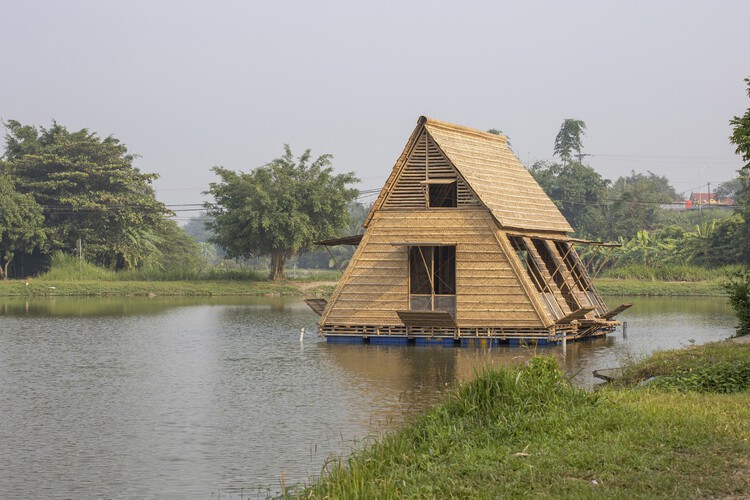
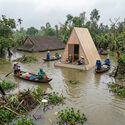
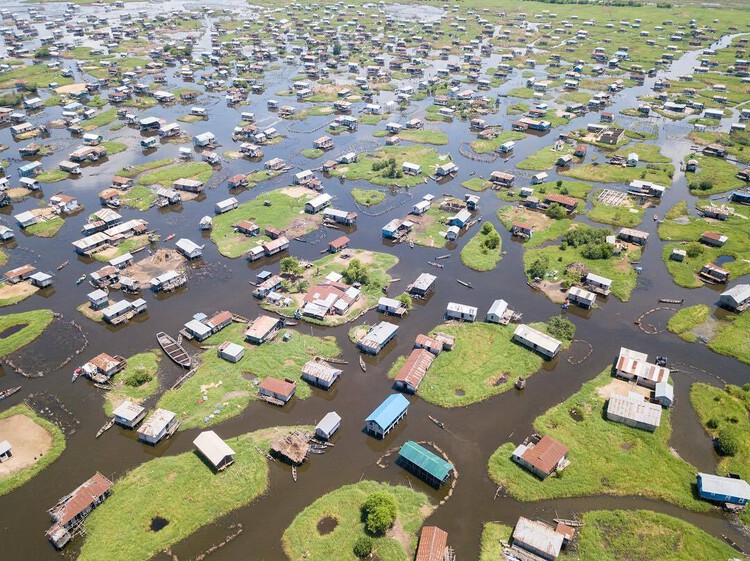
The flood does not arrive as a surprise. It returns, following the same swollen rivers and monsoon skies, loosening the ground and entering homes that were never meant to resist it. Walls are untied before they are lost, materials are gathered before they drift, and structures are rebuilt with a familiarity that suggests this is not destruction, but sequence. In landscapes where water returns each year, survival is defined by the ability to begin again.
Across the floodplains of Bangladesh, the Brahmaputra basin, and the Mekong Delta, inundation is a seasonal certainty. Reports by institutions such as the World Bank and the Intergovernmental Panel on Climate Change often frame floods through exposure and damage, measuring success through resistance and durability. Yet in territories that are submerged annually, such metrics only partially describe the problem. The ground itself oscillates between solid and liquid states. To build as if it were fixed is to design against the very condition that defines it.
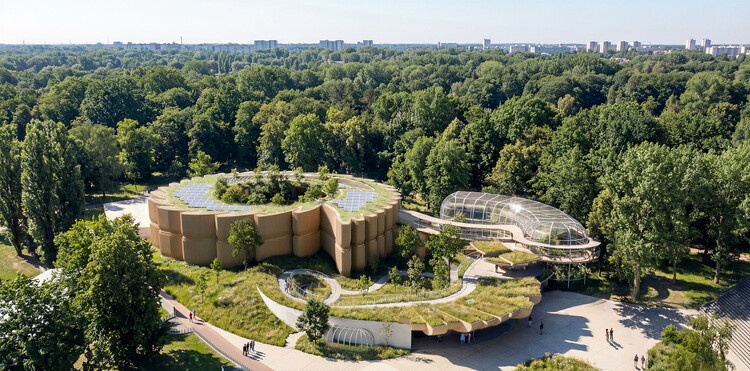
Cultural centers continue to serve as a productive ground for unbuilt architectural exploration, reflecting how architects are rethinking the role of public institutions in relation to landscape, experience, and program hybridity. In this Unbuilt edition, submitted by the ArchDaily community, the selected projects bring together a range of proposals that expand the definition of the cultural center beyond a singular building. These works position architecture as a spatial framework that mediates between research, exhibition, retreat, and public life, often embedded within or distributed across natural and urban contexts.
Across varied geographies, from northern Norway and Oslo to Łódź, Vienna, Marrakech, and New Tashkent, the projects demonstrate diverse responses to cultural infrastructure. They include landscape-integrated complexes shaped by topography and climate, bridges that combine gallery and public circulation, zoological pavilions structured as immersive sequences, adaptive reuse of military buildings into performance spaces, courtyard-based environments rooted in local traditions, and climate-responsive institutions informed by environmental analysis. Together, these proposals explore how cultural programs can be organized through movement, spatial layering, and relationships between interior and exterior conditions.
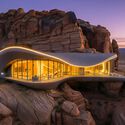
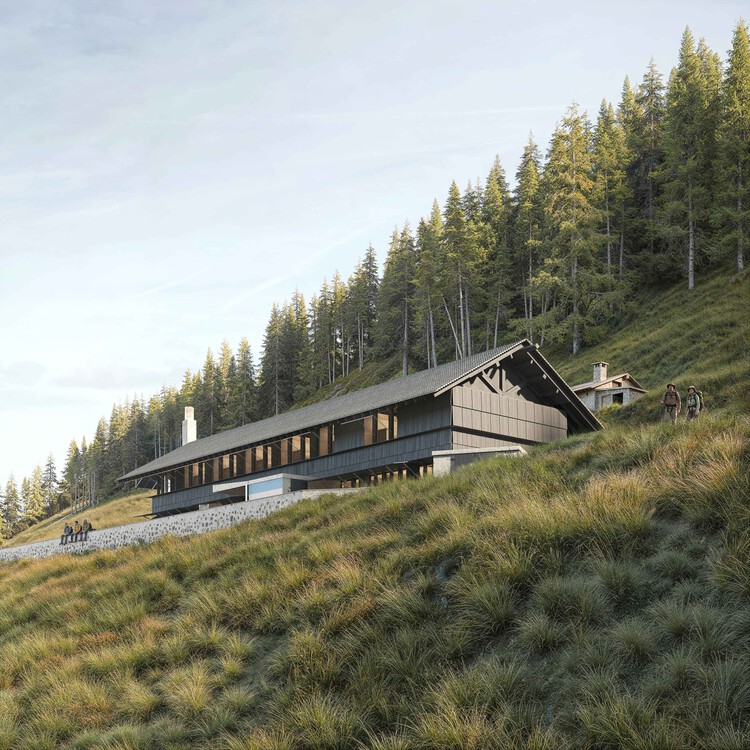
Spaces of retreat continue to offer fertile ground for unbuilt exploration, revealing how architecture can support rest, reflection, and immersion in nature amid shifting environmental and cultural conditions. In this Unbuilt edition, submitted by the ArchDaily community, the selected projects assemble a diverse range of proposals that reconsider hospitality through the lens of refuge. These works position accommodation not as spectacle or excess, but as spatial frameworks shaped by landscape, climate, material restraint, and shared experience.
Across distinct geographies, from Southeast Asian hillsides and Indonesian coastlines to African wilderness, Alpine terrain, Middle Eastern landscapes, and North American forests, the proposals demonstrate varied architectural responses to sensitive sites. They include elevated structures that hover lightly above steep ground, temporary lodge systems embedded in remote ecologies, reconstructed mountain shelters grounded in memory and reuse, courtyard-centered communal stays shaped by lifestyle cultures, contemplative desert retreats, and inclusive woodland camps designed for accessibility and environmental balance.
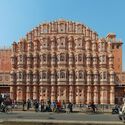
On a hot afternoon in May, when the air over western India turns metallic with heat, no one remembers façade composition. They remember where the shade falls. They remember which corridor breathed. They remember the house that was cooler than the street. What stays in memory is comfort beyond the form. Repeated thermal preference stabilizes into spatial configuration, and over time, those configurations become building types.