1. ArchDaily
  2. Climate Crisis

Climate Crisis: The Latest Architecture and News

Indonesia Plans to Build Its New Capital from the Ground Up to Replace the Sinking City of Jakarta

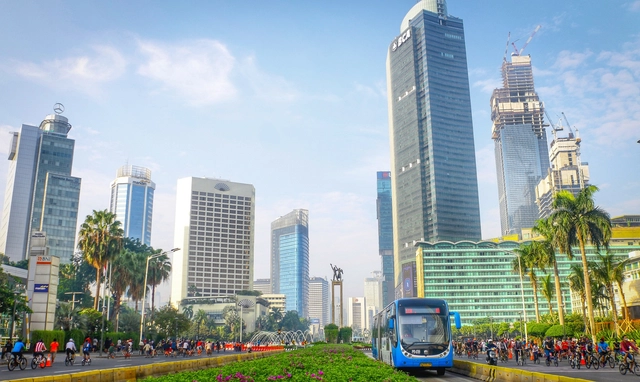
The Indonesian parliament has approved a bill to relocate the capital from the city of Jakarta to a completely new city to be built on the island of Borneo, 1,300 kilometers from the current capital. The decision, first announced in 2019, comes as a reaction to the myriad of challenges faced by Jakarta, including pollution, traffic congestion, and, perhaps the most threatening, rising sea waters. As a consequence of excessive groundwater extraction, rapid urbanization, and rising sea levels, 40% of the city is currently below sea level, making it increasingly difficult for the infrastructure to protect the residents. President Joko Widodo proposes an alternative: relocating the administrative center of the country to a new green metropolis, to be named Nunsantara, meaning ‘archipelago’ in ancient Javanese.

Indonesia Plans to Build Its New Capital from the Ground Up to Replace the Sinking City of Jakarta - Image 1 of 4Indonesia Plans to Build Its New Capital from the Ground Up to Replace the Sinking City of Jakarta - Image 2 of 4Indonesia Plans to Build Its New Capital from the Ground Up to Replace the Sinking City of Jakarta - Image 3 of 4Indonesia Plans to Build Its New Capital from the Ground Up to Replace the Sinking City of Jakarta - Image 4 of 4Indonesia Plans to Build Its New Capital from the Ground Up to Replace the Sinking City of Jakarta - More Images+ 1

Urban Waterways Reborn: European Cities Leading the Change in River Restoration and Revitalization

Subscriber Access | 

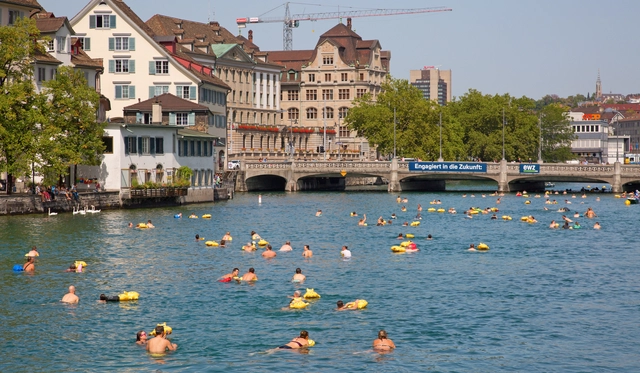
In 1988, Jacques Chirac made a never-fulfilled promise to make swimming accessible in the Seine River within 5 years. With swimming in the Seine officially banned by the French government in 1923, the river has been neglected for decades, flooded with high levels of bacteria and pollution resulting from industrialization and urbanization. With the XXXIII Olympic Games happening in Paris, Mayor Anne Hidalgo has drafted a “Swimming Plan,” aiming to finally transform the Seine River into a swimmable urban waterway. The billion-dollar effort outlines the river as a venue for this summer’s aquatic Olympic events.

Throughout history, rivers played a crucial role in the social structures of cities. Along riverbanks, communities often congregated for socializing, swimming, and fishing. Swimming in rivers was a popular summertime activity enjoyed by people of all ages. Whether it was the Thames in London or the Seine in Paris, rivers were bustling with swimmers; integrated into urban lifestyles.

Urban Waterways Reborn: European Cities Leading the Change in River Restoration and Revitalization - Imagen 1 de 4Urban Waterways Reborn: European Cities Leading the Change in River Restoration and Revitalization - Imagen 2 de 4Urban Waterways Reborn: European Cities Leading the Change in River Restoration and Revitalization - Imagen 3 de 4Urban Waterways Reborn: European Cities Leading the Change in River Restoration and Revitalization - Imagen 4 de 4Urban Waterways Reborn: European Cities Leading the Change in River Restoration and Revitalization - More Images+ 1

URB Study Reveals Vision for Dubai Cycle City 2040

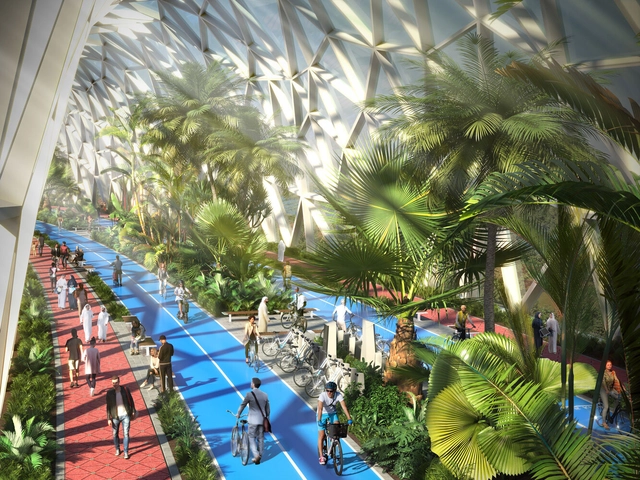
URB has released a study for “Dubai Cycle City 2040,” envisioning diverse cycling infrastructure in the Emirate. The initiative aims to revolutionize transportation in Dubai, allowing residents quick access to critical services and locations by cycling or walking. In a city where cars have reigned supreme as a transportation mode, plans are underway to transform urban mobility.

Bill McKibben on COP28, Maintaining Hope, and Walking in the Woods

This article was originally published on Common Edge.

The biennale UN climate conference, COP28, concluded in Dubai this week with a commitment to the eventual “phasing out” of fossil fuels. It was a classic glass-half-empty/glass-half-full gesture. Yes, as optimists pointed out, it was the first time any reference to moving away from fossil fuels had made it into the text of the final communique. But, like previous COPs, this resolution, too, is nonbinding and was reached over howls of protest from both oil-producing countries and developing countries reliant on existing energy supply chains for future growth. The tortuous nature of the outcome, watered down and officially toothless, left me feeling glum. If we can’t agree on the nature of the problem, it will be exceptionally difficult to fix it.

To offer perspective, I reached out to longtime activist Bill McKibben. A professor at Middlebury College, he has published 20 books; his first, The End of Nature, appeared in 1989. He was, along with Dr. James Hansen, one of the first to sound the climate alarm. McKibbin is a contributing writer to the New Yorker, and a founder of Third Act, which organizes people over the age of 60 to work on climate and racial justice. In collaboration with seven Middlebury students, he founded 350.org, the first global grassroots climate campaign.

Decarbonization and Energy Efficiency in Latin America: How to Progress Towards a More Sustainable Architecture?

Subscriber Access | 

In the context of global initiatives to promote energy efficiency and the decarbonization of buildings, Latin America is at the center of the debate. The International Seminar on Sustainable and NetZero Buildings 2023, held in Bogotá and organized by CCCS, IEA, UNIANDES, CAF, and CEELA, aimed primarily to create a space for the exchange of experiences, such as Oliver Schütte's No Footprint House, while simultaneously conducting a review of government policies and the implementation of norms and standards in the region.

Among panels and conferences featuring Clara Camarasa, Nicola Borregaard, Laura Chapa, Paola Valencia, Iván Osuna, Juan Carlos Vega, Angélica Ospina, and Diego Velandia, five main learnings emerged as lessons: from creating more relevance and energy calculations to the development of the timber industry - and certifications.

How Madagascar Is Confronting Climate Change

This article was originally published on Common Edge.

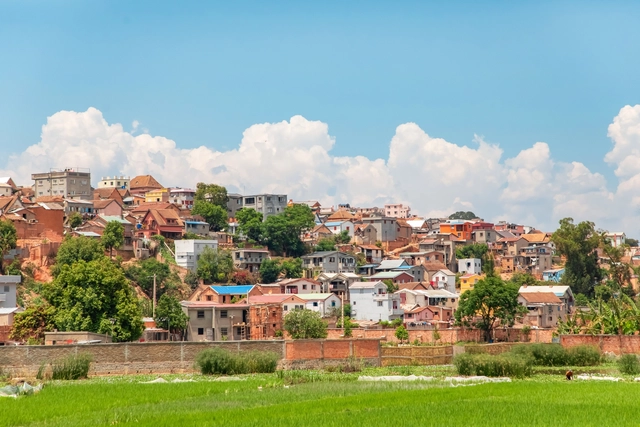
Madagascar is an island nation off the southeast coast of Africa that, despite its lush vegetation and unique flora and fauna, grapples with formidable environmental challenges, from rising sea levels to the excessive exploitation of natural resources. Joan Razafimaharo is an architect deeply involved in sustainability, climate change, and adaptation efforts in Madagascar and the broader Indian Ocean region. Razafimaharo is also one of only about sixty architects in the country, serving a population of 28 million.

Recently I spoke to her about environmental activism in the face of climate change, curbing the exploitation of natural resources, the role of architects in resource-scarce societies, and empowering women in isolated areas. The interview, originally conducted in French, has been translated and edited for length and clarity.

How Madagascar Is Confronting Climate Change - 1 的图像 4How Madagascar Is Confronting Climate Change - 2 的图像 4How Madagascar Is Confronting Climate Change - 3 的图像 4How Madagascar Is Confronting Climate Change - 4 的图像 4How Madagascar Is Confronting Climate Change - More Images

Navigating COP28: Key Takeaways for Architects from the Dubai Summit

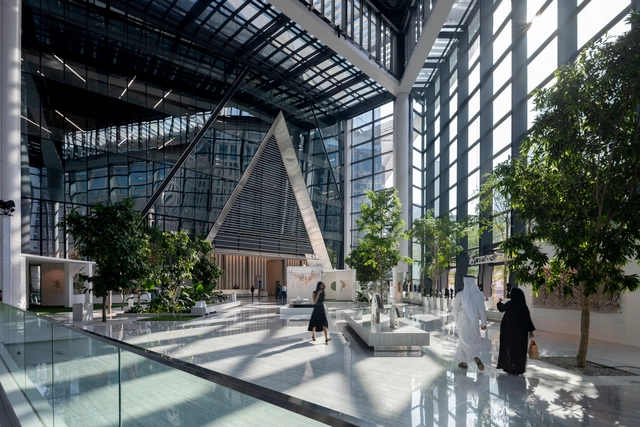
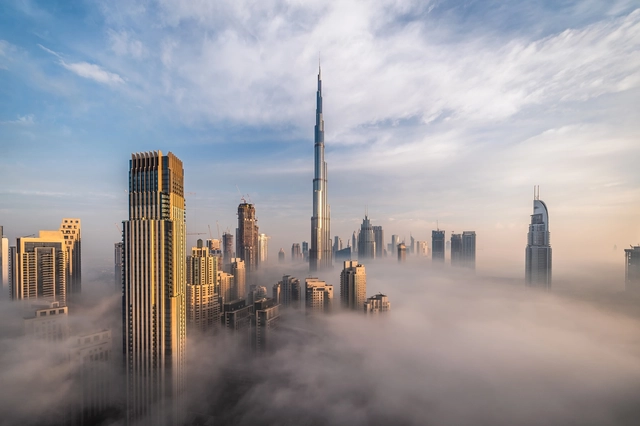
COP28, or the 2023 United Nations Conference of the Parties, was held in Dubai between November 30 and December 13. The annual meeting gathers representatives from 198 countries, as well as industry leaders to discuss and establish strategies to limit the extent of climate change and its adverse effects. The ultimate goal of these meetings is to find ways to limit the global temperature rise below 1.5 degrees Celsius compared to pre-industrial times. At the moment, the global temperature rise is already at 1.2 degrees Celsius. As the construction industry at large accounts for 39% of global emissions, architects and planners have a shared interest in the results of thee international summit, Read on to discover some of the key takeaways of COP28.

Navigating COP28: Key Takeaways for Architects from the Dubai Summit - 1 的图像 4Navigating COP28: Key Takeaways for Architects from the Dubai Summit - 2 的图像 4Navigating COP28: Key Takeaways for Architects from the Dubai Summit - 3 的图像 4Navigating COP28: Key Takeaways for Architects from the Dubai Summit - 4 的图像 4Navigating COP28: Key Takeaways for Architects from the Dubai Summit - More Images+ 5

What Is an Urban Oasis? Combating the Excessive Heat of Cities

Subscriber Access | 

We are on the brink of concluding the hottest year in the past 125,000 years. Recently, elevated temperatures have adversely impacted the daily routines of a significant portion of the population, particularly those who spend most of their day outdoors without access to air-conditioned environments. Excessive heat stems from various sources, both natural and human-induced. Given the grim outlook on this matter, it becomes imperative to explore structural measures to address and mitigate the potential deterioration of public health caused by escalating temperatures.

What Is an Urban Oasis? Combating the Excessive Heat of Cities - 1 的图像 4What Is an Urban Oasis? Combating the Excessive Heat of Cities - 2 的图像 4What Is an Urban Oasis? Combating the Excessive Heat of Cities - 3 的图像 4What Is an Urban Oasis? Combating the Excessive Heat of Cities - 4 的图像 4What Is an Urban Oasis? Combating the Excessive Heat of Cities - More Images+ 2

Urban Anti-Flooding Strategies in Latin American Cities

Subscriber Access | 

In several cities in Brazil, the amount of rainfall has already surpassed the total accumulated for the rest of the year. Flooding, inundations, and landslides are commonplace news in regional newspapers. In this chaotic scenario, a study presented by the National Confederation of Municipalities states that, amidst the rains in the south and drought in the north, 5.8 million Brazilians have been directly affected by disasters in 2023, whether by loss of lives, displacements, or significant economic damages.

Unfortunately, the outlook is not promising either. The national version of the renowned IPCC climate change report, compiled by the Brazilian Panel on Climate Change (PBMC), has already warned that Brazil, along with other countries in Latin America, will not only experience rising temperatures due to climate change but will also witness a drastic shift in its rainfall patterns. In other words, here in the south, we better get used to the sound of rain on our windows, while the north should brace for historic droughts.

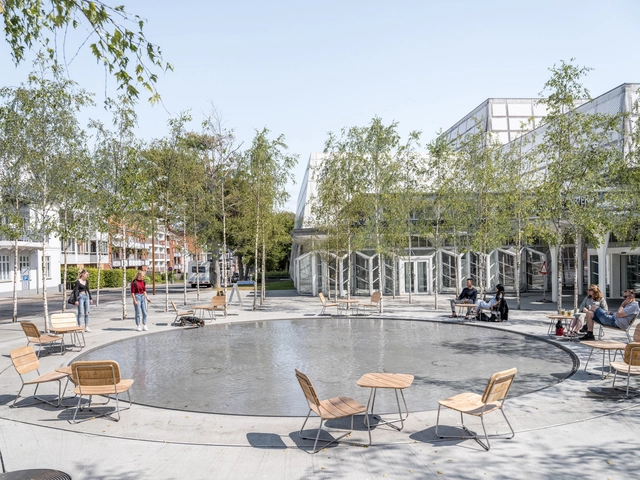
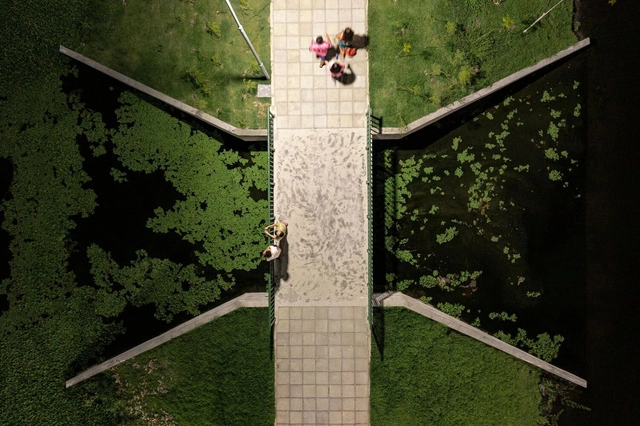
Urban Anti-Flooding Strategies in Latin American Cities - Imagem 1 de 4Urban Anti-Flooding Strategies in Latin American Cities - Imagem 2 de 4Urban Anti-Flooding Strategies in Latin American Cities - Imagem 3 de 4Urban Anti-Flooding Strategies in Latin American Cities - Imagem 4 de 4Urban Anti-Flooding Strategies in Latin American Cities - More Images+ 9

Climate Lessons From the Floating Villages of Cambodia

This article was originally published on Common Edge.

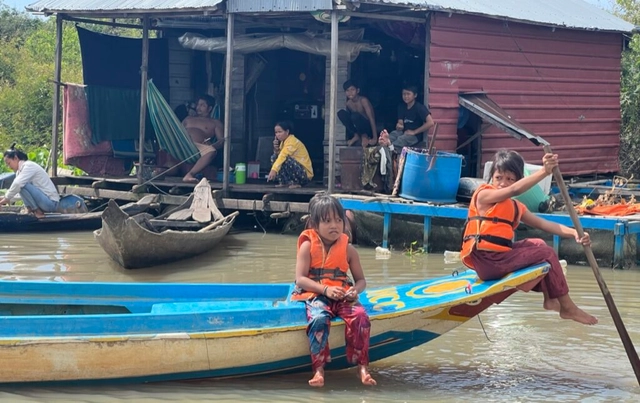
Lake Tonle Sap is a part of Cambodia’s inland water system that’s connected to the flooded forests that purify water and buffer communities from storms—an important benefit as climate change makes extreme weather more frequent. Every year from June to November, the Mekong Delta backs up into Lake Tonle Sap, creating water-depth fluctuations of up to 10 meters. The result is that land-based buildings are inundated during the rainy season, then refurbished and reoccupied again after the water recedes.

Climate Lessons From the Floating Villages of Cambodia - Image 1 of 4Climate Lessons From the Floating Villages of Cambodia - Image 2 of 4Climate Lessons From the Floating Villages of Cambodia - Image 3 of 4Climate Lessons From the Floating Villages of Cambodia - Image 4 of 4Climate Lessons From the Floating Villages of Cambodia - More Images+ 17

Decarbonization and Regional Solutions: The Main Architecture-Related Themes to Look Out for at COP28

On November 30, 2023, the UN COP28 climate summit begins in Dubai, the United Arab Emirates. The name stands for the Conference of the Parties under the UNFCCC, and symbolizes the annual meeting of world governments for the purpose of establishing strategies to limit the extent of climate change and its adverse effects. Last year’s summit concluded with several important measures, including the promise of a global fund aimed at providing financial aid to developing countries affected by climate disasters.

The main purpose of COP is to reinforce the commitments of the Paris Agreement, signed in 2015, which strives to keep the global temperature rise under 1.5C degrees. As the construction industry accounts for 39% of global emissions, architecture plays an important role in helping to lower our carbon footprint, making COP28 a crucial event for architects.

Decarbonization and Regional Solutions: The Main Architecture-Related Themes to Look Out for at COP28 - Image 1 of 4Decarbonization and Regional Solutions: The Main Architecture-Related Themes to Look Out for at COP28 - Image 2 of 4Decarbonization and Regional Solutions: The Main Architecture-Related Themes to Look Out for at COP28 - Image 3 of 4Decarbonization and Regional Solutions: The Main Architecture-Related Themes to Look Out for at COP28 - Image 4 of 4Decarbonization and Regional Solutions: The Main Architecture-Related Themes to Look Out for at COP28 - More Images+ 1

Journey to Energy Efficiency: 10 Spanish Homes Applying Bioclimatic Strategies and Designs

Subscriber Access | 

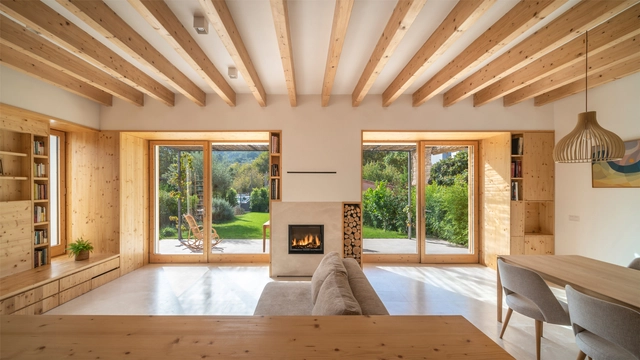
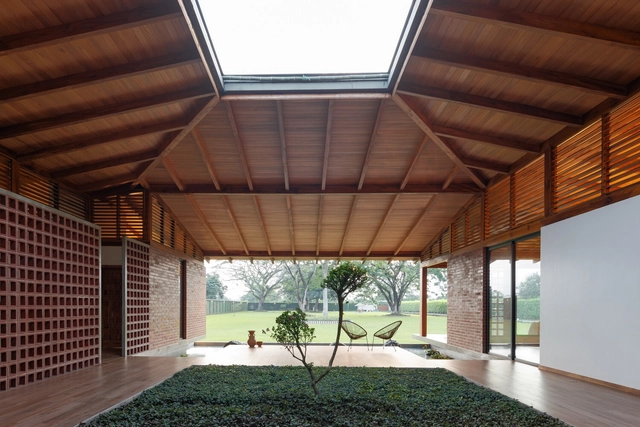
How is it possible to reduce the energy consumption of our homes? What design, material, and/or technological strategies can be developed to achieve interior comfort while also addressing the climate crisis? While achieving energy efficiency depends, among other factors, on the state of the homes, there are various strategies related to the implementation of renewable energies, air conditioning technologies, and more that can be applied, taking into account government policies, laws, regulations, and standards specific to each region.

Yasmeen Lari Sets Out to Build One Million Flood-Resistant Homes in Pakistan by 2024

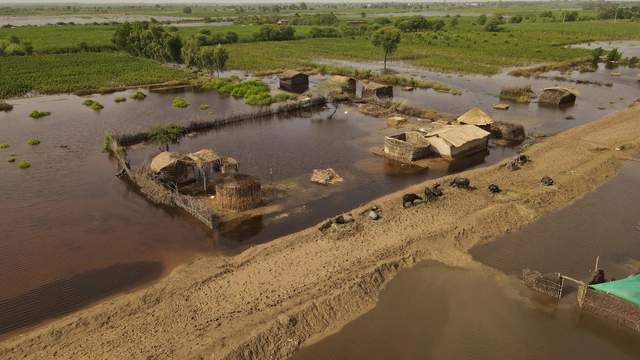
Following the extreme floods that affected Pakistan in 2022, architect Yasmeen Lari the Heritage Foundation of Pakistan pledged to help build one million resilient houses in the country. In 2022, 33 million people have been displaced, and an estimated 500,000 houses have been destroyed or severely damaged. In September 2022, Lari’s NGO launched a target program to start rebuilding and to help communities protect themselves against future disasters. The program is built on Lari’s expertise in working with the communities and employing vernacular and local building materials to achieve resilient and sustainable structures. According to the Heritage Foundation of Pakistan, one-third of the goal has already been reached.

Yasmeen Lari Sets Out to Build One Million Flood-Resistant Homes in Pakistan by 2024 - Image 1 of 4Yasmeen Lari Sets Out to Build One Million Flood-Resistant Homes in Pakistan by 2024 - Image 2 of 4Yasmeen Lari Sets Out to Build One Million Flood-Resistant Homes in Pakistan by 2024 - Image 3 of 4Yasmeen Lari Sets Out to Build One Million Flood-Resistant Homes in Pakistan by 2024 - Image 4 of 4Yasmeen Lari Sets Out to Build One Million Flood-Resistant Homes in Pakistan by 2024 - More Images+ 16

Henning Larsen Explores Climate-Friendly Architecture with New Exhibition at DAC in Copenhagen

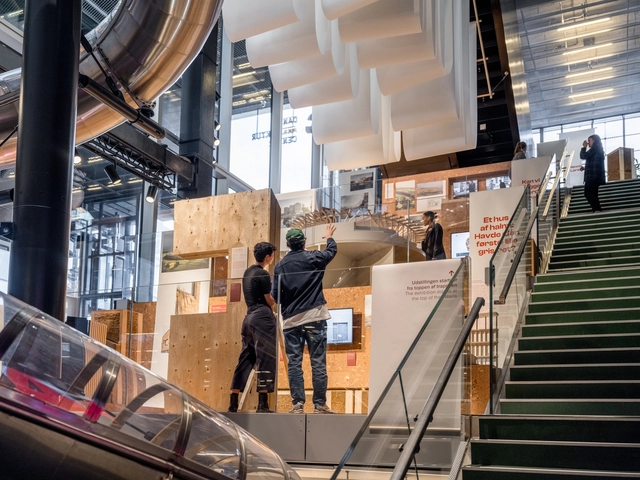
In a bid to explore new materials and methods for more sustainable construction, Henning Larsen opens the “Changing our Footprint” exhibition at the Danish Architecture Center in Copenhagen. The initiative, open from November 17, 2023, until March 3, 2024, aims to showcase ideas for more climate-friendly architecture and to start conversations on architecture and construction’s role in mitigating the effects of climate change. This represents the second iteration of the exhibition, as the first version opened at the Aedes Architecture Forum in Berlin earlier this year.

Henning Larsen Explores Climate-Friendly Architecture with New Exhibition at DAC in Copenhagen - Imagen 1 de 4Henning Larsen Explores Climate-Friendly Architecture with New Exhibition at DAC in Copenhagen - Imagen 2 de 4Henning Larsen Explores Climate-Friendly Architecture with New Exhibition at DAC in Copenhagen - Imagen 3 de 4Henning Larsen Explores Climate-Friendly Architecture with New Exhibition at DAC in Copenhagen - Imagen 4 de 4Henning Larsen Explores Climate-Friendly Architecture with New Exhibition at DAC in Copenhagen - More Images+ 12

Architecture Philanthropy re:arc institute Announces the 2023–24 Grants, Practice Lab Collaborators, and Initiatives

Copenhagen-based philanthropic association re:arc institute has announced the cohort of nonprofit organizations, people, and practices they will support throughout 2024. The organization founded in 2022 works at the intersection of climate action and architectural philanthropy, aiming to support the development of solutions that address the root causes and consequences of climate change.

The architectural field often adheres to conventional industry models, either client-based or competition-based, which can perpetuate problematic or extractive motivations. The re:arc institute hopes to rethink the architecture discipline’s potential for addressing social and environmental concerns by providing a blueprint for pioneering philanthropic projects. To do so, they provide funding to nonprofits, individuals, and community-led projects exploring innovative approaches that prioritize planetary well-being. Their focus is on hyper-local, grassroots initiatives that address climate crises with a strong emphasis on the unique needs of specific places and communities.

Architecture Philanthropy re:arc institute Announces the 2023–24 Grants, Practice Lab Collaborators, and Initiatives - Imagen 1 de 4Architecture Philanthropy re:arc institute Announces the 2023–24 Grants, Practice Lab Collaborators, and Initiatives - Imagen 2 de 4Architecture Philanthropy re:arc institute Announces the 2023–24 Grants, Practice Lab Collaborators, and Initiatives - Imagen 3 de 4Architecture Philanthropy re:arc institute Announces the 2023–24 Grants, Practice Lab Collaborators, and Initiatives - Imagen 4 de 4Architecture Philanthropy re:arc institute Announces the 2023–24 Grants, Practice Lab Collaborators, and Initiatives - More Images+ 12

Cooling and Energy Efficiency: A New Era in Building Design

The world has just witnessed the hottest months in recorded history, and the outlook is far from optimistic. Rising temperatures are driving greater cooling demands, threatening to trigger a vicious cycle of higher electricity use and carbon emissions. In a planet simultaneously facing unprecedented urbanization and a climate crisis, the intersection of building energy efficiency and cooling technologies has never been more crucial.

Creating Energy-Efficient Buildings: The Role of Human Interaction and Sensory Technology

Subscriber Access | 

How do we create buildings that use energy efficiently? Traditionally, efforts to green the built environment have centered on the physical infrastructure, often overlooking the relationships between people and space. The emergence of the technological era has ushered in "Smart Buildings." that employ machine learning and automation. These innovative structures are designed to operate with impressive energy efficiency, however, they are largely disconnected from their occupants. What if buildings could be made smarter and more sustainable by engaging with their occupants?

Creating Energy-Efficient Buildings: The Role of Human Interaction and Sensory Technology - Imagem 5 de 4Creating Energy-Efficient Buildings: The Role of Human Interaction and Sensory Technology - Imagem 1 de 4Creating Energy-Efficient Buildings: The Role of Human Interaction and Sensory Technology - Imagem 2 de 4Creating Energy-Efficient Buildings: The Role of Human Interaction and Sensory Technology - Imagem 3 de 4Creating Energy-Efficient Buildings: The Role of Human Interaction and Sensory Technology - More Images+ 1

How NYC Plans to Deal With Rainstorms: Global Precedents

Subscriber Access | 

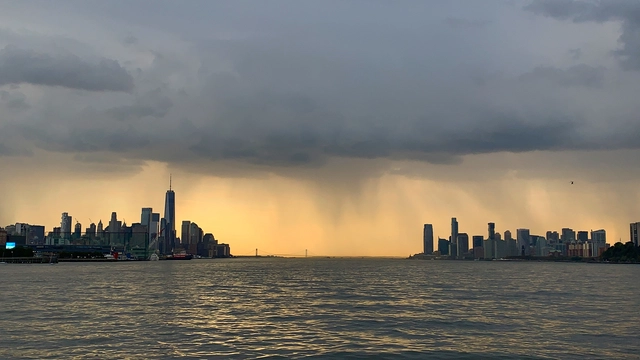
In September of this year, New York City experienced a severe storm that inundated its streets with more than 7 inches of rain in less than 24 hours, causing a number of roads to close, cars to submerge, and buses to get trapped. This event again highlighted the city's old infrastructure's inability to handle fast and heavy rainfall. As climate change intensifies, experts warn that such extreme weather events will become increasingly frequent. This vulnerability is especially concerning in densely populated urban areas such as New York City, where flooding risks increase due to the large amounts of impervious surfaces.

How NYC Plans to Deal With Rainstorms: Global Precedents - Image 1 of 4How NYC Plans to Deal With Rainstorms: Global Precedents - Image 2 of 4How NYC Plans to Deal With Rainstorms: Global Precedents - Image 3 of 4How NYC Plans to Deal With Rainstorms: Global Precedents - Image 4 of 4How NYC Plans to Deal With Rainstorms: Global Precedents - More Images