1. ArchDaily
  2. Architecture

Architecture: The Latest Architecture and News

Subscriber Access

Climate, Density, and Spatial Layers: 18 Houses Shaping Contemporary Vietnamese Architecture

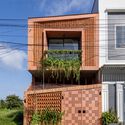
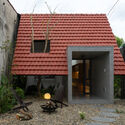
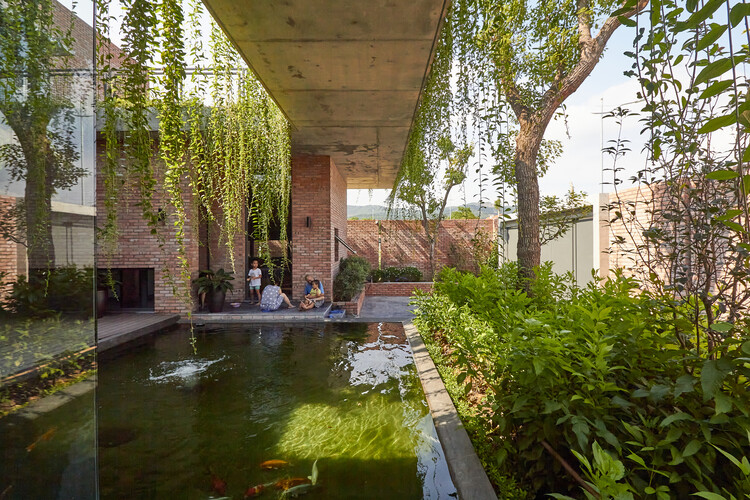
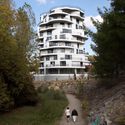
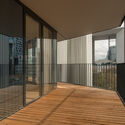
Contemporary Vietnamese residential architecture stands out for its deep sensitivity to local microclimates and context. Detailed studies of weather patterns consistently drive strategic design decisions, resulting in buildings that act as adaptive shelters. Facing conditions that range from scorching summers to dry, cold winters, along with frequent exposure to heavy rains, storms, and floods, architects adopt protective facade elements and multi-layered spatial configurations to shield interior spaces from harsh environmental factors.

Climate, Density, and Spatial Layers: 18 Houses Shaping Contemporary Vietnamese Architecture - Image 1 of 4Climate, Density, and Spatial Layers: 18 Houses Shaping Contemporary Vietnamese Architecture - Image 2 of 4Climate, Density, and Spatial Layers: 18 Houses Shaping Contemporary Vietnamese Architecture - Image 3 of 4Climate, Density, and Spatial Layers: 18 Houses Shaping Contemporary Vietnamese Architecture - Image 4 of 4Climate, Density, and Spatial Layers: 18 Houses Shaping Contemporary Vietnamese Architecture - More Images+ 14

Amman Design Week 2026 Returns with "Accumulations," Exploring the Layers of Place, Material, and Memory

Audio available

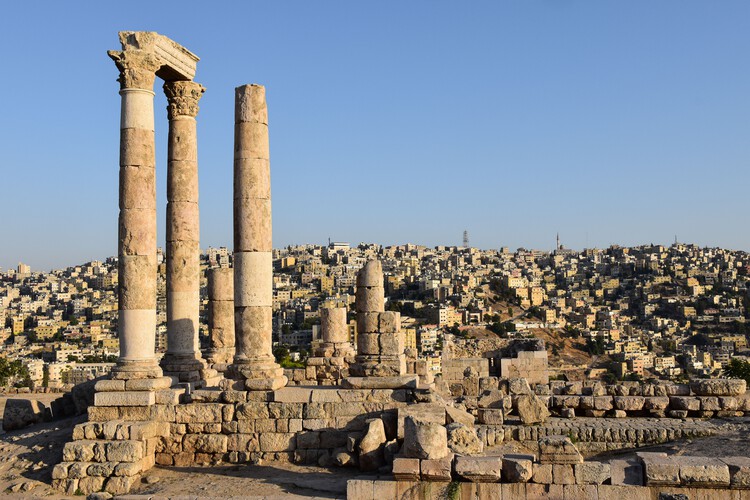
Following its last edition in 2019, Amman Design Week returns from October 2-17, 2026, bringing more than 220 designers and participants together across exhibitions, installations, public-space projects, talks, workshops, and performances in Jordan. The fourth edition unfolds across Ras El Ain, Jabal Al Lweibdeh, Jabal Amman, Iraq Al Amir, and, for the first time, Aqaba. Founded by Her Majesty Queen Rania Al Abdullah in 2016, the event returns under the theme "Accumulations," looking at how materials, memories, knowledge, labor, and everyday practices gather over time and become part of the places people inhabit. The theme also gives the 2026 edition a clear relationship with the city itself.

Amman Design Week 2026 Returns with "Accumulations," Exploring the Layers of Place, Material, and Memory - Imagen 1 de 4Amman Design Week 2026 Returns with "Accumulations," Exploring the Layers of Place, Material, and Memory - Imagen 2 de 4Amman Design Week 2026 Returns with "Accumulations," Exploring the Layers of Place, Material, and Memory - Imagen 3 de 4Amman Design Week 2026 Returns with "Accumulations," Exploring the Layers of Place, Material, and Memory - Imagen 4 de 4Amman Design Week 2026 Returns with Accumulations, Exploring the Layers of Place, Material, and Memory - More Images+ 4

"Beauty in Itself Is Dangerous:" Xu Tiantian on Moving Beyond Starchitecture in Louisiana Channel Interview

Audio available

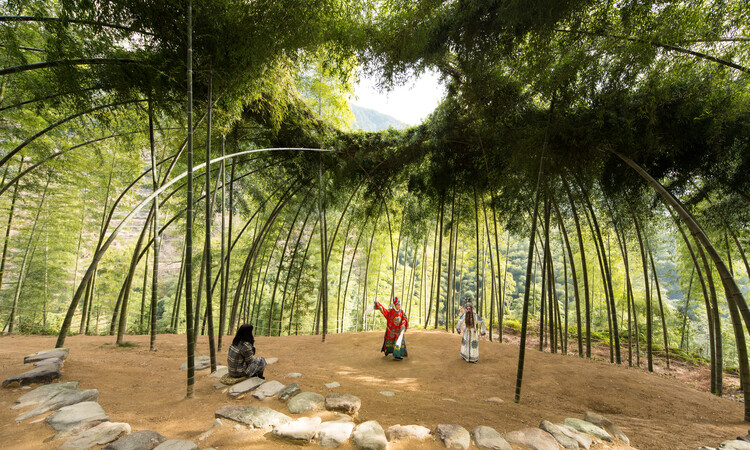
Xu Tiantian is the founding principal of DnA_Design and Architecture, an interdisciplinary practice that addresses both the physical and social dimensions of the contemporary living environment, across scales. Born in 1975 in Fujian, China, she received a Master of Architecture in Urban Design from the Harvard Graduate School of Design and a bachelor's degree in architecture from Tsinghua University in Beijing. Her recent work focuses on rural revitalization through a strategy she describes as "architectural acupuncture," understood as small-scale, site-specific interventions designed to activate local culture, agriculture, and tourism. These interventions, primarily concentrated in China's rural regions, have been recognized by UN-Habitat as a global model for urban–rural integration. In this interview with Louisiana Channel, she reflects on the role of the architect, questions architecture itself and the concept of beauty, explains her working methodology, and emphasizes the spatial dimension of nature.

"Beauty in Itself Is Dangerous:" Xu Tiantian on Moving Beyond Starchitecture in Louisiana Channel Interview - Image 1 of 4"Beauty in Itself Is Dangerous:" Xu Tiantian on Moving Beyond Starchitecture in Louisiana Channel Interview - Image 2 of 4"Beauty in Itself Is Dangerous:" Xu Tiantian on Moving Beyond Starchitecture in Louisiana Channel Interview - Image 3 of 4"Beauty in Itself Is Dangerous:" Xu Tiantian on Moving Beyond Starchitecture in Louisiana Channel Interview - Image 4 of 4Beauty in Itself Is Dangerous: Xu Tiantian on Moving Beyond Starchitecture in Louisiana Channel Interview - More Images+ 4

From Buildings to Worldbuilding: Designing the Narratives of Space

Audio available

The most innovative and impactful design projects arise from the intersection of different fields. The architecture community has always borrowed from, or been inspired by, other forms of cultural production such as film, photography, literature, and theatre. In the theatricality of Baroque churches and the cinematic sequences of contemporary museums, architects have looked beyond the building itself to understand how space can shape a story and construct an experience.

Worldbuilding takes this one step further. Instead of designing only the architecture of a place, it asks architects to establish the social rules, narratives, technologies, economies, atmospheres, behaviors, and relationships that make that place believable. Rather than beginning with, "What should this building look like?", worldbuilding suggests beginning with, "In what kind of world would this building make sense?"

From Buildings to Worldbuilding: Designing the Narratives of Space - Image 1 of 4From Buildings to Worldbuilding: Designing the Narratives of Space - Image 2 of 4From Buildings to Worldbuilding: Designing the Narratives of Space - Image 3 of 4From Buildings to Worldbuilding: Designing the Narratives of Space - Image 4 of 4From Buildings to Worldbuilding: Designing the Narratives of Space - More Images+ 2

A New Lens on Modern Heritage: ArchDaily Partners with World Monuments Fund

Audio available

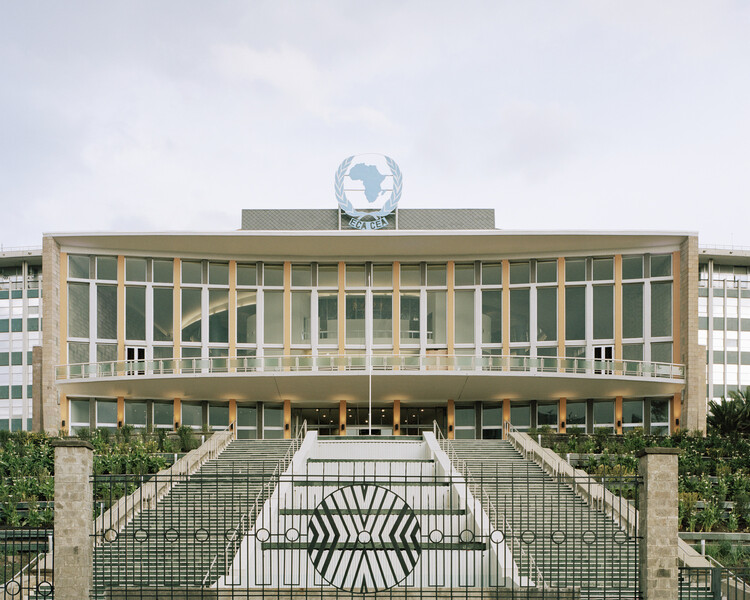
What makes a building worth preserving? Age is the most common answer, but not always the best one. A building from the 1950s or 70s may carry as much historical significance as a medieval cathedral; it simply demands a different framework, one that weighs political context, cultural meaning, and architectural innovation over the mere passage of time. This is especially true for modernist architecture across the so-called Global South, where the movement took on unique forms of expression.

It is precisely this conversation that ArchDaily and World Monuments Fund are now opening together. WMF brings on-the-ground conservation expertise across the world, and ArchDaily brings the editorial capacity to contextualize that work and connect it to a global audience. The goal is to do both at once: preserve places and tell their stories, shaping how modernist heritage is understood far beyond the field of preservation itself.

A New Lens on Modern Heritage: ArchDaily Partners with World Monuments Fund - Imagen 1 de 4A New Lens on Modern Heritage: ArchDaily Partners with World Monuments Fund - Imagen 2 de 4A New Lens on Modern Heritage: ArchDaily Partners with World Monuments Fund - Imagen 3 de 4A New Lens on Modern Heritage: ArchDaily Partners with World Monuments Fund - Imagen 4 de 4A New Lens on Modern Heritage: ArchDaily Partners with World Monuments Fund - More Images+ 14

Fondation Beyeler’s Expansion and Safdie Architects’ Carnegie Library Restoration: This Week’s Review

Audio available

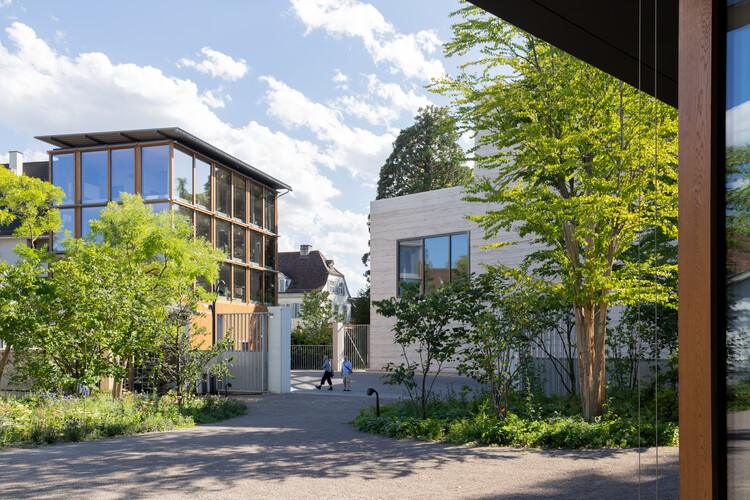
Architecture this week reflects on how buildings and cities adapt to changing cultural, social, and environmental conditions. From the expansion of established institutions and the preservation of architectural archives to new approaches to housing and the use of domestic space, several stories consider how architecture negotiates between existing contexts and future needs. These questions extend beyond individual buildings, touching on the role of public space, infrastructure, energy, and collective memory in shaping the built environment. At the same time, new projects and cultural programs across different contexts demonstrate how architecture can respond to local histories, urban transformation, and resource constraints while establishing new relationships between buildings, landscapes, and the communities that use them.

Fondation Beyeler’s Expansion and Safdie Architects’ Carnegie Library Restoration: This Week’s Review - Image 1 of 4Fondation Beyeler’s Expansion and Safdie Architects’ Carnegie Library Restoration: This Week’s Review - Image 2 of 4Fondation Beyeler’s Expansion and Safdie Architects’ Carnegie Library Restoration: This Week’s Review - Image 3 of 4Fondation Beyeler’s Expansion and Safdie Architects’ Carnegie Library Restoration: This Week’s Review - Image 4 of 4Fondation Beyeler’s Expansion and Safdie Architects’ Carnegie Library Restoration: This Week’s Review - More Images+ 3

The Copenhagen Architecture Biennial Announces Theme and Dates for Its Second Edition

Audio available

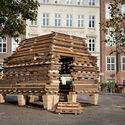
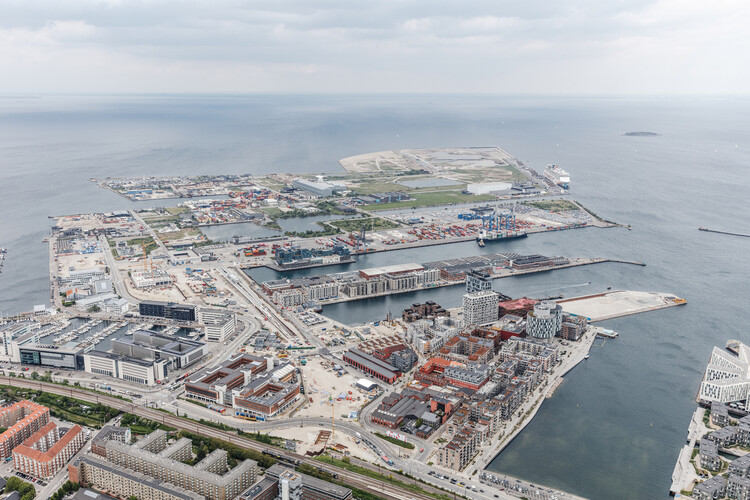
The origins of the Copenhagen Architecture Biennial trace back to the establishment of the CAFx yearly festival in 2014, which was renamed Copenhagen Architecture Forum in 2024 to lead new projects focused on architecture and urbanism, such as the shift from festival to biennial, with a first edition in 2025. Today, the details of the second edition are being announced: it will take place from September 9 to October 15, 2027, under the theme "Elements." After the Biennial's inaugural call to Slow Down, the event is turning its attention to the planetary elemental forces that architecture has sought to master and prepare to inhabit, questioning one of modernity's most persistent promises: control over the environment. Activities will be dedicated to and organized around each of the four elements: fire, earth, air, and water, including an open call for pavilions, exhibitions, and a symposium.

The Copenhagen Architecture Biennial Announces Theme and Dates for Its Second Edition - 1 的图像 4The Copenhagen Architecture Biennial Announces Theme and Dates for Its Second Edition - 2 的图像 4The Copenhagen Architecture Biennial Announces Theme and Dates for Its Second Edition - 3 的图像 4The Copenhagen Architecture Biennial Announces Theme and Dates for Its Second Edition - 4 的图像 4The Copenhagen Architecture Biennial Announces Theme and Dates for Its Second Edition - More Images+ 12

Subscriber Access

Ornamentation in the Age of Algorithms: Can Technology Bring Back Architectural Detail?

Audio available

Architectural ornamentation has been a recurrent subject of debate across the industry for decades. A practice that was largely abandoned during the Modernist movement could now be standing on a platform that might, again, allow its resurgence, due to the current convergence of robotics, artificial intelligence (AI), and digital fabrication. Technology has seemingly removed the primary obstacle to decorative detail: the high cost of skilled manual labor. However, this new technical capacity demands a critical examination: What does ornamentation truly represent, and what do we gain or lose by resurrecting it through algorithmic design?

Ornamentation in the Age of Algorithms: Can Technology Bring Back Architectural Detail? - Image 1 of 4Ornamentation in the Age of Algorithms: Can Technology Bring Back Architectural Detail? - Image 2 of 4Ornamentation in the Age of Algorithms: Can Technology Bring Back Architectural Detail? - Image 3 of 4Ornamentation in the Age of Algorithms: Can Technology Bring Back Architectural Detail? - Image 4 of 4Ornamentation in the Age of Algorithms: Can Technology Bring Back Architectural Detail? - More Images+ 3

Subscriber Access

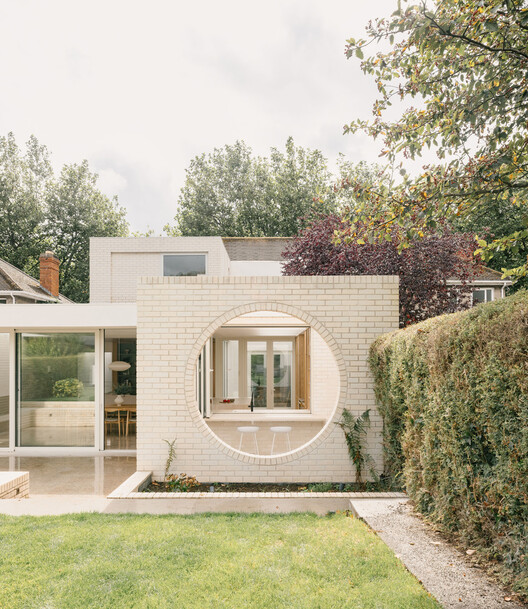
Necessity as Invention: Ireland's Laboratory of Renovation

Audio available

The landscape and scattered settlements of Ireland carry a reputation for wildness. Rugged cliffs meet the Atlantic, green fields roll across the interior, and rain and wind change the scene by the hour. A closer look reveals a worked terrain as historic stone walls divide agricultural fields, roads and paths connect towns to the coast, and castle ruins alongside cottages record centuries of occupation. Change is the expected condition of the island, shaped as much by human hands as by geology and weather, and the practice of treating the existing context as material to adapt and modify runs deep.

Ireland has a large inherited building stock, from vernacular cottages and farm compounds to Georgian and Victorian urban terraces, while a growing share of it sits vacant or derelict as housing remains scarce and expensive. Planning and heritage protections shape what can be altered, while growing attention to embodied carbon makes demolition increasingly difficult to justify. Under these pressures, design strategies for renovation are one of the most inventive areas of contemporary Irish design. Architects cut into old structures to admit light, set new materials against aged ones, and redesign buildings for contemporary lives and routines.

Necessity as Invention: Ireland's Laboratory of Renovation - Image 1 of 4Necessity as Invention: Ireland's Laboratory of Renovation - Image 2 of 4Necessity as Invention: Ireland's Laboratory of Renovation - Image 3 of 4Necessity as Invention: Ireland's Laboratory of Renovation - Image 4 of 4Necessity as Invention: Ireland's Laboratory of Renovation - More Images+ 32

The Luxembourg Pavilion Examines Overconsumption of Living Space Through "Excess!" at the 2027 Venice Architecture Biennale

Audio available

A jury of arts and architecture professionals recently announced the selected curatorial proposal for the Luxembourg Pavilion at the Biennale Architettura 2027. The exhibition will be curated by housing expert Céline Zimmer and architects Bùi Quý Sơn and Paul-Antoine Lucas, co-founders of the critical spatial practice Exutoire, one of the winning practices of the ArchDaily 2026 Next Practices Awards. The proposal is titled "Excess! On the Overconsumption of Living Space" and addresses the inequitable distribution of living space as a reflection of "broader habits of excess that contribute to the current housing and ecological crises." The issue will be illustrated through a dialogue between the realities of Luxembourg and Vietnam to reflect on spatial consumption. The Luxembourg Pavilion is located on the first floor of the Sale d'Armi in the Arsenale, which will open to the public for the Biennale on May 8, 2027.

The Luxembourg Pavilion Examines Overconsumption of Living Space Through "Excess!" at the 2027 Venice Architecture Biennale - Imagem 1 de 4The Luxembourg Pavilion Examines Overconsumption of Living Space Through "Excess!" at the 2027 Venice Architecture Biennale - Imagem 2 de 4The Luxembourg Pavilion Examines Overconsumption of Living Space Through "Excess!" at the 2027 Venice Architecture Biennale - Imagem 3 de 4The Luxembourg Pavilion Examines Overconsumption of Living Space Through "Excess!" at the 2027 Venice Architecture Biennale - Imagem 4 de 4The Luxembourg Pavilion Examines Overconsumption of Living Space Through Excess! at the 2027 Venice Architecture Biennale - More Images+ 1

Subscriber Access

Freedom and Architecture: Anneke Abhelakh on "The Albanian Files"

Audio available

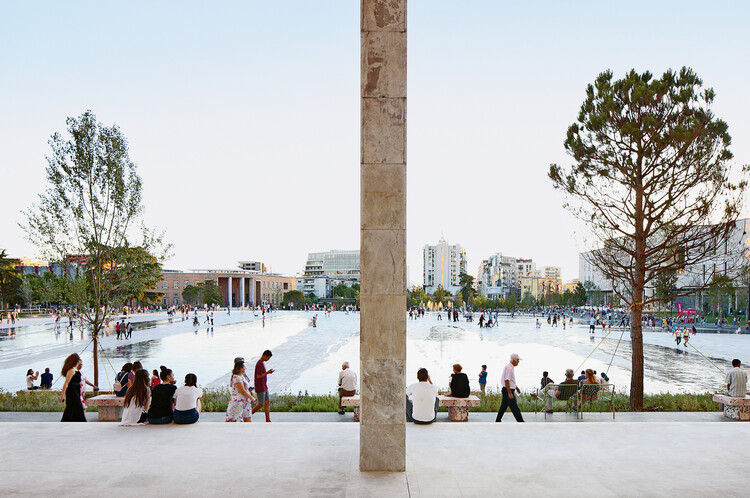
For the past twenty years, Albania has been one of the most active construction territories in Europe. Dozens of international architects have been working there on projects that promise to alter the drawing, the structure, and the cities of a country still recovering from the regimes of the last century. To acknowledge that growth, and those changes in the landscape, is also to acknowledge that behind every form there is a story, and that there are files that tell us more than architecture itself.

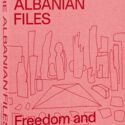
Edited by Anneke Abhelakh and published by Lars Müller Publishers, with a foreword by Prime Minister Edi Rama, The Albanian Files has compiled two decades of work of sixty international architecture offices working in Albania into a dense publication whose format, color, and sheer presence amount to a statement in the reading of the country's recent history. The publication works as an extended document, a cartography of what these processes left behind. Much of what takes shape across its pages describes structures of power, patterns of commissioning, and positions whose consequences have proved controversial. Revealing is a sign of transparency, but it is also a sign that some things should never have been hidden in the first place. Albania, more than ever, with its aspirations to open a territory and its growing wish to engage with the world (through tourism and the prospect of EU membership), needs this clarity.

Freedom and Architecture: Anneke Abhelakh on "The Albanian Files" - 1 的图像 4Freedom and Architecture: Anneke Abhelakh on "The Albanian Files" - 2 的图像 4Freedom and Architecture: Anneke Abhelakh on "The Albanian Files" - 3 的图像 4Freedom and Architecture: Anneke Abhelakh on "The Albanian Files" - 4 的图像 4Freedom and Architecture: Anneke Abhelakh on The Albanian Files - More Images+ 4

Subscriber Access

Building on Volcanic Ground: Architecture's Response to Volcanic Landscapes

Audio available

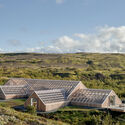
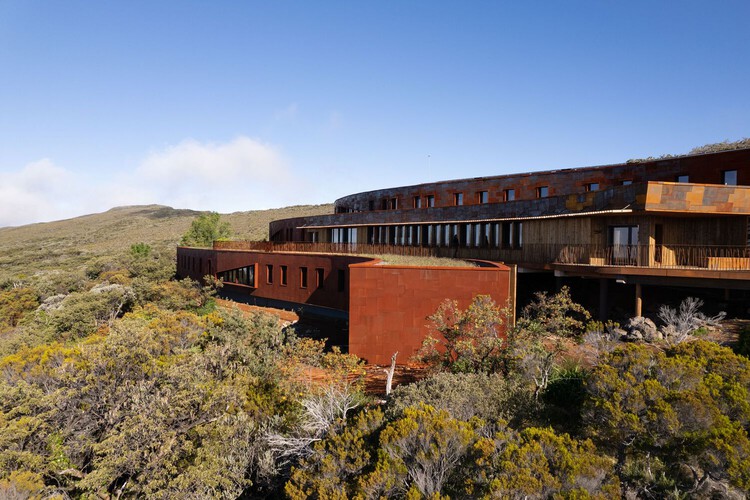
Volcanic landscapes make geological change unusually visible. Lava hardens into new ground, and plants slowly take hold across it. Ash can remain in the landscape for years. Around active volcanoes, these processes are still underway, affecting where and how people build.

Yet these landscapes continue to attract houses and places of retreat. Their isolation and unusual terrain are often part of the appeal. Building there means bringing everyday life into a landscape that can still change.

Building on Volcanic Ground: Architecture's Response to Volcanic Landscapes - Image 1 of 4Building on Volcanic Ground: Architecture's Response to Volcanic Landscapes - Image 2 of 4Building on Volcanic Ground: Architecture's Response to Volcanic Landscapes - Image 3 of 4Building on Volcanic Ground: Architecture's Response to Volcanic Landscapes - Image 4 of 4Building on Volcanic Ground: Architecture's Response to Volcanic Landscapes - More Images+ 17

Farshid Moussavi Receives the 2026 Soane Medal

Audio available

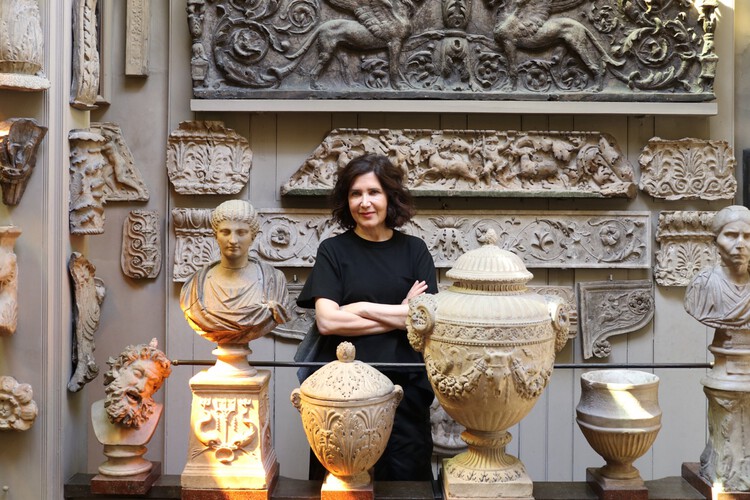
Farshid Moussavi has been awarded the 2026 Soane Medal for her contributions to architectural practice, history, and theory. The Iranian-born architect and educator, who founded Farshid Moussavi Architecture (FMA) in 2011, will receive the medal at the Royal Academy in London on November 24, 2026, where she will also deliver a public lecture. The annual award, established by Sir John Soane's Museum in 2017, recognizes individuals whose work has contributed to a broader understanding of architecture and its role in society.

Farshid Moussavi Receives the 2026 Soane Medal - 1 的图像 4Farshid Moussavi Receives the 2026 Soane Medal - 2 的图像 4Farshid Moussavi Receives the 2026 Soane Medal - 3 的图像 4Farshid Moussavi Receives the 2026 Soane Medal - 4 的图像 4Farshid Moussavi Receives the 2026 Soane Medal - More Images

Danish Architecture Center Celebrates Urbanist Jan Gehl's 90th Birthday with a Calendar of Activities and an Exhibition

Audio available

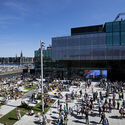
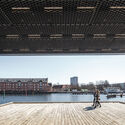
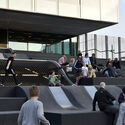
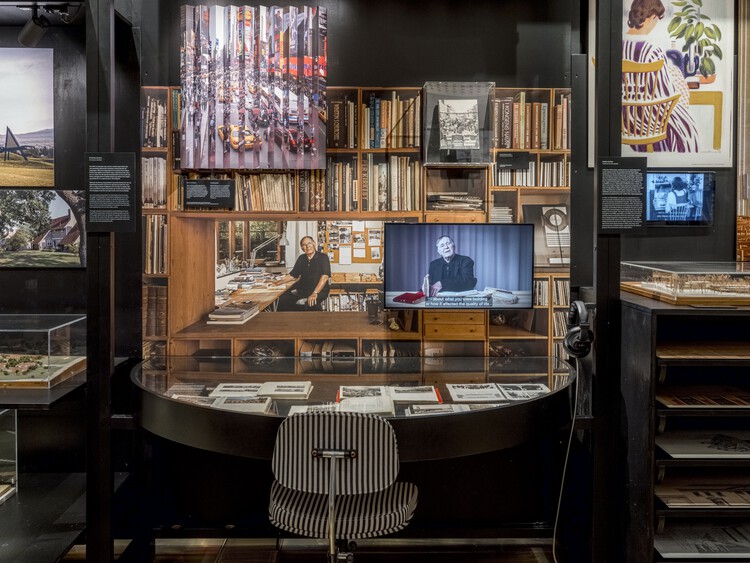
For the second year running, Copenhagen was named the world's most livable city in the 2026 Economist Intelligence Unit's Global Liveability Index. According to the Danish Architecture Center, part of this progress in urban quality of life is due to the work of Danish architect and urban planner Jan Gehl, who celebrates his 90th birthday this year. Jan Gehl has dedicated his professional career to the field of city life and people-centered urban development, founding Gehl Architects (now Gehl Studio) in 2000 and publishing extensively on urban design methodologies to create lively, healthy, and human-centric urban environments. In honor of his birthday, the Danish Architecture Center is presenting an exhibition and a series of activities centered on the role he has played in urban development worldwide.

Danish Architecture Center Celebrates Urbanist Jan Gehl's 90th Birthday with a Calendar of Activities and an Exhibition - Image 1 of 4Danish Architecture Center Celebrates Urbanist Jan Gehl's 90th Birthday with a Calendar of Activities and an Exhibition - Image 2 of 4Danish Architecture Center Celebrates Urbanist Jan Gehl's 90th Birthday with a Calendar of Activities and an Exhibition - Image 3 of 4Danish Architecture Center Celebrates Urbanist Jan Gehl's 90th Birthday with a Calendar of Activities and an Exhibition - Image 4 of 4Danish Architecture Center Celebrates Urbanist Jan Gehl's 90th Birthday with a Calendar of Activities and an Exhibition - More Images+ 4

Subscriber Access

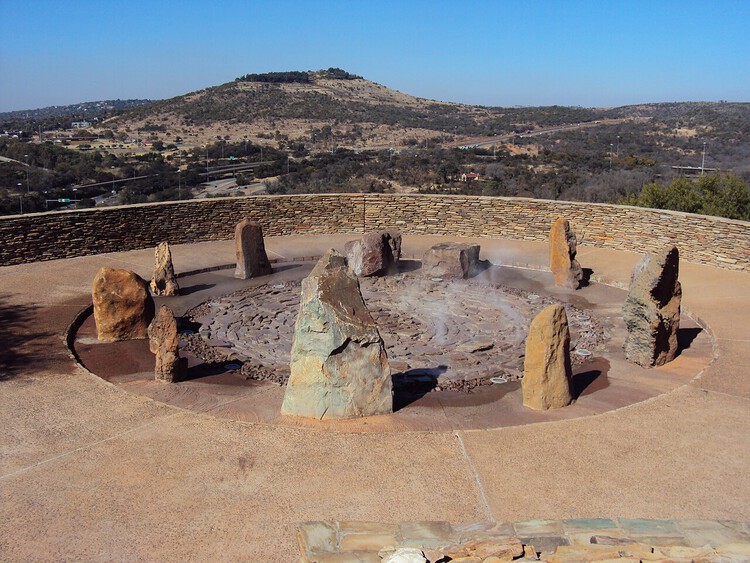
From Garden to Monument: Liberation Landscapes in African Cities

Audio available

Liberation does not always begin with a monument. It may begin in a garden, a yard, a clearing, a field; in the occupation of land and the possibility of gathering there. Across histories shaped by colonialism and dispossession, space has been more than the setting in which liberation takes place. It has been one of its practices: cultivated, occupied, hidden within, moved through and collectively remade.

Wolff Architects' research Liberation Gardens offers the garden as one way of reading these spatial practices, not simply as planted ground, but as a space through which survival, nourishment and emancipatory imagination can be sustained. The garden in this sense is not defined by landscape design so much as by relationships between people and land, cultivation and knowledge, occupation and autonomy. It can hold cultural production alongside subsistence, and forms of collective life that emerge under conditions of violence and dispossession. Liberation, understood spatially, becomes as much about the possibility of inhabiting differently as it is about arriving at a final condition of freedom.

From Garden to Monument: Liberation Landscapes in African Cities - Image 1 of 4From Garden to Monument: Liberation Landscapes in African Cities - Image 2 of 4From Garden to Monument: Liberation Landscapes in African Cities - Image 3 of 4From Garden to Monument: Liberation Landscapes in African Cities - Image 4 of 4From Garden to Monument: Liberation Landscapes in African Cities - More Images+ 4

Escapism from the Streets: How Air-Conditioning Reshaped the Asian City

Audio available

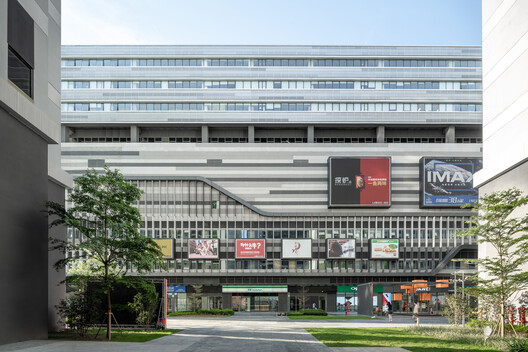
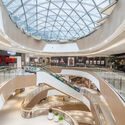
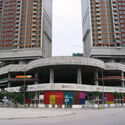
In many Asian cities, the summer climate can increasingly be experienced from a distance. In Hong Kong, it is possible to move from an apartment tower through a podium mall, enter the Mass-Transit-Railway system (MTR), arrive beneath another commercial complex, and continue through enclosed footbridges or underground passages while encountering remarkably little of the atmosphere outside. Heat, humidity, rain, and seasonal variation remain present, but they can be largely bypassed through a continuous network of conditioned interiors.

Over several decades, air-conditioning has expanded from a technology for cooling individual rooms into an infrastructure capable of producing an alternative urban environment. This has been particularly visible in parts of East Asia and South East Asia, where transit-oriented development frequently combines railway stations, shopping centres, housing, offices, and other everyday services within interconnected complexes. The Railway plus Property model has helped institutionalize this relationship between transport and development, creating districts where movement through the city is often inseparable from movement through privately managed interiors.
Escapism from the Streets: How Air-Conditioning Reshaped the Asian City - Imagem 1 de 4Escapism from the Streets: How Air-Conditioning Reshaped the Asian City - Imagem 2 de 4Escapism from the Streets: How Air-Conditioning Reshaped the Asian City - Imagem 3 de 4Escapism from the Streets: How Air-Conditioning Reshaped the Asian City - Imagem 4 de 4Escapism from the Streets: How Air-Conditioning Reshaped the Asian City - More Images+ 8

Sharjah Architecture Triennial Presents "A Journey into Architecture Archives" Focused on Baghdad, Damascus, and Tunis

Audio available

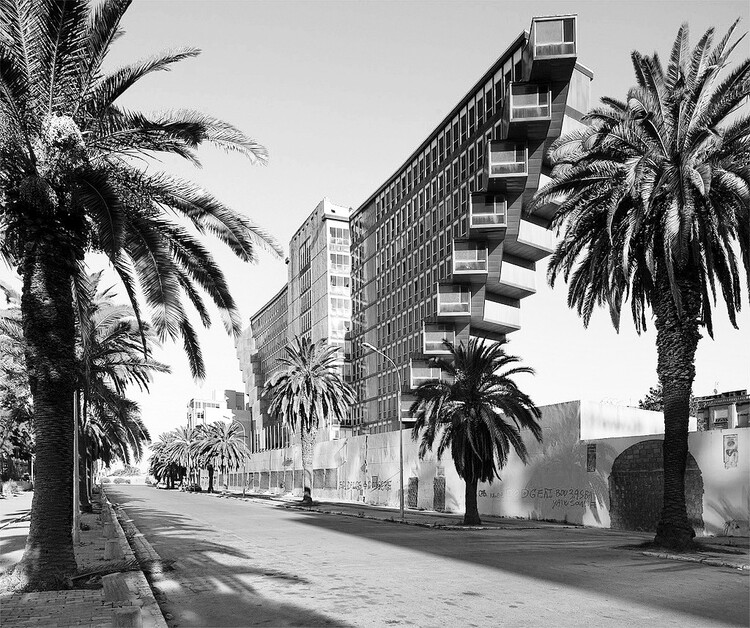
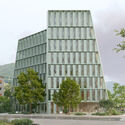
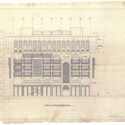
The Sharjah Architecture Triennial (SAT) has released the full documentary films from A Journey into Architecture Archives: Baghdad, Damascus, Tunis online. Curated by George Arbid, the project is part of SAT's long-term research program focused on documenting and safeguarding architectural archives across the Arab world. The three films, filmed on location in Baghdad, Damascus, and Tunis, combine archival research with fieldwork and oral histories, examining how architectural histories are constructed, preserved, and revisited over time.
Sharjah Architecture Triennial Presents "A Journey into Architecture Archives" Focused on Baghdad, Damascus, and Tunis - Image 1 of 4Sharjah Architecture Triennial Presents "A Journey into Architecture Archives" Focused on Baghdad, Damascus, and Tunis - Image 2 of 4Sharjah Architecture Triennial Presents "A Journey into Architecture Archives" Focused on Baghdad, Damascus, and Tunis - Image 3 of 4Sharjah Architecture Triennial Presents "A Journey into Architecture Archives" Focused on Baghdad, Damascus, and Tunis - Image 4 of 4Sharjah Architecture Triennial Presents A Journey into Architecture Archives Focused on Baghdad, Damascus, and Tunis - More Images+ 8

Citizen-Led Campaign Seeks UNESCO Status for Select Pre-Colonial Sites in Lima, Peru

Audio available

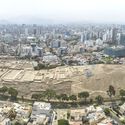
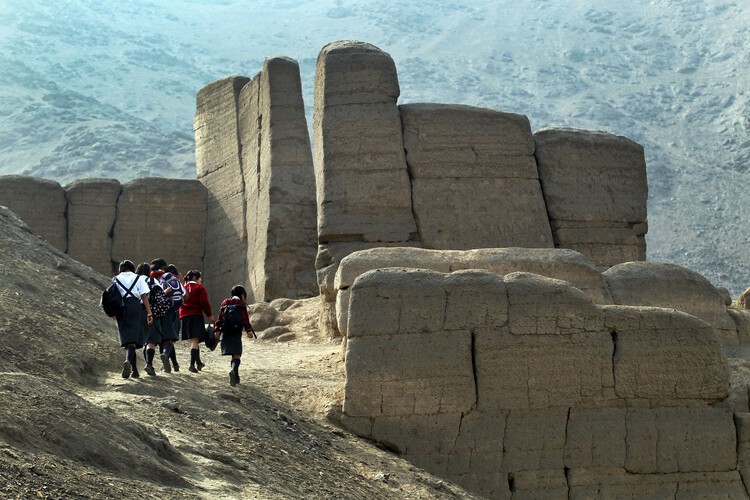
A campaign led by Red Lima Milenaria is seeking UNESCO recognition for pre-colonial sites in the Peruvian capital. Today, more than 600 archaeological sites remain in Lima, a metropolis of 11 million people. The citizens' campaign seeks to improve conservation conditions and public awareness of the sites that resisted European colonization by promoting the nomination of a selection of structures for inscription on UNESCO's World Heritage List. The public campaign was recently launched to gather citizen support and establish partnerships with organizations working in heritage and related fields, in order to prepare the framework for a formal nomination to be submitted by the Peruvian state. The initiative coincides with reconstruction movements in the continent responding to socioeconomic inequality and structural historical injustices, raising questions about the very definition of heritage.

Citizen-Led Campaign Seeks UNESCO Status for Select Pre-Colonial Sites in Lima, Peru - 1 的图像 4Citizen-Led Campaign Seeks UNESCO Status for Select Pre-Colonial Sites in Lima, Peru - 2 的图像 4Citizen-Led Campaign Seeks UNESCO Status for Select Pre-Colonial Sites in Lima, Peru - 3 的图像 4Citizen-Led Campaign Seeks UNESCO Status for Select Pre-Colonial Sites in Lima, Peru - 4 的图像 4Citizen-Led Campaign Seeks UNESCO Status for Select Pre-Colonial Sites in Lima, Peru - More Images+ 2