Contemporary challenges and technological developments inevitably trigger changes in how we design and build our cities. The traditional construction industry suffers from inefficiencies that render methods slow, expensive, or harmful to the environment. Excessive material waste and lengthy build times pose significant challenges to built environment professionals, calling attention to the complexity and rigidity of conventional construction processes. The optimization of time and physical resources in construction calls for innovative methods that enhance efficiency.
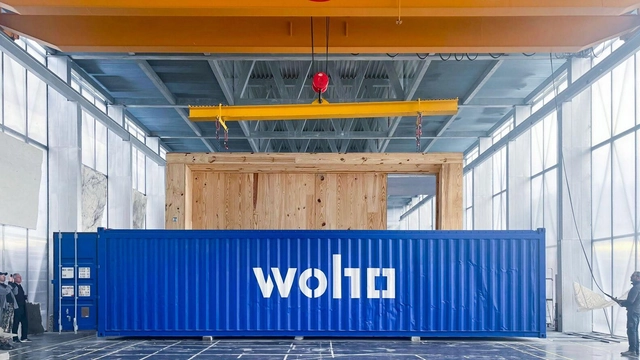
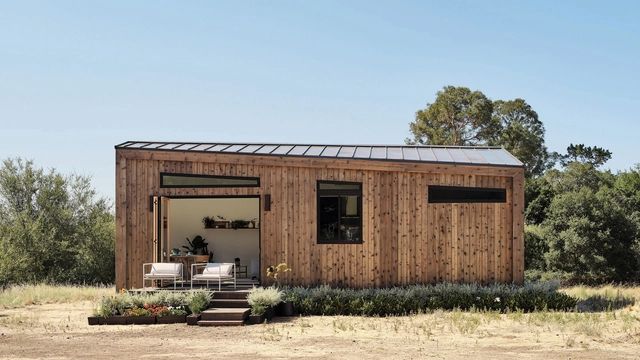
In an industry where innovation often moves with the eagerness of setting mortar, WoHo Systems, one of ArchDaily's 2024 Best New Practices, has emerged as a disruptor aiming to address global sustainability and housing affordability issues. Born from the experimental roots of Ensamble Studio, this architectural startup wields prefabrication and sustainability as core pillars to redefine construction norms and deliver adaptable building solutions. Their solutions aim to speed up and simplify the construction process, as well as reduce costs and minimize environmental impact.
First Prize Winner + Buildner Student Award. Image Courtesy of Buildner
Buildner has revealed the results of its Under Bridge Affordable Housing Challenge, the 17th version of its Affordable Housing competition series, which focused on proposing design solutions to address housing challenges in cities around the world. This competition aimed to transform neglected areas under bridges, turning idle or empty spaces in sprawling cities into vibrant and thriving communities.
Participants were invited to select any "under the bridges" site globally, considering factors such as accessibility, available amenities, and how the proposed solution would integrate with the existing community or city. Designs needed to demonstrate adaptability, ensuring they could meet diverse needs while remaining cost-effective and sustainable. Buildner and its jury sought practical, scalable, and eco-friendly designs to revolutionize these overlooked spaces. The competition encouraged creative thinking and innovative housing solutions that challenge conventional approaches.
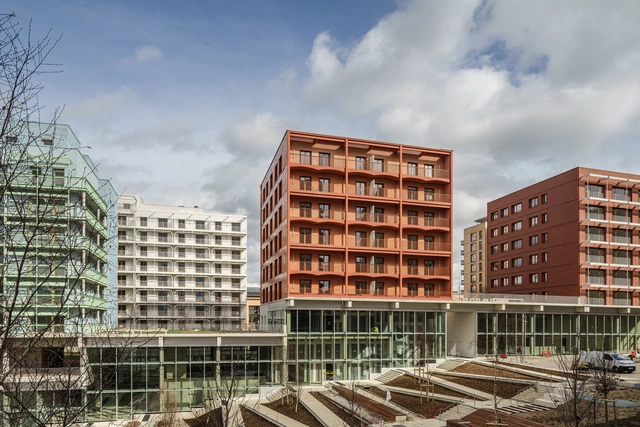
The first Olympic village was built for the 1924 Summer Games in Paris. Before this, athletes stayed in hotels, hostels, schools, headquarters, and even on the ships that brought them to the host cities. Pierre de Coubertin, co-founder of the International Olympic Committee (IOC), proposed the idea of an Olympic village. He realized it would be more cost-effective to house athletes in temporary structures rather than hotels. He believed the village would also create a sense of community among the international competitors.
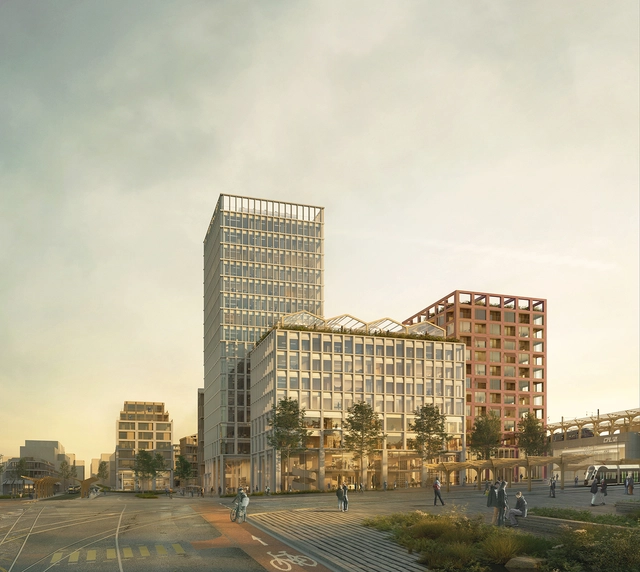
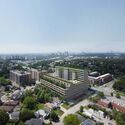
Schmidt Hammer Lassen (SHL) from Denmark and Assar Universum Architects from Luxembourg have collaborated to design a new urban hub for Hollerich in Luxembourg. The new development aims to create a green, vibrant space with mixed uses, transforming the area into an urban destination. Harnessing the city’s distinctive topography, the design integrates a dynamic program of residential, commercial, cultural, and public spaces. The hub, named “NEI HOLLERICH,” is also envisioned as one that addresses the need for affordable housing.
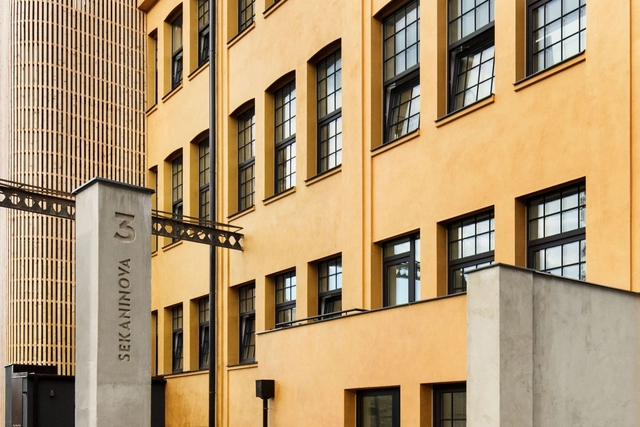
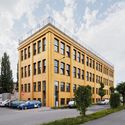
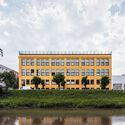
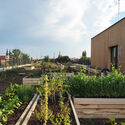
In response to the Czech Republic's soaring real estate prices, architecture firm KOGAA has transformed a former storage facility in Brno into DADA Distrikt, an affordable and diverse housing development. The project's economic approach, achieved through shared funding and direct sales, bypasses extra costs associated with developers while refurbishing a part of the city’s industrial heritage, transforming it into an active urban district. The project also features sustainability measures aimed at lowering its maintenance costs, further exemplifying the intersection of affordable housing, heritage restoration, and sustainable urban living.
The project is now part of Open House Brno, a free weekend festival held annually that allows visitors to enter and explore various locations across the city and discover their stories and architectural narratives. This year, the festival follows the curatorial concept of “Inclusion and Accessibility”, showcasing barrier-free integration of urban locations and the societal impact of buildings. A total of 58 locations will be available to visitors, exploring a variety of programs and scales demonstrating
Celebrating groundbreaking projects that showcase sustainable construction practices, this year’s winners of the Holcim Foundation for Sustainable Construction 2023 highlight innovative approaches across various scales, forms, geographies, and forms. The Gold Prize for North America was awarded to Partisans Architects and Well-Grounded Real Estate with their high-tech, low-cost modular housing solution for urban living in Toronto. In a video interview for ArchDaily, Jonathan Diamond from Well-Grounded Real Estate discusses the development of the winning project and the forces that shaped it.
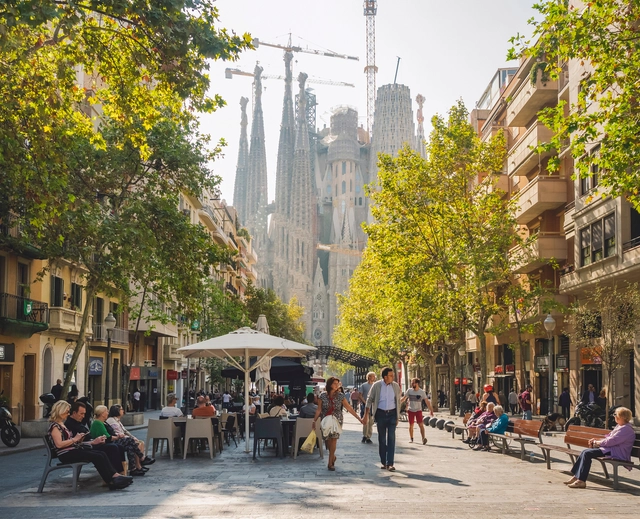
The Spanish city of Barcelona, one of Europe's top tourist destinations, has announced a plan to ban apartment rentals to tourists by November 2028. The move, announced by Mayor Jaume Collboni, aims to alleviate the long-standing housing crisis, lower prices for residents, improve livability, and increase the city’s affordable housing stock. Over the past 10 years, the rise in short-term rentals has driven rents up by 68%, and the cost of buying a house by 38%, contributing significantly to a cost-of-living crisis.
Cities in the US are embracing Accessory Dwelling Units (ADUs) to address the nationwide housing crisis. Often built on existing single-family home lots, ADUs offer an affordable option for increasing housing availability in established neighborhoods. However, like any new housing development, effective regulations are critical for widespread adoption. Los Angeles has emerged as a testing ground in using ADUs to address its housing shortage, providing valuable insights for other cities. The city's experience underlines the challenges of establishing regulations, while also promoting the benefits of ADUs as an affordable housing solution.
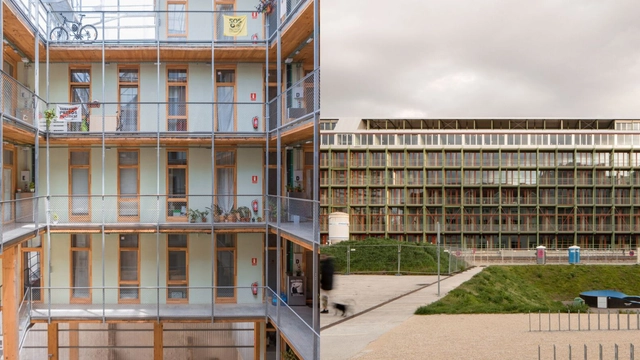
The European Collective Housing Award has selected the winners for the 2024 cycle. Created by The Basque Architecture Institute and Arc en Rêve Centre d’Architecture, in collaboration with the Department of Territorial Planning, the award highlights innovation and excellence in collective housing design, emphasizing aesthetics, social responsibility, and environmental sustainability. Selected from a category of 171 entries from 19 European countries, the winners are La Borda Housing Collectie in Spain and Construction of a Wine Storage into Housing in Switzerland for the new construction and renovation category, respectively. The inaugural edition of the European Collective Housing Award recognizes the importance of collective housing in creating sustainable and inclusive communities while also emphasizing the need to promote architectural excellence in this domain.
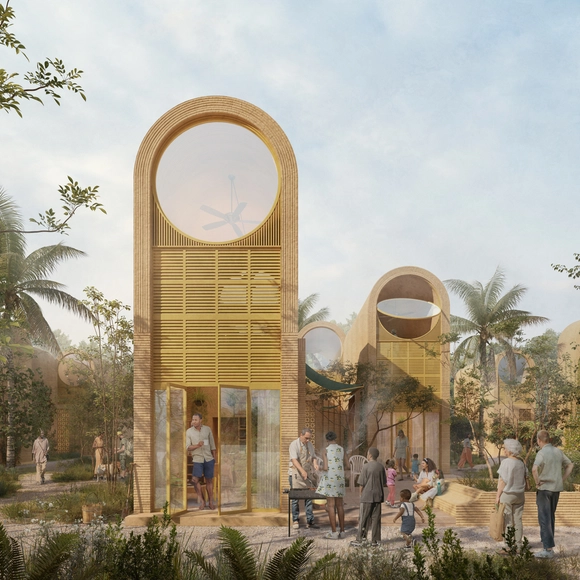
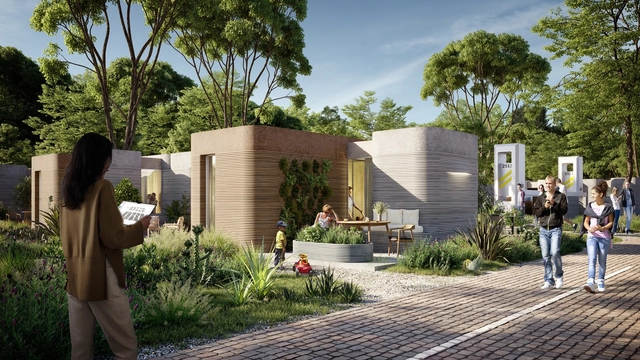
Housing Salinas - For Everyday.Life. Image Courtesy of For Everyday.Life
United Kingdom-based office For Everyday.Life (FEL) is one of the three selected winners for the Open Category of ICON’s Initiative 99, an open competition aiming to promote affordable home designs that can be built for under $99,000 employing ICON’s 3D printing technologies. FEL’s project, titled “Housing Salinas,” focuses on community living while applying principles of long-term sustainability, and social and environmental responsibility.
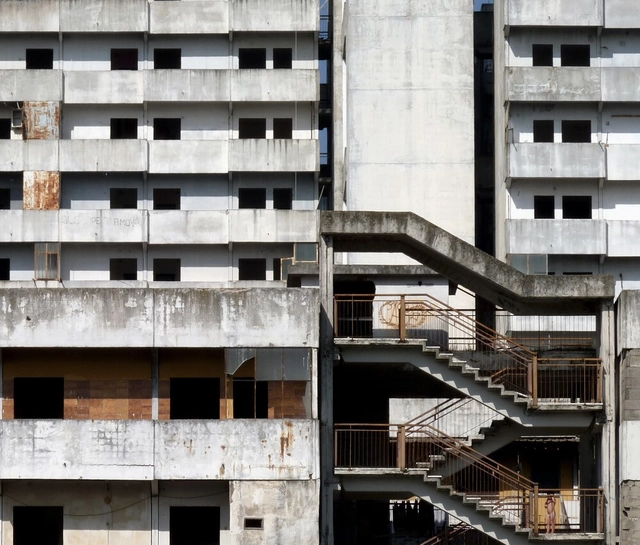
As the demand for affordable housing grows and the availability of low-cost properties diminishes, stakeholders in housing must become more innovative in their approach to social housing development. One opportunity lies in restoring and repurposing abandoned buildings. While building new houses remains the primary strategy for Housing Authorities and Associations, rehabilitating derelict buildings can be a more economical option. This approach not only maximizes the use of dilapidating infrastructure but also provides an economic opportunity to increase affordable housing within the city. Although rehabilitating derelict residential buildings may seem like an obvious solution, it becomes even more crucial when considering abandoned commercial, institutional, or historical buildings for social housing.
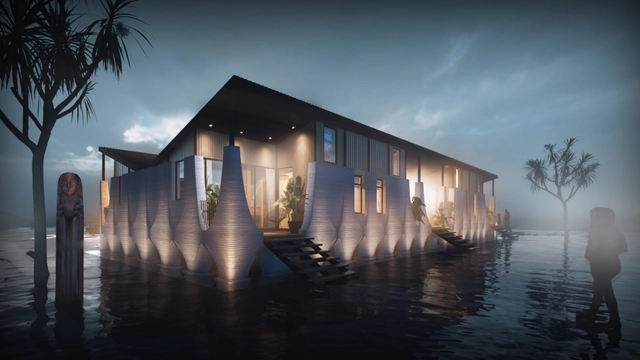
In an open competition, ICON’s Initiative 99 requested participants to design a home using ICON’s 3D printing technologies while keeping the construction budget under $99,000. Among the three selected winners for the Open Category, New Zealand-based office MTspace Studio proposes a robust flood-resistant design, in response to the housing crisis in New Zealand’s flood zones. Titled “Wai Home” after the Māori word for water, the concept revolves around the idea of working with this essential natural element. The design features innovative rainwater collection and storage systems, along with elements to increase the resilience of the construction in the face of increasing threats.
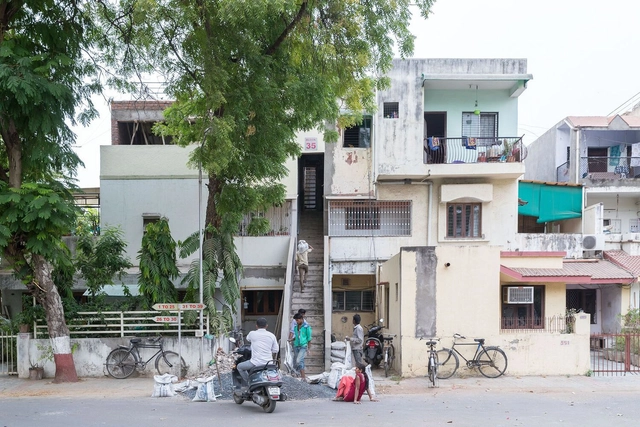
In a nation grappling with a severe housing shortage for its economically weakest sections, the concept of "low-cost housing" has surprisingly faded from public consciousness and policy discourse. A crisis impacting millions of the nation's poorest, the need for affordable housing has become even more pressing as India's population overtakes China to emerge as the most populous nation. If left unaddressed, the housing crisis may result in mass homelessness and undignified living conditions for citizens.
Ever since the Industrial Revolution and the introduction of mass production, the ownership and use of simple products and services like flush toilets with running water, electricity, heating, and cooling are seen as human rights in many areas of the world. With the majority of homes and residential projects being individually designed and built to order – therefore without the speed and cost advantages of mass production – an underperforming housing construction sector means many people – even in the world’s richest countries – are being denied one of the most basic human rights, having somewhere to call home.
The UNHCR (UN Refugee Agency) states that there were over 100 million forcibly displaced people worldwide in 2023 – a figure that has tripled over the last 10 years. For host countries, finding safe, sustainable housing solutions for those in need, both in the short- and the long-term, is an ongoing and dramatically worsening challenge.
German-based architecture and design studio Beta Realities has developed the “Collective Parts” initiative, a design and technology platform for enabling the construction of affordable 3D printed housing. The project has been recognized as one of the winners of Inititative99by ICON, a global architecture competition aimed at reimagining affordable housing that can be built for under $99,000. The other winners of the open category are MTspace Studio from New Zealand and For Everyday Life from the United Kingdom. The competition also highlights contributions from students as a separate category, featuring Casa Fami by IAAC from Spain, Juan Felipe Molano from Colombia, and Victoria Roznowski from Germany.
MVRDV has just released a new design study exploring how co-living can help shape the future of housing. Created in collaboration with developer HUB and sustainable investor Bridges Fund Management, the study introduces a comprehensive study exploring diverse typologies, aiming to revolutionize communal living and vibrant neighborhoods. It addresses modern housing needs, including flexibility, sustainability, and community, while tackling climate crisis and affordability issues. The endeavor offers tailored solutions for various co-living projects, catering to many demographics and lifestyles.
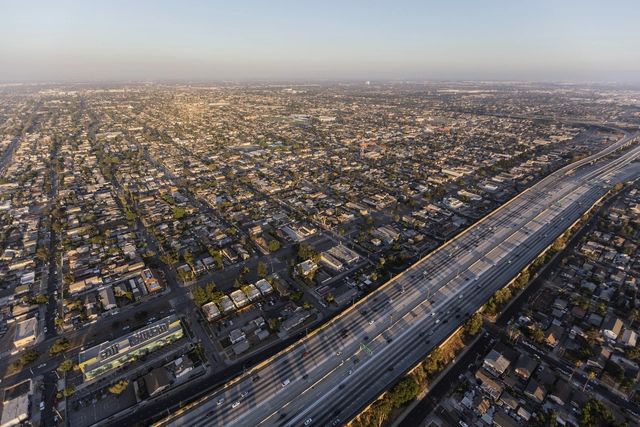
Los Angeles Aerial. Image via trekandshoot / Shutterstock
Cities in the United States are short of millions of housing units. Compounded by other factors, this shortage is radically increasing the cost of both renting and buying houses. Los Angeles is no exception; with 74% of its land zoned exclusively for single-family homes, multifamily housing construction is limited to an extremely small swath of the city, making the construction of new affordable housing difficult. Complex multi-year permit approval processes often make these projects even less feasible.
That's why, in December 2022, Mayor Karen Bass took a drastic approach by declaring a state of emergency to speed up approval for affordable housing projects, allowing developers to expedite rent-stabilized projects through fast permitting times and exemptions from zoning rules. Executive Direction (ED1) created a surge of affordable housing applications, surprisingly not just from developers using public money but from private ones.
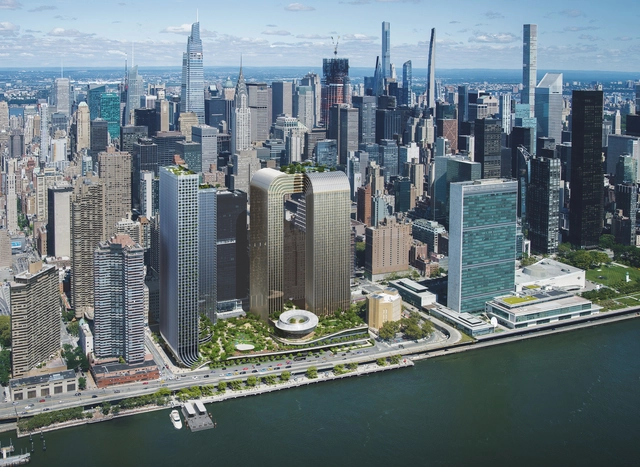
Located along Manhattan’s East River waterfront, the Freedom Plaza sets out to create a new civic and cultural hub, introducing a new open and green space in the crowded area, with plans to add an in-park Museum of Freedom and Democracy. Additionally, the scheme designed by BIG-Bjarke Ingels Group includes affordable housing units, two hotels, retail, and restaurants. Developed by Soloviev Group and Mohegan, the Freedom Plaza development reimagines one of the largest undeveloped plots in Manhattan, measuring 6.7 acres located south of the United Nations headquarters in the Midtown East neighborhood.