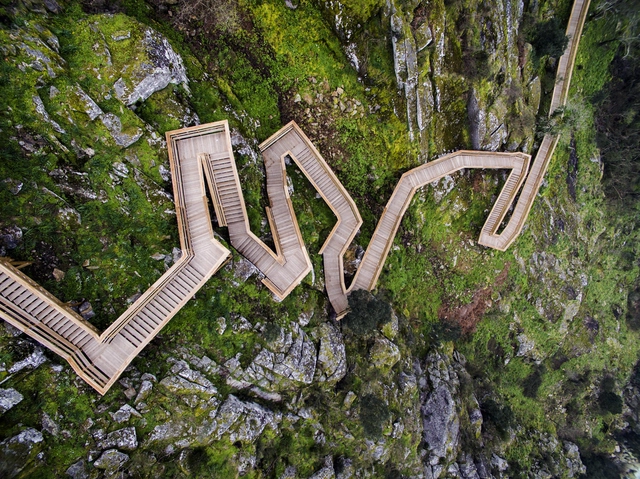


-
Architects: Trimetrica
- Year: 2015
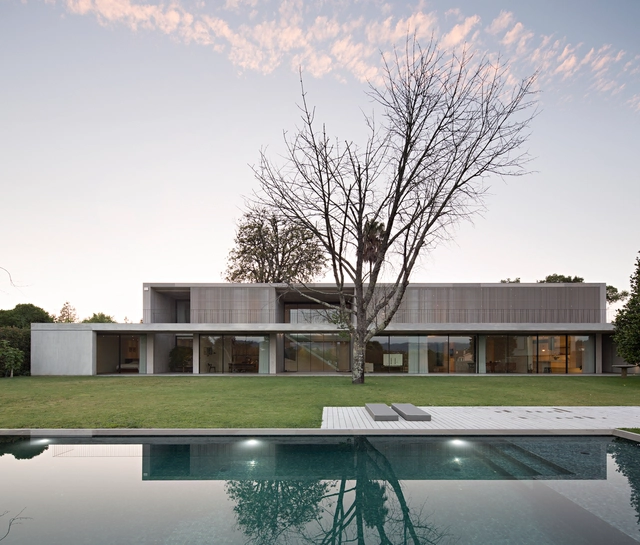
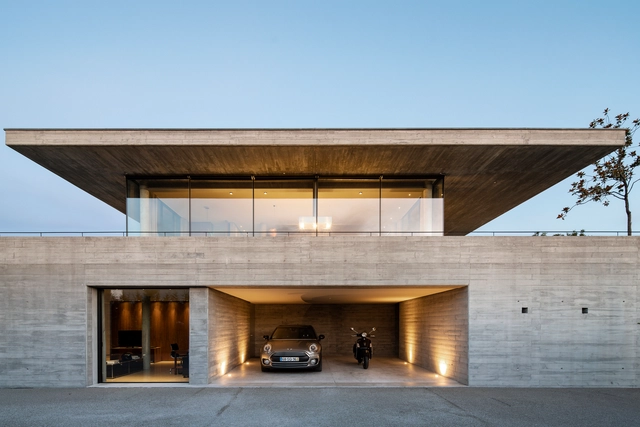
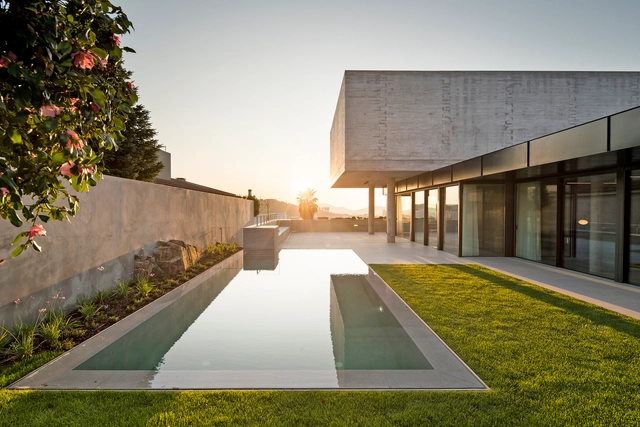
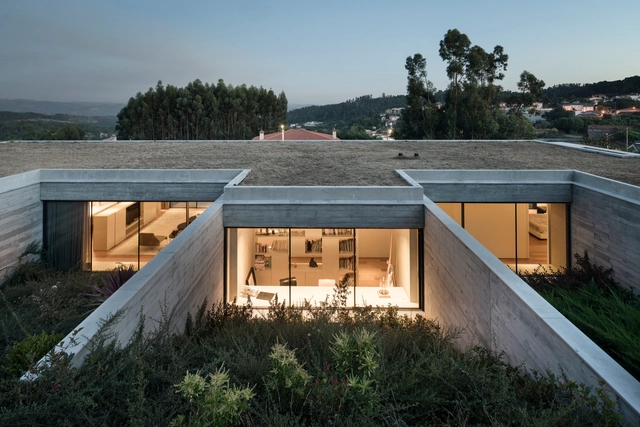

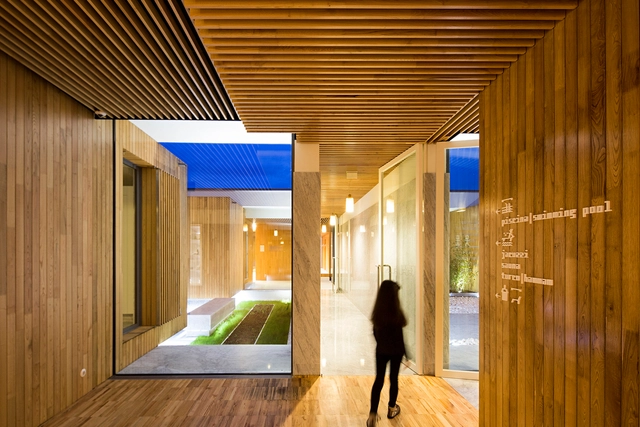

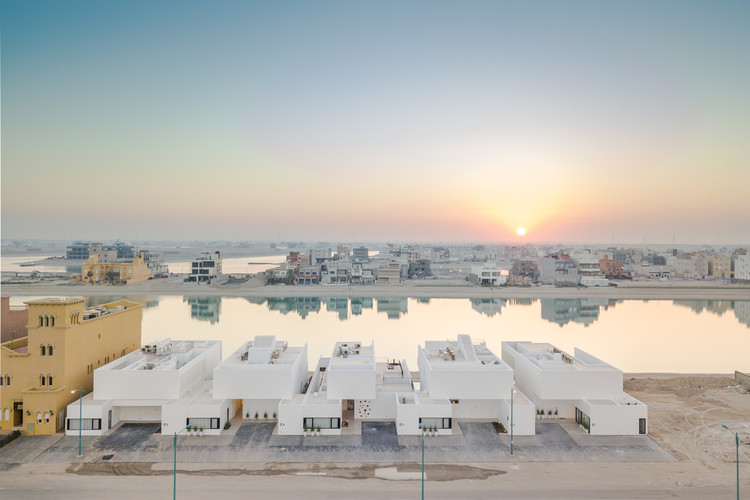
Modern architecture is tied to cultural history. In Kuwait, the country’s built environment and housing has been reshaped by larger economic and cultural movements. After the discovery of oil, the country experienced economic growth that drove development across diverse markets and transformed how citizens live today.
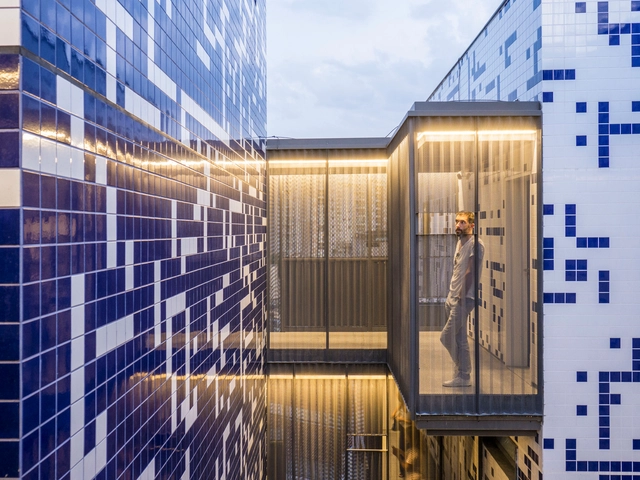
Ceramic tiles are usually used in the interior wet zones of residential and commercial projects—such as kitchens, bathrooms, and laundry rooms. However, an increasing number of architects have proven that this material has great graphic, aesthetic, and, above all, technical potential when applied to facades.
Due to its weather resistance, the material requires little to no maintenance; moreover, the variety of colors, sizes, textures, and patterns available on the market allows for countless uses and combinations.
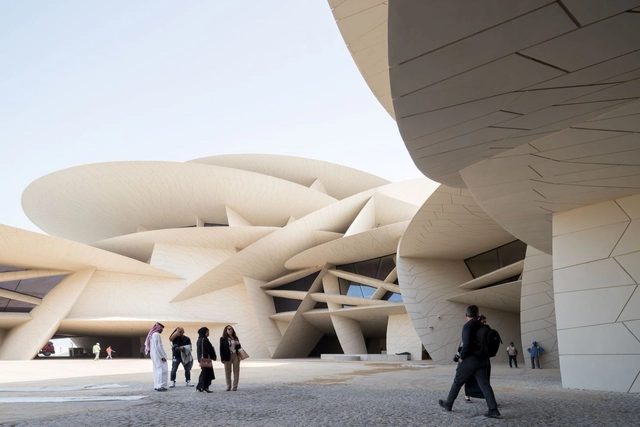
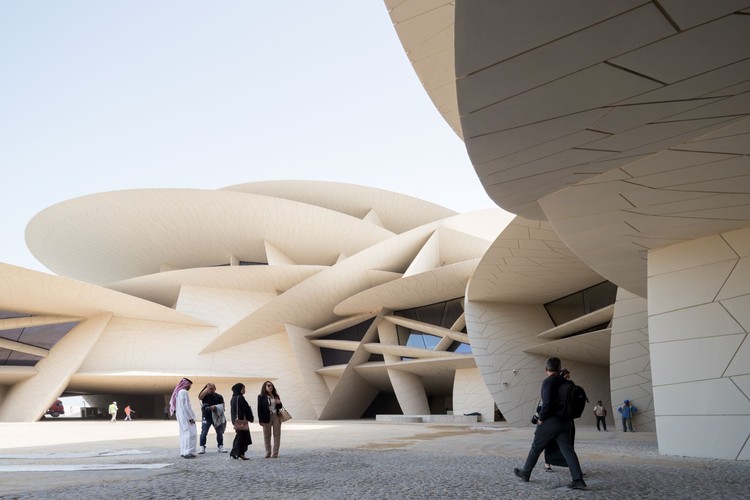
Qatar has been radically reshaped by growth and development. The sovereign state transformed since the second half of the twentieth century after the discovery of the Dukhan oil field in 1940. Capitalizing on over 70 years of economic development, Qatar now has the highest per capita income in the world. Reflecting the country’s wealth, its modern architectural projects are being built at a monumental scale.
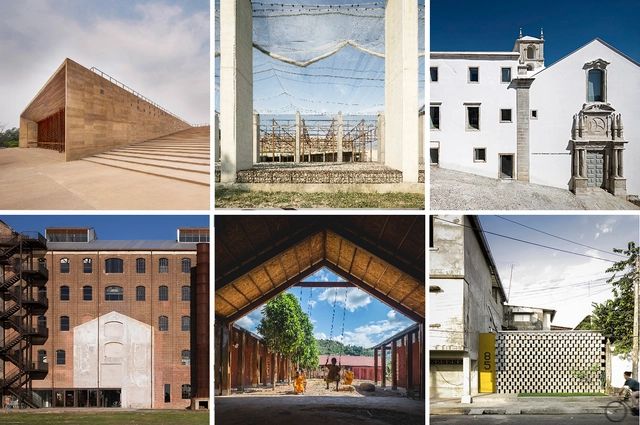
In Asunción (Paraguay), the XI Ibero-American Architecture and Urbanism Biennial (XI BIAU) have presented the winners of the Panorama de Obras section (Projects Panorama) of this contest edition, "all faithful to the spirit of the XI BIAU: living, the inhabitant," according to the organization.
Among 997 proposed works throughout Latin America, 17 architectural works —predominantly public projects— built in Argentina, Brazil, Chile, Ecuador, Spain, Mexico, Paraguay, Peru, Portugal, Uruguay and Venezuela are the winners of the XI BIAU.
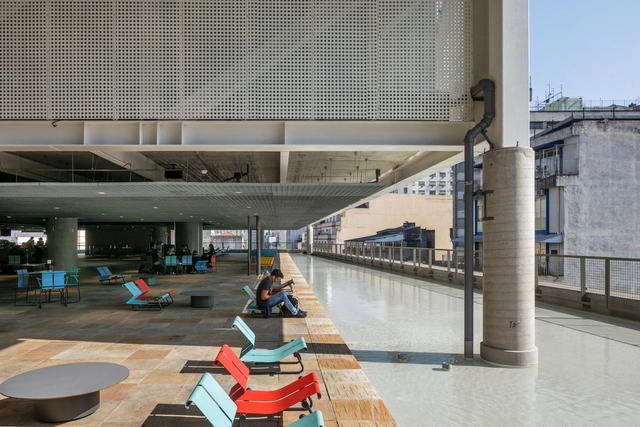
In Asunção, Paraguay, the XI Ibero-American Biennial of Architecture and Urbanism announced today the winners of the Panorama of Works section for this edition of the event, "all faithful to the spirit of the XI BIAU: inhabiting, the inhabitant," according to the organizers.
Out of 997 projects in Latin America, 17 architectural works—predominantly for collective use—built in Argentina, Brazil, Chile, Ecuador, Spain, Mexico, Paraguay, Peru, Portugal, Uruguay, and Venezuela were awarded.
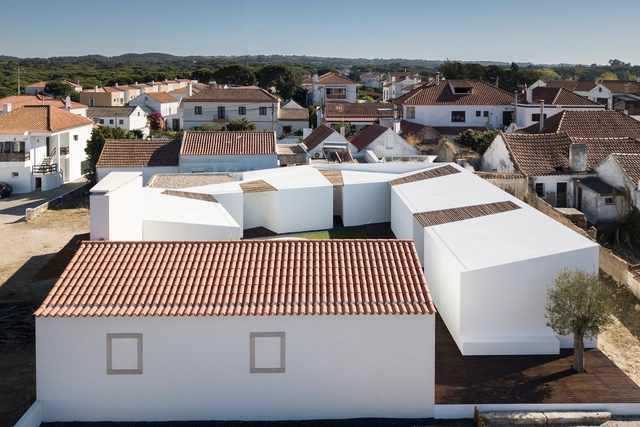
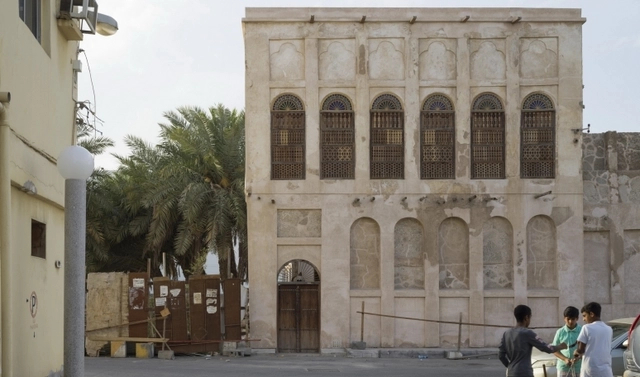
On the 13th of September 2019, the six winning projects of the 2019 Aga Khan Award for Architecture (AKAA) were honored at a ceremony held at the Kazan’s Musa Jalil State Academic Opera and Ballet Theatre. After the ceremony, ArchDaily managed to get exclusive comments from all the awarded teams and from the director of the Aga Khan Award for Architecture Farrokh Derakhshani. Read on to discover what they had to say about this cycle of prizes.
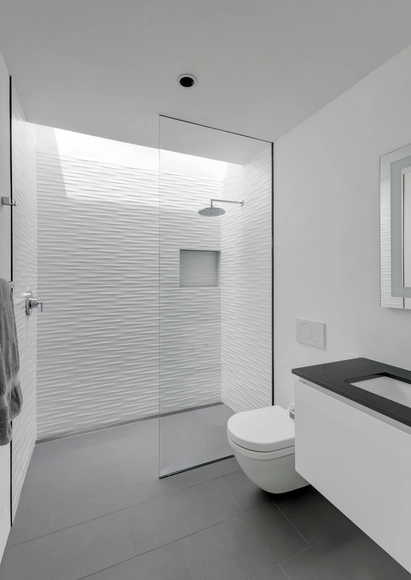
Because it doesn't include a bathtub, or require doors, screens, or curtains, the walk-in shower often makes bathrooms appear larger, cleaner, and more minimalist.
However, some precautions must be taken when designing them. Most importantly, the shower cannot be left completely open, even if it appears to be at first glance. Most designs incorporate a tempered glass that prevents water from "bouncing" out of the shower space, subtly closing the area. When this transparent division doesn't have a frame, the appearance of fungi due to accumulation of water and moisture becomes less likely.
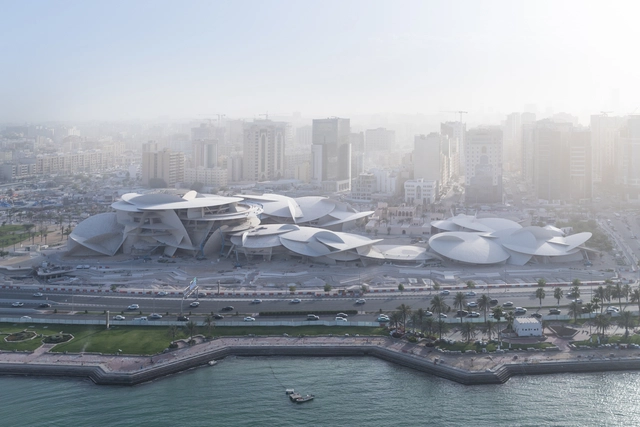
The winner of the Wolf Prize in 2005 and the Pritzker of 2008, French architect Jean Nouvel has attempted to design each of his projects without any preconceived notions. The result is a variety of projects that, while strikingly different, always demonstrate a delicate play with light and shadow as well as a harmonious balance with their surroundings. It was this diverse approach that led the Pritzker Prize Jury in their citation to characterize Nouvel as primarily "courageous" in his "pursuit of new ideas and his challenge of accepted norms in order to stretch the boundaries of the field."
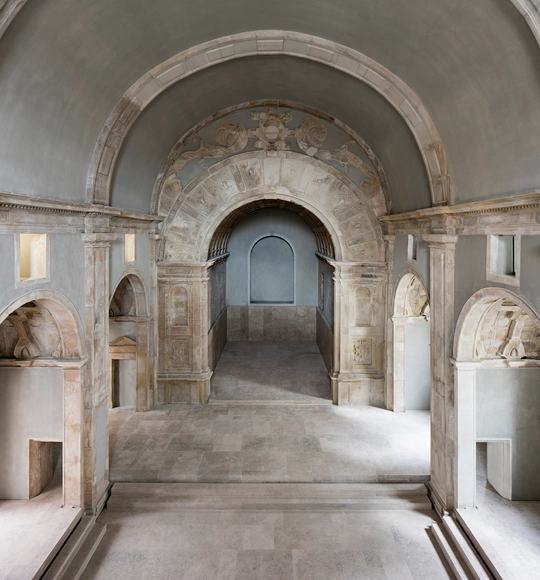
Past, Present, Future is an interview project by Itinerant Office, asking acclaimed architects to share their perspectives on the constantly evolving world of architecture. Each interview is split into three video segments: Past, Present, and Future, in which interviewees discuss their thoughts and experiences of architecture through each of those lenses. The first episode of the project featured 11 architects from Italy and the Netherlands and Episode II is comprised of interviews with 13 architects from Spain, Portugal, France, and Belgium.








CopyrightsMurrayFredericks.jpg?1439374362&format=webp&width=230&height=230&crop=true)


