-
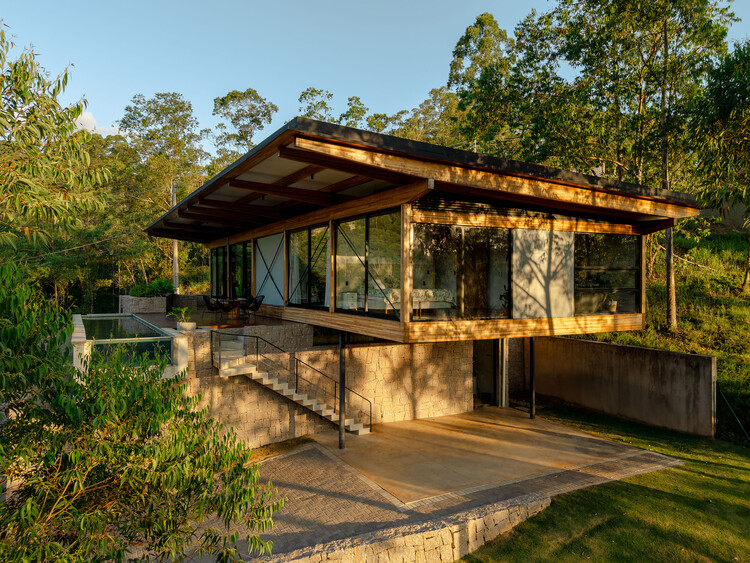
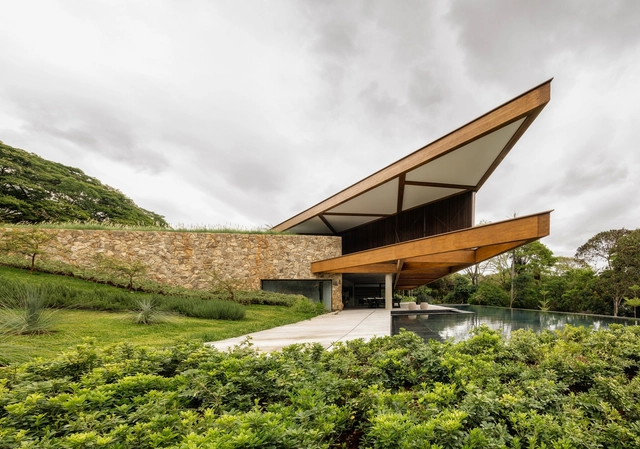
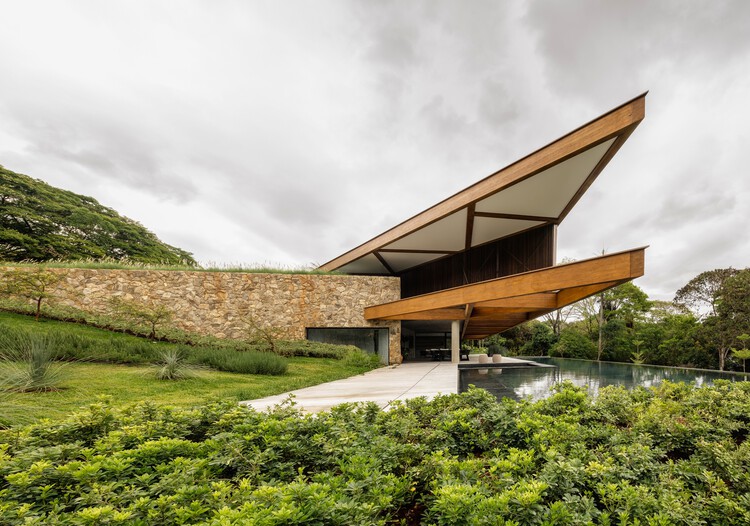
Architects: Terra Capobianco
- Area: 355 m²
- Year: 2022
-
Manufacturers: GRAPHISOFT, Formica, Amorim, Docol, REKA


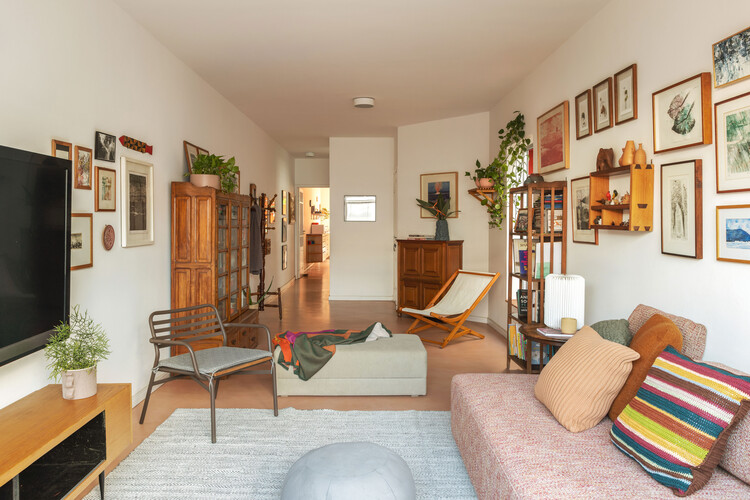
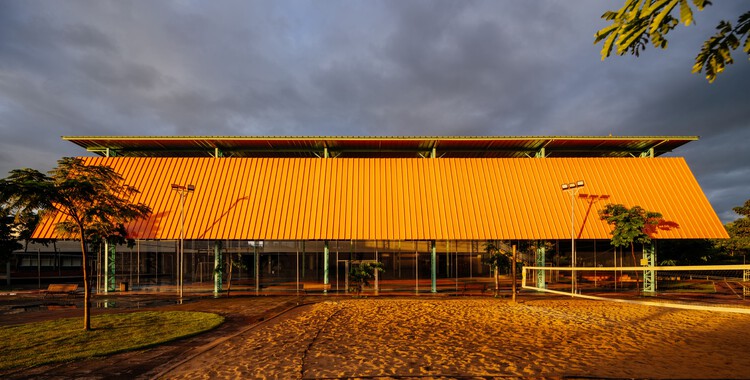
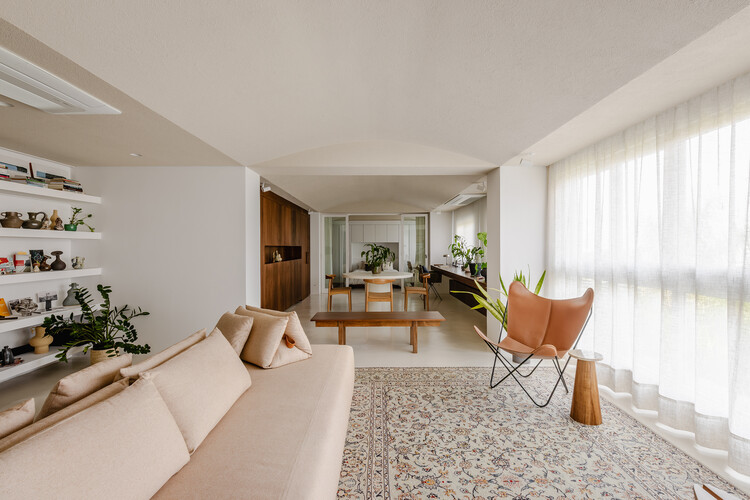
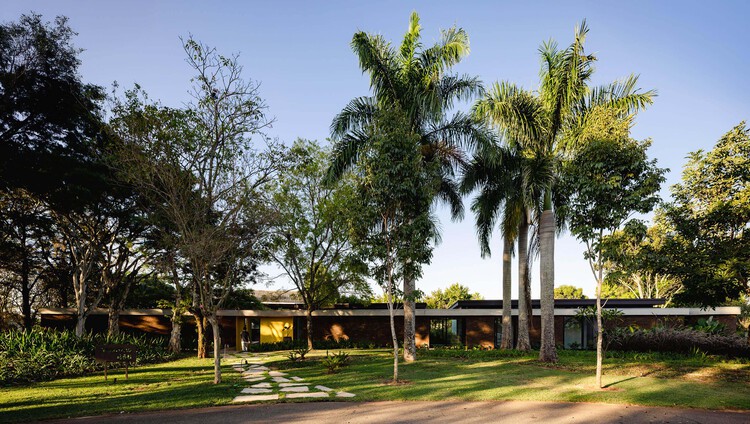
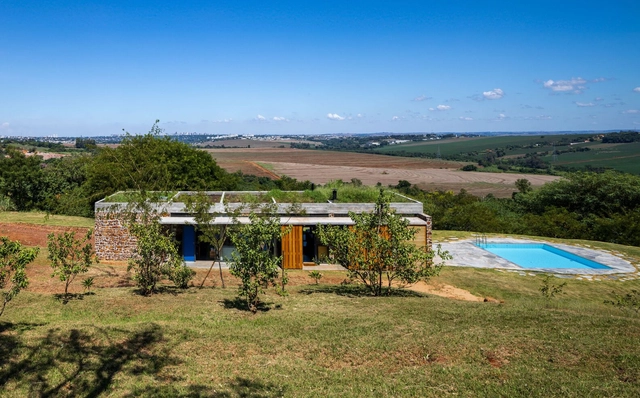
As another year comes to a close, the ArchDaily team looks back at the year's architectural highlights, compiling a selection of projects to review the content featured in 2022. As part of this retrospective, our curation team presents one of our readers' favorite categories—residential architecture—bringing together the projects that represent the very best of a vast year of architectural production, as chosen by our audience.
At a time marked by anticipation for the future of architecture, yet also by reflection on what has been accomplished over the past year, we present the 50 most-visited houses on ArchDaily in Spanish in 2022. In doing so, we continue our ongoing mission to provide tools, inspiration, and knowledge to everyone working toward a better built environment.


ArchDaily's curation team strives daily to present our readers with the most significant, inspiring, and innovative projects, expanding the knowledge and repertoire of students and architects worldwide. From small renovations to projects designed from scratch, residential architecture is a constant in the daily practice of most firms. Year after year, we see the deep interest this typology sparks: it remains the most popular category among our audience.


To celebrate LGBTQIA+ Pride Month in June, Facebook colored São Paulo with a hybrid installation titled #JuntosComOrgulho, fusing the analog and the digital at an iconic city landmark, the Minhocão. The elevated highway, which is open to pedestrians at night and on weekends, features a massive blank wall painted with the colors of the LGBTQIA+ flag, designed by Estudio Guto Requena in partnership with Mutato and Studio Curva.


The choice of finishes is crucial to a project's overall quality, both for its aesthetic impact and its budget implications. Often, designers opt for modular flooring—materials installed in individual pieces—which requires a clear layout logic. This article explores different flooring patterns and how they can be applied to various materials.

Architectural projects often strive to avoid forced cooling systems by relying on passive strategies that support cross-ventilation, solar control, and heat gain mitigation. Building orientation, the positioning of openings, louvers, and shading elements are key to reducing the reliance on air conditioning; however, in certain situations, these strategies are not enough to withstand high temperatures, making it necessary to resort to mechanical cooling technologies. Understand what it is and how to discreetly and efficiently integrate air conditioning into your home.