-
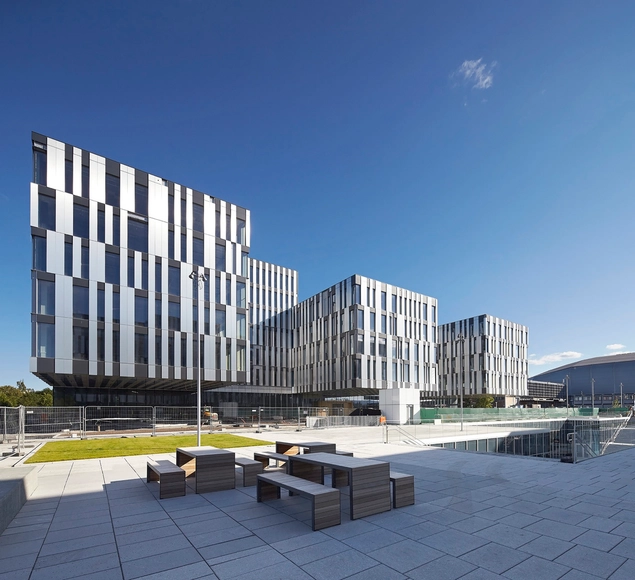
Architects: Henning Larsen
- Area: 45000 m²
- Year: 2016
-
Manufacturers: Hofmann Naturstein, Atelier Vierkant, Osram, Siemens
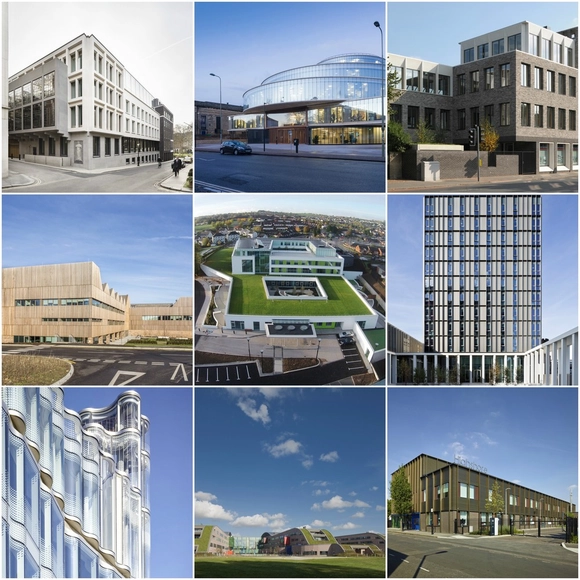
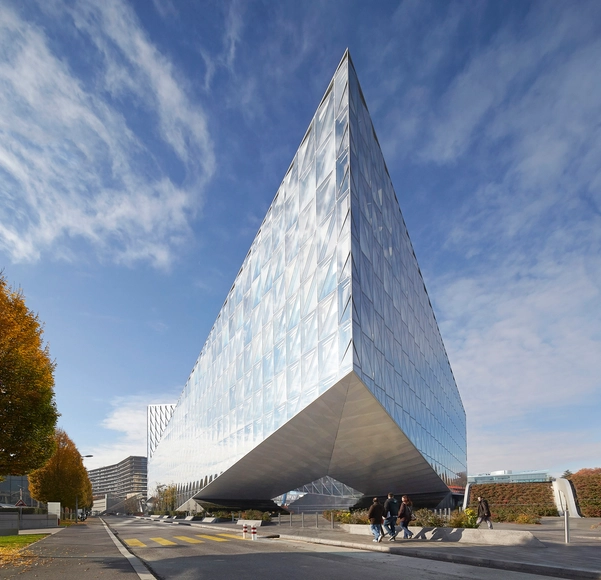
The Royal Institute of British Architects (RIBA) has announced the winners of the 2016 RIBA National Awards. The shortlist for the RIBA Stirling Prize for the UK’s best building of the year will be drawn from these 46 award-winning buildings.
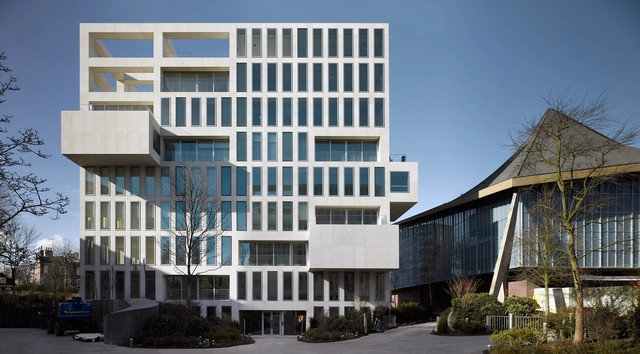
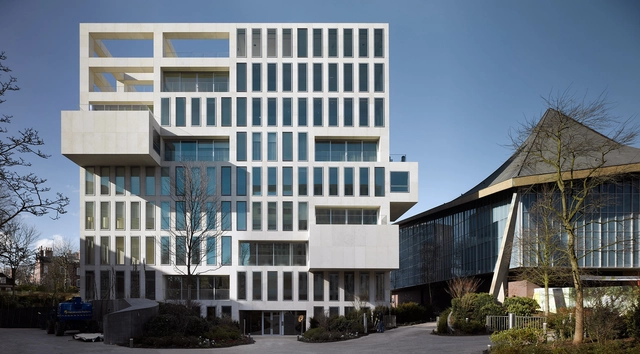
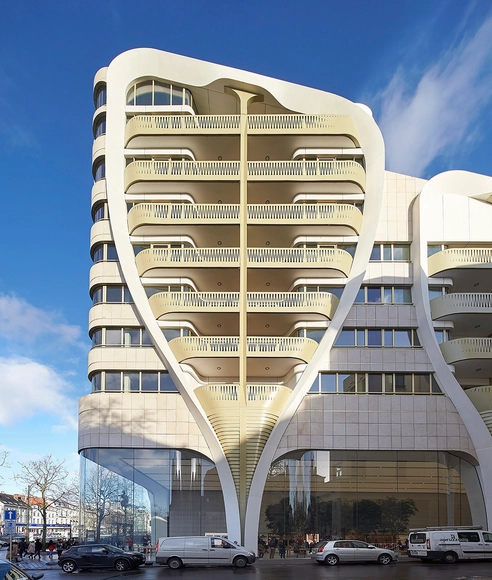
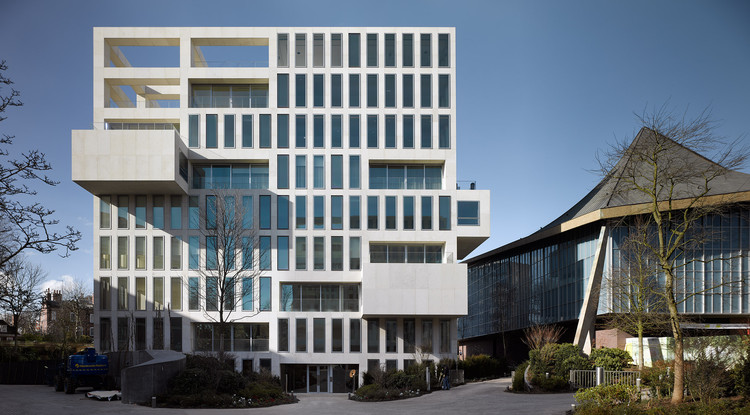
This week, OMA has unveiled their latest project in London, Holland Green. Working alongside Allies & Morrison, the firm has created three new luxury residential buildings on a site of significant cultural importance: the former home of the Commonwealth Institute, designed by Sir Robert Matthew, one of the founding partners of RMJM. As a result, OMA and Allies & Morrison’s Holland Green project involved much more than just adding fuel to the fire of London’s booming luxury residential market—it also involved an extensive conversion to the original 1962 Commonwealth Institute exhibition hall, funded through the scheme’s profitable residential offering, to prepare the heritage building for its new tenants the Design Museum.
ArchDaily spoke with Reinier de Graaf, the partner in charge of the project at OMA, to discuss the development’s social aspirations, the challenges of the London context, and the story behind the project.

.jpg?1456189016&format=webp&width=640&height=580)

Last week, ArchDaily unveiled the 14 winners of this year’s Building of the Year award. Selected by ArchDaily readers from a pool of over 3,000 candidates, these 14 projects represent the best designs published by ArchDaily in the past year, as determined by an unbiased network of 55,000 voters who took part - each of them a judge in one of the world's most democratic architecture awards.
Representing a diverse field of architects, locations and project types, each design has a very different story about how it came into being, how its design responds to its context, how it fits into an architect's oeuvre, or what it says about the direction which architecture is traveling in. But despite the many different types of story represented, each of the stories behind the Building of the Year winners is a fascinating architectural tale. Here are those 14 stories.
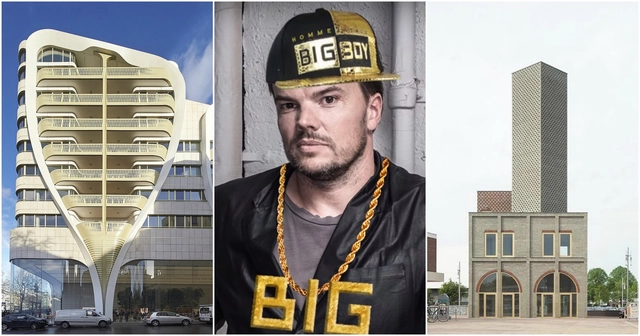
In the past two weeks, the topics of discussion in the ArchDaily comments section have been incredibly diverse: from a debate over a light-hearted approach to getting the architectural job of your dreams, to a serious argument over the exploitation of young workers in the industry; and from criticism of a Zaha-like “melted yellow cheese” design to a favorable analysis of an intellectual postmodernist landmark. Read on to find out what our readers had to say.
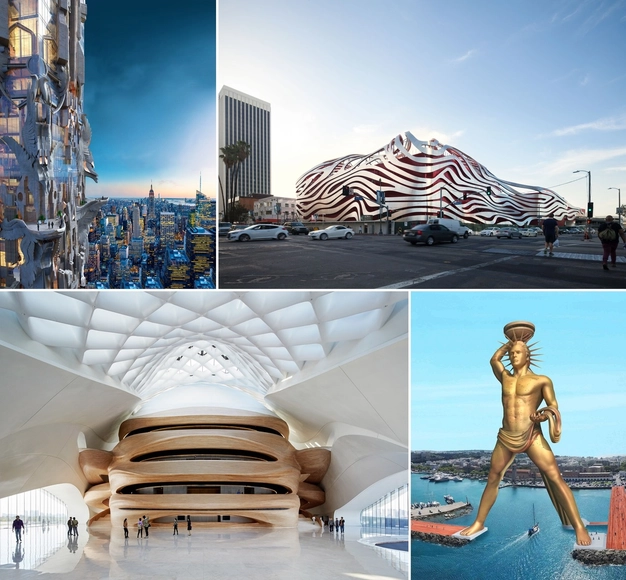
We may be emerging from the holiday season, but the weeks of quiet merriment haven’t slowed down our readers. Over the last few weeks, a small number of stories have kept the comments flowing in - among them a gothic-inspired skyscraper, a museum that is a little too baroque for some tastes, and a statue that most agreed was simply poor taste. Read on to find out what our readers had to say about some of the most noteworthy stories of recent weeks in the latest of our "ArchDaily Readers Debate" series.

.jpg?1450058071&format=webp&width=640&height=580)
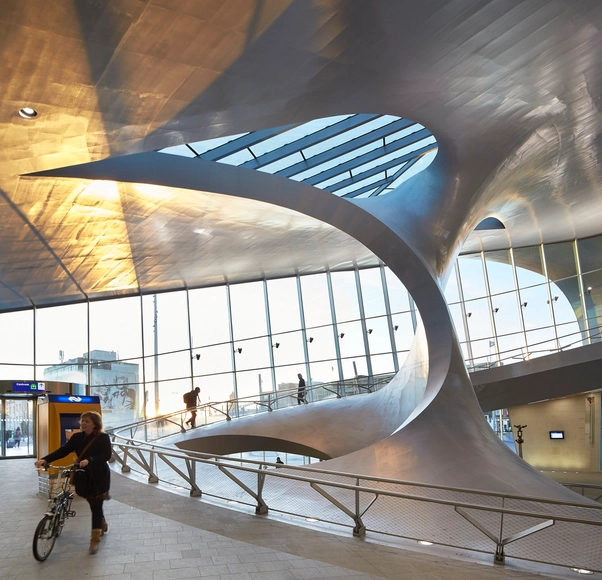
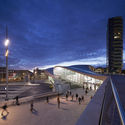
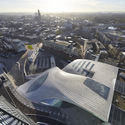
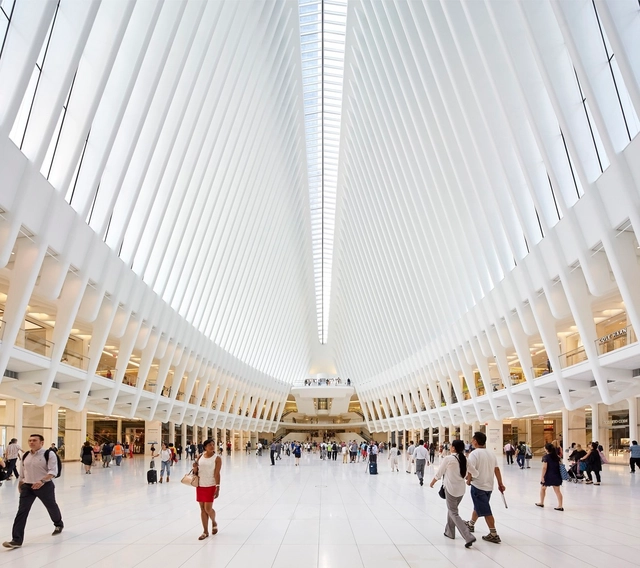
Hufton+Crow has shared with us their latest set of images taken within the new Transfer Terminal at Arnhem Central Station. Designed by UNStudio, the terminal features a "twisting structural roof geometry" that abandons traditional construction methods to free its lofty 60-meter-tall interior hall from the clutter of columns. As the architects describe, "the ceilings, walls and floors all seamlessly transition into one another," forming a 21st-century transfer hub.

For its fall season of architecture events, the Royal Academy’s working theme is “Architecture and Freedom: a changing connection,” in a program conceived and organized by Architecture Programme Curator, Owen Hopkins. One of these events was a recent lecture by Patrik Schumacher, Director of Zaha Hadid Architects, and ardent promoter of Parametricism. In his lecture, what starts out with a brief exercise in damage control over the barrage of criticism recently endured by the firm, emerges as an impassioned discussion of architectural politics, design philosophies, and social imperatives.




.jpg?1459288950&format=webp&width=230&height=230&crop=true)


.jpg?1456188610&format=webp&width=230&height=230&crop=true)
.jpg?1456188758&format=webp&width=230&height=230&crop=true)
.jpg?1456188860&format=webp&width=230&height=230&crop=true)
.jpg?1456188905&format=webp&width=230&height=230&crop=true)
.jpg?1456189016)


.jpg?1450058208&format=webp&width=230&height=230&crop=true)
.jpg?1450058226&format=webp&width=230&height=230&crop=true)
.jpg?1450058107&format=webp&width=230&height=230&crop=true)
.jpg?1450058123&format=webp&width=230&height=230&crop=true)
.jpg?1450058071)