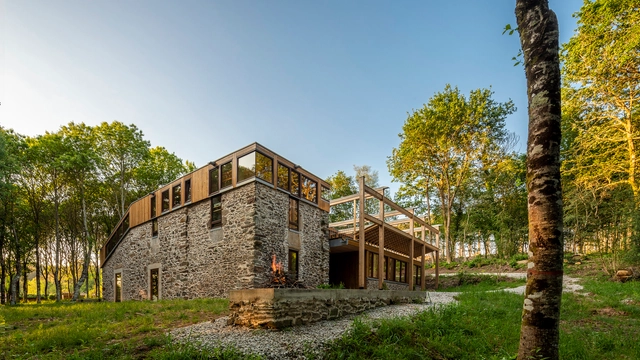


-
Architects: EeG arquitectos
- Area: 498 m²
- Year: 2019
-
Manufacturers: HASSLACHER NORICA TIMBER, JUNG, GALA, Thermowood, Verea
-
Professionals: E3 Arquitectos, CALCUGAL sl
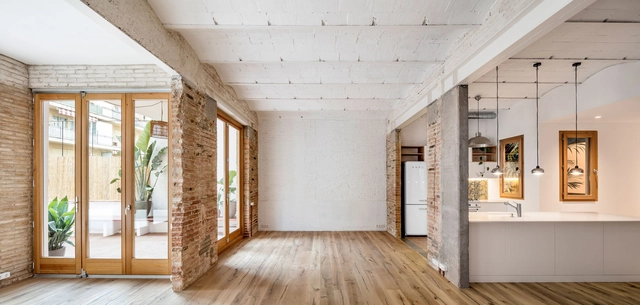
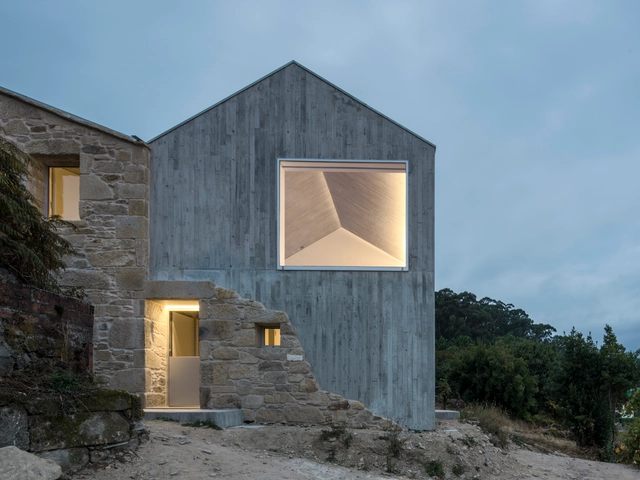
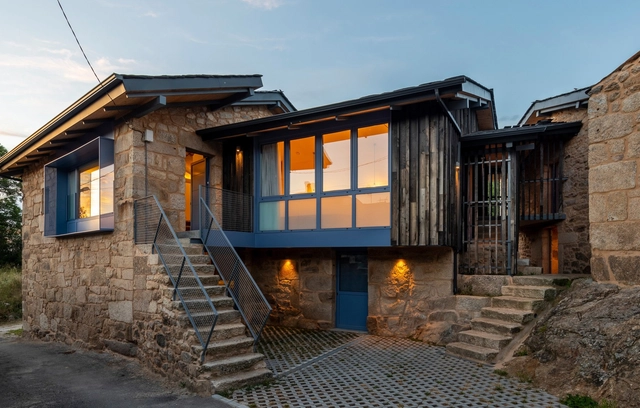
The choice of Lacaton & Vassal to receive the 2021 Pritzker Prize was, above all, emblematic. Under the mantra “never demolish, never remove or replace, always add, transform and reuse”, the French duo built a career focused on renovating buildings, providing them with spatial quality, efficiency and new programs. Their approach contrasts with most of the architecture we are used to honoring: iconic, imposing and grandiose works. It also contrasts with the notion of the tabula rasa, of building and rebuilding from scratch, so well represented in Le Corbusier's Ville Radieuse, and which has fascinated architects and urban planners ever since.
Whether because of the sustainability demands currently in vogue, or simply because there are already enough buildings around the world, the task of rehabilitating spaces and buildings has been seen as an important driver of change. The focus is generally to center efforts on interior spaces, paying special attention to the environmental quality and comfort of the inhabitants, in addition to adapting the uses to contemporary demands. The main question revolves around how to update (and even automate) the buildings of the past to adapt to new needs for efficiency, sustainability and well-being.
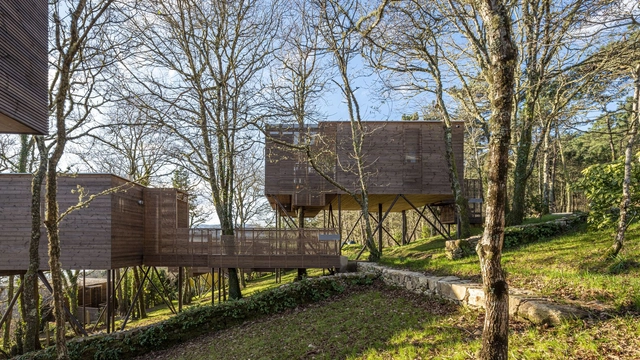
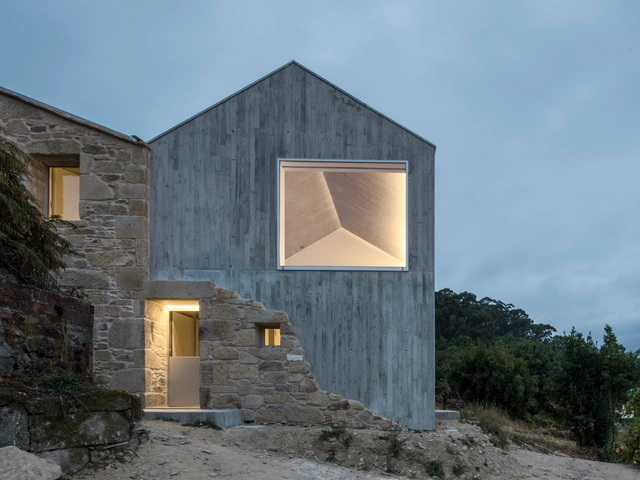
On June 28, during the official opening of the Spanish Biennial of Architecture and Urbanism BEAU 2021 at the Mies van der Rohe Pavilion in Barcelona, the winners of the 'Panorama of Architecture and Urbanism Works' call were announced. Out of 581 proposals submitted, 100 projects were shortlisted, 70 became finalists, and ultimately 20 were awarded as the most outstanding examples of Spanish architecture and urbanism from the last three years.
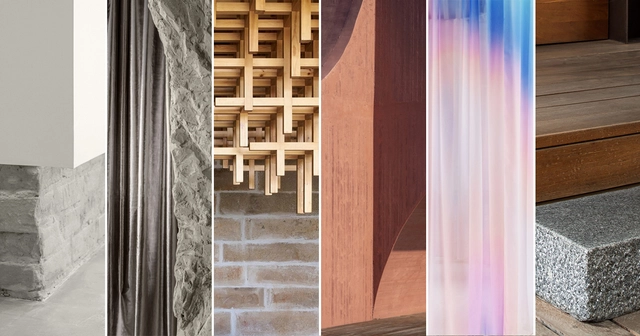
It is difficult to start any retrospective text on 2020 without sounding too cliché. While facing an invisible enemy that changed everyone’s lives, this past year has taught us that humanity is more fragile than we ever imagined. At Archdaily, it’s our job to synthesize how the buildings and the world we live in will be impacted by COVID-19 not only in the short term but in the distant future as well. Has our perception of the built environment changed this year? And has our relationship with the tectonics of buildings changed with all of the obstacles we’ve faced along the way?
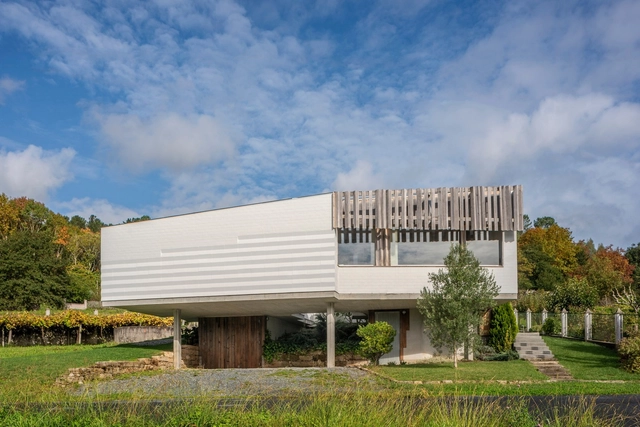
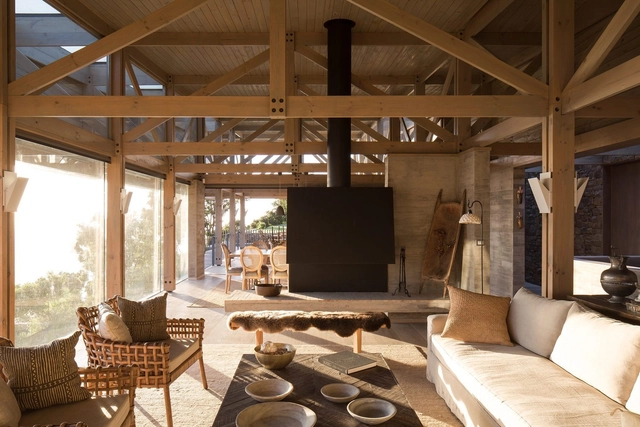
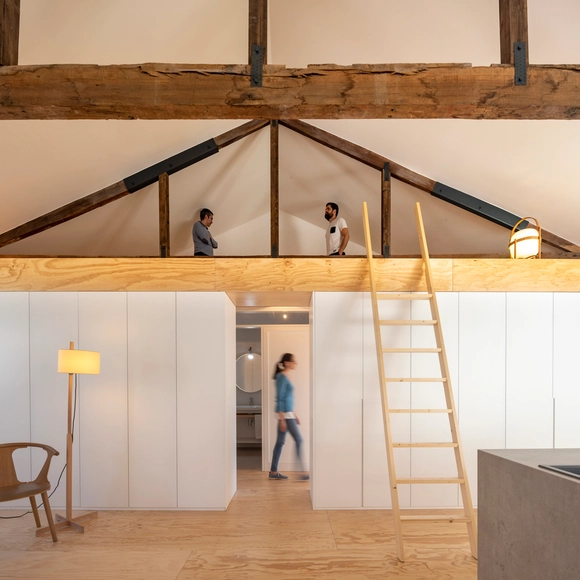
Timber trusses are wooden structural frameworks used to support roofs or other heavy structures. Fabricated from a series of triangles linked by a ridge beam and purlins, wooden trusses are structurally advantageous due to their high strength-to-weight ratios and corresponding ability to support long spans. However, these structural components can also be used for aesthetic ends, and when left exposed, can complexify, beautify, and open an interior space.
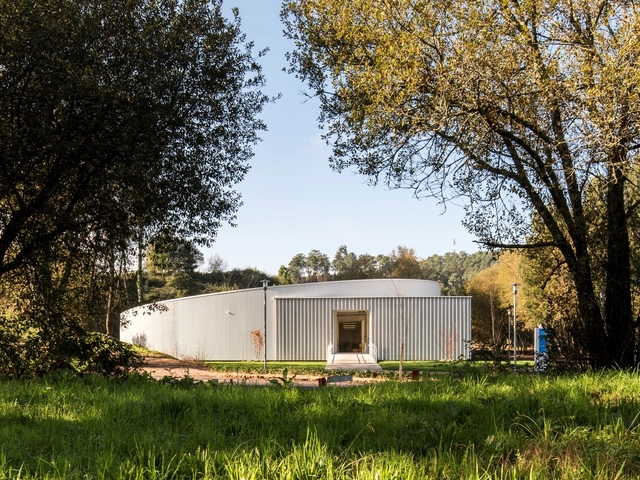
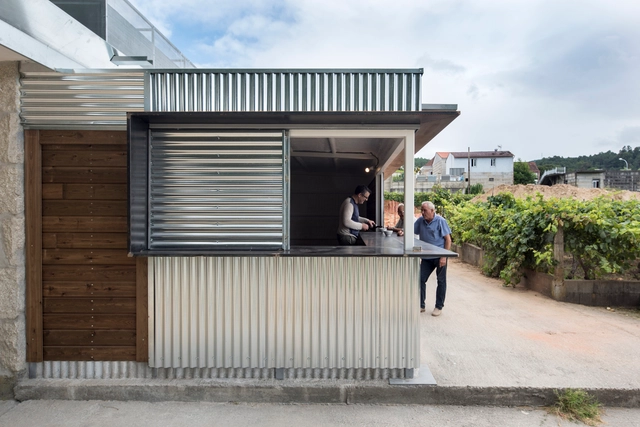
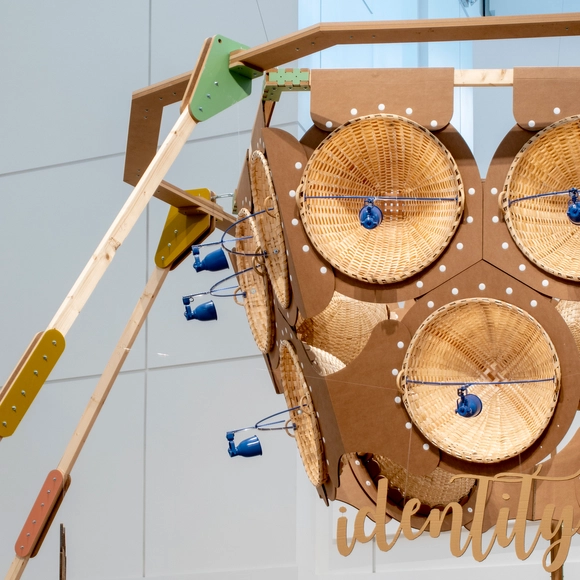
Of the two million people currently living in the region of Galicia, an estimated 5,000 work in the production and sale of crafts. Through the exhibition “Pensar coas mans. Las nuevas siete lámparas de la belleza artesanal” (Thinking with Hands: The New Seven Lamps of Craft Beauty), located at the Museo Centro Gaias in The City of Culture, Izaskun Chinchilla presents an art installation of 250 pieces. Created in collaboration with 65 artisans, the project seeks to restore the prestige of craftsmanship and prompt reflection on its collective value.




.jpg?1586919631&format=webp&width=230&height=230&crop=true)


