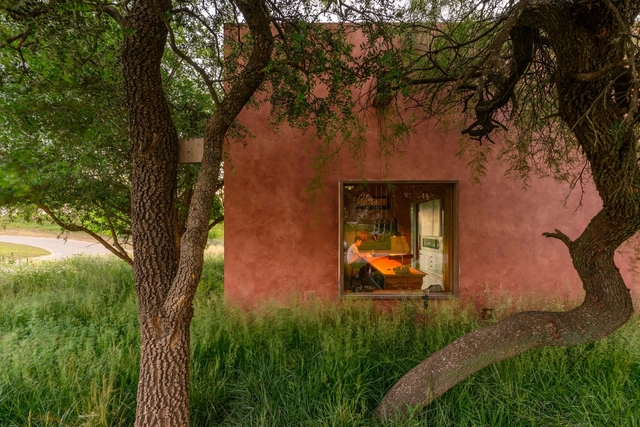
Gonzalo Viramonte
BROWSE ALL FROM THIS PHOTOGRAPHER HERE
↓
House BP / Santiago Berlotti


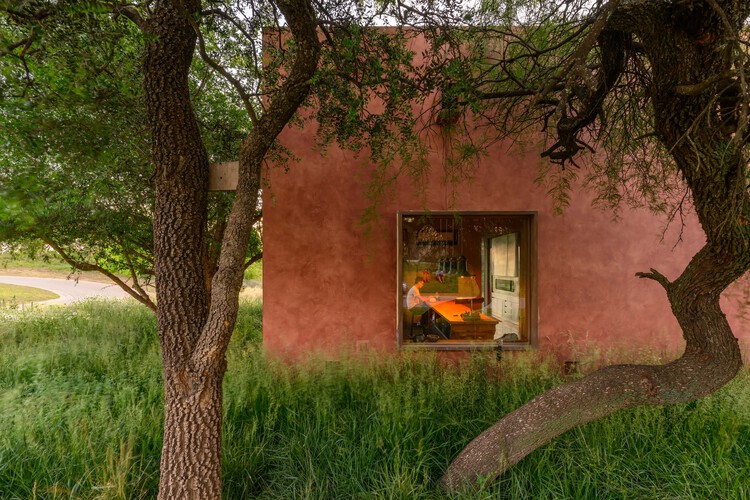
https://www.archdaily.com/1036515/house-bp-santiago-berlottiValentina Díaz
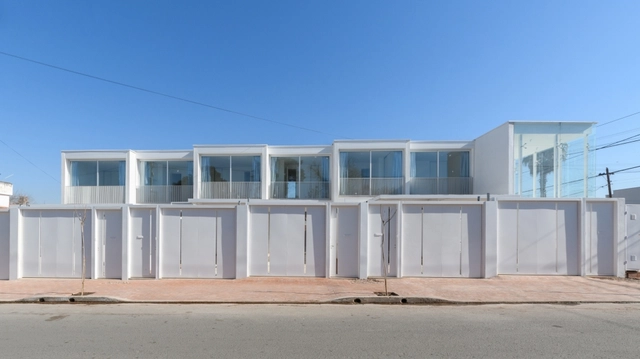
Complejo habitacional y comercial Camellia / Estudio I LZ


-
Architects: Estudio I LZ
- Area: 430 m²
- Year: 2021
-
Manufacturers: AutoDesk, Chaos Group, Masisa, Ariston, Blangino, +9
https://www.archdaily.com/967368/complejo-habitacional-y-comercial-camellia-estudio-i-lzAndreas Luco
House G / Karlen + Clemente


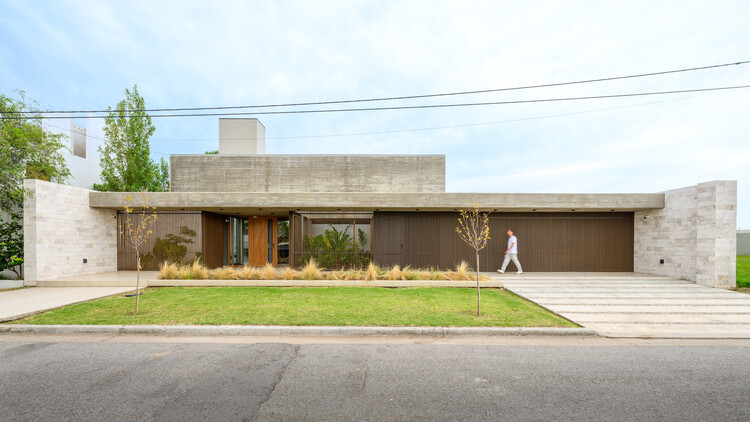
https://www.archdaily.com/1035534/house-g-karlen-plus-clementeValentina Díaz
Unpuente House / Paolini Arquitectos
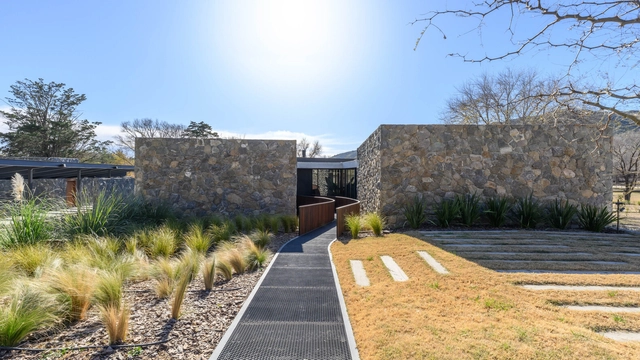


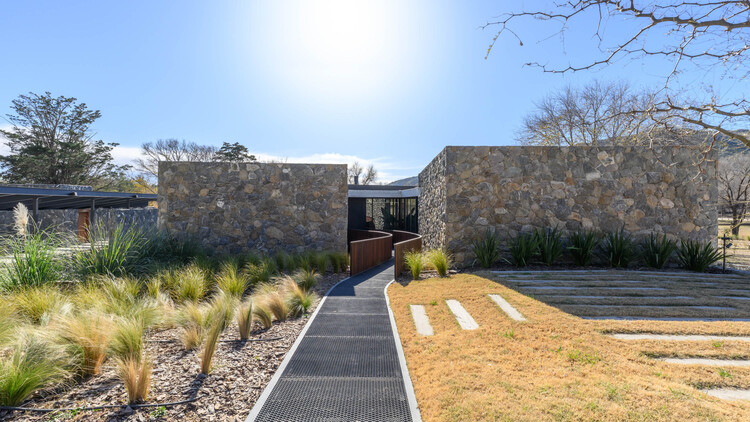
https://www.archdaily.com/1068445/unpuente-house-paolini-arquitectosValentina Díaz
S House / Rubén Valdemarín + Siuk Studio
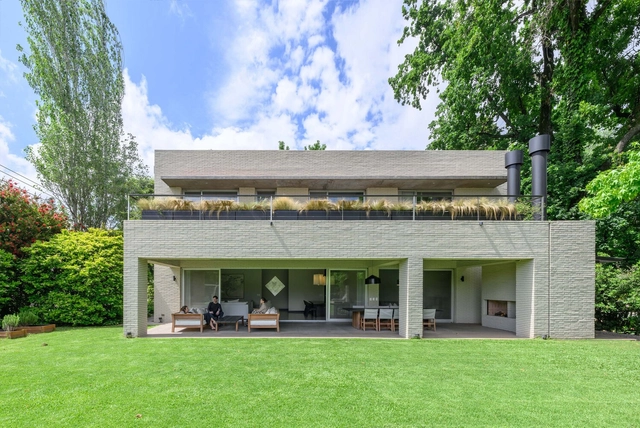


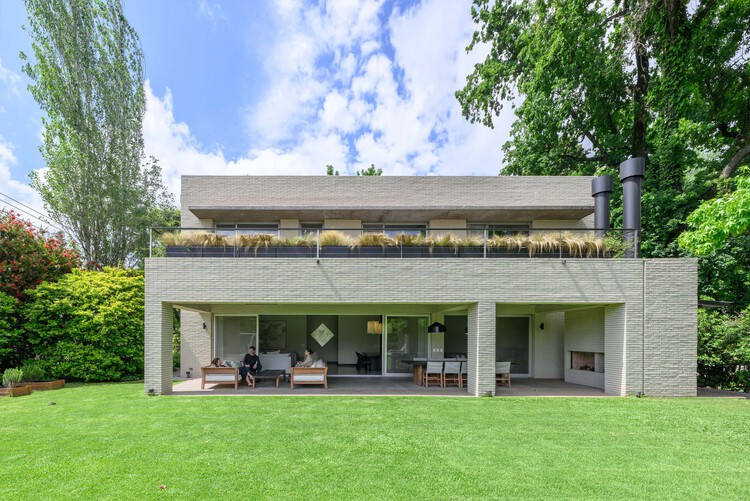
-
Architects: Rubén Valdemarín, Siuk Studio
- Area: 500 m²
- Year: 2023
-
Manufacturers: Agüero, Aldacour, Ara Desing, Ascolta, Awanay, +17
https://www.archdaily.com/1151852/s-house-ruben-valdemarin-plus-siuk-studioValentina Díaz
Fran Viñas Arquitectos Studio / FV Arquitectos
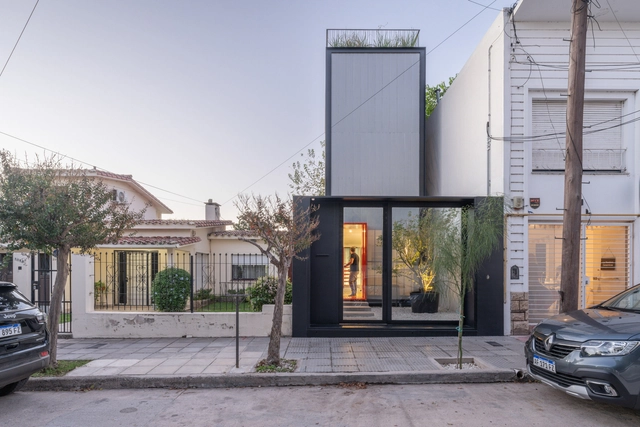


https://www.archdaily.com/1031090/fran-vinas-arquitectos-studio-fv-arquitectosAndreas Luco
Pompeya Extension / Barrionuevo Villanueva Arquitectos


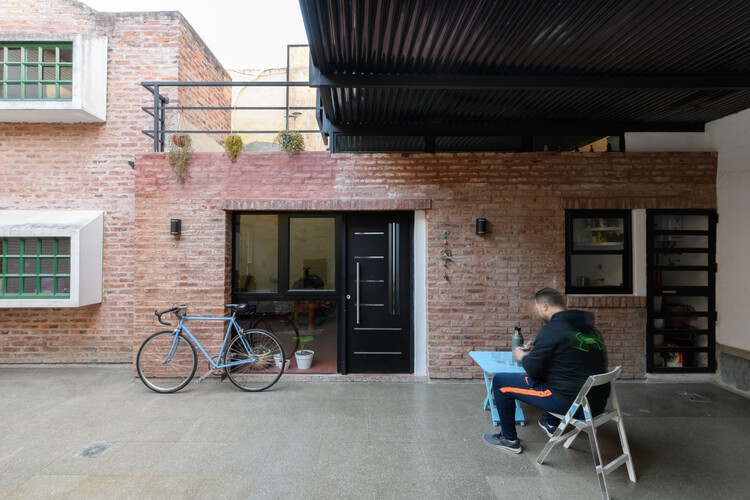
https://www.archdaily.com/1151873/pompeya-extension-barrionuevo-villanueva-arquitectosValeria Silva
The 50 Best Latin American Houses of 2024
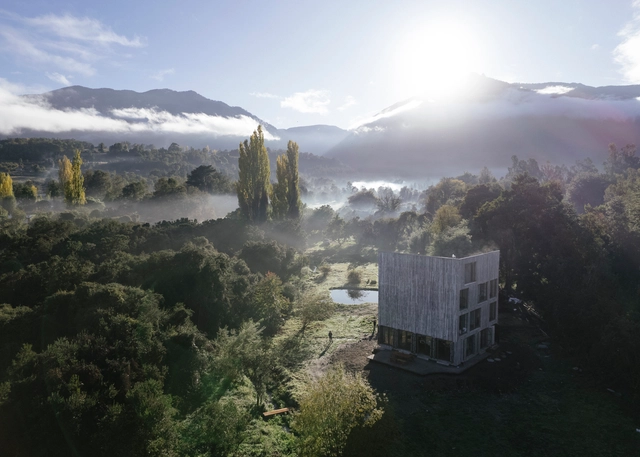
Annually, ArchDaily's curatorial team undertakes a rigorous selection process to identify exemplary projects in Latin American residential architecture. The goal is to share these works of architecture with our audience and highlight and promote good practices within contemporary architecture. This meticulous effort focuses on identifying projects that stand out for their design and their positive impact on the environment, innovative use of materials and techniques, and ability to address current needs.


https://www.archdaily.com/1025255/the-50-best-latin-american-houses-of-2024ArchDaily Team
Conventillo La Boca / Barrionuevo Villanueva Arquitectos
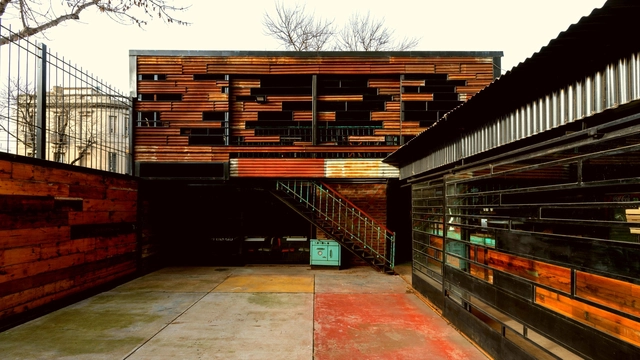


-
Architects: Barrionuevo Villanueva Arquitectos
- Area: 180 m²
- Year: 2019
-
Manufacturers: Aluminor, Dersa, Konecta, Maderera Irupé, Shap hormigones
https://www.archdaily.com/1168717/conventillo-la-boca-barrionuevo-villanueva-arquitectosPilar Caballero
RD HOUSE/ Nasjleti Arquitectos
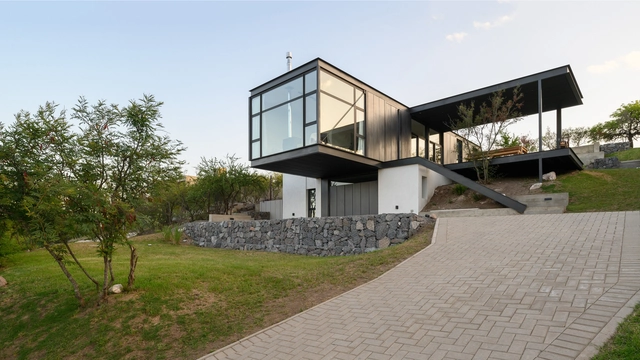


https://www.archdaily.com/1021854/rd-house-nasjleti-arquitectosValeria Silva
CGFR House / LN Arquitectura
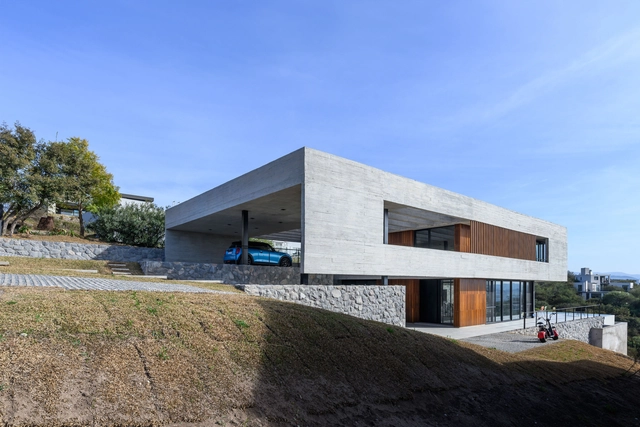


-
Architects: LN Arquitectura
- Area: 5716 ft²
- Year: 2024
-
Manufacturers: Indusparquet
https://www.archdaily.com/1020751/cgfr-house-ln-arquitecturaPilar Caballero
Integrating the Past: Contemporary Projects that Preserve Preexisting Façades

Operating in urban environments often requires us to make decisions regarding pre-existing structures. The increase in city density has directly impacted the availability of space for developing new and independent constructions, sparking debates about what stance to take toward built heritage that has become obsolete—either due to deterioration or because it no longer meets the functional needs of the contemporary population. In cases where buildings have seriously deteriorated or new projects differ greatly from the spatial possibilities an old building can offer, preserving only the façade—as an exterior envelope, almost like a superficial element—can be seen as a partial solution that allows for the preservation, in part, of the urban character of a structure if it holds some public or cultural value. The controversy arises, certainly, from the lack of relationship or connection between the transformed interior and the preserved exterior.
https://www.archdaily.com/1020188/integrating-the-past-contemporary-projects-that-preserve-preexisting-facadesBelén Maiztegui
Villa 471 / Estudio Autónomo Arquitectura
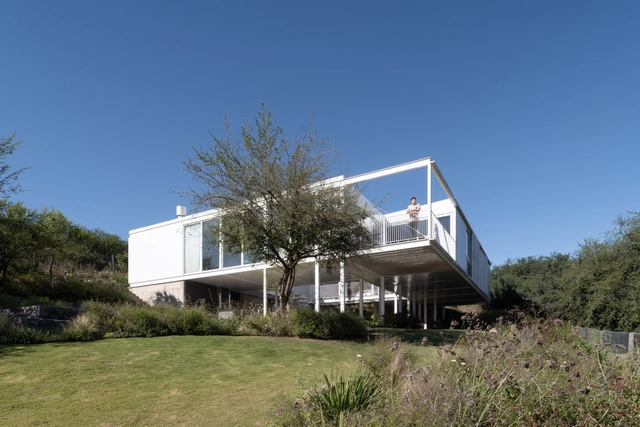


https://www.archdaily.com/1017105/villa-471-estudio-autonomo-arquitecturaPilar Caballero
Architectural Modules: Implementation and Adaptability in the Latin American Landscape
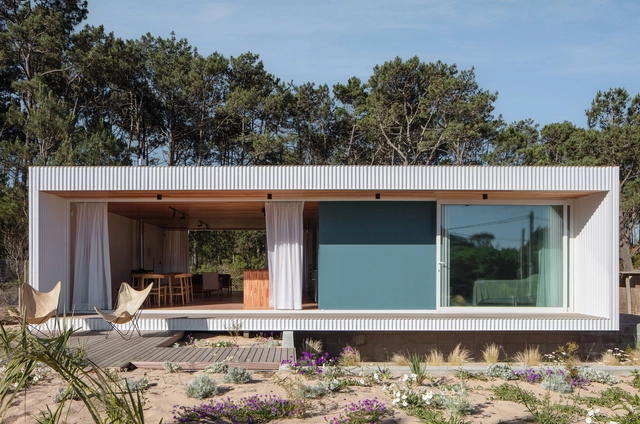
How can industrialization and environmental responsibility go hand in hand? What siting, technological, or constructive strategies can be developed without harming the surrounding landscape? The application of modular design in architecture has been in practice for years, with a history involving the pursuit of standardization and modular coordination among materials, products, and more. Over time, it has been complemented by various environmental, sustainable, ecological, and economic factors to achieve the adaptability and functionality desired by its inhabitants.
https://www.archdaily.com/1015564/architectural-modules-implementation-and-adaptability-in-the-latin-american-landscapeAgustina Iñiguez
Concrete Blocks in Architecture: How to Build With This Modular and Low-Cost Material
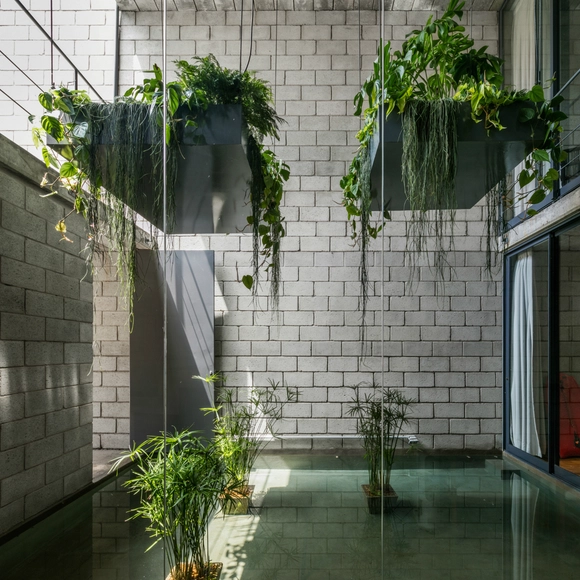
Concrete blocks are prefabricated materials primarily used for constructing walls. Similar to bricks, these blocks are stacked together and bonded with mortar, typically composed of cement, sand, and water. They are hollow inside to accommodate steel bars and mortar filling.
These blocks are available in a variety of dimensions and textures, ranging from traditional smooth surfaces to fluted or rough finishes. Additionally, there are special units designed for corners or beams with longitudinal reinforcements. The dimensions vary, from the classic 8x8x16 inches (approximately 19x19x39 cm) intended for structural use, to a size of 8x3.5x39 inches (approximately 19x9x39 cm) for partitioning walls. How can we creatively incorporate them into our designs?
https://www.archdaily.com/889657/concrete-blocks-in-architecture-how-to-build-with-this-modular-and-low-cost-materialJosé Tomás Franco
pb House/ A+R Mondejar Arquitectos
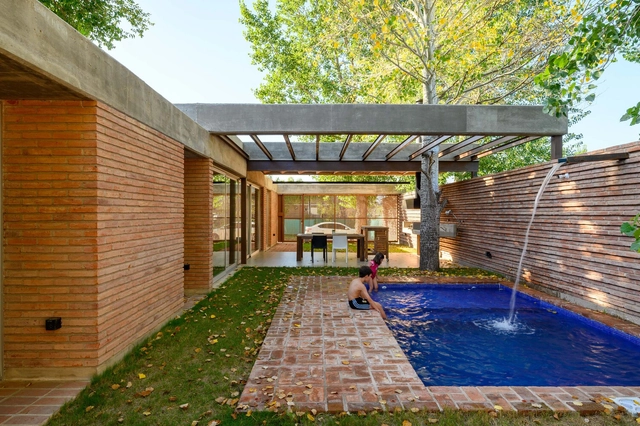


https://www.archdaily.com/1014825/pb-house-a-plus-r-modejar-arquitectosValeria Silva
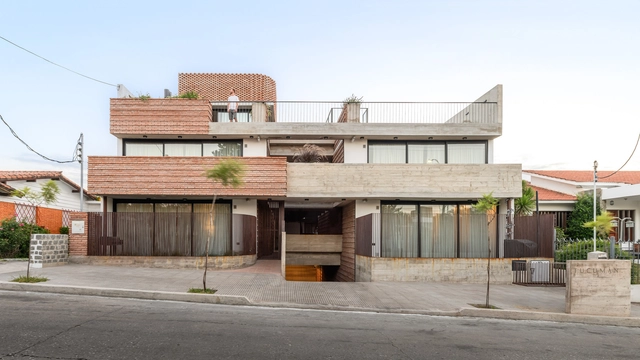


The Use of Natural Stone in Contemporary Argentinian Architecture
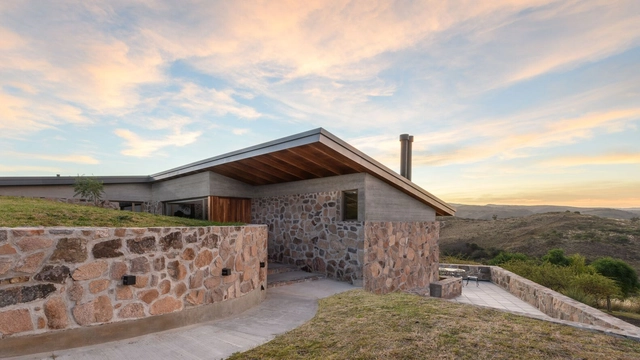
From Tafí del Valle to San Carlos de Bariloche, the implementation of natural stone in contemporary Argentine architecture reveals the decisions of architects seeking to maintain a dialogue with their surrounding environment and highlight the purity of materials. While stone is one of the oldest building materials, enduring throughout history, its application in homes in Uruguay, Brazil, and Mexico highlights different characteristics in terms of textures, shapes, shades, and patterns.
https://www.archdaily.com/1013648/the-use-of-natural-stone-in-contemporary-argentinian-architectureAgustina Iñiguez