Benny Chan

BROWSE ALL FROM THIS PHOTOGRAPHER HERE

Can Anyone Win in Architecture Criticism? An Appeal for a "New Sincerity"

In the mid-1980s, after literature had long been held hostage by postmodernist irony and cynicism, a new wave of authors called for an end to negativity, promoting a "new sincerity" for fiction. Gaining momentum into the 1990s, the movement reached a pinnacle in 1993 when, in his essay E Unibus Pluram: Television and U.S. Fiction, pop-culture seer David Foster Wallace, a proponent of this "new sincerity," made the following call to action: “The next real literary ‘rebels’ in this country might well emerge as some weird bunch of anti-rebels, born oglers who dare somehow to back away from ironic watching, who have the childish gall actually to endorse and instantiate single-entendre principles... These anti-rebels would be outdated, of course, before they even started. Dead on the page. Too sincere. Clearly repressed. Backward, quaint, naive, anachronistic. Maybe that’ll be the point. Maybe that’s why they’ll be the next real rebels. Real rebels, as far as I can see, risk disapproval. The old postmodern insurgents risked the gasp and squeal: shock, disgust, outrage, censorship, accusations of socialism, anarchism, nihilism. Today’s risks are different. The new rebels might be artists willing to risk the yawn, the rolled eyes, the cool smile, the nudged ribs, the parody of gifted ironists, the ‘Oh how banal.'"

Architecture, ever in debt to the styles and ideas of other art forms, could learn a thing or two now from the resuscitation of American fiction at the turn of the millennium. It too is enduring an identity crisis, mired by pessimism and uncertainty - a reality made painfully clear this past January when a New York Times Op-Ed by Steven Bingler and Martin C. Pedersen, How to Rebuild Architecture, divided camps and made the design world fume. In the editorial, the authors spoke vehemently of an architectural profession that has become mired by egos and been disconnected from public needs. Things quickly got ugly, critics wrestled with critics and subsequently the public got involved. What no one seemed to take into account is that this type of hounding is at the core of the problem. In its current landscape the discipline has struggled with its past, been deferential to its present, and wrestled with the uncertainty of its future. In a moment when we have become addicted to despondency, can anyone win?

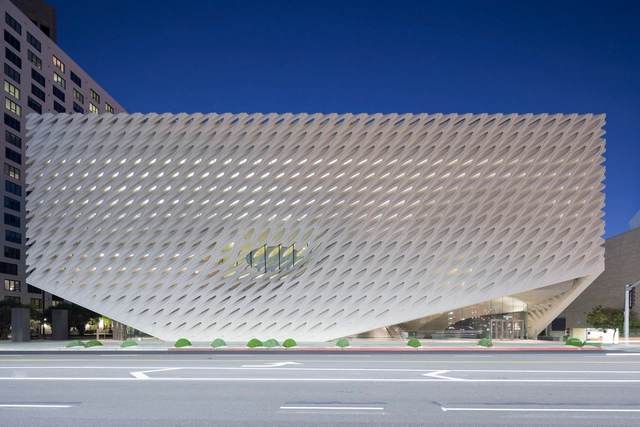
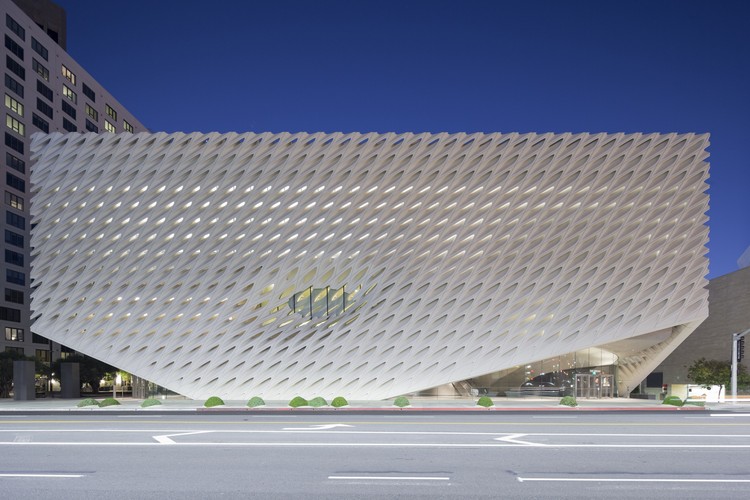
The Broad Museum / Diller Scofidio + Renfro

The Broad Museum / Diller Scofidio + Renfro - More Images+ 15

Los Angeles, United States

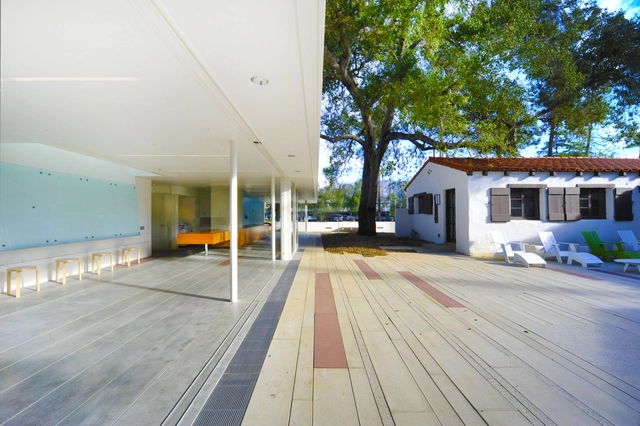
Keck Institute for Space Studies / Lehrer Architects

Keck Institute for Space Studies / Lehrer Architects - More Images+ 6

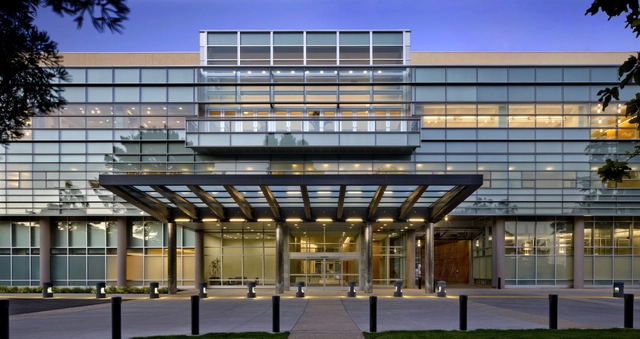
Museum of Tolerance, Anne Frank Exhibit / Yazdani Studio of CannonDesign

Museum of Tolerance, Anne Frank Exhibit / Yazdani Studio of CannonDesign - Museums & Exhibit , Lighting
© Benny Chan

Museum of Tolerance, Anne Frank Exhibit / Yazdani Studio of CannonDesign - More Images+ 10

Cedars-Sinai 360 Simulation Lab / Yazdani Studio of CannonDesign

Cedars-Sinai 360 Simulation Lab / Yazdani Studio of CannonDesign - More Images+ 8

Los Angeles, United States

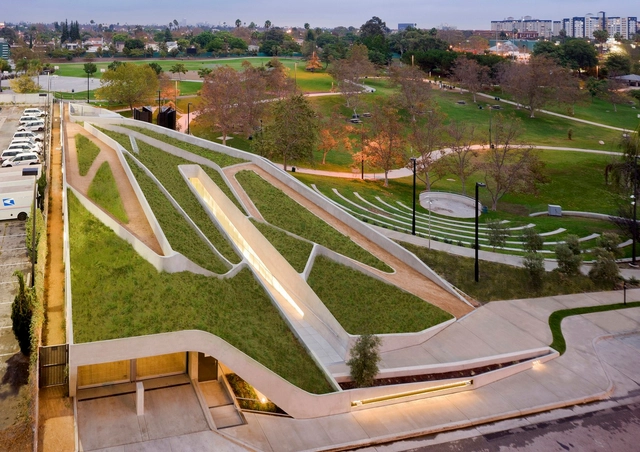
Los Angeles Museum of the Holocaust / Belzberg Architects

Los Angeles Museum of the Holocaust / Belzberg Architects - More Images+ 41

Los Angeles, United States
  • Area Area of this architecture project Area:  27000
  • Year Completion year of this architecture project Year:  2010
  • Manufacturers Brands with products used in this architecture project
    Manufacturers:  Assa Abloy, C.R. Laurence, Terrazzo & Marble, Atlas Schindler, Bega, +53

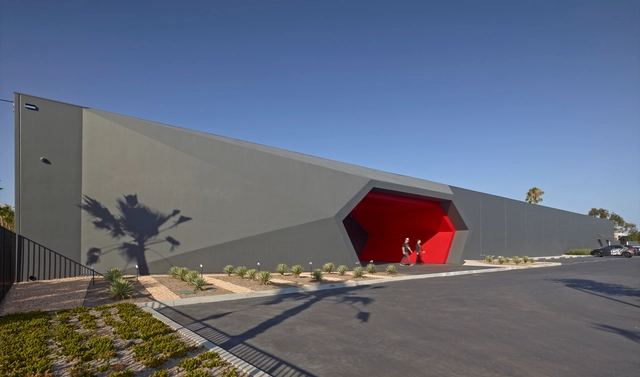
Fox Head / Clive Wilkinson Architects

Fox Head / Clive Wilkinson Architects - More Images+ 19

Three Arup Specialists Share Their Vision of The Future of Healthcare Design

Subscriber Access | 

This interview was originally posted on Arup Connect and titled "Global perspectives on the future of healthcare design".

In the last few decades, rapid advances in both medical and consumer technologies have created revolutionary possibilities for every aspect of healthcare, from prevention to diagnosis to treatment and beyond. From DNA-based preventative care to digital appointments with doctors thousands of miles away, the future holds enormous potential for improving longevity and quality of life for people around the world.

These dynamics present significant challenges for designers working to shape a built environment that will meet healthcare needs both today and in the future. We spoke with Arup experts from around the globe — Phil Nedin, who heads the firm’s global healthcare business from London; Bill Scrantom, the Los Angeles-based healthcare leader for North and South America; and Katie Wood, who recently relocated from Australia to Toronto to build the Canadian practice — to learn more.

Point Dume Residence / Griffin Enright Architects

Point Dume Residence / Griffin Enright Architects - More Images+ 26

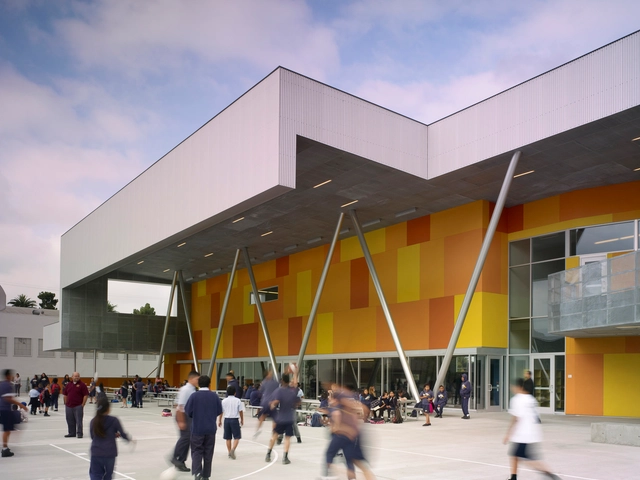
St. Thomas the Apostle School / Griffin Enright Architects

St. Thomas the Apostle School / Griffin Enright Architects - More Images+ 7

Los Angeles, United States

Abbot Kinney Residence / Dennis Gibbens Architects

Abbot Kinney Residence / Dennis Gibbens Architects - More Images+ 24

King Residence / John Friedman Alice Kimm Architects

King Residence / John Friedman Alice Kimm Architects - More Images+ 22

Santa Monica, United States

Graduate Aerospace Laboratories / John Friedman Alice Kimm Architects

Graduate Aerospace Laboratories / John Friedman Alice Kimm Architects - More Images+ 12

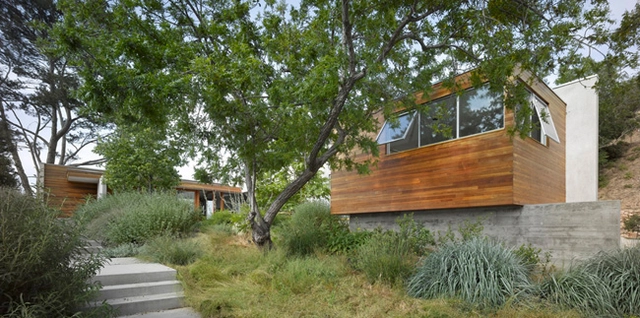
Hidden House / Standard

Hidden House / Standard - More Images+ 12

Los Angeles, United States
  • Architects: Standard
  • Area Area of this architecture project Area:  325
  • Year Completion year of this architecture project Year:  2009

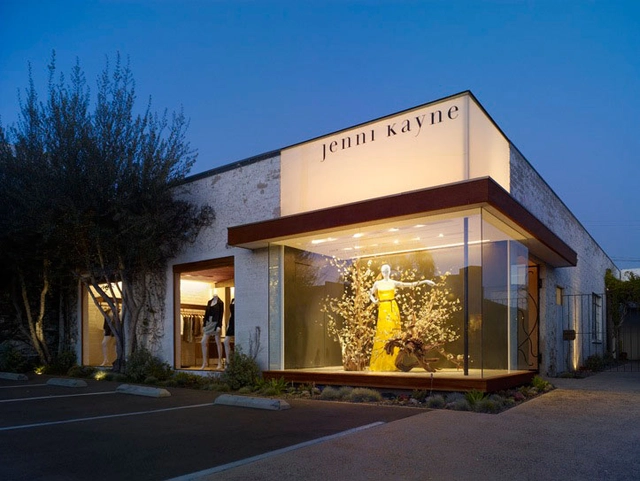
Jenni Kayne boutique / Standard

Jenni Kayne boutique / Standard - More Images+ 17

West Hollywood, United States
  • Architects: Standard
  • Area Area of this architecture project Area:  223
  • Year Completion year of this architecture project Year:  2007

Tree house / Standard

Tree house / Standard - More Images+ 8

Los Angeles, United States
  • Architects: Standard
  • Area Area of this architecture project Area:  167