




-
Architects: Moke Architecten
- Area: 250 m²
- Year: 2023
-
Manufacturers: Saint-Gobain, Bluemink, Heko Spanten, Willem Designvloeren
-
Professionals: Van der Linden Construction Advice, Engen Construction Company
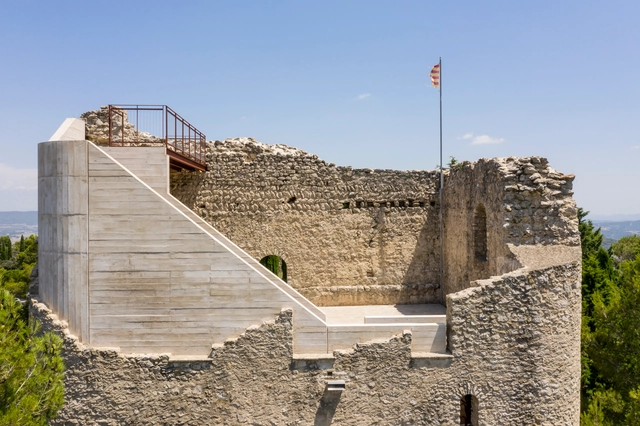
In the whirlwind of daily life, a large majority of urban centers transform to accommodate new functions and/or needs demanded by their populations, seeking to improve, renovate, or update the infrastructures, equipment, networks, and spaces that enable community life. Although times change, and with them, many buildings that once served important protective or sheltering functions start to become obsolete. However, the heritage they leave behind reflects the passage of time and provides a living testimony of their history, contributing to the consolidation of identity and the recognition of a sense of belonging.

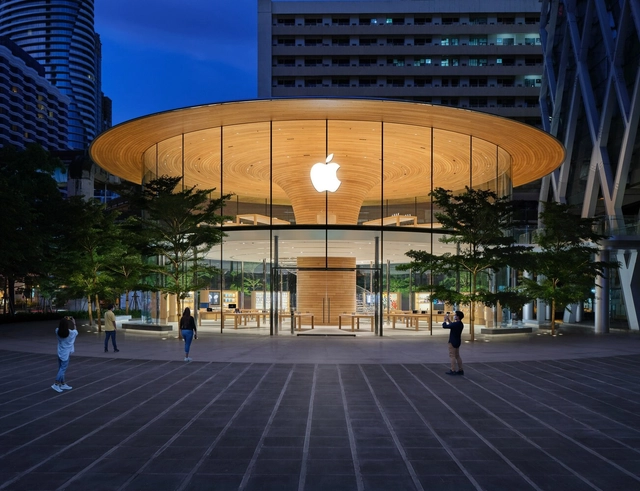
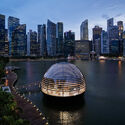
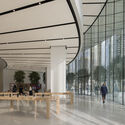
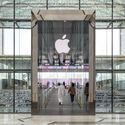
In 2001, Apple issued its Retail Store Manifesto, proclaiming its ambition to use retail to convince people that “Macintosh offers a much simpler, richer, and more human-centered computing experience” despite retail stores being unpopular among technology companies at the time. This vision has shaped Apple’s unique approach to retail, transforming its stores into environments beyond shopping. Since the inception of its first store, Apple has redefined the retail experience, emphasizing customer engagement and education and creating a community around its products. The stores “have become the embodiment of the Apple lifestyle.” This is done through products displayed on tables for easy access and mid-height furniture clusters in an open plan to foster interaction and visual orientation within the more prominent “Apple community.”