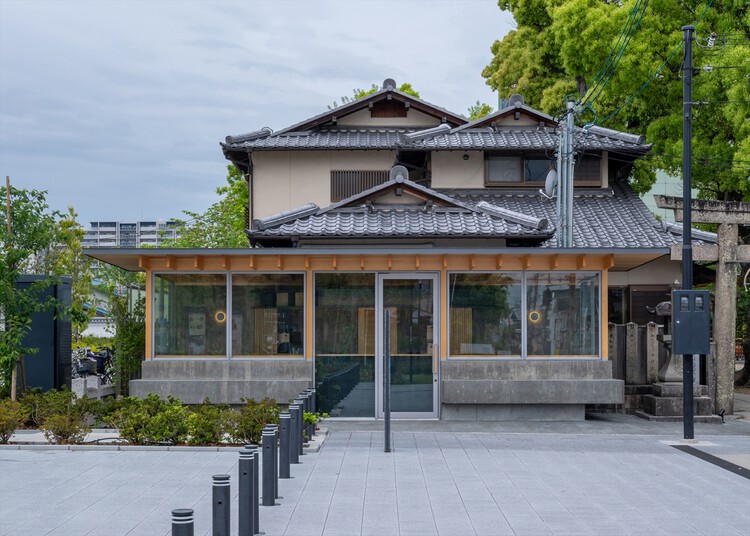



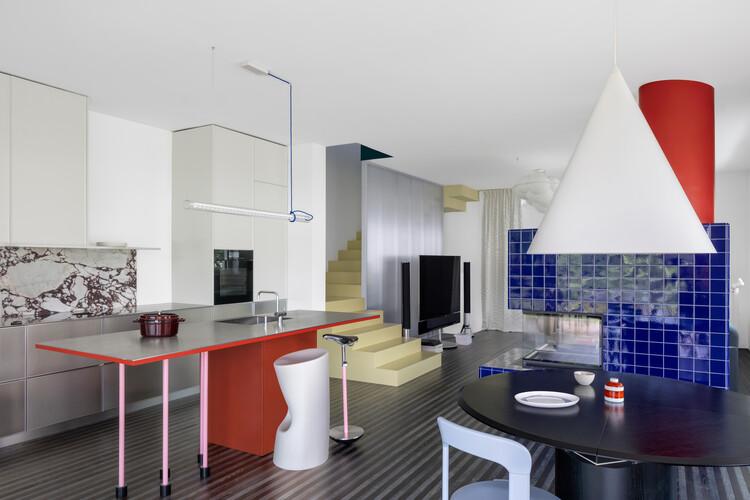
-
Architects: alto design studio
- Area: 240 m²
- Year: 2026

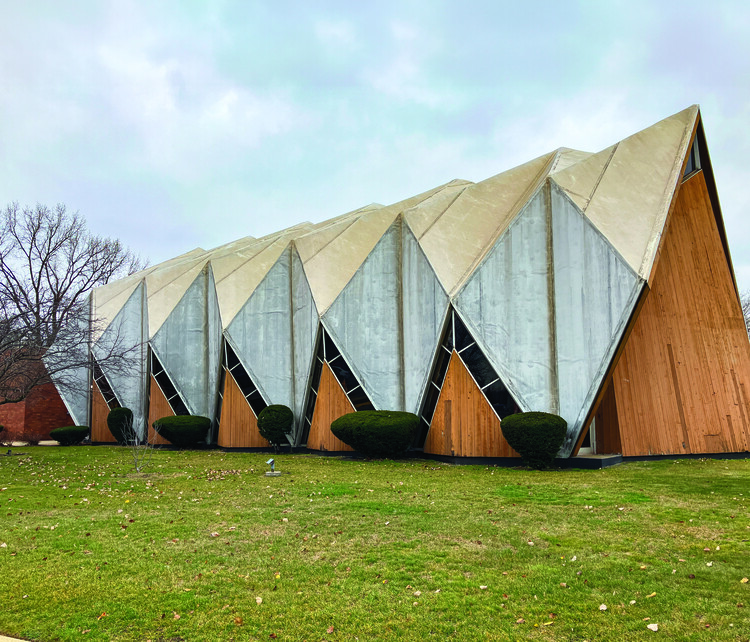
The Getty Foundation's Conserving Black Modernism initiative is a program dedicated to preserving and celebrating the architectural contributions of African American architects in the Modernist movement across the United States. It was launched in 2022 as part of the National Trust's African American Cultural Heritage Action Fund, the largest preservation campaign to support the longevity of African American sites. Established initially as a two-year initiative, it has since expanded to support 26 historic modern sites and is launching its fourth funding cycle this year. The grants are given to support conservation planning, professional training, and storytelling across a diverse array of building types in 17 states and D.C., including academic, spiritual, residential, civic, cultural, and commercial sites of historic importance.

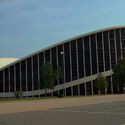
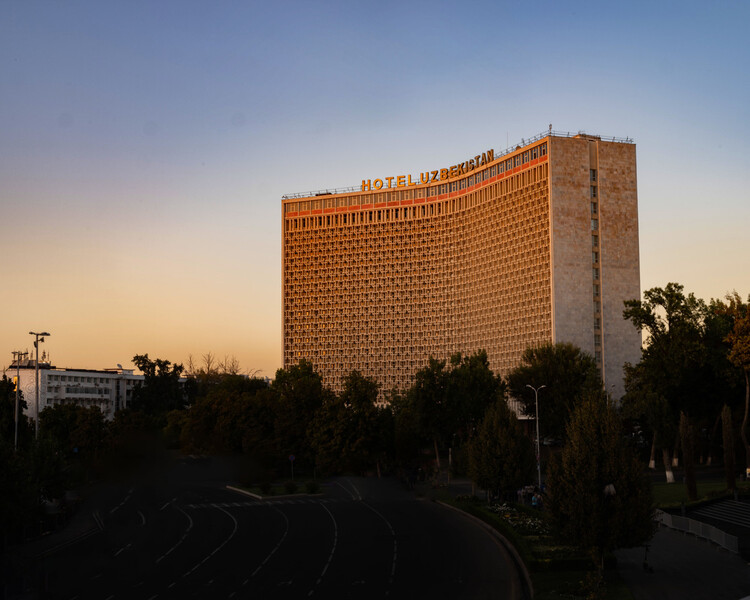
Over the last decade, Uzbekistan has done what most post-Soviet countries still hesitate to do: it formally included dozens of modernist buildings constructed between 1960 and 1980 on its national cultural heritage list. Among them were the Panoramic Cinema, the Tashkent Circus, and the Palace of Peoples' Friendship—structures that, until just a few years ago, were viewed as routine, recent Soviet architecture lacking heritage status.
This decision, however, points to a challenge shared by almost every heritage system worldwide: how to legally protect architecture that has not yet reached the minimum age—formal or informal—to be considered "historic"?


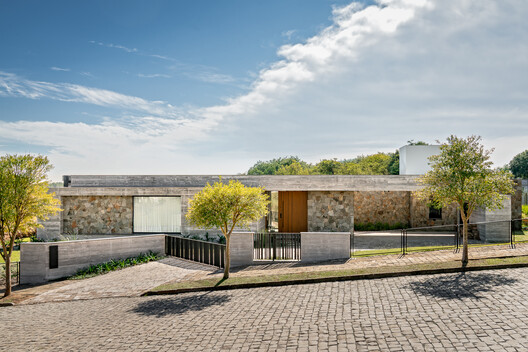

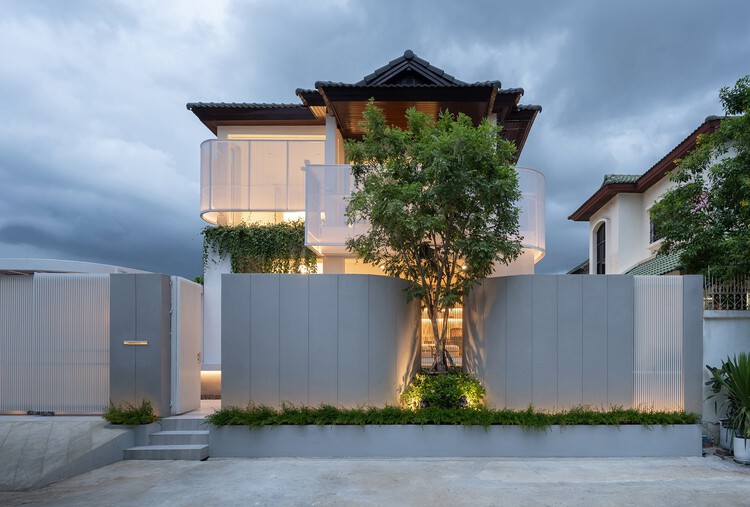
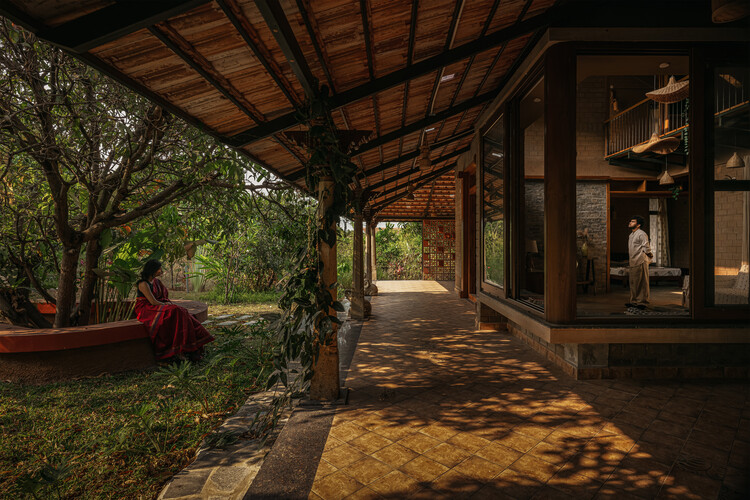
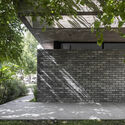
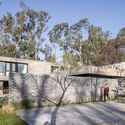
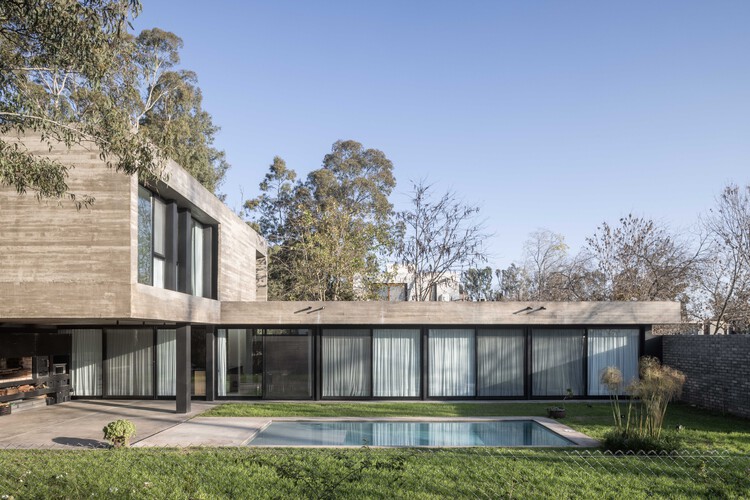
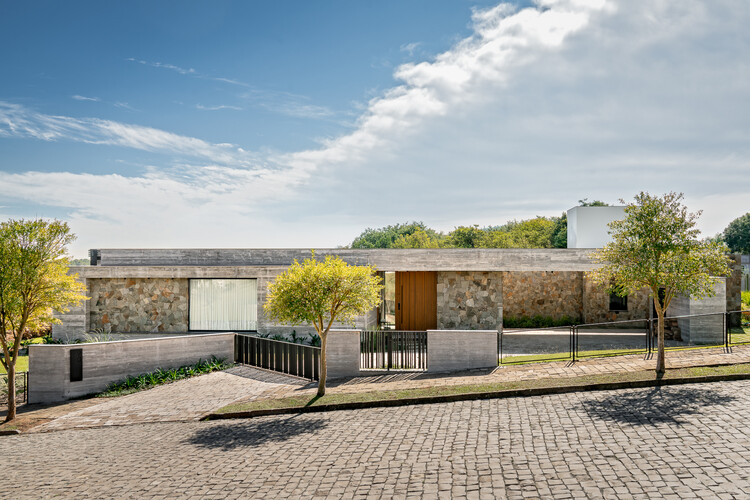
A composition of public and private spaces discreetly distances the house from the street beneath a series of horizontal planes. By overlapping these planes, the interior space expands outward while maintaining a sense of enclosure. A massive cantilever over the porch extends three meters from its nearest structural support.


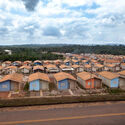
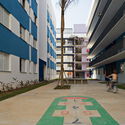
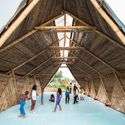
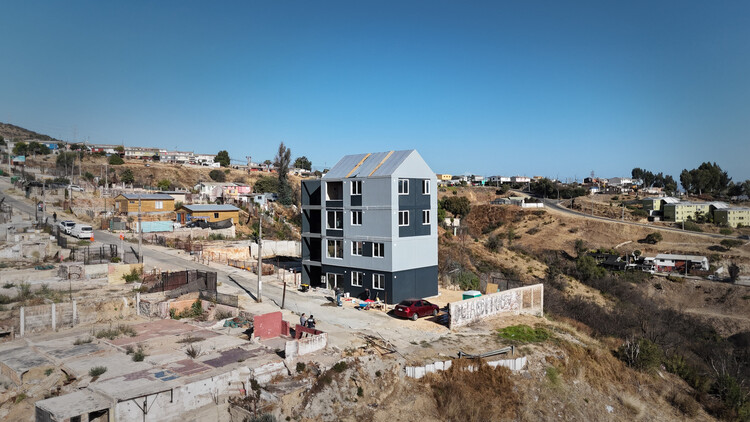
Displacement is usually understood through movement: the moment people are forced to move from one place to another. Yet from an architectural perspective, that movement is only the beginning of what comes next. A house may need to be rebuilt, an entire community relocated, or everyday life reestablished somewhere completely new. What is lost through displacement is not always something architecture can simply replace.
This question is particularly relevant in Latin America, where displacement has shaped communities under different circumstances and at different scales. What happens afterward depends on why people were forced to move, whether they can return, and what remains of the places they inhabited. Some communities rebuild within familiar surroundings. Others must establish everyday life somewhere new. These differences shape what architecture is being asked to do.