
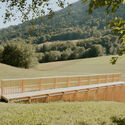
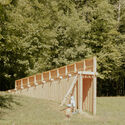
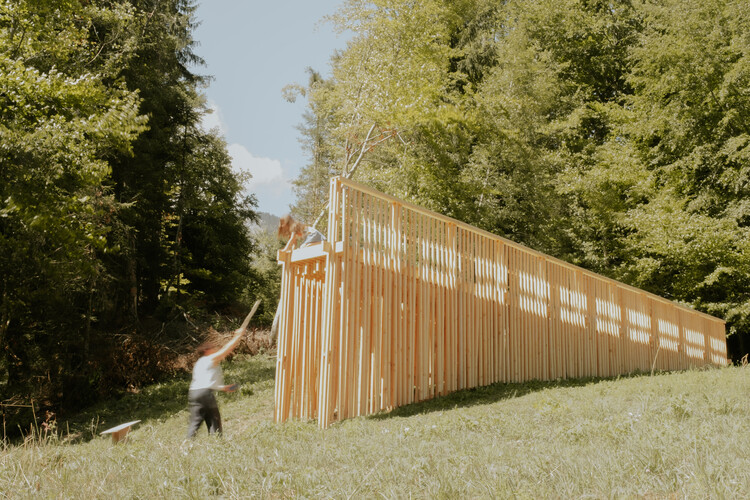
The Sound of Wood / Antoine Aunave, Flora Peyrot, Mathilde Steenhaut, Luc Loviton
https://www.archdaily.com/1185117/the-sound-of-wood-antoine-aunave-flora-peyrot-mathilde-steenhaut-luc-lovitonCristina Popescu
The Sacred Ordinary: Studio Ghibli and the Ritual of Coming Home

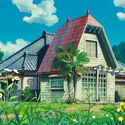
Every evening when we get home, without ceremony, we perform a small rite. We arrive at a door, we open it, and we step through into a space that belongs to us in a way no other space does. It is such a mundane act that we rarely notice it has a structure at all, and yet philosophers and anthropologists have written entire books describing these psychological structures. Interestingly, visual works such as the animated worlds of Studio Ghibli seem to reflect this dynamic to create worlds which contain architecture and layouts that provide a path to escape by tapping into our memories in a legible yet enchanted form.




https://www.archdaily.com/1185096/the-sacred-ordinary-studio-ghibli-and-the-ritual-of-coming-homeMoises Carrasco
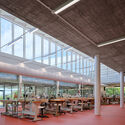
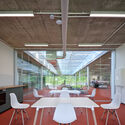
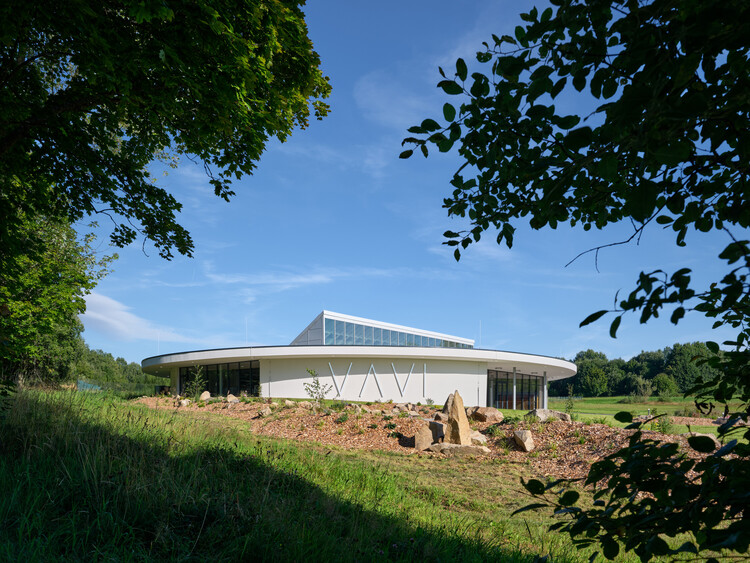
The Button - VAVI Manufacturing Facilities and Headquarters / Mjölk architekti

https://www.archdaily.com/1185255/the-button-vavi-manufacturing-facilities-and-headquarters-mjolk-architektiAndreas Luco
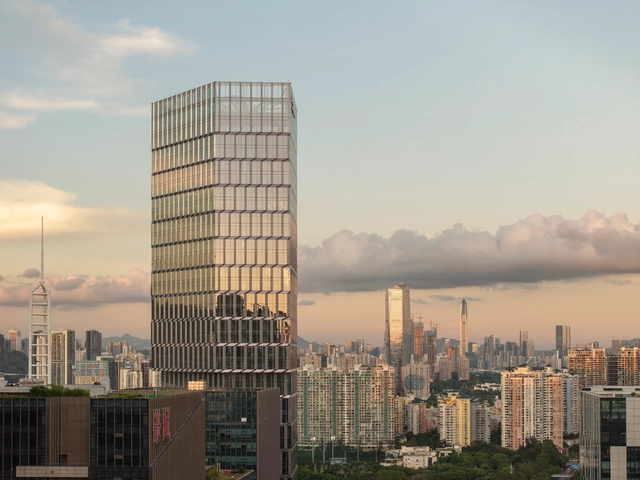




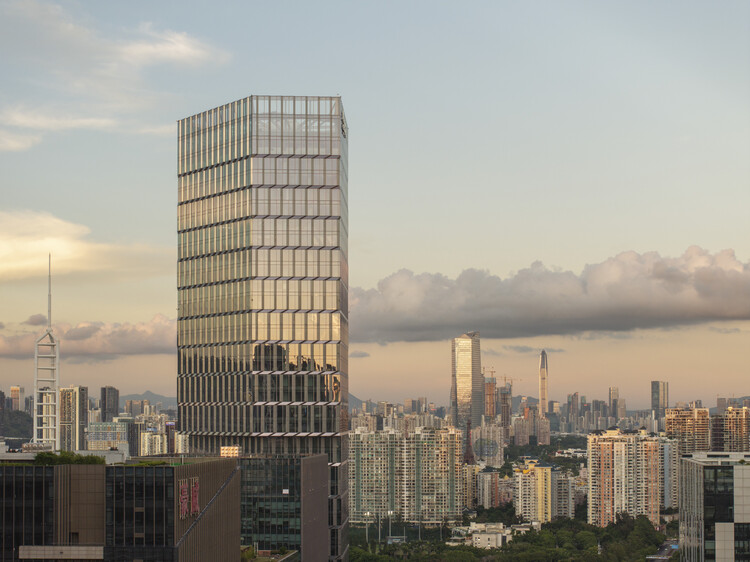
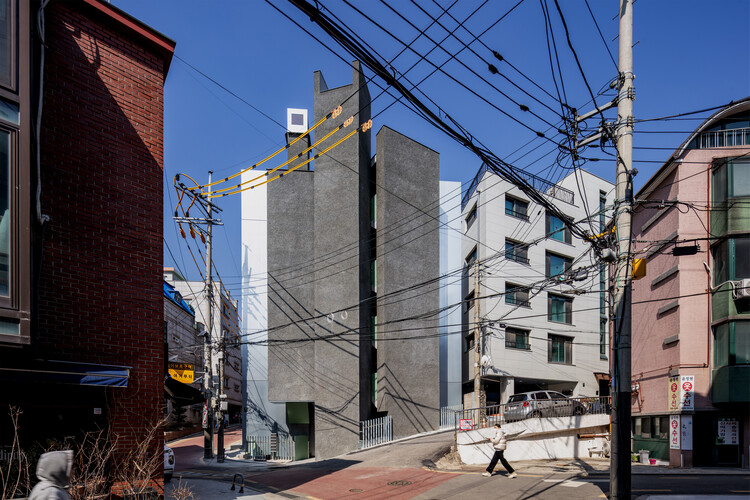
Bangbae Geunsaeng Neighbourhood Facility / aoa architects

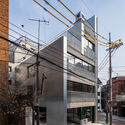
-
Architects: aoa architects
- Area: 494 m²
- Year: 2026
https://www.archdaily.com/1185199/bangbae-geunsaeng-neighbourhood-facility-aoa-architectsPratik Mour
Phan Chau Trinh Sports Hall / scale50

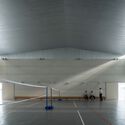
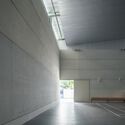
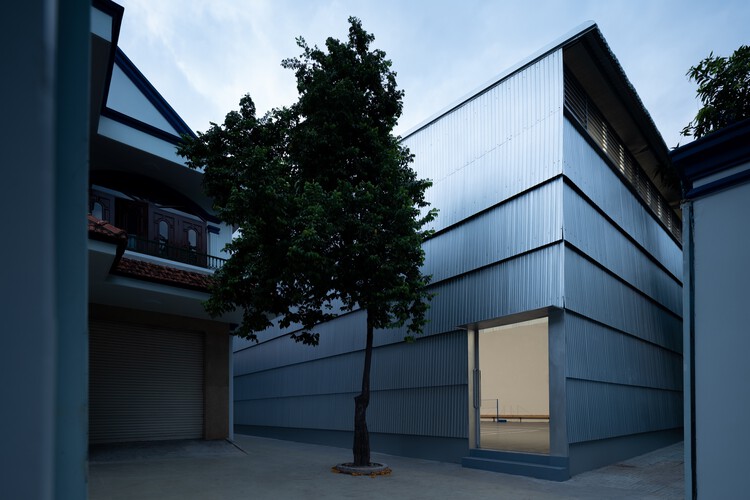
https://www.archdaily.com/1185207/phan-chau-trinh-sports-hall-scale50Pratik Mour
Cella House / iHouse estudio

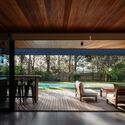
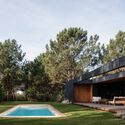
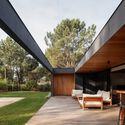
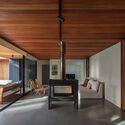
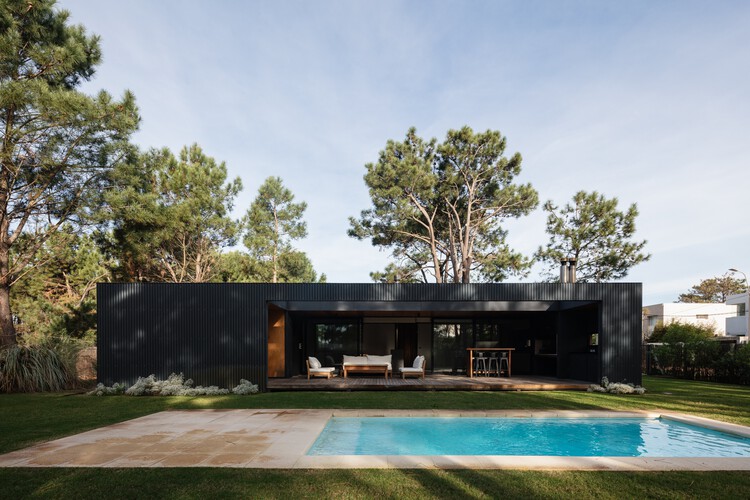
-
Architects: iHouse estudio
- Area: 145 m²
- Year: 2022
-
Manufacturers: Aluminions del Uruguay, Bia, Maguinor Maderas, Manto, SILESTONE
https://www.archdaily.com/1185405/cella-house-ihouse-estudioValentina Díaz
Cayucos Ridge Barn / Clayton Korte

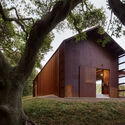
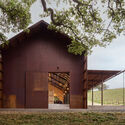
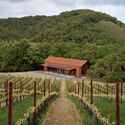
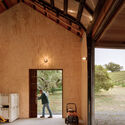
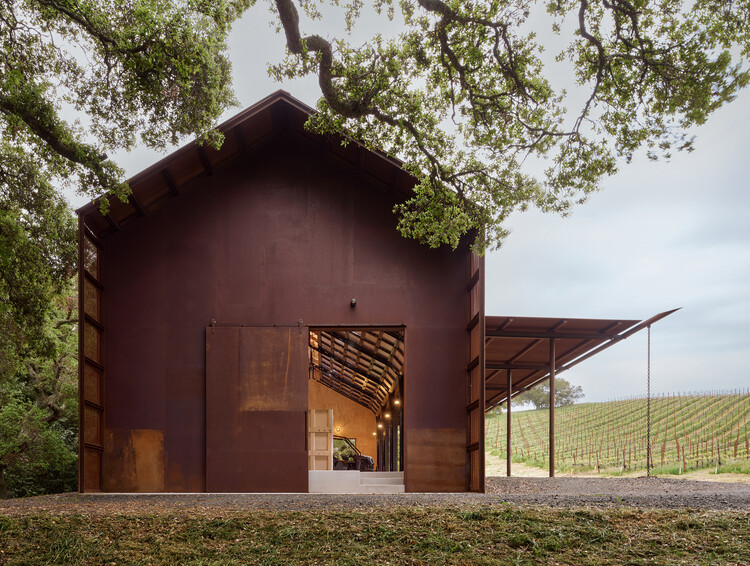
-
Architects: Clayton Korte
- Area: 4315 ft²
- Year: 2025
https://www.archdaily.com/1185167/cayucos-ridge-barn-clayton-korteNana Dokua
Powerwall / Studio RAP



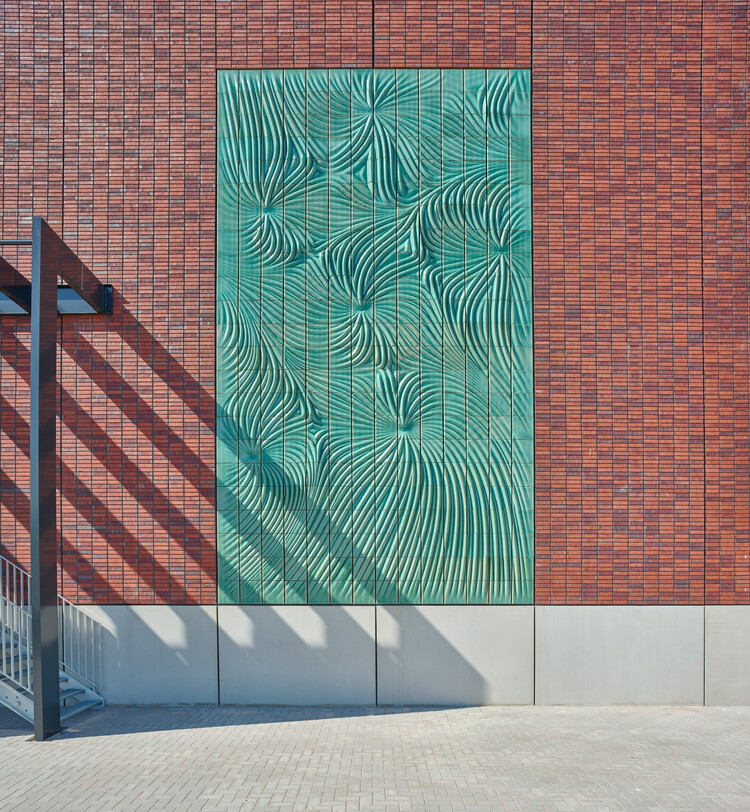
-
Architects: Studio RAP
- Area: 40 m²
- Year: 2026
https://www.archdaily.com/1185056/powerwall-studio-rapNina Vuga
Green by Law? Rethinking Sustainability and Architectural Responsibility Across Borders

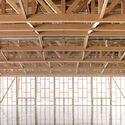
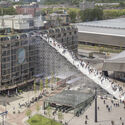
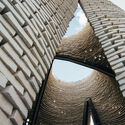
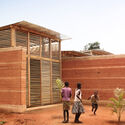
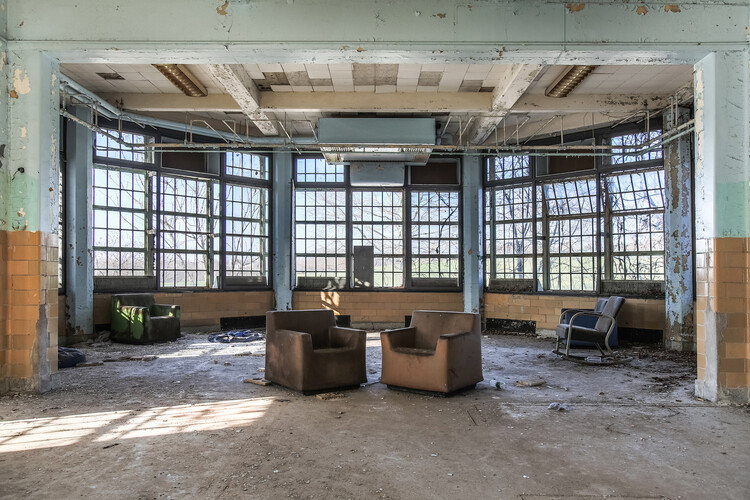
Sustainability in architecture is often discussed as though it were a universal standard—and, in principle, it should be. Buildings are increasingly evaluated through energy performance, embodied carbon, certification systems, material efficiency, biodiversity, and whole-life impact. Yet the rules determining what must actually be done remain highly local. A project designed in London, New York, or Copenhagen may be shaped by stringent energy codes, environmental review, disclosure requirements, planning controls, and increasingly ambitious carbon targets. The same practice working elsewhere may encounter a very different regulatory landscape.
This creates a difficult question for international architecture: when sustainability is not enforced to the same degree by law, what standards should architects carry with them?
https://www.archdaily.com/1185095/green-by-law-rethinking-sustainability-and-architectural-responsibility-across-bordersJonathan Yeung
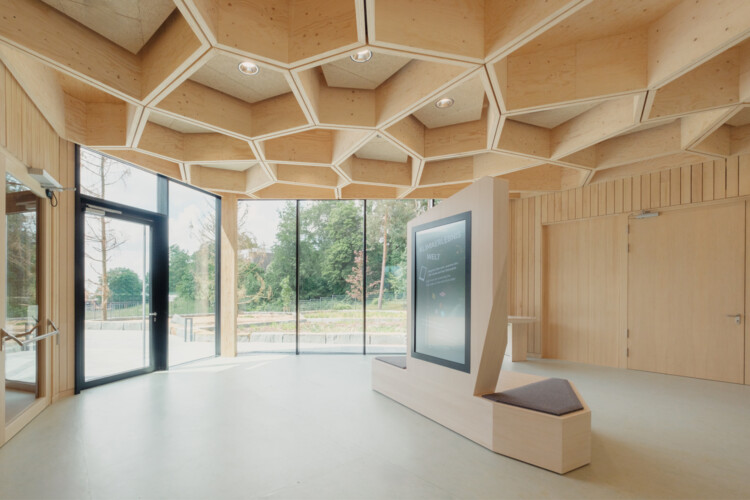
Climate Experience World Visitor Center / DBCO


https://www.archdaily.com/1185116/climate-experience-world-visitor-center-dbcoNina Vuga
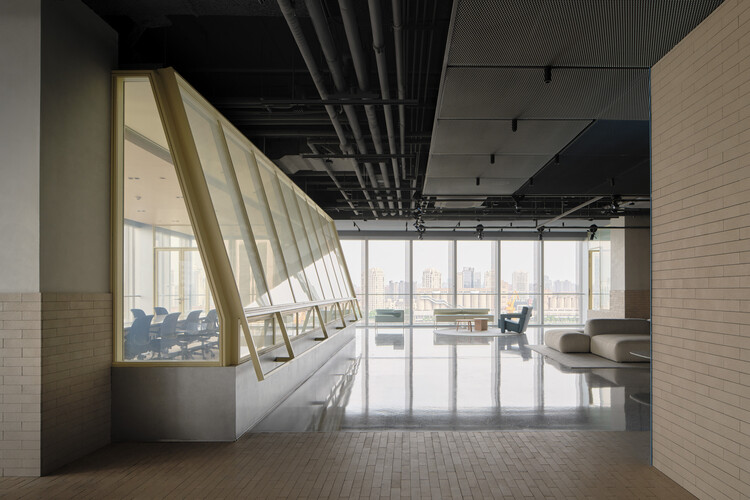
Bothaus Coffee - Sudo Developer Center / HCCH Studio

https://www.archdaily.com/1185091/bothaus-coffee-sudo-developer-center-hcch-studioPilar Caballero
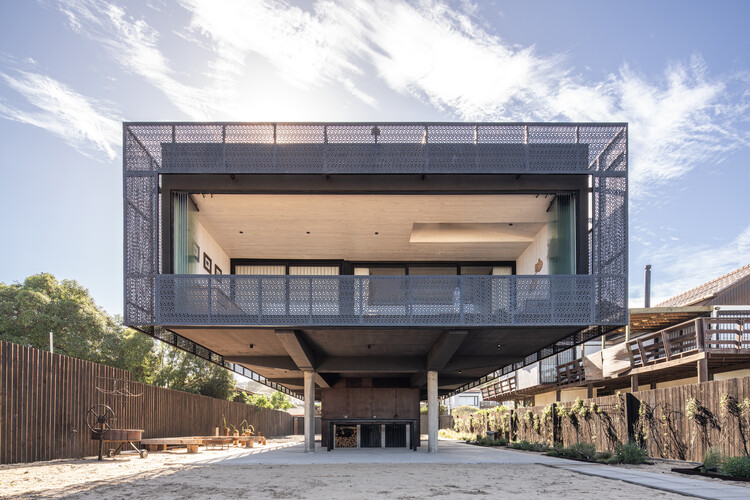
Gandarillas House / Jose Pedro Vicente Arquitectos

-
Architects: Jose Pedro Vicente Arquitectos
- Area: 179 m²
- Year: 2026
https://www.archdaily.com/1185394/gandarillas-house-jose-pedro-vicente-arquitectosValentina Díaz
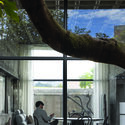
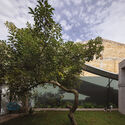
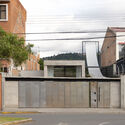
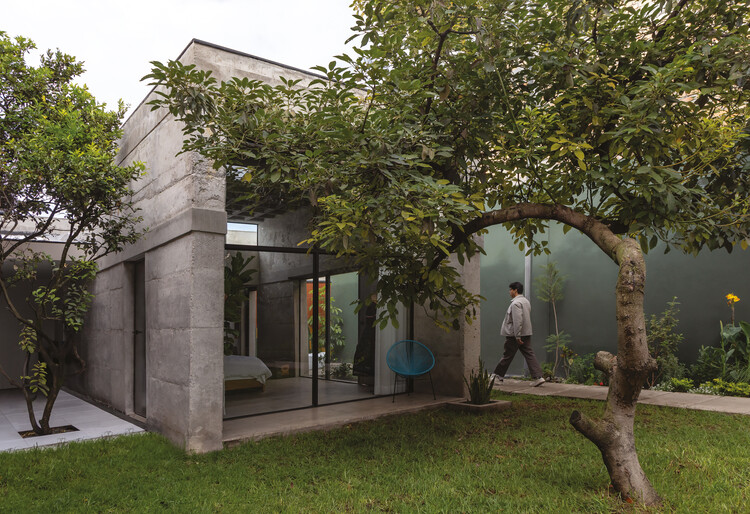
Aerocasa / Feliu Vega Kennedy Arquitectura

-
Architects: Feliu Vega Kennedy Arquitectura
- Area: 110 m²
- Year: 2025
https://www.archdaily.com/1185391/aerocasa-feliu-vega-kennedy-arquitecturaValentina Díaz
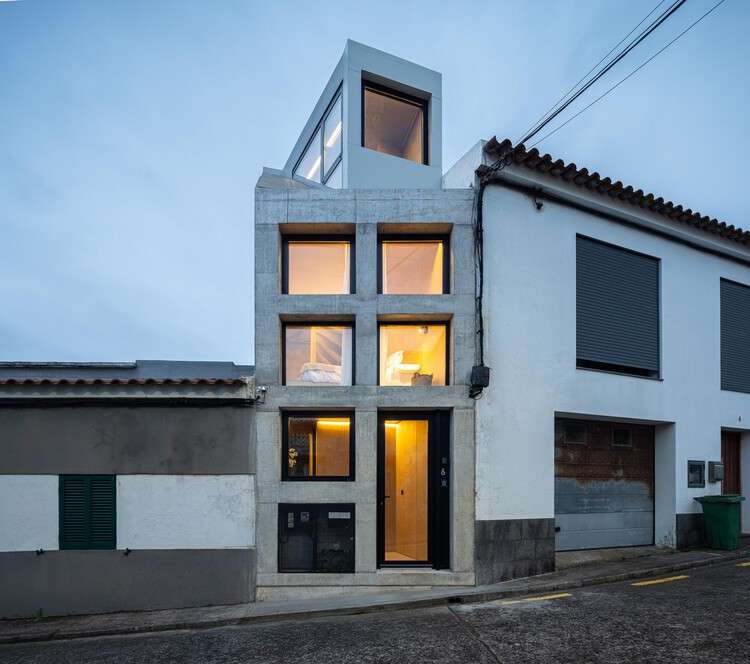
Mini Atalhada Building / SO Arquitetura & Design

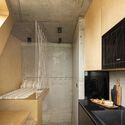
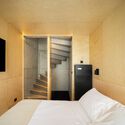
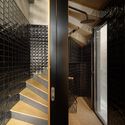
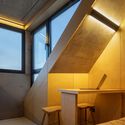
https://www.archdaily.com/1185340/mini-atalhada-building-so-arquitetura-and-designPilar Caballero
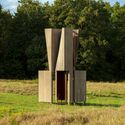
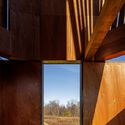
Match House (Art Omi) Temporary Installation / Young Projects

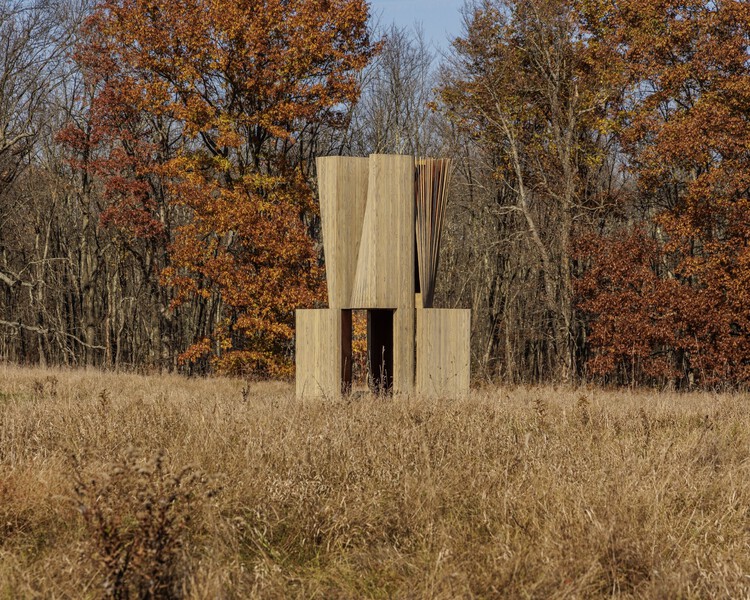
-
Architects: Young Projects
- Area: 10 ft²
- Year: 2024
https://www.archdaily.com/1185166/match-house-art-omi-2024-young-projectsNana Dokua
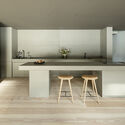
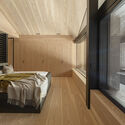
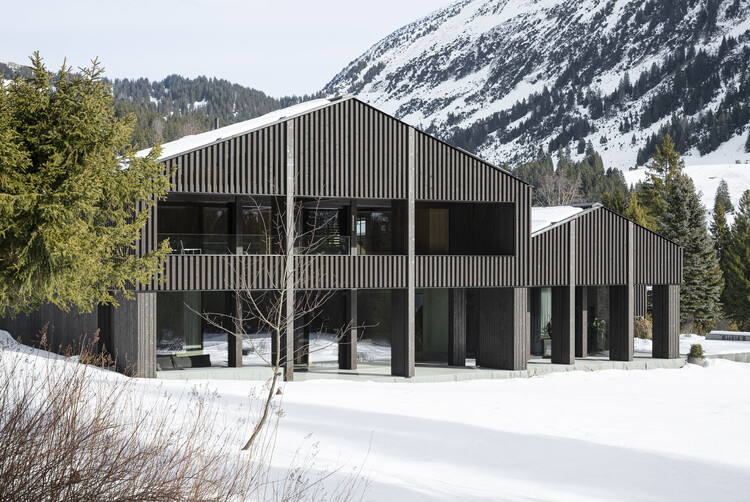
Alpamyr House / sandro durrer

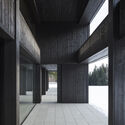
-
Architects: sandro durrer
- Area: 300 m²
- Year: 2025
https://www.archdaily.com/1185186/alpamyr-house-sandro-durrerValeria Silva
Architectural Heterotopias: Temporary Installations as Alternative Worlds
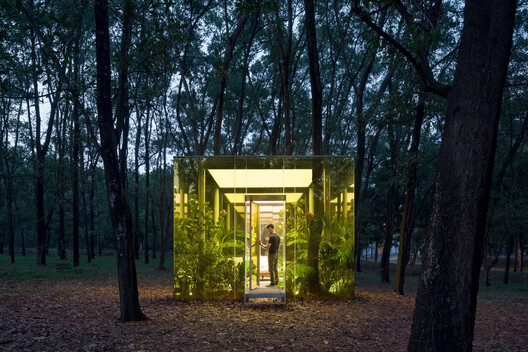
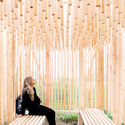
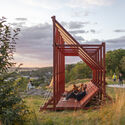
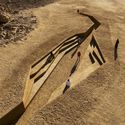
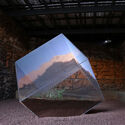
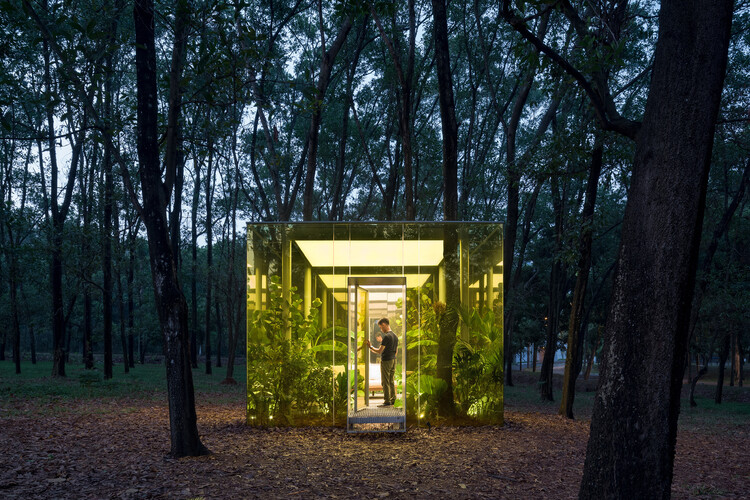
While complex, layered with meaning, and categorized into various forms, heterotopia, a concept developed by the philosopher Michel Foucault, can broadly be understood as the manifestation of alternative realities. Unlike utopias – idealized, unreachable non-places – heterotopias are tangible, real-world spaces that operate according to their own internal logic, offering a lived alternative to dominant spatial and cultural paradigms.
Escapism, in an architectural sense, is not merely about fleeing standard realities; it is a critical tool for reimagining them under different cultural, social, and environmental conditions. Temporary installations serve as fertile testing grounds for these spatial possibilities. Often framed as sanctuaries or refuges, these works intentionally detach from pre-conceived norms – whether by seeking a return to a primal way of living or by provoking radical perceptual shifts.
https://www.archdaily.com/1185278/architectural-heterotopias-temporary-installations-as-alternative-worldsSusanna Moreira