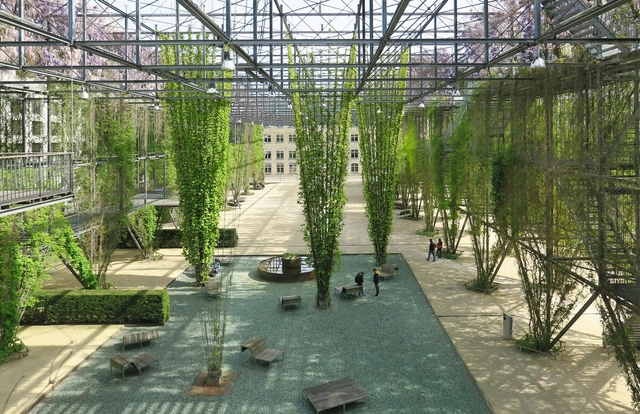
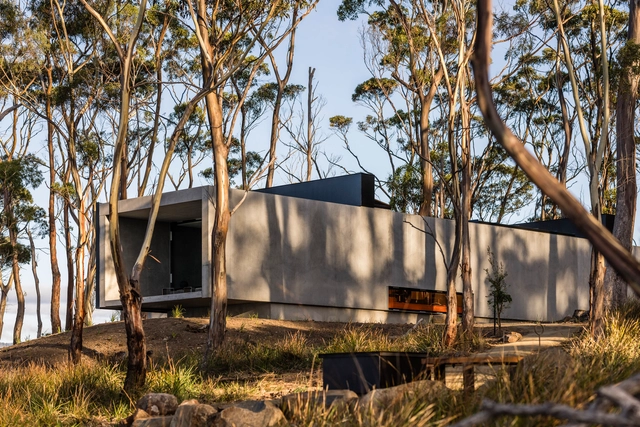
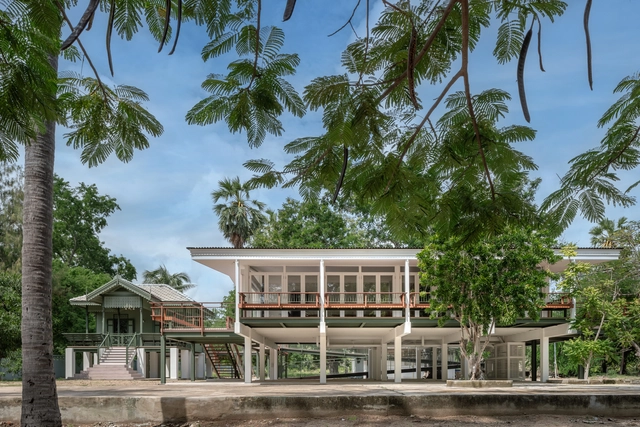
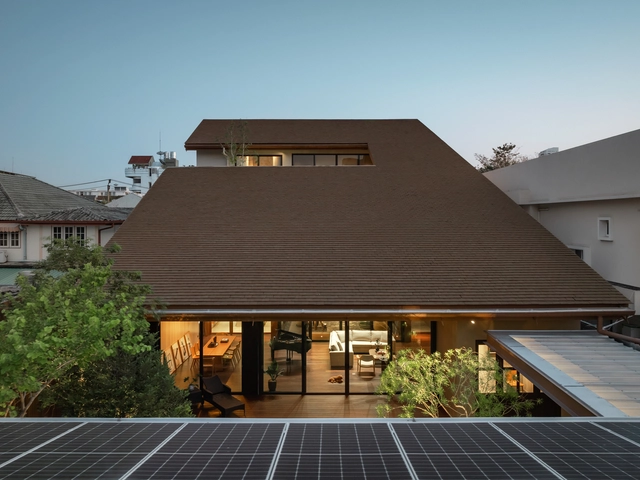
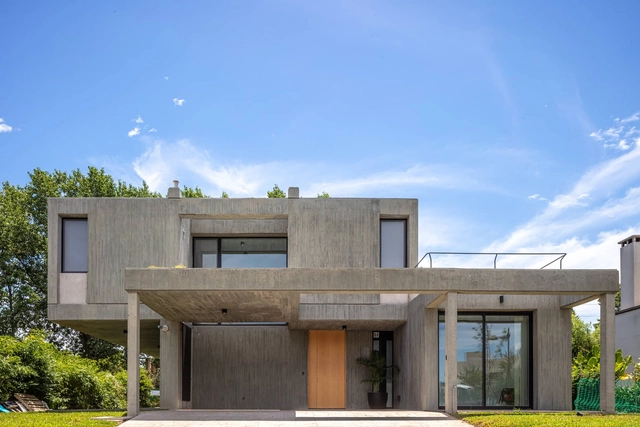
Sustainability in architecture is often framed as a universal challenge, leading to standardized solutions that prioritize efficiency over context. However, architecture is inherently tied to its environment — buildings interact with climate, topography, and cultural history in ways that demand specificity. Instead of relying on standardized sustainability checklists, how can architecture embrace site-specific solutions? This conversation is deeply connected to the concept of Genius Loci, or the spirit of a place, introduced by Christian Norberg-Schulz and embraced by architects advocating for designs that resonate with their surroundings. It suggests that architecture should not be imposed upon a site but rather emerge from it, informed by its materials, climate, and cultural significance. This philosophy challenges the widespread application of generic sustainable technologies, instead proposing that sustainability must be inherently tied to the location in which it operates.
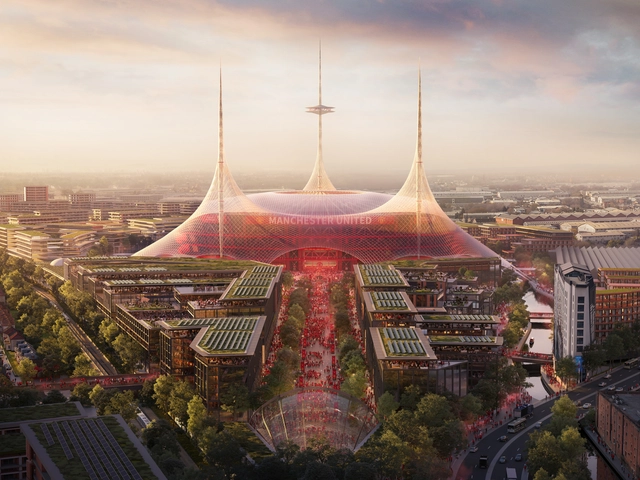
Aerial render. Image Courtesy of Foster + Partners
In September 2024, Foster + Partners announced its appointment by Manchester United for the development of a master plan for the Old Trafford Stadium District. The centerpiece of the master plan is a new stadium, set to become the largest football venue in the United Kingdom with a capacity of 100,000 seats. This week, the firm unveiled images of the stadium design along with surrounding public spaces, including parks, mixed-use developments, an open-air cinema, and a renovated train station. These images contain the illustrative concepts that will become the basis for more detailed feasibility, consultation, and planning work as the project enters new stages.
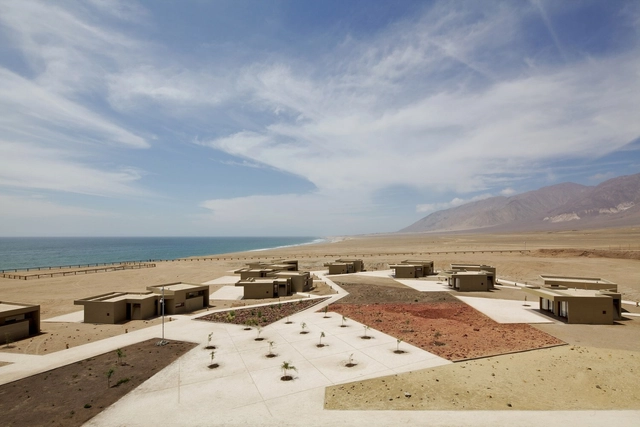
The desert is a landscape in constant transformation. Shaped by the wind, its dunes, ridges, and fissures emerge and fade in an ever-shifting expanse, as if the scenery itself were alive. It is a land of stark contrasts, where the scorching heat of the day gives way to the crisp coolness of the night, revealing nature in its most primal form. In such a dynamic and untamed environment, how can architecture not only integrate but also respect and engage with its surroundings? This is the challenge faced by hotels built within Latin America’s vast desert landscapes.
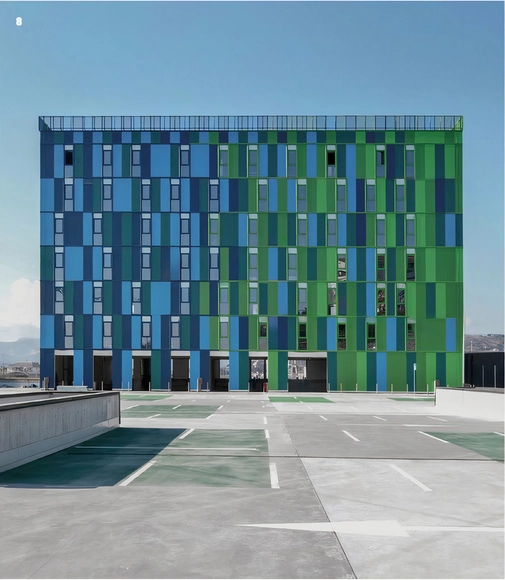
As the construction industry intensifies its efforts towards sustainability, architects and developers are actively seeking innovative solutions to reduce the environmental footprint of buildings. Trimo, a global leader in architectural façade and roofing solutions, is at the forefront of this transformation with its NEXT product range—Qbiss One NEXT and Trimoterm NEXT—which are setting new standards in sustainability. Designed to support the global shift to net-zero carbon construction, these products embody cutting-edge technology, lower carbon emissions, and high recyclability, all while delivering superior performance and aesthetics.